Category: Complex Business Litigation

  • Epiq Class Action Settlement Efficiency

    Epiq Class Action Settlement Efficiency

    EpiqEpiq presents a CLE-eligible webinar
    Wait Wait … Don’t Settle!
    Essential elements of effective class action settlements.

    When it comes to complex class action litigation, once the hard work is done – litigation and settlement – more hard work begins – administering it.  But is the deal really ready?

    After years of arduous proceedings, discovery, motions, appeals, hearings, negotiations, and more, the scope and structure of your settlement has been drafted. Everyone is in agreement. The hard work of the courts, the attorneys, the legal teams, and the litigants is complete. Now it’s time to administer the settlement. Send out notices. Cut the checks. Get people paid. Boom! Sit back and relax. Get a claims administrator to take it from there.
    But wait … you find out that the terms of the agreement, the promises made, the budget established, and the deadlines calendared are not only inefficient, they are completely unworkable. Now the settlement is in jeopardy. The clients are frustrated. The court is frustrated. And you have a headache.
    That is a situation you, as a class action attorney, never want to find yourself in. The best way to avoid this quagmire is for attorneys to work with a professional and experienced claims administrator before you agree on settlement terms, someone who has been to this rodeo many, many times before. If you want smooth execution of your claims program, they must be on your team as you pull the pieces of the settlement together, not afterwards.
    Join us for a complimentary CLE webinar on Thursday, April 8, 2021, for a practical discussion based on Seven Elements of Effectively Settling Class Actions led by a class action litigator turned class action settlement expert, who will moderate a discussion with two highly regarded class action attorneys who have been involved in a number of high-profile complex cases.

    On Demand | Recorded April 2021

    On Demand Registration

    Included with registration

    • 1+ CLE credits (subject to bar rules). CLE codes are embedded in the video.
    • For questions write to CLE@LitigationConferences.com.
    • 75 minutes of insights from experienced professionals.
    • The complete PowerPoint presentation.
    • Continued access to the complete recording for later use.
    • Answers to your questions via email to the presenters, or write to HB and we will be sure to contact the speakers.

    KEY POINTS

    These Seven Elements of Effectively Settling Class Actions will serve as the framework for our practical presentation.
    • Consult Early, Before Settlement
    • Evaluate Noticing Options
    • More Outreach = More Claims
    • Understand Your Data
    • Use The Right Technology
    • Consider Appropriate Scope of Services
    • Compare Apples to Apples on Estimates

    On Demand Registration

    Meet the Panel

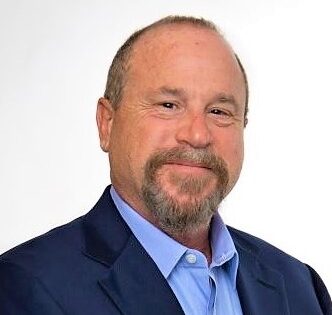
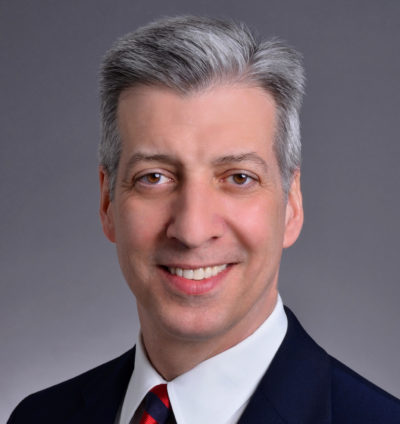
    Michael O’Connor
    Vice President
    Class Action & Mass Tort Solutions
    Epiq

    Over the past 10 years Michael O’Connor has established himself as a national expert on complex settlement administration matters and oversees client relationship development and strategic client communications. He works closely with our class action and mass tort team of project managers to ensure consistent, superior client service standards.

    Based in Washington, DC, Mr. O’Connor also works extensively on Epiq’s contracts with the United States Federal Government, including the Department of Justice, Federal Trade Commission, Securities and Exchange Commission and Consumer Financial Protection Bureau.  Currently, Mr. O’Connor also oversees Epiq’s administration of: (a) Peterson v. Islamic Republic of Iran, Case No. 10-CIV-4518 (S.D.N.Y., Hon. L. Preska), a $1.9 billion disbursement to victims of the 1983 Marine barracks bombing in Beirut; and (b) In re Payment Card Interchange Fee and Merchant Discount Antitrust Litigation, Case No. 1:05-MD-1720 (MKB) (JO) (E.D.N.Y.), a nearly $6 billion settlement brought by all U.S. merchants against Visa and Mastercard.

    A highly esteemed thought leader, O’Connor is a frequent national speaker on settlement administration best practices and has worked on and overseen many of Epiq’s largest and most complex engagements. He holds a Juris Doctor from the University of Oregon Law School and a Bachelor of Arts in political science from Yale University.  Before joining Epiq in 2010, Mr. O’Connor was a trial lawyer for thirteen years, most recently as an owner at Garvey Schubert Barer (now Foster Garvey).
    More about Michael

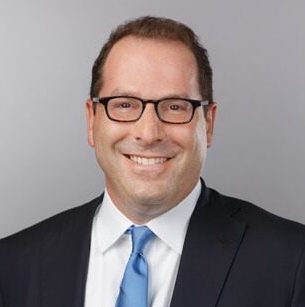
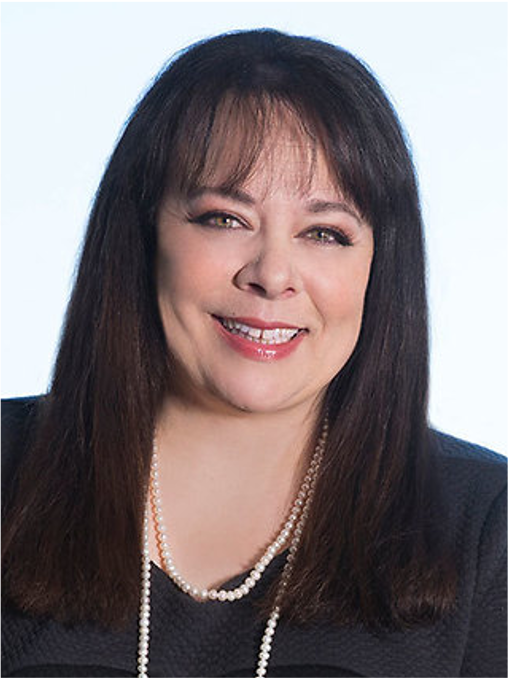
    Alexandra “Xan” Bernay
    Partner
    Robbins Geller Rudman & Dowd LLP

    Alexandra Bernay is a partner in Robbins Geller Rudman & Dowd LLP’s San Diego office, where she specializes in antitrust and unfair competition class-action litigation. She has also worked on some of the Firm’s largest securities fraud class actions, including the Enron litigation, which recovered an unprecedented $7.2 billion for investors.

    Xan currently serves as co-lead counsel in In re Payment Card Interchange Fee and Merchant Discount Antitrust Litigation, in which a settlement of $5.5 billion was approved in the Eastern District of New York. This case was brought on behalf of millions of U.S. merchants against Visa and MasterCard and various card-issuing banks, challenging the way these companies set and collect tens of billions of dollars annually in merchant fees. The settlement is believed to be the largest antitrust class action settlement of all time. Additionally, Xan is involved in In re Remicade Antitrust Litigation pending in the Eastern District of Pennsylvania – a large case involving anticompetitive conduct in the biosimilars market, where the Firm is sole lead counsel for the end-payor plaintiffs. She is also part of the litigation team in In re Dealer Mgmt. Sys. Antitrust Litigation (N.D. Ill.), which involves anticompetitive conduct related to dealer management systems on behalf of auto dealerships across the country. Another representative case is Persian Gulf Inc. v. BP West Coast Prods. LLC (S.D. Cal.), a massive case against the largest gas refiners in the world brought by gasoline station owners who allege they were overcharged for gasoline in California as a result of anticompetitive conduct. Xan has also had experience in large consumer class actions, including In re Checking Account Overdraft Litigation, which case was brought on behalf of bank customers who were overcharged for debit card transactions and resulted in more than $500 million in settlements with major banks that manipulated customers’ debit transactions to maximize overdraft fees. She also helped try to verdict a case against one of the world’s largest companies who was sued on behalf of consumers. Xan speaks on a variety of issues related to litigation, including recent changes to Rule 23 of the Federal Rules of Civil Procedure. In December 2018, with another lawyer, she prevailed for her client in a multi-day probate court trial as part of her pro bono work with the San Diego Volunteer Lawyers’ Program. Xan has been named a Leading Plaintiff Financial Lawyer by Lawdragon. She earned a Bachelor of Arts degree in Journalism from Humboldt State University, where she received the Society of Professional Journalists Outstanding Graduate Award. She then graduated magna cum laude with a Juris Doctor degree from the University of San Diego School of Law, where she was Comments Editor for the San Diego Law Review, and an Order of the Coif member.
    More about Xan

    On Demand Registration

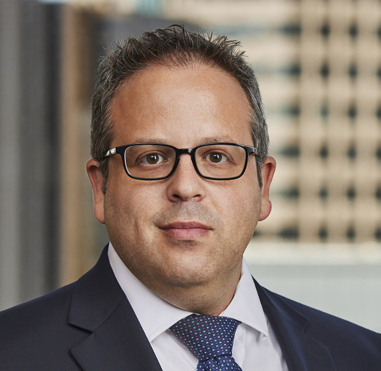
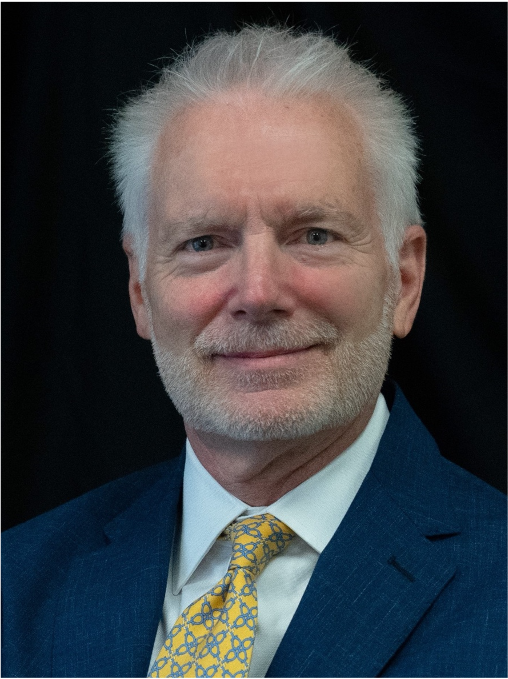
    Keith Dubanevich
    Attorney
    Stoll Berne

    Keith is an accomplished trial, appellate, and healthcare lawyer with over 35 years of experience in more than a dozen different jurisdictions around the country. With a focus on complex dispute resolution, with particular emphasis in the healthcare industry, Keith is adept at handling multi-state and international antitrust cases, consumer litigation, and securities disputes. In healthcare, he has handled peer review disputes, partnership and incorporation matters, and billing investigations.

    Keith’s clients value his keen instincts in court and his ability to delve into complex legal issues while never losing sight of the overall strategy of a case. A judge commented that during a recent trial Keith was “remarkably thorough, … prepared, respectful, and efficient.” Keith has also received high praise from his peers including this comment about a recent arbitration proceeding: “I was so impressed with your professionalism and effectiveness. Your whole presentation was a model of what an advocate should be.”

    During his time at the Oregon Department of Justice as Associate Attorney General and Chief of Staff, Keith led the creation of a civil rights unit, managed securities litigation including multiple cases against financial services companies, and supervised antitrust investigations and prosecutions. He was also involved with the adoption of legislation that expanded the Unlawful Trade Practices Act to include financial services companies.

    More about Keith

  • Maximizing Insurance as Climate Change Intensifies

    Maximizing Insurance as Climate Change Intensifies

    HB presents an Anderson Kill webinar on-demand

    MAXIMIZING INSURANCE RECOVERY AS

    CLIMATE CHANGE INTENSIFIES

    As weather-induced disasters continue to intensify, maximizing insurance coverage after major storms, floods, wildfires, and other natural cataclysms is an essential survival skill for any business.

    In this session, attorneys who have successfully litigated property, business interruption and contingent business interruption claims from Hurricanes Katrina through Ida, along with wildfire and other major disaster claims, walk participants through all phases of insurance recovery, from buying the right policies to pursuing claims with persistence and awareness of pitfalls, to litigating successfully when necessary. Specific lessons from Hurricanes Sandy (2012), Harvey (2017) and Maria and Irma (2020) will be addressed.

    Topics:

    • Developing a pre-storm preparedness plan, including mitigation efforts, assembly of a claims team, and insurance coverage review;
    • Moving quickly to protect property from further damage, performing all emergency repairs, and documenting all losses in detail;
    • Preparing and presenting well-supported property damage claims;
    • Recognizing and including business interruption losses and extra expense outlays;
    • Highlighting policy interpretation issues that affect the scope of available coverage;
    • Outlining strategies for pursuing claims and incentivizing the insurance company to resolve them with due speed.

    On-Demand Registration

    Includes

    • 1+ CLE credits (subject to bar rules). CLE codes are embedded in the video. CLE questions?
    • Insights from experienced professionals.
    • The complete PowerPoint presentation.
    • Continued access to the complete recording for later use.
    • Answers to your questions via email to the presenters, or write to HB.

    Meet the Panel

    Finley Harckham
    Anderson Kill

    Finley is a senior litigation shareholder in the New York office of Anderson Kill and serves on
    the firm’s Executive Committee. Finley regularly represents and advises corporate policyholders and
    other entities in insurance coverage matters. He has successfully litigated, arbitrated and settled
    hundreds of complex coverage claims. His areas of particular focus include property loss, environmental,
    business interruption, directors and officers liability, construction, professional liability, aviation liability,
    cyber and general liability claims.

    Finley also has extensive experience in the field of international arbitration. His arbitration clients
    include government contractors, consumer products companies and manufacturers which Anderson Kill
    has represented in a wide range of disputes involving, among other things, service contracts, the
    purchase and sale of components, raw materials and products, and licensing agreements. He has
    successfully prosecuted and defended arbitrations in European countries and the United States under
    the London Arbitration Act, and the AAA, ICC and UNCITRAL arbitration rules.

    More about Finley

    Rhonda D. Orin
    Anderson Kill

    Rhonda is the managing partner of the firm’s Washington, D.C. office. She is also co-chair of the COVID Task Group. Rhonda represents policyholders in coverage cases nationwide, including cyber liability, third-party tort and environmental liability claims, first-party property damage and business interruption claims, directors & officers liability, errors & omissions liability, fidelity bonds and alternative risk transfer arrangements, including for employee benefit plans.

    She has served as lead counsel in multiple jury and bench trials, argued before the highest courts of several states, and appeared in two cases before U.S. Supreme Court. Through jury verdicts, summary judgment decisions and confidential settlements before and during litigation, she has recovered hundreds of millions of dollars for policyholders, including nine-figure recoveries.

    More about Rhonda

    Dennis J. Artese
    Anderson Kill

    Dennis is a shareholder in the New York office of Anderson Kill. He is also co-chair of the firm’s Construction Industry practice group and a member of the COVID Task group. Dennis’ national practice concentrates on all types of insurance recovery litigation, with an emphasis on securing insurance coverage for construction-related first-party property losses and third-party liability claims as well as for property and business interruption losses stemming from natural disasters and other perils.

    Dennis has substantial experience in all phases of litigation, arbitration and property insurance appraisals, and has recovered hundreds of millions of dollars of insurance proceeds on behalf of policyholders in connection with a variety of property, builder’s risk, commercial general liability, umbrella and excess liability, D&O, E&O, crime, and political risk insurance claims. Dennis also has extensive experience in litigating insurance broker malpractice cases and other general commercial litigation disputes, including construction-related disputes. Dennis has been recognized by Super Lawyers for Insurance Coverage since 2012. He also has been recognized by Legal 500 for Insurance Advice to Policyholders and singled out as being a “superb lawyer and subject-matter expert.”

    More about Dennis

    Ronald Papa
    National Fire Adjustment Co.

    Ronald has been instrumental in NFA’s growth for more than 30 years. He has successfully adjusted more than 2,000 insurance losses working for a wide range of clients. Ron earned the prestigious designation of Senior Professional Public Adjuster and is accredited by the National Association of Public Insurance Adjusters (NAPIA), of which he is past president.

    He was named Person of the Year by NAPIA for “outstanding leadership” and recently addressed the National Symposium of Insurance Commissioners at their conference in Florida. Ron is approved as an instructor by numerous State Insurance Departments, the New York State Bar Association, and the Society of CPAs. He graduated from Niagara University.

    More about Ronald

    On Demand Registration

  • High-Asset Divorce Litigation with Robert D. Boyd and Kimberli C. Withrow

    High-Asset Divorce Litigation with Robert D. Boyd and Kimberli C. Withrow

    High-Asset Divorce Litigation 

    Let’s assume this is good news. The divorce rate appears to be coming down. Either people are more committed to these unions or have succumbed to lifetimes of misery. But the common belief — that “50% of all marriages end in divorce” — doesn’t enjoy statistical support. Six percent of people who divorce get back together, so that’s something, too.  

    According to Monster.com, the rate is higher among people working in fading industries, like certain machine operators. Despite frequent coverage of Hollywood breakups, they don’t mention entertainers, other than dancers and choreographers, who don’t fare well in marriage. Lawyers, in general, do not have a particularly high divorce rate.

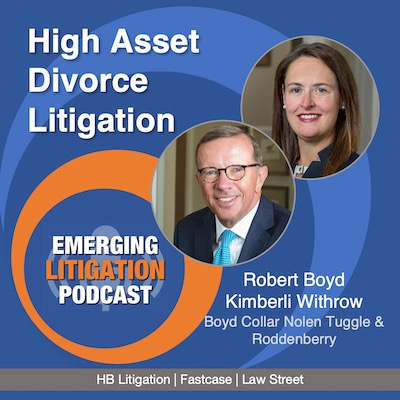
    For insights into high-asset divorces, listen to my interview with Robert D. Boyd and Kimberli C. Withrow  of Boyd Collar Nolen Tuggle & Roddenbery.

    Bob Boyd is a widely recognized leader in the practice of high-net-worth divorce litigation and contested custody cases. He is a former prosecutor and a U.S. Army Ranger and Paratrooper.  Education: J.D., West Virginia University (Editor-in-Chief, West Virginia Law Review); B.A., United States Military Academy at West Point.

    Kimberli Withrow has 16 years’ experience representing clients in family law matters. She has served as trial counsel and hearings involving divorce, child custody, and child support matters.  Education: J.D., Emory University School of Law; B.A., Duke University.Speaking of which, this podcast is the audio companion to the Journal on Emerging Issues in Litigation. The Journal  is a collaborative project produced by HB Litigation Conferences and the Fastcase legal research family, which includes Full Court Press, Law Street Media, and Docket Alarm. The podcast itself is a joint effort between HB and our friends at Law Street Media. If you have comments or wish to participate in one our projects, or want to tell me how much you learned today – or if you’d like a copy of John’s and Jihee’s article — please drop me a note at Editor@LitigationConferences.com.

    This podcast is the audio companion to the Journal on Emerging Issues in Litigation. The Journal is a collaborative project between HB Litigation Conferences and the Fastcase legal research family, which includes Full Court Press, Law Street Media, and Docket Alarm. The podcast itself is a joint effort between HB and our friends at Law Street Media. If you have comments or wish to participate in one our projects please drop me a note at Editor@LitigationConferences.com.

    Tom Hagy
    Litigation Enthusiast and
    Host of the Emerging Litigation Podcast

    P.S. I don’t know why, but at some point I believe I mentioned chihuahua’s as a form of currency, and then something about Bezos. I’m sure it made sense at the time. It’s more likely, however, that it didn’t.

    Our Guests

    Robert Boyd

    Robert BoydBoyd Collar Nolen Tuggle & Roddenbery

    Bob Boyd is a widely recognized leader in the practice of high-net-worth divorce litigation and contested custody cases. He is a former prosecutor and a U.S. Army Ranger and Paratrooper. Education: J.D., West Virginia University (Editor-in-Chief, West Virginia Law Review); B.A., United States Military Academy at West Point.

    For more than 15 years, he has been selected by the Best Lawyers of America in the area of family law.

    Kimberli Withrow

    Kimberli WithrowBoyd Collar Nolen Tuggle & Roddenbery

    Kimberli Withrow has 16 years’ experience representing clients in family law matters. She has served as trial counsel and hearings involving divorce, child custody, and child support matters. Education: J.D., Emory University School of Law; B.A., Duke University.

  • Attorney Fees and Settlement Funds with Sam Dolce

    Attorney Fees and Settlement Funds with Sam Dolce

    Our Guest

    Sam Dolce

    Sam DolceAttorney

    As an attorney at Milestone, Sam Dolce provides in-depth, comprehensive consultations with attorneys about qualified settlement funds, fee deferral, and settlement planning. He also oversees the establishment of QSFs.

    Sam received a Bachelor of Arts in History from Macalester College, followed by a Juris Doctor from SUNY Buffalo Law School. He served as a participant in the New York State Pro Bono Scholar Program and has received multiple acknowledgements and awards for his dedication to pro bono service and social justice. As a subject matter expert, Sam is a regular speaker and presenter at academic and legal conferences regarding post-settlement strategies.

    Attorney Fees and Settlement Funds with Sam Dolce

    Uncle Sam has created a way for you keep more of your hard-won settlement or award, but there is much to consider and new information to weigh.

    When a contingency fee case reaches a verdict or settlement, it’s a big day for a plaintiff attorney. You have worked hard and shouldered litigation costs — often for years without compensation — to achieve the best outcome for your client.

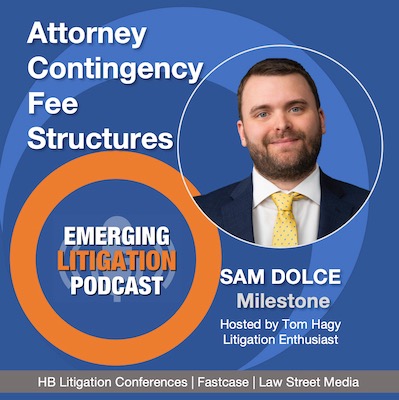
    In this episode I get to speak with a financial management professional who specializes in advising trial attorneys how they can take full advantage of attorney fee structures. The concept of fee deferral arrangements may be familiar to you, but the landscape continues to evolve.

    My guest is Sam Dolce, an attorney with Milestone, a financial firm that optimizes settlement funds for trial attorneys and plaintiffs.  Sam consults with legal professionals about about Qualified Settlement Funds, fee deferrals, and settlement planning. Sam received his B.A. from Macalester College and his J.D. from SUNY Buffalo Law School. Thanks to Sam for sharing his insights.

    On a previous episode you can hear Sam’s colleague, Erin Waas, who heads up the Milestone Foundation, a non-profit organization that provides low-cost funding to injured individuals in need of cash as their personal injury cases wind their way through court.

    This podcast is the audio companion to the Journal on Emerging Issues in Litigation. The Journal is a collaborative project between HB Litigation Conferences and the Fastcase legal research family, which includes Full Court Press, Law Street Media, and Docket Alarm. The podcast itself is a joint effort between HB and our friends at Law Street Media. If you have comments or wish to participate in one our projects please drop me a note at Editor@LitigationConferences.com.

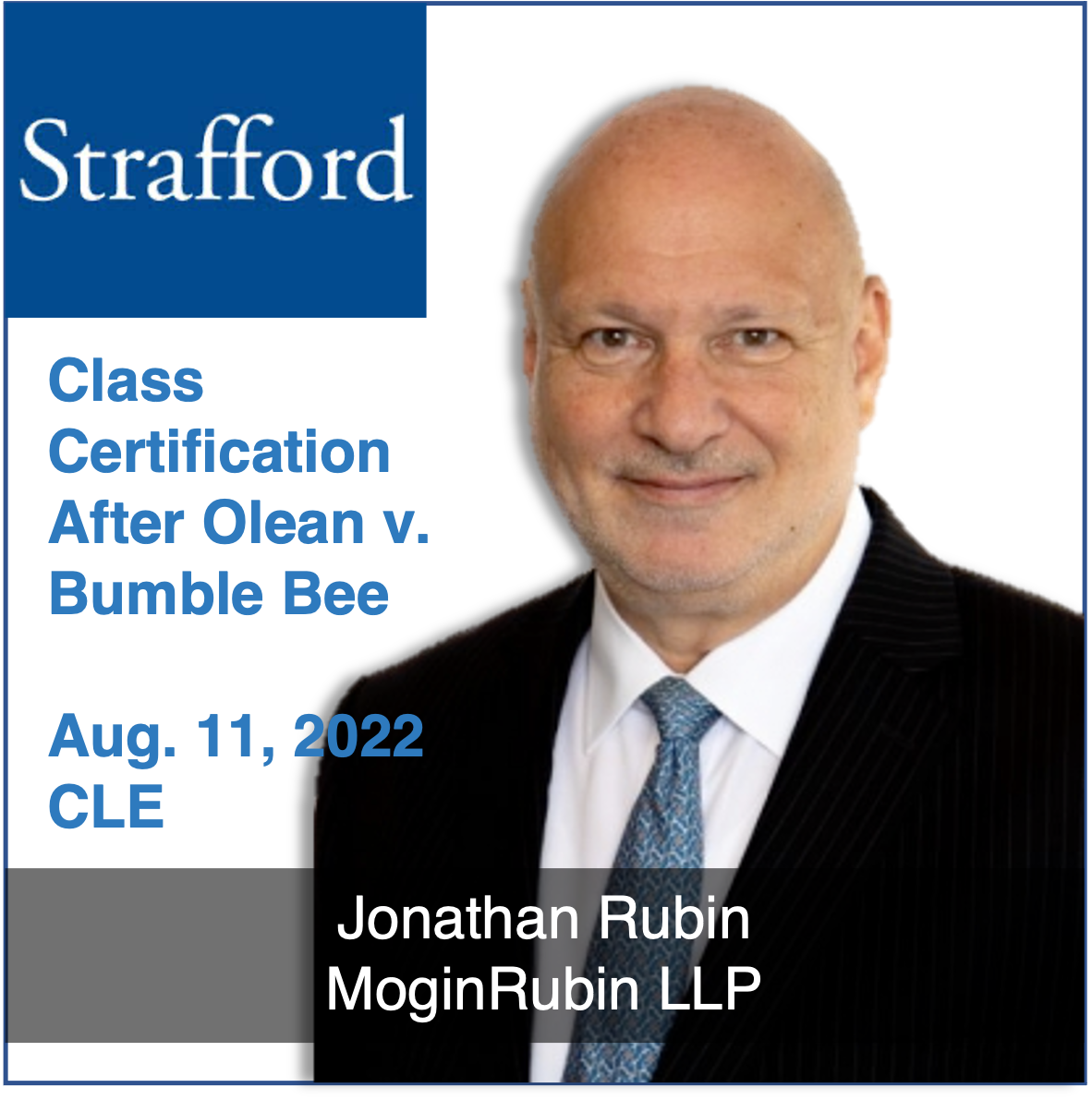
  • Class Certification After Olean v. Bumble Bee with Jonathan Rubin of MoginRubin LLP

    Class Certification After Olean v. Bumble Bee with Jonathan Rubin of MoginRubin LLP

    Featured Speaker

    Jonathan Rubin

    Jonathan RubinPartner

    Jonathan focuses his practice exclusively on antitrust and competition law and policy. As a litigator, he has led trial teams in major antitrust cases in courts throughout the country. As a thought-leader in competition law, he has published in influential academic journals and has spoken to numerous professional groups, including the Directorate General for Competition of the European Commission, the Antitrust Section of the American Bar Association, the University of Wisconsin, and the American Antitrust Institute. Jonathan has also made several appearances before congressional committees.

    More About Rubin

    For more information please email Tom Hagy

    Explore more from MoginRubin LLP!

    Blog: Emboldened by New Resources and Expanded Authority, Feds Continue 10-Year Look Back at Chinese Investment. By Dan Mogin, Jonathan Rubin, Jennifer Oliver, and Timothy LaComb. List

    OnDemand CLE Webinar: The Antitrust Case Against Google. Dan Mogin, Jonathan Rubin, Jennifer Oliver, Timothy LaComb, John Newman, Dr. Alan Grant

    Blog: FTC’s Case Against Facebook Will Test the Flexibility of U.S. Antitrust Law.Authors: Jonathan Rubin and Jennifer Oliver, MoginRubin LLP

    Blog: Full Ninth Circuit Removes Unwarranted Hurdles to Class Certification.

    Journal: Policy Derailed: Can U.S. Antitrust Policy Toward Standard Essential Patents Get Back on Track by Jonathan Rubin

    Webinar: Class Certification After Olean v. Bumble Bee with Jonathan Rubin, James Bogan lll, Jonathan Cohn, Bradley Hamburger.

    Journal: FTC v. Amazon: Market Definitions and Section 5 of the FTC Act

    Podcast: Algorithmic Software Facilitated Price Fixing with Jonathan Rubin

    Plus, additional insights from the MoginRubin Blog.

    Class Certification After Olean v. Bumble Bee

    Expert Testimony, Uninjured Class Members, and Article III Standing 

    This CLE course will discuss the ramifications arising from the Ninth Circuit’s en banc decision in Olean Wholesale Grocery v. Bumble Bee Foods, 31 F.4th 651 (9th Cir. 2022) (en banc), addressing numerous important class certification issues. The program will address Olean’s critical holdings regarding the evidentiary burden under Rule 23, how expert testimony should be assessed at the class certification stage, and the relevance of injury and Article III standing to assessing Rule 23’s predominance requirement and the scope of a proposed class definition. The panel will discuss the impact Olean will have for both plaintiffs and defendants, and will assess how lower courts have reacted to this important Ninth Circuit ruling.

    Description

    Olean addresses numerous key class certification issues and outlines a refined framework for class certification that may extend beyond the Ninth Circuit. The decision clarifies the burden of proof under Rule 23 and a district court’s obligation to assess both the admissibility of expert evidence and its adequacy to satisfy the prerequisites of Rule 23. Counsel will need to understand Olean’s holding regarding uninjured class members. While the Ninth Circuit rejected a categorical rule that a class cannot be certified if it includes more than a de minimis number of uninjured members, it emphasized that injury, both as an element of the underlying claim and as a requirement of Article III, is an essential issue in determining whether Rule 23(b)(3)’s predominance requirement is satisfied.

    Listen as this panel of preeminent class action lawyers discusses how Olean will affect certification and offers new strategies to consider. Get the history of the case, its key holdings and strategies for applying them, and recent decisions applying it.

    The panel will discuss these and other critical issues:

    • How will the issue of uninjured class members impact class certification after Olean?
    • How will Olean change the use of expert testimony at the class certification stage?
    • How will Olean’s guidance impact consumer and employment class actions?

    The speakers:

    Jonathan Rubin, Partner, MoginRubin LLP

    James F. Bogan, III, Partner, Kilpatrick Townsend & Stockton

    Jonathan F. Cohn, Partner, Sidley Austin

    Bradley J. Hamburger, Partner, Gibson Dunn & Crutcher

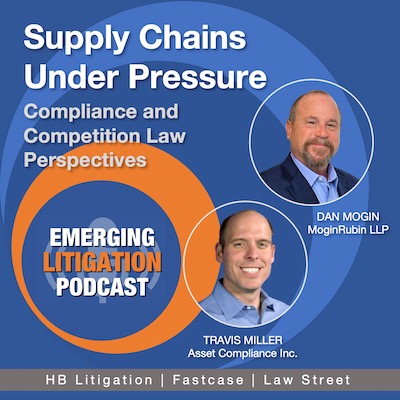
  • Under Pressure: How’s the Integrity of Your Supply Chain? — with Dan Mogin and Travis Miller

    Under Pressure: How’s the Integrity of Your Supply Chain? — with Dan Mogin and Travis Miller

    Our Guests

    Travis Miller

    Travis Miller Assent Compliance Inc.

    Travis is an international trade and compliance attorney who specializes in ITAR/EAR/sanctions, global anti-corruption and anti-slavery, codes of conduct, environmental health and safety, product stewardship, and corporate social responsibility.

    Travis manages Assent’s worldwide legal activities, advises the Board of Directors on legal matters, and oversees corporate compliance, governance initiatives, and other commercial transactions. Before coming to Assent, he served in various high-level counsel positions with companies such as Microchip Technology, Foresite Group, and St. Jude Medical.

    Dan Mogin

    Dan MoginMogin Rubin LLP

    Dan Mogin is co-founding and managing partner of MoginRubin LLP, a leading boutique law firm that focuses on antitrust law and other complex business disputes. A true thought leader in the field, Dan has served as lead counsel in numerous large antitrust cases, chaired the Antitrust Section of the California Bar, taught antitrust law, and was editor-in-chief of a leading competition law treatise.

    Under Pressure: How’s the Integrity of Your Supply Chain? — with Dan Mogin and Travis Miller

    Pressure builds when budgets are cut and fewer resources are available to maintain the necessary vigilance to remain compliant with often complex and changing regulations.

    Corporate risk can be caused by laxity, inattention, misconduct, unethical behavior, or even illegal activities by people and organizations in your supply chain. Often these things are what happen when people are under pressure. They may feel pressure to bend rules to hit sales targets, or they feel significant competitive pressure.

    Listen to my interview in two acts with Travis Miller, General Counsel at Assent Compliance Inc. and Dan Mogin is co-founding and managing partner of MoginRubin LLP, a leading boutique law firm that focuses on antitrust law and other complex business disputes. In Act 1 we discuss the conduct of a fictitious airline that is marketing itself as a green company and its competitors are crying foul, and by that I mean suing them. In Act 2 a fictitious semiconductor manufacturer that is allegedly using its considerable market power to trounce competitors. The fictitious scenarios involving these fictitious companies are as follows:

    Act 1: Greenwashing by AirGreen Corp.

    Commercial jets disproportionately spew high amounts of carbon into the atmosphere. There is no practical way to significantly reduce these harmful pollutants. Corporations are under pressure to be environmentally responsible, and demonstrate they are genuinely embracing the ESG movement. When it comes to carbon neutrality, the FTC says companies should not make “broad, unqualified” claims that they are running green businesses without “reliable scientific evidence” that their carbon offsets will have a timely impact. AirGreen, a major yet fictitious air shipping company, launched a global ad campaign called Super Green Air, dubbing itself the first commercial airline to be carbon neutral. AirGreen hasn’t actually reduced harmful emissions from its flights. Instead, it has purchased carbon offsets, which means it paid to reduce the emissions from other sources, while not actually reducing its carbon footprint. AirGreen’s competitors have filed suits and complaints with the FTC that this is false advertising that gives AirGreen a competitive edge in the air shipping market. 

    Act 2: MegaTech Monopolizing Semiconductor Chips (starts at minute 47:47)

    The global semiconductor industry makes products that run the world. They’re in PCs, large mainframes, smartphones, cable and internet equipment, electric cars, and wind turbines. The demand for silicon chips is enormous. These chips are manufactured by a dirty, environmentally unfriendly process. Their manufacture also relies on a “complex, dynamic and multidirectional global supply and services matrix” (aka supply chain). Recent clogs in that supply chain caused by the Covid pandemic and Russia’s invasion of Ukraine demonstrate that. When people think of monopolies, they think of big conglomerates that control huge markets, like AT&T and Microsoft. AT&T ruled over telephone communications without competition for years. They were “the phone company.” If you wanted assistance their number was “0.” In the case of Microsoft, it controlled more than 95% of the PC operating system market. But monopolies can also mean dominance of one specific piece of one specific product maybe even in a specific region. You could have a monopoly if you made all cell phones, or you could hold a monopoly if you make a component that makes all cellphones work. MegaTech is one such company, albeit a fictitious one. It makes the chip that makes your cable box work. In fact, they are the only maker of these chips. MegaTech has already been investigated and sued by the FTC. It has already agreed to stop anticompetitive conduct such as exclusivity arrangements with its customers. And, it has already broken that promise and is being investigated again. Some of its suppliers are considering major litigation, too.

    We discuss these scenarios from the perspectives of in-house compliance and legal professionals, outside counsel specializing in competition law, and a journalist covering the legal industry.

    This podcast is the audio companion to the Journal on Emerging Issues in Litigation. The Journal is a collaborative project between HB Litigation Conferences and the Fastcase legal research family, which includes Full Court Press, Law Street Media, and Docket Alarm. The podcast itself is a joint effort between HB and our friends at Law Street Media. If you have comments or wish to participate in one our projects please drop me a note at Editor@LitigationConferences.com.

    Tom Hagy
    Litigation Enthusiast and
    Host of the Emerging Litigation Podcast

    p.s. I add brief insights, humbly, on behalf of the Fourth Estate. In so doing, I also demonstrate why — if you’re no good at multitasking —  don’t. Especially around smart people who are really paying attention.  Also, if at some point you think you hear birds chirping, it might be time to see someone. Special thanks to our sound engineer, Jordan Forbes.

  • Antiracism and Antitrust with Eric Cramer

    Antiracism and Antitrust with Eric Cramer

    Our Guest

    Eric L. Cramer

    Eric L. CramerBerger | Montague

    Eric Cramer is Chairman of the Firm and Co-Chair of the Firm’s antitrust department. He has a national practice in the field of complex litigation, primarily in the area of antitrust class actions. He is currently co-lead counsel in multiple significant antitrust class actions across the country in a variety of industries and is responsible for winning numerous significant settlements for his clients totaling well over $3 billion.

    Mr. Cramer is also a frequent speaker at antitrust and litigation related conferences and a leader of multiple non-profit advocacy groups. He was the only Plaintiffs’ lawyer selected to serve on the American Bar Association’s Antitrust Section Transition Report Task Force delivered to the incoming Obama Administration in 2012.

    Antiracism and Antitrust with Eric Cramer

    Among the legal and regulatory avenues one might follow to mitigate the impact of racism, most of us would look to various manifestations of discrimination law in  employment, lending, real estate, education, healthcare, voting rights, and other categories. When presented in those contexts, the anti-racism objectives are clear. 

    There are several federal laws and many state laws that prohibit anticompetitive behavior.  At the top of the heap is the Sherman Antirust Act of 1890, which outlaws illegal monopolies and anticompetitive tactics, conspiracies to restrain trade, cartels and syndicates.  But what do wages, including those paid to minorities, have to do with antitrust? What about no-poach agreements, whereby groups of companies agree not to hire employees away from each other?  The answer is “quite a lot.”

    Listen to my interview with Eric Cramer, Chairman of Berger Montague and co-chair of the firm’s antitrust department, a team that handles antitrust class actions across the country involving a variety of industries.  Eric and the firm are responsible for winning numerous significant settlements for clients — a total value that now exceeds $3 billion. His recent focus has been representing workers who allege their employers’ anticompetitive practices  suppressed their pay. Recipient of numerous accolades and awards that include terms like titan, elite, thought leader, visionary, and lawyer of the year, Eric is a summa cum laude graduate of Princeton University where he earned membership in Phi Beta Kappa, and a cum laude graduate of Harvard Law School. Listen to what he had to say about this important subject.

    This podcast is the audio companion to the Journal on Emerging Issues in Litigation. The Journal is a collaborative project between HB Litigation Conferences and the Fastcase legal research family, which includes Full Court Press, Law Street Media, and Docket Alarm. The podcast itself is a joint effort between HB and our friends at Law Street Media. If you have comments or wish to participate in one our projects please drop me a note at Editor@LitigationConferences.com.

    Tom Hagy
    Litigation Enthusiast and
    Host of the Emerging Litigation Podcast

  • Wildfire Claims and Coverage

    Wildfire Claims and Coverage

    The Authors

    Scott DeVries

    Scott DeVriesHunton Andrews Kurth LLP

    Scott P. DeVries (sdevries@huntonak.com) is a special counsel
    in the Hunton Andrews Kurth LLP’s Insurance Coverage group in the
    firm’s San Francisco office where he exclusively represents policyholder
    clients. An experienced trial and appellate lawyer who has served as lead
    counsel in landmark appeals in the field of insurance coverage in the
    California Supreme Court, the Ninth Circuit, and the California Court
    of Appeal, as well as high-value jury trials, Scott routinely represents
    clients throughout the country seeking recovery from their insurers
    on a wide range of insurance issues arising under first-party property
    policies, comprehensive general liability policies, directors and officers
    policies, EPLI policies, crime policies, crypto and digital asset policies,
    and cyber policies.

    Yosef Itkin

    Yosef ItkinHunton Andrews Kurth LLP

    Yosef Itkin is an associate in Hunton Andrews Kurth LLP’s Insurance Coverage group in the firm’s Los Angeles office. His practice focuses on representing and advising
    corporate policyholders in complex insurance coverage matters.

    The Journal on Emerging Issues in Litigation

    Emerging Litigation Podcast

    Emerging Litigation PodcastProduced by HB Litigation and Law Street Media

    Interviews with leading attorneys and other subject matter experts on new twists in the law and how the law is responding to new twists in the world.

    Wildfire Claims and Coverage

    “The wildfires are causing enormous losses for innumerable businesses on the West Coast. Often, you should be able to work with your adjuster to reach a satisfactory resolution. But where needed, you may wish to reach out to policyholder-side lawyers—whether to test what you may be entitled to or to help maximize recovery.”

    Abstract: Wildfires destroy millions of acres a year in the United States, spewing smoke across much of the nation. The cost of damage alone over the past several years soars into the hundreds of billions. When policyholders turn to their insurers many benefit from the coverage they wisely secured. But not all policyholders get the coverage they believe they paid for. When and how they present their claims is a critical factor. In this article, the authors strive to provide a comprehensive understanding of coverage risks, the regulatory landscape, and navigating the all-important claims process. 

    Sparked by lightning storms, devastating wildfires claimed more than 10 million acres in 2020, releasing substantial amounts of smoke above the western United States. Accuweather founder and CEO Dr. Joel N. Myers called 2020 “the worst fire season in history,” and estimated that the total damage and economic loss would be between $130 billion and $150 billion. And 2021 was not any better. According to the Insurance Information Institute, in 2021, while the hottest temperatures on record were recorded in California, Nevada, Oregon, Washington, and Arizona, and drought conditions reached an all-time high, the number of wildfires remained approximately the same (58,900) although the number of acres destroyed reduced to 7.1 million acres from the year before. Some of the wildfires were among the largest on record with the Bootleg Fire in Oregon destroying 400,000 acres and the Marshall Fire in Colorado causing an estimated $1 billion in losses.

    Fortunately, many individuals and businesses are fully insured, and most insurance companies work with policyholders to process claims and help them rebuild and get them back up and running. However, it does not always work that way for every insured. While property insurance may cover much of the losses from wildfires and other catastrophic events, not every policyholder is made whole or anything approaching this. And even for those that are fully insured, when and how to present a claim can materially affect how much they recover and when. This can be extraordinarily difficult at any time, but especially when a fire has destroyed everything.

    Download the article now!

  • Biometric Privacy Laws: Companies Will Need Insurance as Protection From New and Expanding Liability

    Biometric Privacy Laws: Companies Will Need Insurance as Protection From New and Expanding Liability

    The Authors

    Cort T. Malone

    Cort T. MaloneAnderson Kill P.C.

    * Cort T. Malone (cmalone@andersonkill.com) is a shareholder
    in the New York and Stamford offices of Anderson Kill and practices
    in the Insurance Recovery and the Corporate and Commercial Litigation Departments. He represents policyholders in insurance coverage litigation and dispute resolution, with an emphasis on commercia general liability insurance, directors and officers insurance, employment practices liability insurance, advertising injury insurance, and property insurance issues.

    Jade Sobh

    Jade SobhAnderson Kill P.C.

    Jade W. Sobh (jsobh@andersonkill.com) is an attorney in Anderson Kill’s New York office. Jade focuses his practice on insurance recovery, exclusively on behalf of policyholders, as well as regulatory and complex commercial litigation matters.

    The Journal on Emerging Issues in Litigation

    Emerging Litigation Podcast

    Emerging Litigation PodcastProduced by HB Litigation and Law Street Media

    Interviews with leading attorneys and other subject matter experts on new twists in the law and how the law is responding to new twists in the world.

    Biometric Privacy Laws:  

    Companies Will Need Insurance as Protection From New and Expanding Liability

    “Businesses may look to various types of insurance policies for protection from the sudden and ever-increasing liability under present and soon to pass biometric data privacy laws, including commercial general liability insurance, employment practices liability insurance, cyber insurance, and directors & officers (D&O) insurance.”

    Abstract: As more states follow Illinois in enacting biometric privacy laws, the risk that companies will be hit with lawsuits and extensive damages awards increases. Employers are among the most active collectors of this type of data, collecting fingerprints and deploying facial recognition for timekeeping and security purposes. Several multi-million-dollar settlements have been reported for violations of biometric privacy laws. Meta, formerly Facebook, paid $650 million to resolve claims that it improperly stored face scans of its users. When companies turn to their insurance carriers, policyholders have a good track record of receiving coverage. Now that these claims are becoming more prevalent, will the insurance industry work to limit its exposure in this space? What should policyholders do in the event the industry is successful? In this article, the authors provide background on these emerging privacy laws, how they have played out in court, and what
    types of policies companies should consider to be sure they have the necessary protection.

    At least seven states have passed biometric privacy laws specifically intended to protect individuals from the collection, use, and sale of their personal biometric identifiable information. Several of these laws allow for extensive damages awards regardless of whether individuals suffered any actual harm as a result of the nonconsensual collection of biometric data. The companies facing class action lawsuits as a result should look to insurance to cover such claims, as the initial litigation with insurance companies has provided favorable results to policyholders. But insurance companies surely will seek to limit future exposure related to biometric privacy law violations, and companies either using biometrics or potentially doing so in the future would be wise to seek and maintain the broadest possible coverage.

    Biometric Identifiable Information (BII) is generally defined as any physiological or biological characteristic that is used by or on behalf of a commercial establishment to identify an individual. BII may take the form of a retina scan, a fingerprint, a voiceprint, a scan of hand or face geometry, or any other identifying characteristic.

    Download the article now!

    Read, listen, explore more content on the subject!

    Podcast: Biometric Privacy Litigation and Coverage Disputes with John Leonard and Cort Malone 

    Podcast: Autonomous Vehicles: The New Technology Driving the Litigation Conversation with Cort Malone and John Leonard

    JEIL: Litigation After Biometric Privacy Law Violations: Policyholder Victories and Their Implications with Cort Malone and Abigal Damsky

    JEIL: Autonomous Vehicles: The New Technology Driving the Litigation Conversation with Cort Malone, John Leonard, Joshua Zelen

    Tags

    Emerging Litigation & Risk Compliance Litigation & appeals Cybersecurity Data Privacy Artificial Intelligence (AI) Insurance Companies Risk Management Corporate & Securities Insurance Claims Recovery Regulations Data Breach Toxic Torts Antitrust Legal Tech Product Liability Settlements Trial Personal Injury Privacy Healthcare Per- and Polyfluoroalkyl Substances (PFAS) Data Analytics Arbitration Constitutional Law Climate Change Cannabis Labor Law Insurance Fraud Liability Claims COVID Alternative Dispute Resolution (ADR) Mediation Diversity Equity Inclusion (DEI) Claims management Professional Liability Legal Research & Writing Business Interruption Law Practice Management Trial Skills Property and Casualty Drug Laws Copyright Law Catastrophic Loss

  • Asymmetrical Combat: Bad Faith Liability in Insurance Recovery Cases

    Asymmetrical Combat: Bad Faith Liability in Insurance Recovery Cases

    The Author

    William Passannante

    William PassannanteAnderson Kill P.C.

    William G. Passannante is co-chair of Anderson Kill’s Insurance Recovery Group and is a nationally recognized authority on policyholder insurance recovery in D&O, E&O, asbestos, environmental, property, food-borne illness, and other insurance disputes, with an emphasis on insurance recovery for corporate policyholders and educational and governmental institutions.

    The Journal on Emerging Issues in Litigation

    Emerging Litigation Podcast

    Emerging Litigation PodcastProduced by HB Litigation and Law Street Media

    Interviews with leading attorneys and other subject matter experts on new twists in the law and how the law is responding to new twists in the world.

    Asymmetrical Combat: Bad Faith Liability in Insurance Recovery Cases

    “Insurance policies are a unique product that requires the policyholder perform first—by paying insurance premiums—while the insurance company’s performance—the payment of the claim amount—is delayed until the insurance company determines to do so.”

    Abstract: Policyholder counsel see claims that an insurer violated its duty of good faith and fair dealing is an essential tool in leveling the playing field in policyholder–insurer disputes, especially in high-stakes litigation. Insurance companies write the policies, employ lobbyists, exchange information with each other, and, of course, have more experience handling claims. So, the author writes, bad faith allegations bring more balance to the relationship and provide a disincentive to “the profitable breach of the insurance promise.” He discusses above-policy limits risks for insurers, as well as attorneys’ fees, interest on unpaid claims, punitive damages, and more.

    Introduction: Bad faith insurance litigation presents high-stakes risks for insurance companies in the unbalanced battle between insurance companies and their policyholders. The asymmetric nature of the insurance claims process—insurance companies draft the insurance policies, lobby legislatures as an industry repeat litigant, exchange superior information among themselves, and have more experience with claims than any policyholder—means that policyholders need a counterbalance. Insurance company liability for bad faith and related above-policy limits liabilities can act as that counterbalance. Insurance company bad faith and related doctrines prove useful because of the claims-handling calculus used to attempt to avoid coverage for a claim.

    Without more an insurance company denying a claim faces what it did at the outset—the amount of the covered claim. Insurance companies thus engage in the profitable breach of the insurance promise. Most purchasers of the insurance product would think of their insurance company as a fiduciary or trustee from whom one can expect scrupulous candor. At claims time many policyholders do not receive what they expect. Still, hornbook contract law tells policyholders that every insurance policy contains within it a duty of good faith and fair dealing enforcing that duty of good faith and fair dealing helps level the insurance claim playing field . . . .

    Download the article now!