Tag: Property and Casualty

  • Am I Covered For? . . . A Discussion of Insurance Coverage Issues

    Am I Covered For? . . . A Discussion of Insurance Coverage Issues

    Am I Covered For? . . . A Discussion of Insurance Coverage Issues

    Gain a better understanding of core insurance coverages and the common challenges policyholders face when seeking recovery.

    This session provides a basic introduction to insurance coverage generally and the types of issues that typically arise when policyholders seek coverage under those policies.  We start with the basics, outlining the difference between first party and third-party claims, which provides a foundation for our discussion.  We then discuss the following insurance policies, providing a brief description of what they typically cover: commercial general liability policies; property policies; directors & officers liability policies; errors & omissions liability policies; employment practices liability policies; commercial crime or fidelity policies; cyber policies; and contamination and recall policies.  We offer real examples of challenges policyholders face in attempting to procure coverage, from the time of the loss, to providing notice, to subsequent litigation.  Our presentation then highlights some interesting cases, their facts, and the ultimate holdings.  We provide practical tips regarding the application process, providing notice, and potential alternatives to litigation.

    Learning Objectives

    By the end of this webinar, you’ll gain a solid foundation in:

    • Several different types of insurance policies;

    • What those insurance policies typically cover;

    • Examples of common issues that arise in seeking coverage under those policies;

    • How courts have dealt with certain types of insurance claims; and

    • Practical tips on common insurance-related claim issues.

    TAKE IT NOW

    Available now to CeriFi LegalEdge subscribers. Don’t subscribe? Don’t despair. Use code HB20 for 20% off. Or, HBSub20 for 20% off a full solo subscription. While supplies last.

    Speakers

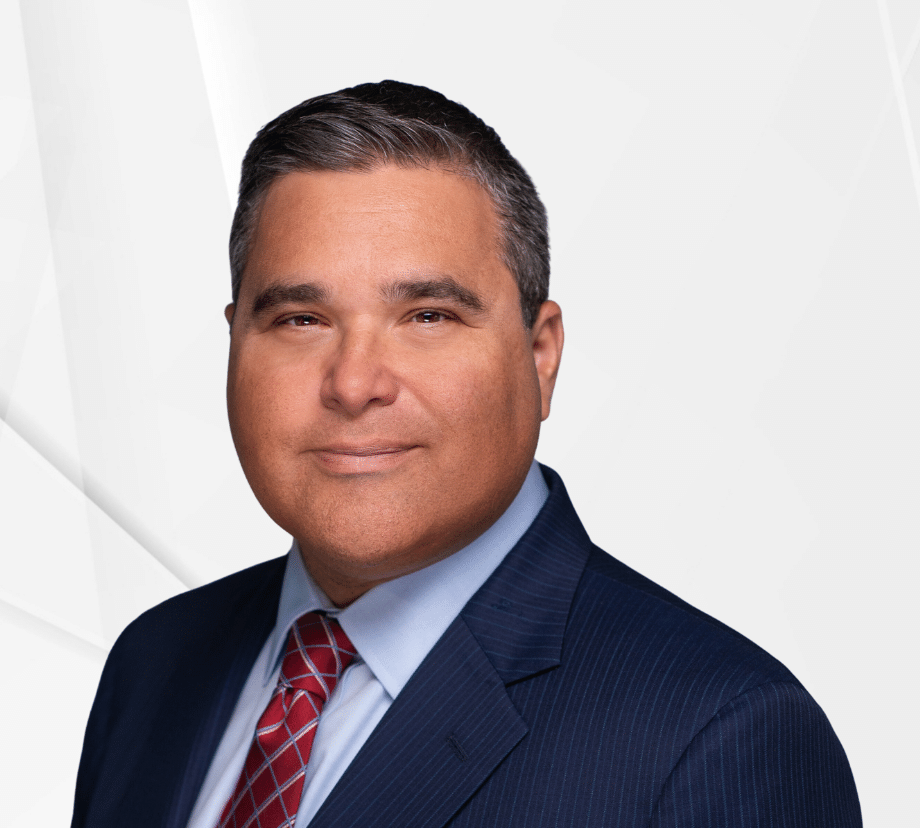
    Steven J. Pudell

    Steven J. PudellManaging Shareholder | Anderson Kill Newark

    Steven J. Pudell is managing shareholder of Anderson Kill’s Newark office, focusing on insurance recovery for policyholders and commercial litigation. Recognized by Chambers USA, Best Lawyers, and The Legal 500, Steve represents clients in the food, chemical, pharmaceutical, and real estate industries. He frequently writes and speaks on insurance coverage and has held leadership roles in the ABA and New Jersey legal community.

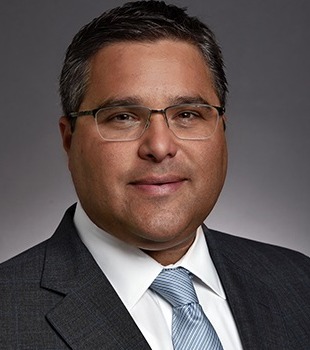
    Christina Yousef

    Christina YousefShareholder | Anderson Kill

    Christina Yousef is a shareholder in Anderson Kill’s New Jersey office, representing policyholders in high-stakes insurance recoveries involving D&O liability, food contamination, construction defects, and environmental claims. She has litigated in courts nationwide and advises clients across the hospitality, manufacturing, and construction sectors. Christina holds a J.D. from Seton Hall and clerked at the U.S. District Court for the District of New Jersey.

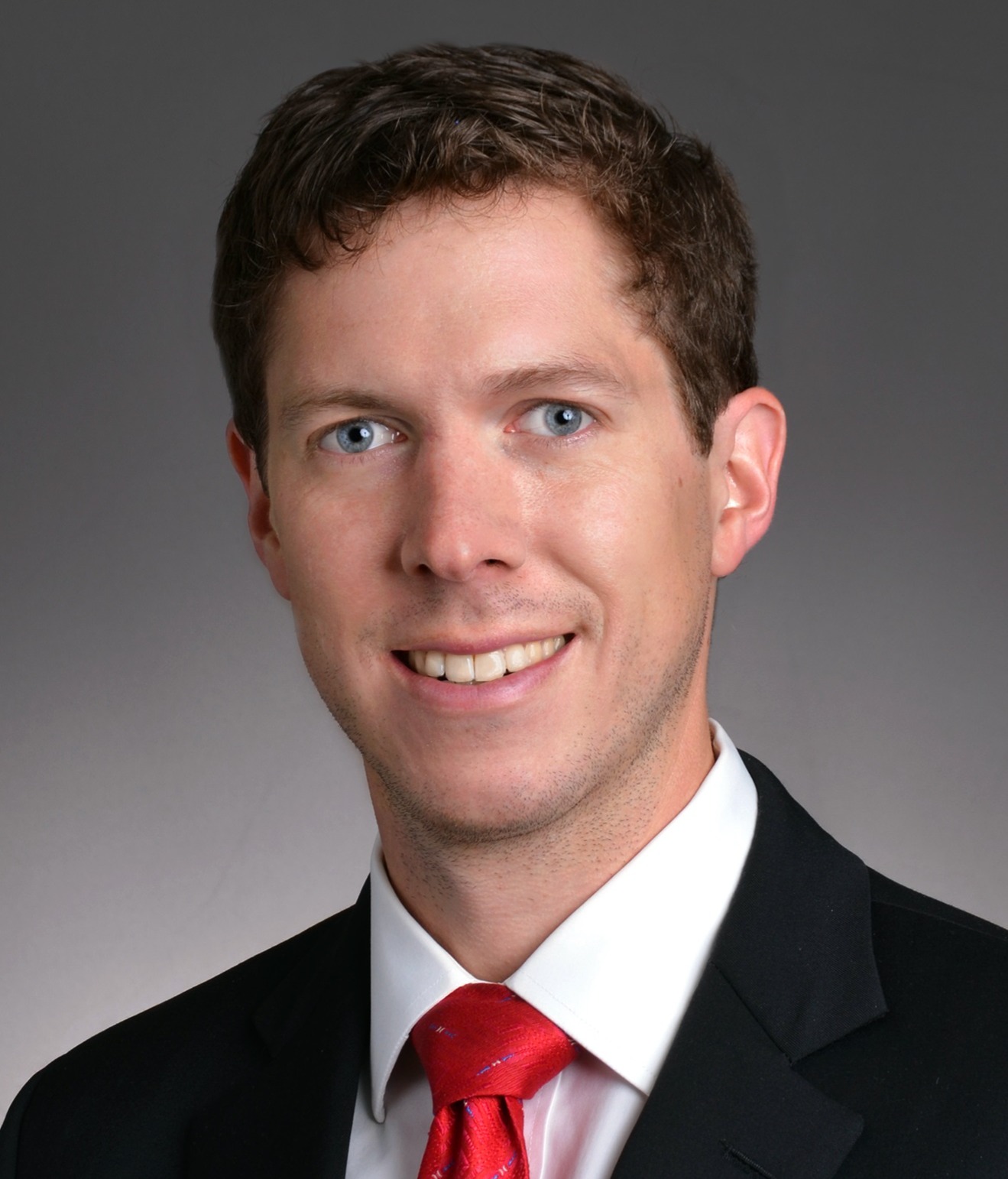
    William Harrison

    William HarrisonManaging Director, Product Recall Practice | Gallagher

    Bill Harrison is a leading expert in product recall and contamination insurance. He launched the first brokerage group focused on crisis risks like product contamination, recall, K&R, and terrorism. Now with Gallagher, Bill brings decades of experience from AIG, Aon, and Marsh to help clients manage complex product risk. He is also co-author of The Executive’s Desk Book on Corporate Risks and Response for Homeland Security.

  • Arson Investigations: Best Practices for Establishing Fraud and Avoiding Bad Faith

    Arson Investigations: Best Practices for Establishing Fraud and Avoiding Bad Faith

    Emerging Litigation Podcast

    Emerging Litigation PodcastProduced by HB Litigation

    Interviews with leading attorneys and other subject matter experts on new twists in the law and how the law is responding to new twists in the world.

    Interested in contributing an article? Email us at Editor@LitigationConferences.com.

    Arson Investigations

    Best Practices for Establishing Fraud and Avoiding Bad Faith 

    By: Melissa A. Segel

    Diligent claim handling means using all resources that the policy and applicable law provides while allowing inherent curiosity to lead to the proper legal and ethical conclusion.

    It has been decades since arson was graduated from a mere property crime to an economic crime, one that triggers many billions of dollars’ worth of fraudulent claims each year. Fortunately, the technologies available to investigate these pervasive criminal acts have evolved as well. When handling fire damage claims, however, the duties of insurance companies and best practices to mitigate risk remain as important as ever. 

    In 1979, the U.S. Senate conducted a study on the role of the insurance industry in dealing with arson for profit, noting the industry’s estimate of arson payouts for just one year, 1977, was $1.6 billion. That would be more than $8 billion today.  

    In 1980, the Bureau of Alcohol, Tobacco, Firearms and Explosives (ATF) ranked arson for profit among the nation’s fastest-growing crimes.  

    It was in 1996 that firefighting information service, Firehouse, declared that setting fires had evolved from a property crime into an “economic crime used to extort money from insurance companies.”  

    By 1998, property loss resulting from arson exceeded $3 billion ($7.5 billion in today’s money).  

    From 2014 to 2023 dollar-value losses due to residential arson increased by 26%.  

    In 2023, ATF estimated that 25% of all fires reported were due to arson.  

    Arsonists don’t just target buildings and structures. The Coalition Against Insurance Fraud reports that in 2020 nearly 9,000 car fires in the U.S. were set by arsonists.  

    Finding that arson was not only a serious economic crime but a blight on society, the recommendations that came out of the 1979 Senate investigation included a focus on underwriting practices, urging insurance carriers to develop systems to detect suspicious fires and encouraging the modification of privacy and fair claims practices laws.  

    It remains important today for insurance carriers to develop resources to protect themselves from this pervasive economic crime with prompt investigations, good faith claims handling, and vigorous defenses. Insurance carriers and their experts must stay up to date on the latest tools and technology available, including the use of artificial intelligence (AI), 3D scanning, mapping software, drone imaging and accelerant detection, alongside the tried-and-true methodologies such as canine alerts from trained arson dogs.  

    Establishing Arson Fraud 

    Typically, insurance companies do not file suit against their insureds for arson, instead choosing to deny and defend the claim without taking an affirmative action. If an insured files suit and the insurance company asserts an arson defense, East Park, Inc. v. Federal Insurance Co. (794 F.2d 616, 618–19 (11th Cir. 1986)) established that the defense must provide evidence that: (1) the fire was of incendiary origin, (2) the insured had the motive to have the fire set, and (3) either the insured had the opportunity to have the fire set or unexplained surrounding circumstantial evidence implicate the insured. Essentially, “evidence of incendiary origin and motive by themselves are not sufficient to establish an arson defense; there must be in addition some evidence which would link the suspect to the arson.” Georgia case law, based on Blackwell v. American Southern Ins. Co. (121 Ga. App. 671, 672 (1970)), also will not permit an insured to recover under a policy if a preponderance of credible evidence (direct or circumstantial) establishes that a loss was intentional and that an insured was involved in causing or procuring a loss.  

    Key elements for success in an arson fraud case include a prompt and thorough on-site investigation to establish that the fire was the result of an intentional human act, detailed witness interviews, and gathering admissible evidence to establish motive and opportunity. Insurance carriers should not rely on responding firefighters to establish that the fire was incendiary. Instead, once red flags are identified, insurance carriers should retain a qualified and independent origin and cause investigator to conduct a scene inspection and be prepared to testify and present evidence of their findings in court. Just as insurance carriers need to utilize new technology, origin and cause experts must as well. The NFPA 921 Guide for Fire and Explosion Investigations, widely recognized as the fire investigation “bible,” now includes updates on fire patterns, arc mapping and fire classification. Photographs and video tell a compelling story.  

    Claim representatives should also conduct prompt witness interviews, including of the insureds, but certainly should not leave out a thorough examination under oath (EUO) of the insured(s). An EUO is typically taken by legal counsel and is critical because unlike a recorded statement, an EUO can be useful as impeachment evidence should the matter go to trial. An EUO also gives insurance carriers earlier and broader access to information than a deposition. One example of the benefits of an EUO is that an insured may not invoke legal privileges, even the fifth amendment right against self-incrimination. Harary v. Allstate Ins. Co., 988 F. Supp. 93, 103 (E.D.N.Y. 1997), aff’d, 162 F.3d 1147 (2d Cir. 1998) (an insured may not use her Fifth Amendment privilege as a sword against her fire insurer); Pervis v. State Farm Fire and Cas. Co., 901 F.2d 944 (11th Cir. 1998) (holding that the fifth amendment privilege against self-incrimination did not excuse the insured from fulfilling his contractual obligation to answer questions that were material to insurer’s investigation during examination under oath). 

    Utilizing the resources of the policy’s cooperation requirements, insurance carriers should also demand that the insured fully cooperate and produce critical and relevant records and documents. This evidence can then be used to establish that the insured had both the motive and the opportunity to set the fire. Collected items should include activity records, such as phone records and social media posts, financial records showing income and expenditures, and documentation to support ownership of the items claimed. It is important to keep in mind that if an insured fails to cooperate, that in and of itself can provide the insurance carrier with an affirmative defense. Halcome v. Cincinnati Ins. Co., 254 Ga. 742, 344 S.E.2d 155 (1985); Allstate Ins. Co. v. Hamler, 247 Ga. App. 574, 545 S.E.2d 12 (2001); Diamonds & Denims v. First of Ga. Ins. Co., 203 Ga. App. 681, 417 S.E.2d 440 (1992).  

    Lawsuits and Bad Faith  

    If an insured files suit after a claim is denied for arson, pretrial discovery plays a critical role in uncovering fraud since the determination of whether an insurer’s decision was made in bad faith depends upon the sufficiency of its evidence in court, not the information it had at the time the claim was denied. Attorneys should seek legally credible and reliable copies of all documents used for the arson and fraud defense to ensure the records will be admissible in litigation. This includes getting certified copies of those phone records and bank statements secured in the preliminary investigation. It is important to document the claim file thoroughly with as much information as possible but also to understand that certain information may require a subpoena to be obtained from other sources if the claim progresses into litigation.  

    In order to avoid bad faith and potential extra-contractual penalties in this current litigious environment, insurance claim professionals must conduct their claim investigations while considering regulatory requirements, case law and industry standards, along with the potential legal ramifications for failing to adequately investigate suspicious claims. Most states have an unfair claims practices act or similar statute that penalizes insurance carriers who unreasonably fail to settle covered claims. See e.g. Georgia statutes O.C.G.A. §§ 33-4-6, 33-4-7. It is important to stay up to date on relevant state laws, both statutory and common law, to ensure compliance with processes and time limits. 

    Keep in mind that most states require an insurer to satisfy not only the bad faith statute’s procedural requirements but also its substantive requirements. For example, under Georgia law, there can be no finding of bad faith under O.C.G.A. § 33-4-6 if “it can be said as a matter of law that there was a reasonable defense which vindicates the good faith of the insurer,” and that “the insurer had reasonable and probable cause for making a defense to the claim.” Colonial Life & Accident Ins. Co. v. McClain, 243 Ga. 263, 265 (1979). Additionally, with no statutory definition of “bad faith,” Georgia courts have defined it as a “frivolous and unfounded refusal in law or in fact” to provide coverage according to the terms of the policy. See e.g. Interstate Life & Accident Ins. Co. v. Williamson, 220 Ga. 323 (1964). Furthermore, whether the insurer’s denial was “frivolous or unfounded” is determined based on the evidence presented at trial, not at the time the claim decision was made. Hudson v. State Farm Mut. Auto. Ins. Co., 201 Ga App. 351 (1991). 

    Investigating and Reporting Arson Fraud 

    While conducting thorough investigations to root out arson, carriers also must consider the potential exposure for failing to investigate claims, whether based upon a cost-benefit analysis or upon some urgency in processing claims, such as during a catastrophe. Arson and insurance fraud are crimes in every state. Many states have insurance fraud bureaus or departments that investigate illegal insurance activities (whether by carriers or by policyholders).  

    Several states require insurance carriers to have mandatory fraud plans and report insurance fraud when discovered. Many states have enacted legislation requiring insurance companies to notify law enforcement authorities when arson or fraud is suspected and to cooperate in third-party governmental investigations of arson and fraud claims while giving immunity from criminal or civil prosecution for such cooperation. See e.g. Georgia: O.C.G.A. §§ 25-2-33, 33-1-16; Florida: Fla. Stat. §§ 633.126, 626.989; Illinois: 215 ILCS 145/1, 215 ILCS 5/155.24; Michigan: MCLS §§ 29.4, 500.4509. However, such immunity from criminal and civil liability is often limited to insurance carriers who cooperate and report in good faith in the investigation of suspected arson and fraud.  

    Investigating arson and fraud is, in many states, an insurer’s obligation. “An insurance company has a ‘responsibility to marshal all … facts’ necessary to make a determination as to coverage ‘before its refusal to pay.’” Jones v. Alfa Mut. Ins. Co., 1 So. 3d 23, 36 (Ala. 2008) quoting Aetna Life Insurance Co. v. Lavoie, 505 So.2d 1050, (Ala.1987) (finding the question of bad faith could go to a jury when the evidence showed that the carrier failed to investigate the pre-loss condition of the house). 

    Insurance carriers should then follow the requirements of their respective state laws in releasing information to the authorized official, whether the state fire marshal, insurance commissioner or other law enforcement agency. For example, in Georgia, O.C.G.A. § 33-1-16 requires an insurer to comply with requests for information from the insurance commissioner and the commissioner’s investigative agents but does not provide a specific definition identifying the appropriate law enforcement authorities to whom an insurer may release information. Instead, the statute generally identifies qualified law enforcement agencies as any federal, state, county or consolidated police or law enforcement departments and any prosecutors or district attorneys. Thus, the list of individuals to whom insurance carriers may or are obligated to release information appears very broad.  

    Consequently, there is seemingly no limit on the number of governmental investigative agencies to which an insurer should produce its claims file. As such, for those insurance carriers who wish to rely upon the statute in reporting suspected arson or fraud to law enforcement authorities, it would probably be beneficial to narrowly construe the statute when providing information voluntarily.  

    In other words, if there is a question as to the propriety of voluntarily releasing information to a particular public authority not listed in the statute, the insurer should err on the side of caution and not voluntarily release that information.  

    Although certainly not a new problem, arson continues to be an ongoing concern for insurance companies. Diligent claim handling means using all resources that the policy and applicable law provides while allowing inherent curiosity to lead to the proper legal and ethical conclusion. 

    Key Takeaways

    • Arson is a serious economic crime that impacts society, necessitating robust underwriting practices in the insurance industry.

    • Insurance companies should utilize modern technology, such as AI, 3D scanning, drone imaging, and accelerant detection, to investigate suspicious fires.

    • Establishing an arson fraud case requires proving the fire’s incendiary origin, the insured’s motive, and their opportunity to set the fire.

    • Insurance carriers should promptly conduct thorough on-site investigations and witness interviews, including examinations under oath (EUO).

    • Failure of the insured to cooperate in the investigation can provide the insurance carrier with an affirmative defense.

    • Insurance carriers must adhere to regulatory requirements, case law, and industry standards to avoid bad faith and extra-contractual penalties.

    • Most states have laws requiring insurance companies to report suspected arson and fraud, with immunity often granted for good faith cooperation.

    • Thorough documentation and legally credible evidence are crucial for defending against claims of bad faith in court.


    Melissa A. Segel, a partner at Swift Currie, focuses her practice on insurance coverage matters with an emphasis on defending against bad faith and fraudulent claims, including those related to arson; automobile accidents; and theft in homeowner, business and auto insurance policies. She may be reached at melissa.segel@swiftcurrie.com. 

  • 2025 California Wildfires Prompt Wave of Suits

    2025 California Wildfires Prompt Wave of Suits

    Wildfire and Climate Change Posts

    HB Environmental Update | Tuesday, Feb. 3, 2026 | Climate Funding, Wind Power, Wild Horses, PFAS Regs, PFAS Settlement, and the Decades of Debate Over the Pollution Exclusion

    February 6th, 2026|

    HB Environmental Update Monday, Dec. 15, 2025 | Feds Step Back, States Step In, Courts Push Back, EPA Wavers

    December 13th, 2025|

    Montana Court Awards $2.9 Million in Fees to Youth Climate Plaintiffs After Landmark Constitutional Win

    November 16th, 2025|

    Insurance Coverage Litigation’s Modern Mayhem with Jeremy Moseley on the Emerging Litigation Podcast

    September 17th, 2025|

    Climate Change Law: Tension Increases Over Governmental and Corporate Responsibility

    August 8th, 2025|

    2025 California Wildfires Prompt Wave of Suits

    March 11th, 2025|

    22 States Sue New York Over Climate Fund, Calling It an ‘Unconstitutional Shakedown’

    March 3rd, 2025|

    Property Insurance Coverage for Emerging Risk of Underground Climate Change 

    July 8th, 2024|

    Property Insurance Coverage for Emerging Risk: Underground Climate Change

    January 31st, 2024|

    Natural Gas Bans and Bans on Bans

    September 25th, 2023|

    Climate Change, Property Rights, and Conservation: Highlights from a Decade of Environmental Law (2013–2023)

    June 16th, 2023|

    European Court of Human Rights to Hear Case on Climate Change by Victoria Kline

    April 7th, 2023|

    Greenhouse Gases Cited in Suit to Invalidate Drilling Leases

    April 2nd, 2023|

    Conservationists Try Again to Block Drilling in Alaska’s Western Arctic

    April 1st, 2023|

    Emerging Litigation Podcast

    Emerging Litigation PodcastProduced by HB Litigation

    Interviews with leading attorneys and other subject matter experts on new twists in the law and how the law is responding to new twists in the world.

    Interested in contributing an article? Email us at Editor@LitigationConferences.com.

    2025 California Wildfires Prompt Wave of Suits

    By Bret Thurman

    Power companies, once again, are the primary defendants.

    Ubi jus ibi remedium. Where there’s a wrong, there’s a remedy. This legal axiom is the basis of the dozens of lawsuits that have been filed against various entities who, according to the plaintiffs, share responsibility for starting the 2025 California wildfires. 

    The fires burned thousands of acres and damaged or destroyed thousands of homes and businesses. The blazes created vast clouds of smoke — laced with lead, asbestos, and other toxins — that shrouded much of Southern California.  We may not know the full extent of the damage and injuries for at least 50 years.  

    Ubi jus ibi remedium basically means nothing happens by accident. That’s especially true of a widespread disaster like wildfires, and what plaintiff attorneys are working to establish. The lawsuits, most of which are pending in Los Angeles, Orange, Riverside, San Bernardino, San Diego and Ventura Counties, name various defendants and rest upon several legal doctrines.

    Power Company Negligence

    Substantial evidence indicates that Southern California Edison (SCE), one of the area’s largest electrical power providers, negligently maintained power lines, towers, transformers, and other electrical system infrastructure. SCE is a public utility which operates with a monopoly guaranteed by the California Public Utilities Commission, which has exclusive power to refuse to issue certificates of public convenience and necessity to permit potential competition to enter the market.

    One of the latest “smoking guns” involves M16T1, a tower which had been inactive for more than fifty years. Shortly before the fires broke out, SCE recorded a fault on the power line which is located a few miles from Eaton Canyon.

    Further evidence of SCE’s alleged negligence may be its delay in shutting off power to the area. The fires began in the first week of January, 2025. Soon, over 35 were raging through the area. Yet SCE allegedly refused to cut power to the affected area for approximately three weeks. Such evidence could convince a jury that SCE negligently caused fires, and damages could be staggering.

    A California judge had ordered SCE to keep the power off in certain areas for at least 21 days, preserve critical infrastructure near the fire’s origin, and produce information concerning allegations that the company is destroying or concealing evidence. Most of this information is under seal, as the judge expressed concern about making discovery records public at such an early stage. 

    Many negligence lawsuits against SCE also cite violations of Section 2106 of the Public Utilities Code (exemplary damages if the negligent act or omission was willful), and Section 13007 of the Health and Safety Code (individual liability for any person who “willfully, negligently, or in violation of law” causes fire-related damage.

    Landlord Actions

    When a disaster occurs, many people try to take advantage of the situation for financial gain. Price-gouging gas stations are probably the best example. Immediately following the outbreak of the 2025 California wildfires, some area landlords increased rent by over 200 percent. In response, California lawmakers capped rent increases at 10 percent for thirty days.  On February 25, Strategic Actions for a Just Economy, a tenant advocacy group, filed an action against six Southern California landlords who allegedly increased rent in violation of this emergency order.

    Inverse Condemnation

    This doctrine, which is unique to California and similar to negligence per se, holds public utility companies, such as SCE, liable for wildfire damage as a matter of law.

    The City of Los Angeles’ Department of Water and Power is the primary defendant in these inverse condemnation claims. Plaintiffs argue the department’s mismanagement of water resources contributed to the fires. In an inverse condemnation claim, contributing to a problem is basically the same thing as causing that problem.

    Lawsuits often point to the controversial Santa Ynez Reservoir in Pacific Palisades. Shortly before construction began in the late 1960s, water department officials cited the need for a water supply to combat fires on the south slopes of the nearby Santa Monica mountains. But officials drained the reservoir in February 2024, citing contamination concerns. With this nine-acre, 117-million-gallon reservoir out of commission, firefighters were unable to quickly contain the 2025 California wildfires.

    Public Nuisance

    Pursuant to California Civil Code Section 3480, a public nuisance is any activity which “affects, at the same time, an entire community or neighborhood, or any considerable number of persons, although the extent of the annoyance or damage inflicted upon individuals may be unequal.” This provision, and its equivalent in the penal code (Section 372) usually involves neighborhood nuisances, like barking dogs, loud parties, and trash piles. However, these laws could also apply to wildfire damage. Possible defendants include SCE, the Water Department, and the California Public Utilities Commission. 

    Insurance Claims

    More than 37,000 wildfire compensation claims have been filed, with insurance companies paying out approximately $12.1 billion to affected individuals and businesses. Claims typically cover property damage, rebuilding costs, replacement of personal belongings, temporary living expenses, and medical expenses related to fire injuries. California laws now require insurance companies to make advance payments of 30% of the policy’s dwelling limit (up to $250,000) without itemized claims. Bad faith lawsuits have been filed against insurance companies for unfairly denying coverage or delaying payments.

    Case in Focus:
    Lutzow v. California Southern Edison

    Here are some details of a case brought against Southern California Edison for damages resulting from the Eaton Fire, alleging negligence and violations of public utility regulations. The plaintiff attorneys are attorneys at Diab & Chambers — which has handle many wildfire cases — and the wildly known Texas plaintiffs’ firm, Baron & Budd.

    The primary allegations in the complaint are: 

    • Inverse Condemnation: Plaintiffs allege that Southern California Edison (SCE) and other defendants’ electrical systems caused the Eaton Fire, resulting in the taking of Plaintiffs’ private property. ​ 
    • Negligence: Defendants failed to properly design, construct, inspect, maintain, repair, manage, and operate their electrical infrastructure, leading to the fire. ​ 
    • Trespass: Defendants negligently allowed the fire to spread to Plaintiffs’ properties. ​ 
    • Nuisance: Defendants’ actions created harmful conditions that interfered with Plaintiffs’ use and enjoyment of their property. ​ 
    • Violation of Public Utilities Code § 2106: Defendants failed to comply with the Public Utilities Act and related regulations. ​ 
    • Violation of Health & Safety Code § 13007: Defendants negligently allowed the fire to be set and escape to Plaintiffs’ properties. ​ 

    The laws or statutes cited include: 

    • California Civil Code § 1714(a) ​ 
    • Public Utilities Code §§ 702, 451, 2106 ​ 
    • Public Resources Code §§ 4292, 4293, 4894, 4435 ​ 
    • Health & Safety Code §§ 13001, 13007 ​ 
    • CPUC General Orders 95, 165 ​ 

    The plaintiffs are requesting the following damages or relief: 

    • Repair, depreciation, and/or replacement of damaged, destroyed, and/or lost personal and/or real property. ​ 
    • Loss of use, benefit, goodwill, and enjoyment of their property. ​ 
    • Loss of wages, earning capacity, and/or business profits. ​ 
    • Evacuation expenses and alternative living expenses. ​ 
    • Erosion damage to real property. ​ 
    • Past and future medical expenses. ​ 
    • General damages for personal injury, emotional distress, annoyance, disturbance, inconvenience, mental anguish, and loss of quiet enjoyment of property. ​ 
    • Attorneys’ fees, expert fees, consultant fees, and litigation costs. ​ 
    • Punitive and exemplary damages against SCE. ​ 
    • Prejudgment interest. ​ 
    • Any other relief deemed proper by the court. ​ 

    Conclusion

    Wildfires are happening with greater frequency and intensity. Climate change is exacerbating the issue, creating dryer conditions and more intense and sustained winds, all over longer stretches of time, i.e., it will always feel like it is fire season. With that will come more litigation — directly against responsible parties — and against insurance companies. It is also going to continue to affect the insurance market and real estate, and place increasing pressure on infrastructure. Health-related claims from exposure to toxic materials are an almost certainty.


    Bret Thurman is a Dallas-based legal writer who practiced law in Texas for over twenty years. His writing focuses on criminal defense, family law, consumer bankruptcy, and personal injury. He obtained his B.A. in history from Baylor University and his J.D. from the University of Texas at Austin. Bret is also an award-winning screenwriter and father of four. He can be reached at Editor@LitigationConferences.com.

    Edited by Tom Hagy. Updated March 13, 2025. 

  • Catastrophic Wildfires Recovery – Get the Most from Your Insurance Coverage

    Catastrophic Wildfires Recovery – Get the Most from Your Insurance Coverage

    Catastrophic Wildfires Recovery – Get the Most from Your Insurance Coverage

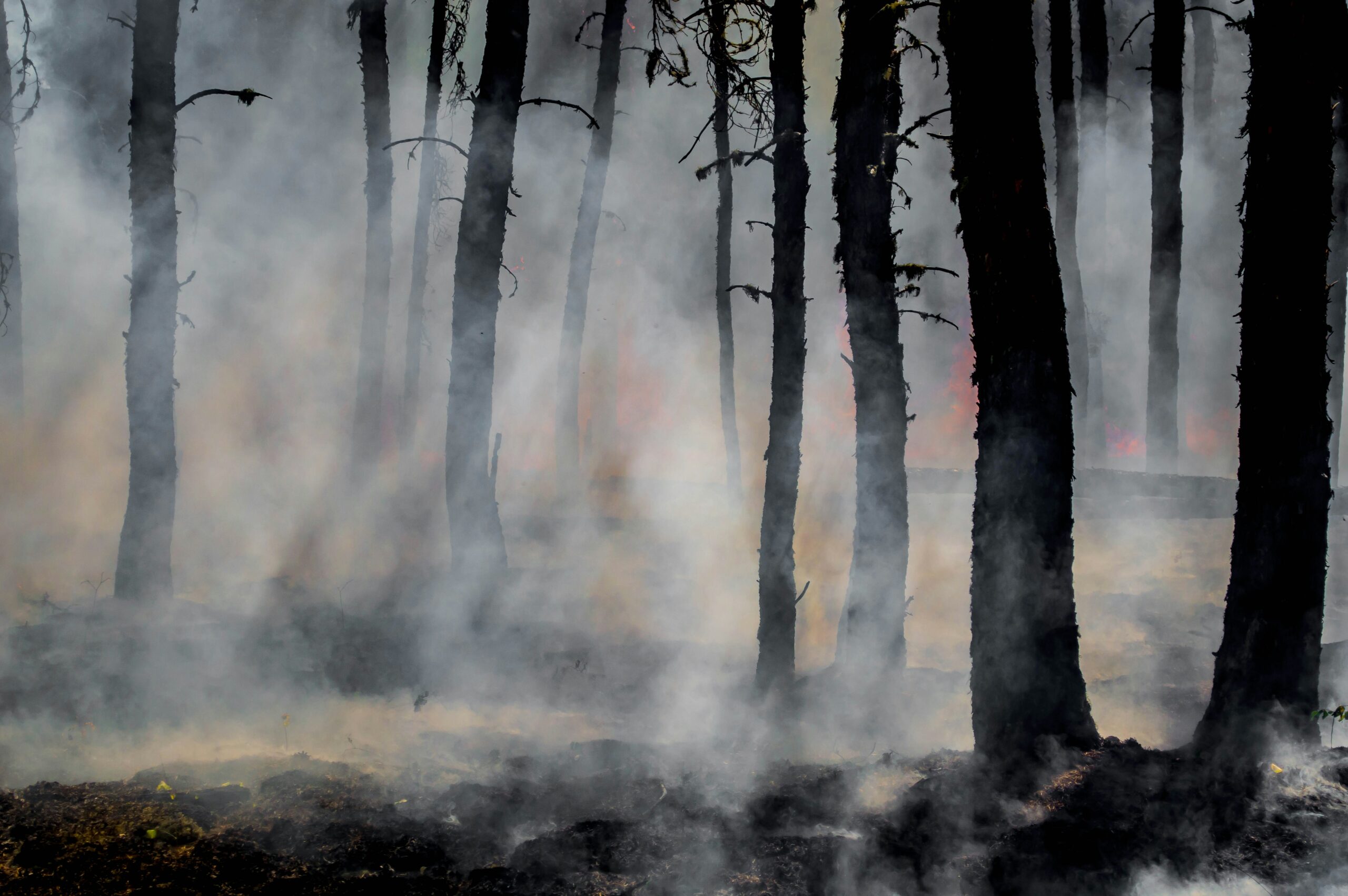
    A foggy forest landscape representing the aftermath and risk of wildfires for homeowners and businesses

    Gain an understanding of the complex insurance coverage and remediation issues arising from wildfire disasters, including property damage claims under commercial all-risk and homeowners insurance, valuation provisions like replacement cost and ACV, and time element coverages such as business income loss, civil authority coverage, and additional living expenses.

    This webinar addresses a host of insurance coverage and remediation issues stemming from the wildfire disasters. It focuses on property damage and remediation under various forms of property insurance including commercial all-risk coverage and homeowners insurance. Speakers address coverage issues involving valuation provisions such as replacement cost coverage, ACV, and ordinance and law coverage grants and limitations.  Time element coverage is also addressed as it appears in provisions promising protection for business income losses, CBI, ingress and egress coverage, service interruption, civil authority coverage, and loss of use/additional living expenses coverage

    The panel offers insights into the claims handling process, such as time sensitive clauses ranging from notice of claim to suit limitation provisions.  Claim investigation, adjustment, and forensic accounting aspects of property loss adjustment are also explained and commented on in detail. Policyholders and other stakeholders will benefit from insights on claim issues that arise in the context of largescale natural disasters, and steps policyholders – whether they are large organizations or individual homeowners – can take to position themselves for fair claim payments.  Additionally, the program outlines claim valuation and coverage dispute resolution options that may be available, as well as the potential for bad faith allegations.

    Learning Objectives

    Understand scope of coverage under commercial property and homeowners policies. Gain a clear perspective of what types of damages and losses are typically covered and time element protections for business interruption, civil authority, loss of use and other coverages that protect businesses and communities.

    Learn to assess policy limitations. Learn to identify common and misunderstood limitations in insurance policies that may affect coverage for wildfire-related claims.

    Know the recent case law. Review recent decisions that have shaped the current landscape of wildfire insurance coverage. Understand their implications for future claims.

    Gain insights to better navigate the claims process. Acquire practical tips and strategies for effectively managing and negotiating insurance claims related to wildfire damage, including documentation, communication with insurers, and dispute resolution.

    Understand how to preserve your rights. Addressing how to safeguard insurance and time sensitive fine print that is used to delay and void covered claims by the insurance industry, including notice of loss clauses, proofs of loss terms, suit limitation provisions and documenting cooperation and information flows during the claim adjustment process.

    Better comprehend loss adjustment, claim investigation and reaching fair valuations. This speaker addresses the inevitable arguments insurance companies use to limit claim payment for PD losses and time element coverages such as business interruption, civil authority, ingress/egress, and contingent business interruption coverage. Learn how to utilize these coverages to maximize recoveries after a disaster.

    Learn the value of public adjustors. This discussion will also address the efficient use of public adjustors to help policyholders prepare their claims and get a proper resolution of their reimbursement for covered losses.

    TAKE IT NOW

    Available now to CeriFi LegalEdge subscribers. Don’t subscribe? Don’t despair. Use code HB20 for 20% off. Or, HBSub20 for 20% off a full solo subscription. While supplies last.

    Speakers

    Dennis J. Artese

    Dennis J. ArteseShareholder, Anderson Kill P.C.

    Dennis Artese is a shareholder in Anderson Kill’s New York office and is chair of the firm’s Climate Change and Disaster Recovery practice group. Dennis has substantial experience in all phases of litigation, arbitration and property insurance appraisals, and has recovered hundreds of millions of dollars of insurance proceeds on behalf of policyholders in connection with a variety of property, builder’s risk, commercial general liability, umbrella and excess liability, D&O, E&O, crime, and political risk insurance claims. He earned his B.A. at the University of Connecticut and his J.D., cum laude, at St. John’s University School of Law.

    Marshall Gilinsky

    Marshall GilinskyShareholder, Anderson Kill P.C.

    Marshall Gilinsky is a shareholder at Anderson Kill’s Boston office, focusing on Insurance Recovery and Commercial Litigation. Co-chair of the firm’s Sexual Harassment and Abuse Insurance Recovery Group and Sports, Media, and Entertainment Group, Marshall has recovered hundreds of millions of dollars for clients during his 20-year career. He has represented clients on complex insurance claims related to major losses, including 9/11, Hurricane Katrina, Superstorm Sandy, and Boston’s “Big Dig.” He represents a diverse range of policyholders in high-stakes disputes. Marshall earned his B.S. from Cornell University and his J.D., with honors, from The George Washington University Law School.

    Joshua Gold

    Joshua GoldShareholder, Anderson Kill P.C.

    Joshua Gold is a shareholder in Anderson Kill’s New York office and serves as chair of the Cyber Insurance Recovery Group and co-chair of the Marine Cargo Insurance Group. He has represented numerous corporate and non-profit policyholders in various industries, with recoveries for his clients well in excess of $1.5 billion. Josh’s practice involves matters ranging from international arbitration, data security, directors and officers insurance, business income/property insurance, commercial crime insurance, admiralty, cargo, and marine insurance disputes. He earned his B.A. at the University of Massachusetts at Amherst and his J.D. at Benjamin N. Cardozo School of Law.

  • Property Insurance Coverage for Emerging Risk: Underground Climate Change

    Property Insurance Coverage for Emerging Risk: Underground Climate Change

    The Authors

    Dennis J. Artese

    Dennis J. ArteseAnderson Kill P.C.

    Dennis Artese is a shareholder in the New York office of Anderson Kill and Chair of the firm’s Climate Change and Disaster Recovery practice group. He is also co-chair of the firm’s Construction Industry practice group. Dennis’s national practice concentrates on all types of insurance recovery litigation, with an emphasis on securing insurance coverage for property and business interruption losses stemming from natural disasters and other perils as well as for construction-related first-party property losses and third-party liability claims.

    Ethan W. Middlebrooks

    Ethan W. MiddlebrooksAnderson Kill P.C.

    Ethan Middlebrooks is a shareholder in Anderson Kill’s New York office, where he concentrates his practice in insurance recovery, exclusively on behalf of policyholders. He is also a member of the firm’s COVID Task Group. Ethan has assisted numerous policyholders with insurance recovery on a range of matters, including first-party claims involving property and business interruption, and liability claims involving construction losses, D&O liability, educational management liability, and public officials’ liability.

    Thomas Dupont

    Thomas DupontAnderson Kill P.C.

    Tom Dupont is an attorney in Anderson Kill’s New York office. He focuses his practice on insurance recovery, exclusively on behalf of policyholders.

    The Journal on Emerging Issues in Litigation

    Emerging Litigation Podcast

    Emerging Litigation PodcastProduced by HB Litigation and Law Street Media

    Interviews with leading attorneys and other subject matter experts on new twists in the law and how the law is responding to new twists in the world.

    Property Insurance Coverage for Emerging Risk:

    Underground Climate Change

    If there is an abrupt collapse as a result of underground climate change under a policy containing an earth movement exclusion, construing the policy as a whole and giving effect to all terms wherever possible should, at a minimum, result in an ambiguity in the policy that is construed in favor of coverage.

    Abstract:

    Studies have shown that heat emanating from basements, train tunnels, sewers, and other underground systems in major metropolises in the United States and Europe is heating the ground between city surfaces and the bedrock by as much as 27 degrees Fahrenheit. This “underground climate change” is affecting ground soil conditions, causing structural strains on buildings and exacerbating cracks and defects in walls and foundations. Whether property insurance coverage will respond to loss and damage resulting from underground climate change will likely hinge on the application of the “earth movement” exclusion and potential exceptions thereto, in addition to other policy exceptions. Focusing on broad “all risk” commercial property insurance policies, this article analyzes permutations of policy language and state law that may affect coverage for damage caused by underground climate change, including how state law treats anti-concurrent causation clauses, whether “human-caused” exceptions to earth movement exclusions may apply to underground climate change, and whether “abrupt collapse” exceptions to exclusions for building collapse may apply when undetected structural damage triggered by underground climate change triggers collapse.

    Download the article now!

    Explore More from Anderson Kill!

    Podcast 1 of 2 series: Insurance Coverage with Dr. Jaana Pietari and Jim Fenstermacher and Litigation with Bob Chesler.

    Podcast 2 of 2 series: PFAS Insurance Coverage with Robert D. Chesler of Anderson Kill.

    Sister article to podcast 1 of 2 series: Remediating, Insuring, and Litigating PFAS Claims. Authors: Dr. Jaana Pietari, PhD, MBA, PE, Jim Fenstermacher, PE, Dr. Michael Bock, PhD, MS, Robert D. Chesler and Nicholas M. Insua, Sheila Mulrennan, Robin Kelliher, Jason R. Waters

    Podcast: Autonomous Vehicles: The New Technology Driving the Litigation Conversation Podcast with Cort Malone, John Leonard, Joshua Zelen

    Podcast: Violations of Biometric Privacy Laws: Policyholders’ Victories and the Implications Going Forward with John Leonard and Cort Malone

    Journal on Emerging Issues, Editorial Board of Advisors: Dennis Artese, Robert D. Chesler

    Asymmetrical Combat: Bad Faith Liability in Insurance Recovery Cases. By William Passannante

    Climate Change, ESG, and D&O Insurance: Collision or Cooperation? Authors: Robert Chesler, Dennis J. Artese, and Joseph Villa

    Litigation After Biometric Privacy Law Violations: Policyholder Victories and Their Implications. Authors: Cort T. Malone, Abigail Damsky

    Protecting Policyholders as AI Is Developed for Insurance Claims Handling – Ensuring “Decency and Humanity” in the Digital Age. Authors: Marshall Gilinsky, Madison Marlow

    Police–The Environmental, Social, and Governance Police Have Arrived: Is your Insurance Ready. Authors: Dennis Artese, Bob Chesler

    How Insurance Companies Defraud Their Policyholders, and What Courts and Legislators Should Do About It. Authors: Robert Chesler, Amy Weiss, and Jade Sobh

    The Promise and Peril of Quantum Computing and Its Implications for Cyber Insurance. By Cameron R. Argetsinger

    The Use and Abuse of the Pollution Exclusion. Authors: Dennis Artese, Jamie O’Neil, Robert Chesler

  • Ohio Supreme Court Ruling Sends Important Reminder: Long-Standing, Fundamental Principles of Insurance Policy Construction and Law Are Applicable to Cyber Claims

    Ohio Supreme Court Ruling Sends Important Reminder: Long-Standing, Fundamental Principles of Insurance Policy Construction and Law Are Applicable to Cyber Claims

    The Authors

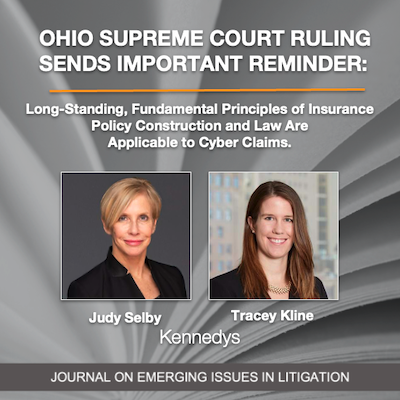
    Judy Selby

    Judy SelbyKennedys

    Judy Selby (judy.selby@kennedyslaw.com) is a Partner at Kennedys (New York) where she focuses her practice primarily on insurance coverage matters with a concentration in coverage for exposures arising out of emerging technology, digital, and compliance risks.

    Tracey Kline

    Tracey KlineKennedys

    Tracey M.Kline (tracey.kline@kennedyslaw.com) is an Associate at Kennedys (Philadelphia) where she focuses her practice primarily on insurance coverage litigation and cyber matters.

    The Journal on Emerging Issues in Litigation

    Emerging Litigation Podcast

    Emerging Litigation PodcastProduced by HB Litigation and Law Street Media

    Interviews with leading attorneys and other subject matter experts on new twists in the law and how the law is responding to new twists in the world.

    Ohio Supreme Court Ruling Sends Important Reminder:

    Long-Standing, Fundamental Principles of Insurance Policy Construction and Law Are Applicable to Cyber Claims

    Abstract: On December 27, 2022, the Ohio Supreme Court unanimously ruled that a business owner’s property insurance policy issued by Owners Insurance Co. to EMOI Services, LLC did not afford coverage for losses sustained in a ransomware attack because computer software is “entirely intangible” and “cannot experience ‘direct physical loss or physical damage.’” EMOI Servs., LLC. v. Owners Ins. Co., 2022-Ohio-4649 (Ohio 2022). In doing so, the court reversed an attention-getting split decision by the lower appellate court. This article takes an in-depth look at the case and discusses its significant implications.

    The Ohio Supreme Court’s decision was based on its commonsense conclusions that software (as intangible property) cannot suffer physical damage, and that coverage for restoration of information under the Electronic Equipment Endorsement could not be triggered absent the threshold requirement of “direct physical loss or damage” to the media on which the information was stored. Although claims involving cyber events may be relatively new, this decision is an important reminder that long-standing, fundamental principles of insurance policy construction and law are applicable to cyber claims.

    Download the article now!

  • Autonomous Vehicles: The New Technology Driving the Litigation Conversation

    Autonomous Vehicles: The New Technology Driving the Litigation Conversation

    The Authors

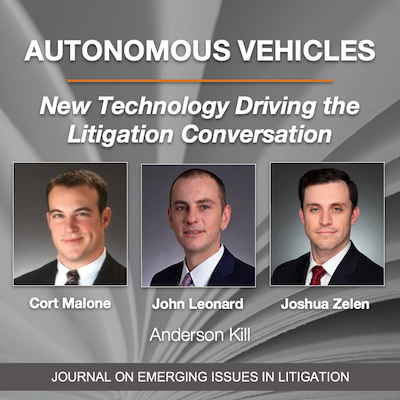
    Cort Malone

    Cort MaloneAnderson Kill

    Cort T. Malone (cmalone@andersonkill.com) is a shareholder in the New York and Stamford offices of Anderson Kill and practices in the Insurance Recovery and the Corporate and Commercial Litigation Departments. An experienced litigator, he focuses on insurance coverage litigation and dispute resolution, with an emphasis on commercial general liability insurance, directors and officers insurance, employment
    practices liability insurance, advertising injury insurance, and property insurance issues.

    John M. Leonard

    John M. LeonardAnderson Kill

    John M. Leonard (jleonard@andersonkill.com) is a shareholder in Anderson Kill’s New York, New York, office, where he handles a full spectrum of insurance coverage matters, such as business interruption losses, D&O and E&O, commercial general liability, environmental liability.

    Joshua A. Zelen

    Joshua A. ZelenAnderson Kill

    Joshua A. Zelen (jzelen@andersonkill.com) is a law clerk pending admission in Anderson Kill’s New York office. He focuses his practice on insurance recovery.

    The Journal on Emerging Issues in Litigation

    Emerging Litigation Podcast

    Emerging Litigation PodcastProduced by HB Litigation and Law Street Media

    Interviews with leading attorneys and other subject matter experts on new twists in the law and how the law is responding to new twists in the world.

    Autonomous Vehicles: The New Technology Driving the Litigation Conversation

    “The AEV Act requires a policyholder’s insurance company to cover third-party damage caused by a self-driving automated vehicle. A policy may not exclude such damages, except for damages suffered as a direct result of software alterations made without the policyholder’s knowledge, or failure to install safety-critical software updates.”

    Abstract: So far, Congress has not been able to pass regulations governing the emergence of self-driving or autonomous vehicles. Twenty-one states and the United Kingdom are leading the way. As more of these vehicles take to the highway implications will emerge for the insurance industry. Auto
    insurance policies will have to determine how to insure against losses caused by nonhuman operators, commercial general liability policies will be affected when technology developers and car makers are sued for bodily injury and property damage arising from malfunctioning technology, and cyber policies could be implicated in the event of hacks or data breaches. The authors review these subjects and share their insights into what autonomous vehicle producers should consider when it comes to mitigating their risk.

    Download the article now!

    Read, listen, explore more content on the subject!

    Podcast: Biometric Privacy Litigation and Coverage Disputes with John Leonard and Cort Malone

    JEIL: Litigation After Biometric Privacy Law Violations: Policyholder Victories and Their Implications. Co-authors Cort Malone and Abigal Damsky 

    JEIL: Biometric Privacy Laws: Companies Will Need Insurance as Protection From New and Expanding Liability. Co-authors Cort Malone and Jade Sobh

    Podcast: Autonomous Vehicles: The New Technology Driving the Litigation Conversation with John Leonard and Cort Malone

    Tags

    Emerging Litigation & Risk Compliance Litigation & appeals Cybersecurity Data Privacy Artificial Intelligence (AI) Insurance Companies Risk Management Corporate & Securities Insurance Claims Recovery Regulations Data Breach Toxic Torts Antitrust Legal Tech Product Liability Settlements Trial Personal Injury Privacy Healthcare Per- and Polyfluoroalkyl Substances (PFAS) Data Analytics Arbitration Constitutional Law Climate Change Cannabis Labor Law Insurance Fraud Liability Claims COVID Alternative Dispute Resolution (ADR) Mediation Diversity Equity Inclusion (DEI) Claims management Professional Liability Legal Research & Writing Business Interruption Law Practice Management Trial Skills Property and Casualty Drug Laws Copyright Law Catastrophic Loss

  • Wildfire Claims and Coverage

    Wildfire Claims and Coverage

    The Authors

    Scott DeVries

    Scott DeVriesHunton Andrews Kurth LLP

    Scott P. DeVries (sdevries@huntonak.com) is a special counsel
    in the Hunton Andrews Kurth LLP’s Insurance Coverage group in the
    firm’s San Francisco office where he exclusively represents policyholder
    clients. An experienced trial and appellate lawyer who has served as lead
    counsel in landmark appeals in the field of insurance coverage in the
    California Supreme Court, the Ninth Circuit, and the California Court
    of Appeal, as well as high-value jury trials, Scott routinely represents
    clients throughout the country seeking recovery from their insurers
    on a wide range of insurance issues arising under first-party property
    policies, comprehensive general liability policies, directors and officers
    policies, EPLI policies, crime policies, crypto and digital asset policies,
    and cyber policies.

    Yosef Itkin

    Yosef ItkinHunton Andrews Kurth LLP

    Yosef Itkin is an associate in Hunton Andrews Kurth LLP’s Insurance Coverage group in the firm’s Los Angeles office. His practice focuses on representing and advising
    corporate policyholders in complex insurance coverage matters.

    The Journal on Emerging Issues in Litigation

    Emerging Litigation Podcast

    Emerging Litigation PodcastProduced by HB Litigation and Law Street Media

    Interviews with leading attorneys and other subject matter experts on new twists in the law and how the law is responding to new twists in the world.

    Wildfire Claims and Coverage

    “The wildfires are causing enormous losses for innumerable businesses on the West Coast. Often, you should be able to work with your adjuster to reach a satisfactory resolution. But where needed, you may wish to reach out to policyholder-side lawyers—whether to test what you may be entitled to or to help maximize recovery.”

    Abstract: Wildfires destroy millions of acres a year in the United States, spewing smoke across much of the nation. The cost of damage alone over the past several years soars into the hundreds of billions. When policyholders turn to their insurers many benefit from the coverage they wisely secured. But not all policyholders get the coverage they believe they paid for. When and how they present their claims is a critical factor. In this article, the authors strive to provide a comprehensive understanding of coverage risks, the regulatory landscape, and navigating the all-important claims process. 

    Sparked by lightning storms, devastating wildfires claimed more than 10 million acres in 2020, releasing substantial amounts of smoke above the western United States. Accuweather founder and CEO Dr. Joel N. Myers called 2020 “the worst fire season in history,” and estimated that the total damage and economic loss would be between $130 billion and $150 billion. And 2021 was not any better. According to the Insurance Information Institute, in 2021, while the hottest temperatures on record were recorded in California, Nevada, Oregon, Washington, and Arizona, and drought conditions reached an all-time high, the number of wildfires remained approximately the same (58,900) although the number of acres destroyed reduced to 7.1 million acres from the year before. Some of the wildfires were among the largest on record with the Bootleg Fire in Oregon destroying 400,000 acres and the Marshall Fire in Colorado causing an estimated $1 billion in losses.

    Fortunately, many individuals and businesses are fully insured, and most insurance companies work with policyholders to process claims and help them rebuild and get them back up and running. However, it does not always work that way for every insured. While property insurance may cover much of the losses from wildfires and other catastrophic events, not every policyholder is made whole or anything approaching this. And even for those that are fully insured, when and how to present a claim can materially affect how much they recover and when. This can be extraordinarily difficult at any time, but especially when a fire has destroyed everything.

    Download the article now!

  • Despite Relative Inactivity on the Virtual Front in Ukraine, Russia’s Global Cyber-Attacks are Coming

    Despite Relative Inactivity on the Virtual Front in Ukraine, Russia’s Global Cyber-Attacks are Coming

    Editor

    Tom Hagy

    Tom HagyHB Founder

    Tom is HB’s Founder and Managing Director. His career in litigation content spans four decades during which he was editor, managing editor, and finally publisher at Mealey’s Litigation Reports. After Mealey’s was acquired by LexisNexis Tom became a vice president involved in creating new content and services at the legal research and services giant. He has always overseen or directly created articles, blogs, conferences, webinars, data collections, and now podcasts — all on litigation. Tom founded HB in 2008, and four years later he founded Custom Legal Content, a boutique content creation shop serving boutique and specialized legal practices and litigation services. In addition to his work at HB and CLC, Tom is Editor in Chief of the Journal on Emerging Issues in Litigation, and host of the Emerging Litigation Podcast. For years he was a leader in an international specialized publishing association, frequently speaking and writing about publishing, and is now active in an open community of content and event producers called Renewd. Sometime during the last millennium Tom proudly graduated with a B.A. in Communications from Bethany College in West Virginia.

    The Journal on Emerging Issues in Litigation

    Emerging Litigation Podcast

    Emerging Litigation PodcastProduced by HB Litigation and Law Street Media

    Interviews with leading attorneys and other subject matter experts on new twists in the law and how the law is responding to new twists in the world.

    Despite Relative Inactivity on the Virtual Front in Ukraine, Russia’s Global Cyber-Attacks are Coming

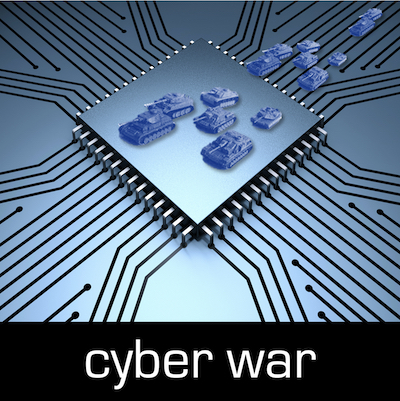
    Cyber WarSince his cyber-war capabilities seem to have worked well for him, why isn’t Vladimir Putin launching more cyber-attacks against Ukraine and its allies? Reports suggest he didn’t think he’d need them, plus they take time to execute. Other reports suggest he is trying to get some cyber damage on the scoreboard. Maybe the actual disruption to Ukraine from tanks and bombs, even though the Ukrainians aren’t giving him the satisfaction of a clean and easy parade-style invasion, could be redundant.

    But many experts did think that much of Russia’s invasion – and Ukraine’s defense –  would take place in cyberspace. Some of that is happening, but there are reasons Russia hasn’t launched large-scale attacks. Kyle Fendorf and Jessie Miller wrote for the Council on Foreign Relations on March 24, 2022, that reasons include “the higher efficacy of kinetic attacks and difficulties in planning and executing massive cyberattacks in a short timeline.” Ukraine, meanwhile, has taken a novel approach: “attempting to mobilize international sentiment” to “create an army of cybersecurity professionals to attack military and critical infrastructure targets in Russia.” Fendorf and Miller list several Russian efforts, including DDoS attacks on Ukrainian banking and defense websites. And hackers like Anonymous have “declared war” on Russia. The group has taken credit for several successes, including interrupting television broadcasts with clips from the war and leaking thousands of confidential government files.

    According to Reuters, the pro-Ukraine cyber assaults are hitting their targets, saying Russian government websites are facing “unprecedented cyber-attacks.” Relying on the Russian news agency TASS, websites for the Aeroflot airline, the Sberbank bank, and the Kremlin itself have experienced “outages and temporary access.” The Kremlin, facing greater isolation from global financial systems and supply chains, is taking steps to bolster its IT sector, such as tax breaks and easier access to lending, Reuters reports.

    President Biden has warned U.S. organizations to “lock their digital doors” for fear of a Russian cyber-attack, adding that “evolving intelligence” indicates attacks are coming.

    As quoted in Politico, Jen Easterly, director of the Cybersecurity and Infrastructure Security Agency, told 13,000 participants on a recent call that we should “assume that disruptive cyber activity will occur: and “we should consider every sector vulnerable.”

    On March 24, the Department of Justice Department unsealed two indictments charging four Russian nationals working for the Kremlin with “attempting, supporting and conducting” cyber-attacks on the global energy sector between 2012 and 2018. The targets were hundreds of organizations in 135 countries, including the U.S. Nuclear Regulatory Commission and a Kansas power plant.  “The potential of cyberattacks to disrupt, if not paralyze, the delivery of critical energy services to hospitals, homes, businesses and other locations essential to sustaining our communities is a reality in today’s world,” said U.S. Attorney Duston Slinkard for the District of Kansas.

    BBC News reported that Ukraine “has remained relatively untroubled” by Russia’s cyber weapons, but “experts now fear that Russia may go on a cyber-offensive against Ukraine’s allies. The BBC News article reminds us of the three types of Russian cyber-attacks “the West fears most,” detailing Russia’s takedown of Ukraine’s electricity grid in 2015 in an attack called BlackEnergy; the “most costly” attack in cyber history called NotPetya, a worldwide computer killer that caused $10 billion in damage, followed by WannaCry which scrambled data in 150 countries; and the one executed by a Russian criminal organization called DarkSide which caused a state of emergency in the U.S. in May 2021 when their ransomware strike shut down the vital Colonial Pipeline.

    The insurance industry, which is always impacted by any global calamity, man-made or natural, is also worried about a parallel cyberwar. Ben Dyson, a reporter for S&P Global Market Intelligence, wrote on March 28, 2022, that while the industry’s direct exposures to Russian and Ukrainian cyberrisk “is likely small,” the larger risk is the “potential for spillover” to networks in other countries. “The insurance industry can look back to at least one precedent for a cyberattack related to the wider conflict between Ukraine and Russia having global implications: the 2017 NotPetya malware attack. NotPetya spread to thousands of companies globally, handing the insurance industry a $3 billion claims bill and its first taste of a cyber catastrophe. NotPetya occurred in relative peacetime and was largely covered by cyber-specific policies.”

    Attorney Vincent Vitkowsky, in an article for the Insurance Journal posted on March 25, 2022, agreed that Russia may try to turn up the stress of other countries if the war drags on. “After the conflict ends, however it ends, Russia will be the object of extreme resentment and suspicion. It may launch cyberattacks to increase disorder, believing that an environment of disorder would be serve its position as a significant power.” Vitkowsky said new cyber weapons will only make the threats worse, such as “zero click vulnerabilities” which don’t even need the help of an unsuspecting employee to click on a link, and the so-called HermeticWizard, “a new strain of software designed to autonomously spread another strain, HermeticWipe, to computers in a network.”  He writes that carriers face exposure to losses from direct or indirect cyberattacks against their insureds globally, but says the so-called War Exclusions “may mitigate that exposure,” then goes on to explain how in his article. [Vince is a member of the Editorial Board of Advisors for the Journal on Emerging Issues in Litigation.]

    FT technology correspondent Hannah Murphy asked Kevin Mandia, the founder of cyber security company Mandiant (which was just acquired by Google for $5.4 billion) about the current state of the cyber conflict between nations.

    The current state feels like, Mandia said, “braced for impact.”

    The cybersecurity expert noted operation “Shields Up” by the Cybersecurity and Infrastructure Security Agency, plus all of the private and public players in the West and NATO, “all watching the cyber domain waiting for what happens.” He sees the war in Ukraine as “an opportunity for us to figure out what is the new normal because we’re used to conflict being air, land, sea, maybe a little bit of space . . . but a cyber domain is part of that conflict, too.” He went on to say, however, he’s “not sure everyone’s got fully fleshed-out strategies for how to do warfare in the cyber domain, and when to bring it to bear.”

    He predicted that if Russia wants to retaliate against sanctions and embargoes, a cyber-attack is “probably the first tool that might be chosen.”

    What do you think?

  • The Shifting Gun Liability Landscape: Plaintiffs Say Companies are Marketing Illegally, Insurers End Up Paying

    The Shifting Gun Liability Landscape: Plaintiffs Say Companies are Marketing Illegally, Insurers End Up Paying

    The Author

    Charlie Kingdollar

    Charlie KingdollarInsurance Industry Expert

    Charlie spent more than four decades with General Reinsurance, three-quarters of which as the company’s Emerging Issues Officer. One colleague described him as “one of the most prescient and gifted industry futurists I have met in my 36 year professional career within the insurance industry. Entertaining and insightful, his ability to digest and communicate complex issues, many before they are readily apparent, is both a gift and a talent.” Charlie is also a member of the Editorial Board of Advisors for the Journal on Emerging Issues in Litigation.

    The Shifting Gun Liability Landscape: Plaintiffs Say Companies are Marketing Illegally, Insurers End Up Paying

    By Charlie Kingdollar

    On Feb. 15, 2022, Remington Arms, manufacturer of the Bushmaster AR15-style rifle agreed to pay $73 million to settle a lawsuit filed by the families of nine of the victims of the Dec. 14, 2012, Sandy Hook Elementary School shooting. The $73 million will be paid by four of Remington’s insurers (and likely their reinsurers).[i]

    Why is this a big deal? Insurers and reinsurers providing liability coverage for gun manufacturers did so believing that federal law protected gun manufacturers from liability arising from shootings under the federal Protection of Lawful Commerce in Arms Act (PLCAA). It seems likely that policy terms and conditions as well as pricing of the risk reflected that perceived liability protection.

    Things have changed. The Connecticut plaintiffs filed their suit under the Connecticut Fair Trade Practices Act. The plaintiffs alleged that the Bushmaster was a combat weapon and that Remington improperly marketed it to civilians – particularly trying to reach young men. In 2019, the Connecticut Supreme Court ruled that the federal PLCAA did have some carve-outs for state laws and subsequently declined Remington’s request to dismiss the lawsuit. It seems a safe bet that the families of other Connecticut gun violence victims will file similar suits over past and/or future incidents.

    Okay, so this is Connecticut. But it seems likely that this lawsuit will be used as a template by plaintiffs in other states that have similar statutes – and many do. This lawsuit and settlement could result in burgeoning litigation against gun manufacturers.

    Presumably, even a single victim shot with a Bushmaster, or any gun that could be argued is a combat weapon, could file a similar suit under a state’s Fair Trade Practices Act.

    Which other guns could be deemed “combat weapons” and therefore unfit for civilian populations? Only time and future litigation will tell. One possible example is the WEE1 Tactical, the manufacturer of the AR-15, which is similar to the Bushmaster, may find itself facing litigation. A look at AR-15-style guns on Wikipedia results in a list of 27 guns by 26 manufacturers – and I doubt this is a comprehensive list.[ii] Would a machine pistol be considered a “combat weapon”? How many other types of firearms might be deemed “combat weapons”?

    WEE1 Tactical has recently begun advertising the JR-15 – a smaller, lighter version of the AR-15 that fires smaller .22 caliber rounds for use by children. WEE1’s website states: “The JR-15 is the first in a line of shooting platforms that will safely help adults introduce children to the shooting sports.”[iii] Given that the plaintiffs in the Sandy hook case stressed the firm was specifically marketing the Bushmaster to young men it will be interesting to see how this marketing strategy will play out in any future similar litigation.

    There’s been another crack in the perceived liability protection afforded to gun manufacturers in the U.S.  Last year the State of New York enacted a law that “would classify the illegal or improper marketing or sale of guns as a nuisance…that supporters said would bolster litigation against gun companies.”[iv]

    Will other states follow? If even a few enact similar statutes, the defense and indemnity costs could be significant to the gun manufacturers and their insurers and reinsurers.

    Bushmaster has settled once before with the families of victims shot by one of its guns. In 2004, the company agreed to pay $2.5 million to settle with the families of victims shot by the D.C. sniper.[v] Not much changed after that settlement. It may be different this time.

    What about other entities in the gun liability chain? If the gun manufacturer can be held libel for marketing a combat weapon to civilians, can wholesalers and retailers also be found liable?  Could courts find that these companies also played a role in putting “combat weapons” into the hands of civilians?  If so, the costs to the Property/Casualty insurance industry will be greater.

    Unfortunately, mass shootings and gun violence are on the rise in the United States. The number of mass shootings (defined as 4 or more people shot – killed or wounded) have increased every year except one from 2014 to 2021. In 2014 there were 269 mass shootings in the U.S.  By 2021, this increased to 691 mass shootings. There have been 2,402 mass shootings in the U.S. in the past five years. And we’ve only mentioned mass shootings incidents.[vi]

    Gun violence generally continues to rise. “Guns were involved in 75% of all homicides and 91% of homicides involving youths between 2018 and 2019 … those new numbers represent a significant and troubling uptick from a decade before.”[vii]

    I suspect insurers and reinsurers providing liability for companies that manufacture and sell guns find themselves as defendants in an increasing number of lawsuits.

    [i] https://www.washingtonpost.com/nation/2022/02/15/remington-sandy-hook-settlement/

    [ii] https://en.wikipedia.org/wiki/AR-15_style_rifle

    [iii] https://en.wikipedia.org/wiki/AR-15_style_rifle

    [iv] https://www.nytimes.com/2022/02/15/nyregion/sandy-hook-families-settlement.html?referringSource=articleShare

    [v] https://www.washingtonpost.com/nation/2022/02/15/remington-sandy-hook-settlement/

    [vi]   https://www.gunviolencearchive.org/

    [vii]   “Gun Deaths Continue to Rise In American Cities,” U.S. News, 1/10/22