Tag: Catastrophic Loss

  • Catastrophic Wildfires Recovery – Get the Most from Your Insurance Coverage
    Catastrophic Wildfires Recovery – Get the Most from Your Insurance Coverage

    Catastrophic Wildfires Recovery – Get the Most from Your Insurance Coverage

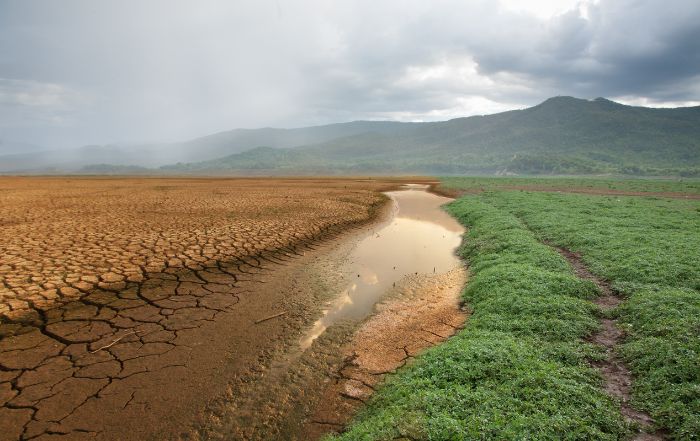
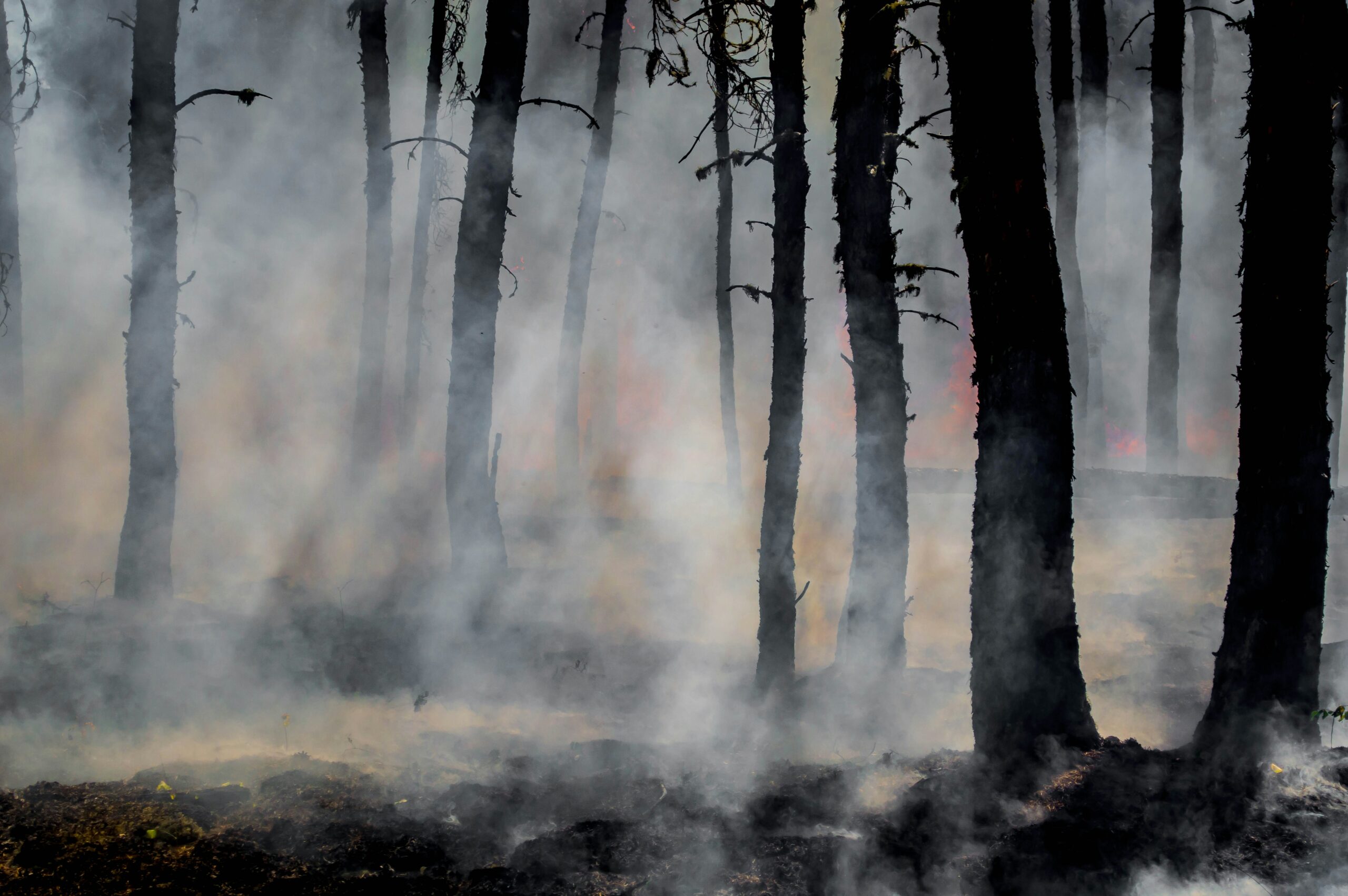
    A foggy forest landscape representing the aftermath and risk of wildfires for homeowners and businesses

    Gain an understanding of the complex insurance coverage and remediation issues arising from wildfire disasters, including property damage claims under commercial all-risk and homeowners insurance, valuation provisions like replacement cost and ACV, and time element coverages such as business income loss, civil authority coverage, and additional living expenses.

    This webinar addresses a host of insurance coverage and remediation issues stemming from the wildfire disasters. It focuses on property damage and remediation under various forms of property insurance including commercial all-risk coverage and homeowners insurance. Speakers address coverage issues involving valuation provisions such as replacement cost coverage, ACV, and ordinance and law coverage grants and limitations.  Time element coverage is also addressed as it appears in provisions promising protection for business income losses, CBI, ingress and egress coverage, service interruption, civil authority coverage, and loss of use/additional living expenses coverage

    The panel offers insights into the claims handling process, such as time sensitive clauses ranging from notice of claim to suit limitation provisions.  Claim investigation, adjustment, and forensic accounting aspects of property loss adjustment are also explained and commented on in detail. Policyholders and other stakeholders will benefit from insights on claim issues that arise in the context of largescale natural disasters, and steps policyholders – whether they are large organizations or individual homeowners – can take to position themselves for fair claim payments.  Additionally, the program outlines claim valuation and coverage dispute resolution options that may be available, as well as the potential for bad faith allegations.

    Learning Objectives

    Understand scope of coverage under commercial property and homeowners policies. Gain a clear perspective of what types of damages and losses are typically covered and time element protections for business interruption, civil authority, loss of use and other coverages that protect businesses and communities.

    Learn to assess policy limitations. Learn to identify common and misunderstood limitations in insurance policies that may affect coverage for wildfire-related claims.

    Know the recent case law. Review recent decisions that have shaped the current landscape of wildfire insurance coverage. Understand their implications for future claims.

    Gain insights to better navigate the claims process. Acquire practical tips and strategies for effectively managing and negotiating insurance claims related to wildfire damage, including documentation, communication with insurers, and dispute resolution.

    Understand how to preserve your rights. Addressing how to safeguard insurance and time sensitive fine print that is used to delay and void covered claims by the insurance industry, including notice of loss clauses, proofs of loss terms, suit limitation provisions and documenting cooperation and information flows during the claim adjustment process.

    Better comprehend loss adjustment, claim investigation and reaching fair valuations. This speaker addresses the inevitable arguments insurance companies use to limit claim payment for PD losses and time element coverages such as business interruption, civil authority, ingress/egress, and contingent business interruption coverage. Learn how to utilize these coverages to maximize recoveries after a disaster.

    Learn the value of public adjustors. This discussion will also address the efficient use of public adjustors to help policyholders prepare their claims and get a proper resolution of their reimbursement for covered losses.

    TAKE IT NOW

    Available now to CeriFi LegalEdge subscribers. Don’t subscribe? Don’t despair. Use code HB20 for 20% off. Or, HBSub20 for 20% off a full solo subscription. While supplies last.

    Speakers
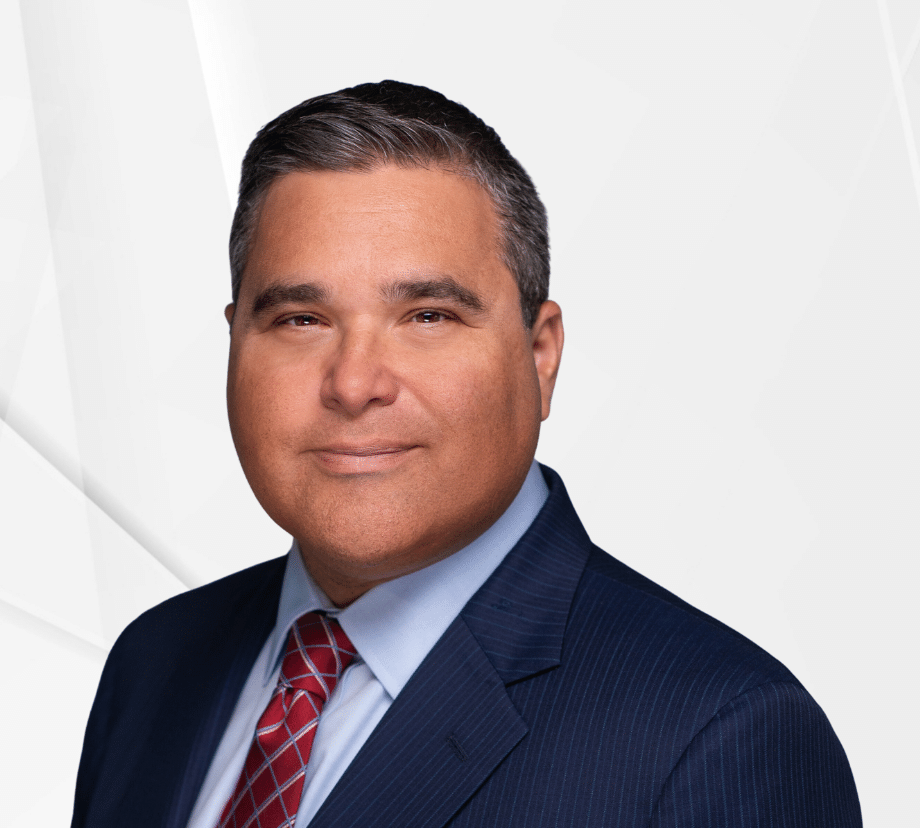
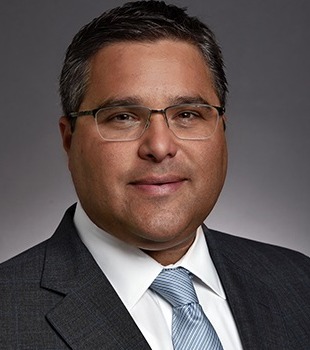
    Dennis J. Artese

    Dennis J. ArteseShareholder, Anderson Kill P.C.

    Dennis Artese is a shareholder in Anderson Kill’s New York office and is chair of the firm’s Climate Change and Disaster Recovery practice group. Dennis has substantial experience in all phases of litigation, arbitration and property insurance appraisals, and has recovered hundreds of millions of dollars of insurance proceeds on behalf of policyholders in connection with a variety of property, builder’s risk, commercial general liability, umbrella and excess liability, D&O, E&O, crime, and political risk insurance claims. He earned his B.A. at the University of Connecticut and his J.D., cum laude, at St. John’s University School of Law.
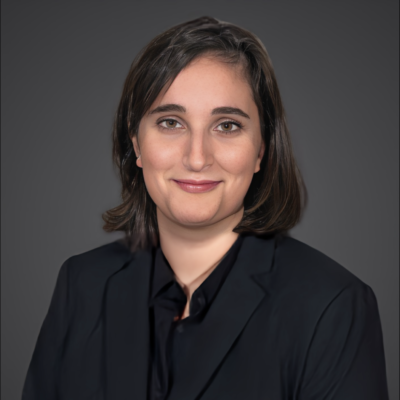
    Marshall Gilinsky

    Marshall GilinskyShareholder, Anderson Kill P.C.

    Marshall Gilinsky is a shareholder at Anderson Kill’s Boston office, focusing on Insurance Recovery and Commercial Litigation. Co-chair of the firm’s Sexual Harassment and Abuse Insurance Recovery Group and Sports, Media, and Entertainment Group, Marshall has recovered hundreds of millions of dollars for clients during his 20-year career. He has represented clients on complex insurance claims related to major losses, including 9/11, Hurricane Katrina, Superstorm Sandy, and Boston’s “Big Dig.” He represents a diverse range of policyholders in high-stakes disputes. Marshall earned his B.S. from Cornell University and his J.D., with honors, from The George Washington University Law School.
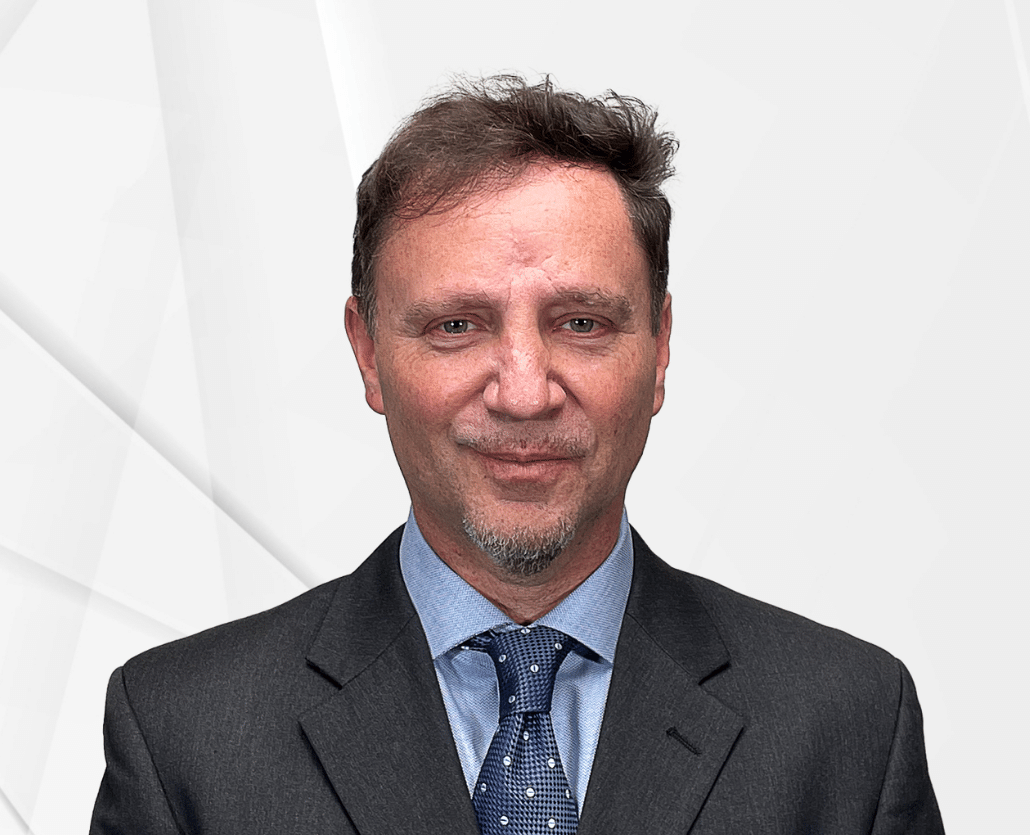
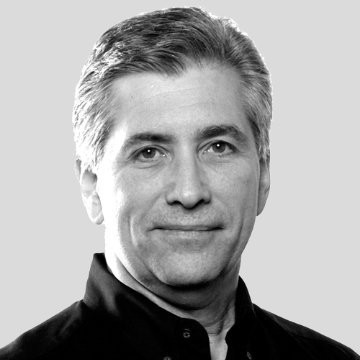
    Joshua Gold

    Joshua GoldShareholder, Anderson Kill P.C.

    Joshua Gold is a shareholder in Anderson Kill’s New York office and serves as chair of the Cyber Insurance Recovery Group and co-chair of the Marine Cargo Insurance Group. He has represented numerous corporate and non-profit policyholders in various industries, with recoveries for his clients well in excess of $1.5 billion. Josh’s practice involves matters ranging from international arbitration, data security, directors and officers insurance, business income/property insurance, commercial crime insurance, admiralty, cargo, and marine insurance disputes. He earned his B.A. at the University of Massachusetts at Amherst and his J.D. at Benjamin N. Cardozo School of Law.

  • When Chemical Crises Strike with Ed Gentle and Kip Benson

    When Chemical Crises Strike with Ed Gentle and Kip Benson

    When Chemical Crises Strike with Ed Gentle and Kip Benson

    Concepts: Toxic Events, Toxic Torts, Chemical Disasters, Emergency Response, Legal Activity, Risk Mitigation, Claims Settlement, Chemical Litigation

    Soon after emergency response teams scramble into action to address chemical fires, explosions, or other toxic events, attorneys begin gathering and analyzing information either to mitigate corporate risk or to seek remedies for anyone impacted by such an event.

    Listen to my interview with Edgar C. “Ed” Gentle III and Katherine “Kip” Benson of Gentle, Turner & Benson LLC, about legal activity that goes on in the immediate aftermath of a toxic event, using as a backdrop the recent chemical plant disaster that forced 17,000 Conyers, Georgia, residents to evacuate and many more to  shelter in place as a toxic plume hung stubbornly over the homes of as many as 100,000 residents. Ed and Kip draw on their deep experience resolving this type of litigation — including the settlement of a 20-year-old disaster at the same location — to discuss the flurry of activity that unfolds at law firms and inside legal departments within hours of a disaster. They also share the impact on such cases of a recent $600 million court-approved settlement of claims that followed the highly publicized toxic train derailment that occurred in East Palestine, Ohio, in early 2023.

    This is Ed Gentle’s second appearance on the podcast. He spoke with me on Episode 48 titled Medical Monitoring for Modern Times. He was the featured speaker on that subject for an HB CLE webinar distributed on the West LegalEdcenter, then Kip Benson joined him for an advanced level webinar on the Medical Monitoring Tort Remedy. You can download his article on the subject for free as published in the Journal of Emerging Issues in Litigation.

    I hope you enjoy the conversation! If so, give us a rating!

    This podcast is the audio companion to the Journal on Emerging Issues in Litigation. The Journal is a collaborative project between HB Litigation Conferences and the vLex Fastcase legal research family, which includes Full Court Press, Law Street Media, and Docket Alarm.

    If you have comments, ideas, or wish to participate, please drop me a note at Editor@LitigationConferences.com.

    Tom Hagy
    Litigation Enthusiast and
    Host of the Emerging Litigation Podcast
    Home Page
    LinkedIn

    podcast logo face


    Want to appear on the Emerging Litigation Podcast?


    Send us your idea! 

    It’s possible it could make this man smile. But let’s not get ahead of ourselves.

    Ed Gentle

    Ed GentleGentle Turner & Benson LLC

    A dedicated attorney with more than three decades of experience, Ed Gentle is the founder and managing partner of Gentle, Turner, Sexton & Harbison, LLC, in Birmingham, Alabama. Largely focusing his practice on complex commercial litigation and mass tort/class action litigation, he often works for the courts as a neutral special master and settlement administrator.

    In addition to his legal practice, Ed Gentle regularly gives talks and writes papers about topics related to mass torts. Some of the topics he has addressed include the challenges of administering local settlements and the selection of lead counsel by the courts. He attended the University of Alabama School of Law as a Hugo Black Scholar. He earned his J.D. and was admitted to the Alabama State Bar in 1981. 

    Katherine (“Kip”) A. Benson

    Katherine (“Kip”) A. Benson Gentle Turner & Benson LLC

    Ms. Benson is a Partner at Gentle, Turner, & Benson, LLC and has experience in mass tort/class action settlement administration, probate law, general corporate practice, real estate, and telecommunications law. With over 14 years of mass tort/class action settlement administration, Ms. Benson specializes in Medicare/Medicaid lien resolution, and various other aspects of settlement administration.

    Ms. Benson earned her J.D. from the University of Alabama School of Law in 1998 and was admitted to the Alabama State Bar in 1998. In addition to the Alabama State Bar, Ms. Benson is a member of the Birmingham Bar Association.

  • The Use and Abuse of the Pollution Exclusion by Robert D. Chesler, Dennis J. Artese, and Jamie O’Neill

    The Use and Abuse of the Pollution Exclusion by Robert D. Chesler, Dennis J. Artese, and Jamie O’Neill

    The Authors

    Robert Chesler

    Robert CheslerAnderson Kill P.C.

    A leading participant in the birth of modern insurance law in the early 1980s, Robert D. Chesler is a shareholder in Anderson Kill’s Newark office. He represents policyholders in a broad variety of coverage claims against their insurers and advises companies with respect to their insurance programs.

    Dennis J. Artese

    Dennis J. ArteseAnderson Kill P.C.

    Dennis Artese is a shareholder in the New York office of Anderson Kill. He is chair of the firm’s Climate Change and Disaster Recovery practice group and co-chair of the firm’s Construction Industry practice group. Dennis’s national practice concentrates on all types of insurance recovery litigation.

    Jamie O'Neill

    Jamie O’NeillAnderson Kill P.C.

    Jamie O’Neill is an attorney in Anderson Kill’s New York office. She focuses her practice on insurance recovery, exclusively on behalf of policyholders.

    The Use and Abuse of the Pollution Exclusion

    The basic legal issue of what constitutes a pollutant or contaminant is
    overlaid with fact issues. Policyholders will continue to be at risk
    as courts in the 50 states apply pollution exclusions in fact patterns
    that policyholders never expected.

    Abstract:

    Recent court decisions and ongoing cases have brought to the forefront the critical issue of the reach of pollution exclusions in insurance policies. Jurisdictions from South Dakota to Hawaii are redefining the scope of what constitutes a “pollutant,” with significant developments that affect coverage in cases that range from contaminated agricultural products to carbon monoxide poisoning and greenhouse gas emissions. The thread that brings these cases together is the age-old question of what constitutes a “pollutant”: Is the term limited to traditional environmental pollution, or should it be read more broadly to encompass other contaminants and non-environmental situations?

    Download the article now!

    Explore More from Anderson Kill!

    Journal on Emerging Issues, Editorial Board of Advisors 

    The Use and Abuse of the Pollution Exclusion. By Dennis Artese, Jamie O’Neil, Robert Chesler

    The Environmental, Social, and Governance Police Have Arrived: Is your Insurance Ready. Authors: Dennis Artese, Bob Chesler.

    Podcast 1 of 2 series: PFAS Insurance Coverage with Jaana Pietari and Jim Fenstermacher and Litigation with Bob Chesler

    Sister article to podcast 1 of 2 series: Remediating,, and Litigating PFAS Claims. By Dr. Jaana Pietari, PhD, MBA, PE, Jim Fenstermacher, PE, Dr. Michael Bock, PhD, MS, Robert D. Chesler and Nicholas M. Insua, Sheila Mulrennan, Robin Kelliher, Jason R. Waters

    Podcast 2 of 2 series: Insurance Coverage for PFAS Claims with Robert Chesler of Anderson Kill

    Podcast: Autonomous Vehicles: The New Technology Driving the Litigation Conversation Podcast with Cort Malone, John Leonard, Joshua Zelen

    Podcast: Violations of Biometric Privacy Laws: Policyholders’ Victories and the Implications Going Forward with John Leonard and Cort Malone

    Police–The Environmental, Social, and Governance Police Have Arrived: Is your Insurance Ready. Authors: Dennis Artese, Bob Chesler

    How Insurance Companies Defraud Their Policyholders, and What Courts and Legislators Should Do About It. Authors: Robert Chesler, Amy Weiss, and Jade Sobh

    The Promise and Peril of Quantum Computing and Its Implications for Cyber Insurance. By Cameron R. Argetsinger

    Climate Change, ESG, D&O Insurance: Collision or Cooperation? By Robert D. Chesler, Dennis J. Artese and Joseph Villa

    The Use and Abuse of the Pollution Exclusion. Authors: Dennis Artese, Jamie O’Neil, Robert Chesler

    Property Insurance Coverage for Emerging Risk: Underground Climate Change. Authors: Dennis J. Artese, Ethan W. Middlebrooks, Thomas Dupont

    Litigation After Biometric Privacy Law Violations: Policyholder Victories and Their Implications. Authors: Cort T. Malone, Abigail Damsky

    Autonomous Vehicles: The New Technology Driving the Litigation Conversation. Authors: Cort Malone, John Leonard, and Joshua Zelen

  • Will a New Wave of New Environmental/Toxic Tort Litigation and Claims Upend Insurance Industry Environmental Reserves?

    Will a New Wave of New Environmental/Toxic Tort Litigation and Claims Upend Insurance Industry Environmental Reserves?

    The Author

    Charlie Kingdollar

    Charlie Kingdollar

    Charlie Kingdollar spent his career as emerging issues officer for a major global insurance company, tracking hundreds of future risks like those discussed in this article. Charlie is also a valued member of the Editorial Board of Advisors for the Journal of Emerging Issues in Litigation.

    The Journal on Emerging Issues in Litigation

    Emerging Litigation Podcast

    Emerging Litigation PodcastProduced by HB Litigation and Law Street Media

    Interviews with leading attorneys and other subject matter experts on new twists in the law and how the law is responding to new twists in the world.

    Will a New Wave of New Environmental/Toxic Tort Litigation and Claims Upend Insurance Industry Environmental Reserves?

    “PFAS chemicals are commonly called “forever chemicals,” because once released into the environment they can take hundreds or even thousands of years to break down.”

    “Estimates that the ultimate costs of [these and other] environmental claims will land between $45 billion and $55 billion is terribly low. Maybe I’m missing something (always a possibility).  If not, the insurance industry is in for a rude awakening.” 

    Abstract: To remain profitable and viable, the insurance and reinsurance industry must rely on estimated forecasts of potential claims many years out to establish an appropriate level of reserves. They rely on data from rating agencies and, based on these estimates, ratchet their reserves up or down accordingly. In past years, major and once unforeseen developments like massive asbestos and environmental litigation provided urgent reasons to cast an especially critical eye on the adequacy of industry reserves. In this article, the author explains why it is that time again. In light of several potentially calamitous emerging global liabilities he reviews here, particularly if they land with the impact he fears they might, the author believes the insurance industry and its policyholders may be in for a jolt a few short years from now.

    Download the article now!

  • Maximizing Insurance as Climate Change Intensifies

    Maximizing Insurance as Climate Change Intensifies

    HB presents an Anderson Kill webinar on-demand

    MAXIMIZING INSURANCE RECOVERY AS

    CLIMATE CHANGE INTENSIFIES

    As weather-induced disasters continue to intensify, maximizing insurance coverage after major storms, floods, wildfires, and other natural cataclysms is an essential survival skill for any business.

    In this session, attorneys who have successfully litigated property, business interruption and contingent business interruption claims from Hurricanes Katrina through Ida, along with wildfire and other major disaster claims, walk participants through all phases of insurance recovery, from buying the right policies to pursuing claims with persistence and awareness of pitfalls, to litigating successfully when necessary. Specific lessons from Hurricanes Sandy (2012), Harvey (2017) and Maria and Irma (2020) will be addressed.

    Topics:

    • Developing a pre-storm preparedness plan, including mitigation efforts, assembly of a claims team, and insurance coverage review;
    • Moving quickly to protect property from further damage, performing all emergency repairs, and documenting all losses in detail;
    • Preparing and presenting well-supported property damage claims;
    • Recognizing and including business interruption losses and extra expense outlays;
    • Highlighting policy interpretation issues that affect the scope of available coverage;
    • Outlining strategies for pursuing claims and incentivizing the insurance company to resolve them with due speed.

    On-Demand Registration

    Includes

    • 1+ CLE credits (subject to bar rules). CLE codes are embedded in the video. CLE questions?
    • Insights from experienced professionals.
    • The complete PowerPoint presentation.
    • Continued access to the complete recording for later use.
    • Answers to your questions via email to the presenters, or write to HB.

    Meet the Panel

    Finley Harckham
    Anderson Kill

    Finley is a senior litigation shareholder in the New York office of Anderson Kill and serves on
    the firm’s Executive Committee. Finley regularly represents and advises corporate policyholders and
    other entities in insurance coverage matters. He has successfully litigated, arbitrated and settled
    hundreds of complex coverage claims. His areas of particular focus include property loss, environmental,
    business interruption, directors and officers liability, construction, professional liability, aviation liability,
    cyber and general liability claims.

    Finley also has extensive experience in the field of international arbitration. His arbitration clients
    include government contractors, consumer products companies and manufacturers which Anderson Kill
    has represented in a wide range of disputes involving, among other things, service contracts, the
    purchase and sale of components, raw materials and products, and licensing agreements. He has
    successfully prosecuted and defended arbitrations in European countries and the United States under
    the London Arbitration Act, and the AAA, ICC and UNCITRAL arbitration rules.

    More about Finley

    Rhonda D. Orin
    Anderson Kill

    Rhonda is the managing partner of the firm’s Washington, D.C. office. She is also co-chair of the COVID Task Group. Rhonda represents policyholders in coverage cases nationwide, including cyber liability, third-party tort and environmental liability claims, first-party property damage and business interruption claims, directors & officers liability, errors & omissions liability, fidelity bonds and alternative risk transfer arrangements, including for employee benefit plans.

    She has served as lead counsel in multiple jury and bench trials, argued before the highest courts of several states, and appeared in two cases before U.S. Supreme Court. Through jury verdicts, summary judgment decisions and confidential settlements before and during litigation, she has recovered hundreds of millions of dollars for policyholders, including nine-figure recoveries.

    More about Rhonda

    Dennis J. Artese
    Anderson Kill

    Dennis is a shareholder in the New York office of Anderson Kill. He is also co-chair of the firm’s Construction Industry practice group and a member of the COVID Task group. Dennis’ national practice concentrates on all types of insurance recovery litigation, with an emphasis on securing insurance coverage for construction-related first-party property losses and third-party liability claims as well as for property and business interruption losses stemming from natural disasters and other perils.

    Dennis has substantial experience in all phases of litigation, arbitration and property insurance appraisals, and has recovered hundreds of millions of dollars of insurance proceeds on behalf of policyholders in connection with a variety of property, builder’s risk, commercial general liability, umbrella and excess liability, D&O, E&O, crime, and political risk insurance claims. Dennis also has extensive experience in litigating insurance broker malpractice cases and other general commercial litigation disputes, including construction-related disputes. Dennis has been recognized by Super Lawyers for Insurance Coverage since 2012. He also has been recognized by Legal 500 for Insurance Advice to Policyholders and singled out as being a “superb lawyer and subject-matter expert.”

    More about Dennis

    Ronald Papa
    National Fire Adjustment Co.

    Ronald has been instrumental in NFA’s growth for more than 30 years. He has successfully adjusted more than 2,000 insurance losses working for a wide range of clients. Ron earned the prestigious designation of Senior Professional Public Adjuster and is accredited by the National Association of Public Insurance Adjusters (NAPIA), of which he is past president.

    He was named Person of the Year by NAPIA for “outstanding leadership” and recently addressed the National Symposium of Insurance Commissioners at their conference in Florida. Ron is approved as an instructor by numerous State Insurance Departments, the New York State Bar Association, and the Society of CPAs. He graduated from Niagara University.

    More about Ronald

    On Demand Registration

  • Asymmetrical Combat: Bad Faith Liability in Insurance Recovery Cases

    Asymmetrical Combat: Bad Faith Liability in Insurance Recovery Cases

    The Author

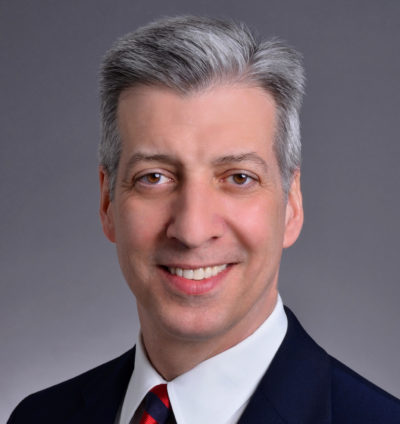
    William Passannante

    William PassannanteAnderson Kill P.C.

    William G. Passannante is co-chair of Anderson Kill’s Insurance Recovery Group and is a nationally recognized authority on policyholder insurance recovery in D&O, E&O, asbestos, environmental, property, food-borne illness, and other insurance disputes, with an emphasis on insurance recovery for corporate policyholders and educational and governmental institutions.

    The Journal on Emerging Issues in Litigation

    Emerging Litigation Podcast

    Emerging Litigation PodcastProduced by HB Litigation and Law Street Media

    Interviews with leading attorneys and other subject matter experts on new twists in the law and how the law is responding to new twists in the world.

    Asymmetrical Combat: Bad Faith Liability in Insurance Recovery Cases

    “Insurance policies are a unique product that requires the policyholder perform first—by paying insurance premiums—while the insurance company’s performance—the payment of the claim amount—is delayed until the insurance company determines to do so.”

    Abstract: Policyholder counsel see claims that an insurer violated its duty of good faith and fair dealing is an essential tool in leveling the playing field in policyholder–insurer disputes, especially in high-stakes litigation. Insurance companies write the policies, employ lobbyists, exchange information with each other, and, of course, have more experience handling claims. So, the author writes, bad faith allegations bring more balance to the relationship and provide a disincentive to “the profitable breach of the insurance promise.” He discusses above-policy limits risks for insurers, as well as attorneys’ fees, interest on unpaid claims, punitive damages, and more.

    Introduction: Bad faith insurance litigation presents high-stakes risks for insurance companies in the unbalanced battle between insurance companies and their policyholders. The asymmetric nature of the insurance claims process—insurance companies draft the insurance policies, lobby legislatures as an industry repeat litigant, exchange superior information among themselves, and have more experience with claims than any policyholder—means that policyholders need a counterbalance. Insurance company liability for bad faith and related above-policy limits liabilities can act as that counterbalance. Insurance company bad faith and related doctrines prove useful because of the claims-handling calculus used to attempt to avoid coverage for a claim.

    Without more an insurance company denying a claim faces what it did at the outset—the amount of the covered claim. Insurance companies thus engage in the profitable breach of the insurance promise. Most purchasers of the insurance product would think of their insurance company as a fiduciary or trustee from whom one can expect scrupulous candor. At claims time many policyholders do not receive what they expect. Still, hornbook contract law tells policyholders that every insurance policy contains within it a duty of good faith and fair dealing enforcing that duty of good faith and fair dealing helps level the insurance claim playing field . . . .

    Download the article now!

  • Climate Change, ESG, and D&O Insurance: Collision or Cooperation?

    Climate Change, ESG, and D&O Insurance: Collision or Cooperation?

    The Authors

    Robert D. Chesler (rchesler@andersonkill.com) is a shareholder in Anderson Kill’s New Jersey office and is a member of the firm’s Cyber Insurance Recovery Group. Bob represents policyholders in a broad variety of coverage claims against their insurers and advises companies with respect to their insurance programs. Dennis J. Artese (dartese@andersonkill.com) is a shareholder in Anderson Kill’s New York office and chairs the firm’s Climate Change and Disaster Recovery Group. Joseph Vila (jvila@andersonkill.com) is an insurance recovery attorney in Anderson Kill’s New Jersey office.

    Journal on Emerging Issues in Litigation

    Climate Change, ESG, and D&O Insurance: Collision or Cooperation?

    By Robert D. Chesler, Dennis J. Artese, and Joseph Villa

    Abstract:
    Climate change has been tied to the recent increase in catastrophic weather events. Insurance coverage for often billions of dollars in damage becomes a source of argument between insurers, who want to limit their exposure, and policyholders, who want the coverage they argue the carriers are contractually obligated to pay. The authors discuss the nature of the underlying suits and the potential coverage issues; the types of policies implicated; cases that have addressed these issues; the rising societal concern over climate change that have played a role in the new corporate emphasis on environmental, social, and governance, or ESG, and the insurance industry’s response to this trend.

    Excerpts:
    Directors and Officers (D&O) policies [are] directly affected by climate change. Two types of suits are already happening. First, there are at least 1,375 climate change–related suits pending in the United States, about two dozen of which have been filed by local municipalities and states seeking damages because of climate change. For example, the attorneys general of New York, Massachusetts, and the U.S. Virgin Islands launched investigations to determine whether Exxon Mobil Corporation misrepresented to investors the risks of how climate change might impact its business. Although the U.S. Virgin Islands attorney general terminated its investigation, the New York and Massachusetts attorneys general filed separate suits against Exxon.

    In the seminal case People of the State of New York, By Letitia James v. Exxon Mobil Corporation, 119 N.Y.S.3d 829 (N.Y. Sup. Ct. 2019), the State of New York sued Exxon, alleging that it violated the state’s securities act by making materially false and misleading statements to the public and investors about how the company manages risks of climate change and the cost of carbon in assessing demand for its products. The state dropped its common law fraud claims prior to trial, but proceeded with a claim under New York’s Martin Act, which permits the attorney general to sue for fraud in connection with the marketing of securities without requiring proof of scienter, reliance, and damages, as well as under New York’s Executive Law, which prohibits persistent fraudulent acts. After a trial, the New York Supreme Court held that the state failed to demonstrate by a preponderance of the evidence that Exxon made any material misrepresentations to investors ….

    As regulatory activity and private litigation activity surrounding climate change issues continue to increase, liabilities likely will follow. D&O insurance companies will be called on to address those liabilities with increasing frequency.

    Those claims will present complex coverage issues of first impression, and policyholders can expect a fight. Policyholders also should be on the lookout for more restrictive coverage terms on D&O renewals. Policyholders should work with their brokers to obtain the broadest coverage available, and consult with sophisticated coverage counsel in the event that they are faced with climate change–related claims. 

    Get the article now!

    Explore more from Bob Chesler and contributing specialists!

    Journal on Emerging Issues, Editorial Board of Advisors

    The Use and Abuse of the Pollution Exclusion. By Dennis Artese, Jamie O’Neil, Robert Chesler

    The Environmental, Social, and Governance Police Have Arrived: Is your Insurance Ready. Authors: Dennis Artese, Bob Chesler.

    PFAS Insurance Coverage with Jaana Pietari and Jim Fenstermacher and Litigation with Bob Chesler: Part 1 of 2 Podcasts

    PFAS Insurance Coverage with Robert D. Chesler of Anderson Kill. Part 2 of 2 Podcasts

    How Insurance Companies Defraud Their Policyholders, and What Courts and Legislators Should Do About It

    Climate Change, ESG, D&O Insurance: Collision or Cooperation? By Robert D. Chesler, Dennis J. Artese and Joseph Villa

    Remediating, Insuring, and Litigating PFAS Claims. By Dr. Jaana Pietari, PhD, MBA, PE, Jim Fenstermacher, PE, Dr. Michael Bock, PhD, MS, Robert D. Chesler and Nicholas M. Insua, Sheila Mulrennan, Robin Kelliher, Jason R. Waters

  • Strategies for Maximizing Insurance Recovery for Climate Change–Related Loss and Damage

    Strategies for Maximizing Insurance Recovery for Climate Change–Related Loss and Damage

    Strategies for Maximizing  Insurance Recovery for Climate Change–Related Loss and Damage

    Abstract

    Losses from natural catastrophes are costing many tens of billions as year, from hurricanes and tornadoes to record-breaking rainfall and floods. Whether the insurance industry will or can provide coverage for all of the devastating effects of climate change (or, as some might put it, a new and calamitous phase in our earth’s existence) only time will tell. In the meantime, policyholders must cross their Ts if they expect coverage. In this article the author shares insights on the complex but essential task of documenting and valuing post-storm losses.

    Author

    Dennis J. Artese (dartese@andersonkill.com) is a shareholder in the New York office of Anderson Kill P.C. His practice concentrates on insurance recovery litigation, with an emphasis on securing insurance coverage for first-party property losses, construction accidents, and third-party liability claims.

    About
    The Journal on Emerging Issues in Litigation is a co-production of HB, Fastcase, and Law Street Media. You can also hear the complementary (and complimentary) Emerging Litigation Podcast wherever podcasts appear. For questions, contact Tom Hagy, Editor in Chief, at Editor@LitigationConferences.com.

    Loading Viewer…

  • Surfside Condo Collapse: A 360-Degree Insurance Coverage Analysis

    Surfside Condo Collapse: A 360-Degree Insurance Coverage Analysis

    Surfside Condo Collapse: A 360-Degree Insurance Coverage Analysis

    Abstract

    The horrific and fatal collapse of Champlain Towers South in the summer of 2021 not only shook the ground in Surfside, Florida, but it brought into question the integrity of structures everywhere. If professionals in the construction, real estate, and building management industries were relaxed about signs of structural decay before, they are not anymore. The insurance industry also has reasons to worry, as potentially responsible players turn to their policies to defend or indemnify them for claims for accidents causing losses including from property damage, personal injury, or death. In this article the authors evaluate the factors that are addressed when coverage determinations are made, as well as the various types of policies that come into play.

    Authors

    Allen R. Wolff (awolff@andersonkill.com) is a shareholder in Anderson Kill’s New York office, where he concentrates on the intersection of construction litigation and insurance recovery. Allen is co-chair of the firm’s Construction Industry Practice group and Corporate and Commercial Litigation Practice group. He advises and represents policyholders—building owners, developers, contractors, retailers, municipalities, financial institutions, hospitality businesses, condominium associations, and tenants’ associations—in a range of insurance coverage disputes. Allen’s colleagues, Ethan W. Middlebrooks (emiddlebrooks@andersonkill.com) and Jason Kosek (jkosek@andersonkill.com), are also attorneys in Anderson Kill’s New York office. They also concentrate on insurance recovery for policyholders and other complex matters.

    About
    The Journal on Emerging Issues in Litigation is a co-production of HB, Fastcase, and Law Street Media. You can also hear the complementary (and complimentary) Emerging Litigation Podcast wherever podcasts appear. For questions, contact Tom Hagy, Editor in Chief, at Editor@LitigationConferences.com.

    Loading Viewer…

  • Wildfire Litigation and Recovery with Ed Diab

    Wildfire Litigation and Recovery with Ed Diab

    Wildfire Litigation and Recovery with Ed Diab

    I had the pleasure of interviewing Ed Diab, co-founder of Dixon Diab & Chambers in San Diego, about his firm’s role in the litigation, what the claims are, what defenses they encounter, settlements they have secured, what evidentiary hurdles plaintiffs face, and  more.  They’ve been successful. Since 2018, Dixon Diab & Chambers has recovered more $1.4 billion in settlements. And there is more to come. The firm represents more than 40 public entities – including some of the largest cities and counties in California – as well as thousands of individuals and families. Ed leads the firm’s mass tort practice which, in addition to wildfire litigation, represents people who allege injuries from defective drugs and medical devices.

    This podcast is the audio companion to the Journal on Emerging Issues in Litigation, a collaborative project between HB Litigation Conferences and the legal news folks at Law Street Media. If you have comments or wish to participate in one our projects, or want to tell me how insightful our guests are, please drop me a note at Editor@LitigationConferences.com.

    Thanks to Ed Diab for speaking with me about this fascinating and frightening subject, and to Baron & Budd’s Scott Summy for introducing us.  For my part, I am sure my suggestion that they install smoke detectors all over the forest is complete nonsense.  Also, I spoke with a friend who majored in Latin. Even though I showed zero confidence, I apparently stumbled close to the pronunciation of flammagenitus, Latin for “fire cloud.” I promised you a photo of one. Also called pyrocumulus clouds, they look as terrifying as they sound.

    Tom Hagy
    Host
    Emerging Litigation Podcast

    via GIPHY

    Wildfires are causing more destruction in North America than at any time in recorded history. 

    In 2010 they consumed 3.4 million acres, but nearly tripled to devour more than 10 million acres in 2020.

    They also have been responsible for numerous injuries and loss of life, razing thousands of homes, displacing wildlife, destroying natural resources, and even spewing air pollution thousands of miles away. Fighting these hellish infernos is a massive, all-out-war-like undertaking. The 2020 Dixie Fire was finally brought under control with the help of 6,500 personnel (from firefighters to the people who fed them), 1,000 fire trucks, water tankers, and bulldozers, and 1,000 miles of firehose. While some fires occur naturally, set off by lightening, for example, 84% are caused by humans. And, no matter how you slice it, humans are helping create the conditions of this continental tinderbox.

    One group of attorneys from Baron & Budd and Dixon Diab & Chambers LLP is securing and seeking recovery for individuals, municipalities, and insurance companies that pay claims, when they can accomplish the difficult task of identifying the responsible parties. Positioned as “Wildfire Recovery Attorneys,” they have done so in cases against Pacific Gas & Electric Corp. and Southern California Edison, which they have sued for allegedly failing to maintain power lines and the areas beneath them, among other things.