Tag: Climate Change

  • Natural Gas Bans and Bans on Bans

    Natural Gas Bans and Bans on Bans

    Natural Gas Bans, Bans on Bans, and the Ninth Circuit

    Concepts:  Natural Gas, EPCA, Climate Change, Energy Efficiency Regulation

    The Ninth Circuit Court of Appeals recently struck down Berkeley, California’s ban on natural gas infrastructure in new buildings. The court ruled unanimously that the ban violates federal law. This subject is important as we will likely see more natural gas bans in the future and the Berkeley case has set a precedent for how similar cases may be treated. 

    Brought by the California Restaurant Association, the National Restaurant Association, and the American Gas Association, the crux of the case was that Berkeley’s ban was preempted by the Energy Policy and Conservation Act (EPCA) which gives the federal government exclusive authority to regulate energy efficiency standards for appliances. Agreeing with the plaintiffs, the Ninth Circuit that Berkeley’s ban was “a direct regulation of energy efficiency standards for appliances.” New York has implemented a natural gas ban starting in 2026.

    Listen to my interview with Gary Toman, Partner at Weinberg, Wheeler, Hudgins, Gunn & Dial LLC, as we discuss this seminal case and the impact of the court’s ruling on consumers and businesses across the country.

    Gary  has extensive experience representing corporations, banks and professionals in complex litigation and arbitration matters and business disputes. Gary has substantial experience defending corporations in a wide variety of class actions.  Gary received his J.D. from Harvard Law School.

    I hope you enjoy the episode. If so, give us a rating!

    *******

    This podcast is the audio companion to the Journal on Emerging Issues in Litigation. The Journal is a collaborative project between HB Litigation Conferences, and the vLex Fastcaselegal research family, which includes Full Court Press, Law Street Media, and Docket Alarm — all now part of vLex. If you have comments or wish to participate in one our projects please drop me a note at Editor@LitigationConferences.com. I’m often polite.

    podcast logo face

    Actual size.

    Tom Hagy
    Litigation Enthusiast and
    Host of the Emerging Litigation Podcast
    Home Page
    LinkedIn

    Gary Toman

    Gary TomanWeinberg Wheeler Hudgins Gunn & Dial

    Gary Toman has extensive experience representing corporations, banks and professionals in complex litigation and arbitration matters and business disputes. Gary has substantial experience defending corporations in a wide variety of class actions. His practice includes litigation involving business and financial transactions, product liability, business torts, contract matters including participation agreements, shareholder agreements, and non-competition agreements, and environmental, real estate and intellectual property matters. Gary has also handled cases and counseled clients in the healthcare field regarding antitrust issues, practice disputes, employment law matters and other disputes. An experienced appellate advocate, Gary began his career as a law clerk to the Honorable R. Lanier Anderson, III of the United States Court of Appeals for the Fifth and Eleventh Circuits. He has briefed and argued cases in federal and state appellate courts across the country. Gary often serves as appellate counsel at trials to frame the record for possible appeal. Gary received his J.D. from Harvard Law School.

  • Climate Change, Property Rights, and Conservation: Highlights from a Decade of Environmental Law (2013–2023)

    Climate Change, Property Rights, and Conservation: Highlights from a Decade of Environmental Law (2013–2023)

    The Author

    Victoria Kline

    Victoria Kline2023 J.D. and Incoming Associate at Reed Smith

    Victoria Kline (linkedin.com/in/victoria-kline) just graduated from the University of Miami School of Law, and is an incoming associate at Jones Day. She focused her studies on environmental law, which also will be her area of practice. (Congratulations to Victoria on her graduation and getting her start at Reed Smith!)

    The Journal on Emerging Issues in Litigation

    Emerging Litigation Podcast

    Emerging Litigation PodcastProduced by HB Litigation and Law Street Media

    Interviews with leading attorneys and other subject matter experts on new twists in the law and how the law is responding to new twists in the world.

    Climate Change, Property Rights, and Conservation:
    Highlights from a Decade of Environmental Law (2013–2023)

    Abstract: The author discusses nine recent decisions—all but one handed down by the Supreme Court—that demonstrate the ongoing debate over responsibility for the effects of climate change, how the courts are essentially asked to strike a balance between environmental protection and economic development, the intersection of property rights and conservation, and how litigants fared with their arguments over different aspects of this important and, many would say, existential dilemma. The author concludes with an update from the United Nations Framework Convention on Climate Change and the establishment of a loss and damage fund for countries harmed by climate change.

    “The past decade has seen numerous legal challenges and landmark rulings in environmental law, reflecting the growing recognition of the critical importance of protecting the environment for current and future generations. From the Supreme Court’s decision in Michigan v. EPA to the recent Juliana v. United States case, the judicial branch has dramatically changed the way litigation can be used to protect the interests of the earth and its inhabitants.”

    Download the article now!

  • European Court of Human Rights to Hear Case on Climate Change by Victoria Kline

    European Court of Human Rights to Hear Case on Climate Change by Victoria Kline

    Guest Writer

    Victoria Kline

    Victoria Kline

    Victoria is a third-year student at the University of Miami School of Law, Juris Doctorate Candidate 2023, Law Review Staff Editor, and soon-to-be associate at Jones Day.

    European Court of Human Rights to Hear Case on Climate Change

    By Victoria Kline

    https://en.wikipedia.org/wiki/User:CherryX

    The European Court of Human Rights (ECHR) is hearing a landmark case brought forward by the Senior Women for Climate Protection Switzerland, who are suing the Swiss government (the “State”) for human rights violations related to climate change. Verein KlimaSeniorinnen Schweiz and others v. Switzerland (“KlimaSeniorinnen”) is one of the first climate change matters the court has taken up. On Wednesday, March 29, 2023, the ECHR held a public hearing.

    History of the Case

    KlimaSeniorinnen began back in 2016, ignited by a group of women called KlimaSeniorinnen Schweiz, the Senior Women for Climate Protection Switzerland. The group filed suit in Swiss court against a variety of Swiss federal government bodies alleging violations of obligations set forth in the Swiss Constitution and the European Convention on Human Rights (the “Convention”). 

    The heart of the suit is the State’s shortcomings in progress being made towards the adopted Paris Agreement’s goal to keep “the increase in the global average temperature to well below 2°C above pre-industrial levels.” The elderly plaintiffs purport that their demographic is especially vulnerable to the “temperature-related morbidity and mortality” caused by “climate change-induced excessive heat.” 

    On April 25, 2017, the suit was dismissed by the Federal Department of the Environment Transport, Energy and Communications for lack of standing on the prongs of injury and remedy. Over a year later, the Swiss Federal Administrative Court rejected the plaintiffs’ appeal. Subsequently, on May 20, 2020, the Swiss Supreme Court also rejected the plaintiffs’ filed appeal, holding that plaintiffs should seek their desired government greenhouse gas reduction politically instead of judicially. 

    After exhausting their judicial remedies at their national level, the instant plaintiffs then applied for their case to be heard by the ECHR on November 26, 2020. 

    International Appeal 

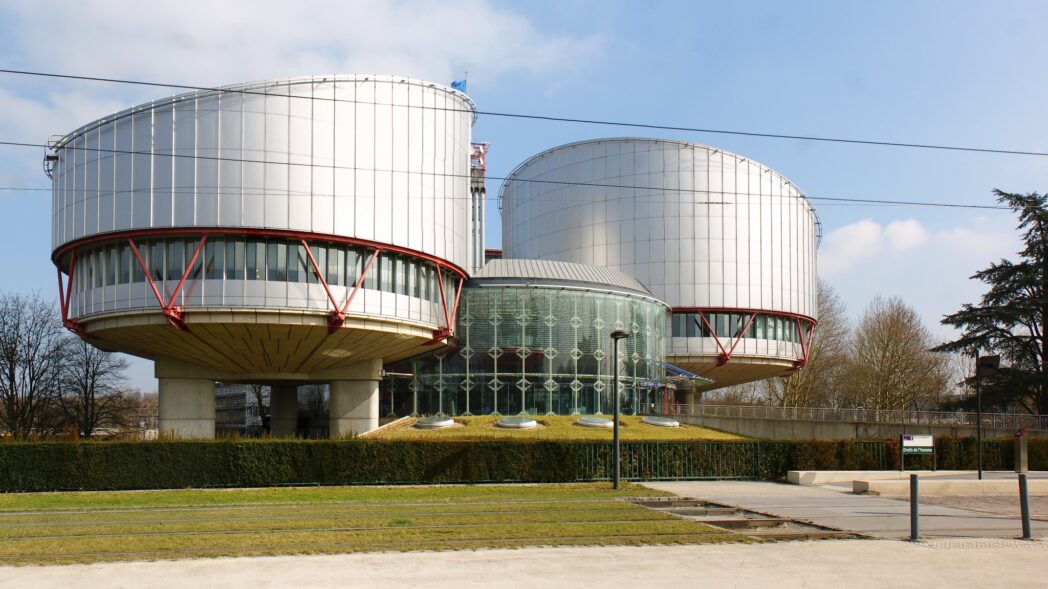
    Plaintiff’s application to the ECHR, No. 53600/20, was granted to be heard with priority pursuant to Rule 41 of the Rules of Court. The ECHR, which is based in Strasbourg, France, is a court of last resort for individuals who claim that their rights under the Convention have been violated by a member state. Because Switzerland has ratified the Convention, it will be bound to the holding of the ECHR. 

    The hearing for the case, which was held on March 29, 2023, was the first climate change matter taken up by the ECHR. Parties argued in front of a 17-member Grand Chamber led by Síofra O’Leary of Ireland. A webcast of the proceeding was published online by the ECHR and can be found here. 

    The hearing, which lasted less than three hours, opened with arguments from both the State and plaintiffs, before two third parties spoke, and the panel of judges asked questions. Then, both the plaintiffs and the State were given the opportunity to reply before the close of the hearing. 

    During the hearing, the senior plaintiffs argued that Switzerland’s failure to take adequate measures to reduce greenhouse gas emissions was a violation of their right to life and their right to respect for private and family life, as guaranteed by Articles 2 and 8 of the Convention. Their arguments are backed by scientific research showing the increasingly dire health and safety effects that global warming is having on European senior citizens. 

    In contrast, the Swiss government argued that it is taking steps to address climate change, such as implementing a carbon tax and increasing the share of renewable energy in the country’s energy mix. However, it can only do so much as one state amongst many that are contributing to the emitted greenhouse gasses that are exacerbating climate change.

    What to Watch For

    Now that the hearing of the case is complete, the Grand Chamber has begun private deliberations on the matter. It is unknown exactly when the ECHR will issue its ruling. 

    The ECHR’s decision could provide insight on how to establish standing for particularized injuries suffered as a result of climate change, which by nature affect the world’s population. Further, while the court’s holding will not be legally binding on non-member states, if the ECHR finds in favor of the seniors, it could set a precedent for other climate change lawsuits in Europe and beyond. 

    Two other climate change cases are also being heard by the Grand Chamber—Carême v. France (no. 7189/21), and Duarte Agostinho and Others v. Portugal and Others (no. 39371/20). The ECHR’s handling of all three cases is expected to be closely watched by policymakers, industry members, and activists alike.

  • Greenhouse Gases Cited in Suit to Invalidate Drilling Leases

    Greenhouse Gases Cited in Suit to Invalidate Drilling Leases

    Environmentalists Argue Federal Government Failed to Analyze Social Costs of Fossil Fuel Emissions from Drilling Leases

    Photo by Marcin Jozwiak on Unsplash

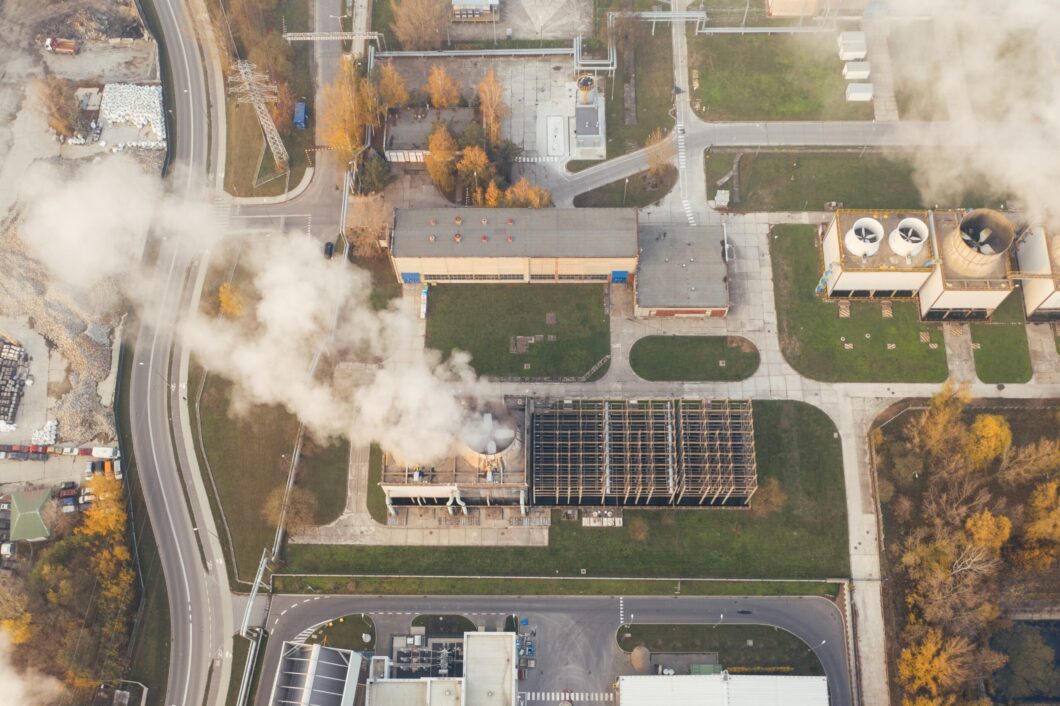
    “Federal public lands used for fossil fuel extraction contribute 24% of the United States’ Greenhouse Emissions,” according to 10 environmental groups in their ongoing lawsuit against the U.S. Department of the Interior, Secretary of the Interior Debra Haaland, the Bureau of Land Management (BoLM), and BoLM Director Tracy Stone-Manning (Dakota Resource or Council, et al, v. U.S. Department of the Interior, et al., D. D.C., No. 1:22-cv-1853 ).

    Their lawsuit seeks to invalidate 173 oil and gas leases approved in June 2022 across eight states:  Colorado, Montana, Nevada, New Mexico, North Dakota, Oklahoma, and Utah, and Wyoming. 

    Plaintiffs include: Dakota Resource Center, Center for Biological Diversity, Citizens for a Healthy Community, Living Rivers & Colorado Riverkeeper, Montana Environmental Information Center, Rio Grande Waterkeeper, Sierra Club, Waterkeeper Alliance, Western Waterheads Project, and WildEarth Guardians.

    The environmental groups argue the BoLM is in violation of the National Environmental Policy Act (NEPA) 42 U.S.C. § 4321, for failing to make efforts to prevent or eliminate damage to the environment and biosphere. The groups also argue that Secretary Haaland failed to follow the instructions of the Federal Land Policy and Management Act (FLPMA) 43 U.S.C. § 1701, which requires her office to “take any action necessary to prevent unnecessary or undue degradations of the land.”

    Five states have intervened for the defendants: Montana, North Dakota, Oklahoma, Utah, and Wyoming. Defendants, through Montana Attorney General Austin Knudsen, argued in their answer filed Oct. 21, 2022, the complaint failed to state a claim upon which relief could be granted, the plaintiffs lacked standing, that plaintiffs failed to exhaust their administrative remedies, and that the intervening states reserve the right to further amend pleadings throughout the course of litigation.

    In January 2021 the newly-transitioned Biden Administration issued Executive Order 14008 requiring the Interior Department to place a “pause” on all new oil and gas leases and required the BoLM produce a report containing a review and reconsiderations of Interior’s leasing program. Louisiana challenged the order’s “pause” in Louisiana v. Biden, 543 F. Suppl. 3d 388, 410 (W.D. La. 2021) and won, reversing the order’s policy on oil and gas leases but kept the order’s requirement for the Interior Department to produce its report on leasing practices.

    Interior published a 14-page report on Nov. 27, 2021, that highlighted recommendations for fiscal reforms but contained no analysis of the leasing program’s climate impacts. This report failed to acknowledge the BoLM’s recent acknowledgments of collaborative scientific research conducted by the federal multiagency Council of Environmental Quality in 2012, 2015, and in 2020, that revealed significant social costs incurred by greenhouse gas emissions. The BoLM acknowledged that lands under their management contained 96,100 actively producing oil or gas wells. This makes the BoLM responsible for managing lands producing as much as 7% of the country’s oil needs and 8% of its gas needs.

    The coalition filed a motion for summary judgment on March 9, 2023, asking the judge to conclude the matter before greenhouse gas emissions from these lease sites curtail efforts by the United States to reduce greenhouse gas emissions by 2030. The coalition also addressed the defendants’ affirmative defense that plaintiffs lacked standing to allege injury for damage to aesthetic and recreational values of the land. The groups argued that “actual environmental harm from complained-of activity need not be shown,” citing Friends of the Earth v. Laidlaw, 528 U.S. 167, 180-81 (2000).

    The environmental groups argued that the BoLM failed to follow NEPA by filing six separate Environmental Assessments that did not take into account the project’s at-large social costs. The BoLM failed to produce an impact report to the public about estimated greenhouse gas emissions generated throughout various stages of managing land containing active gas and oil production. Under Conner v. Burford, 848 F.2d 1441, 1451 (9th Cir. 1998), the groups argue the BoLM failed to comply with NEPA by streamlining the sale process and not properly conducting an environmental impact study for the 162 lease sites as an entire project rather than on a state-by-state basis. Under Conner, “[a] sale of an oil and gas lease represents an irreversible and irretrievable commitment of resources.” The environmental groups also point blame at Secretary Haaland for failing to follow instructions provided by the FLPMA regarding the management of federal lands.

    FLPMA instructs the Secretary of the Interior to consider multiple federal land management principles, including: the combination of balanced and diverse resources; needs of future generations for renewable and nonrenewable resources, recreation, range, timber, minerals, watershed, wildlife and fish; and the mutual, scientific, and historical value of the lands. The environmentalists insinuate that Haaland should have directed Interior to invalidate the lease sales and ordered the BoLM to restart the oil and gas lease assessment process in order to be NEPA compliant. The defendants’ answer to this motion is expected in the coming days.

    Hunter Schmitz

    Hunter SchmitzGuest Writer

    Hunter Schmitz is a freelance legal writer and paralegal with Focus on Property Law and Civil Litigation.

    The Texas Two-Step: Testing Bankruptcy Law and Jury Rights with Adam Silverstein

    September 7th, 2026|Comments Off on The Texas Two-Step: Testing Bankruptcy Law and Jury Rights with Adam Silverstein

    The Hidden Danger of Carbon Monoxide: Proving Exposure, Brain Injury & Liability with Sam Cannon

    August 30th, 2026|Comments Off on The Hidden Danger of Carbon Monoxide: Proving Exposure, Brain Injury & Liability with Sam Cannon

    War Risk Insurance and Exclusion | Webinar for CLE Credit

    August 2nd, 2026|Comments Off on War Risk Insurance and Exclusion | Webinar for CLE Credit

    AI and the Law: A Year-End Retrospective 2025 and Beyond | Webinar for CLE Credit

    July 26th, 2026|Comments Off on AI and the Law: A Year-End Retrospective 2025 and Beyond | Webinar for CLE Credit

    HIPAA Meets Social Media Marketing with Liz Heddleston and Leah Stiegler

    June 22nd, 2026|Comments Off on HIPAA Meets Social Media Marketing with Liz Heddleston and Leah Stiegler

  • Conservationists Try Again to Block Drilling in Alaska’s Western Arctic

    Conservationists Try Again to Block Drilling in Alaska’s Western Arctic

    Willow II:
    Conservation Groups Sue Again to Stop Oil Project in Alaska’s Western Arctic

    mountains clouds water

    Photo by Yuval Zukerman on Unsplash

    Several conservation groups filed a lawsuit in the U.S. District Court for the District of Alaska against the federal government in another effort to halt the Willow Master Development Plan (Willow Oil Project), a proposed oil and gas development in Alaska’s Western Arctic. Spearheading the development is ConocoPhillips Alaska Incorporated. The project was approved for a second time by the Biden Administration only a day before the filing of the plaintiffs’ complaint.

    The Willow Oil Project

    The Willow Oil Project is a multi-billion dollar project that would involve the construction of drilling pads, pipelines, and other infrastructure in the National Petroleum Reserve-Alaska (Reserve). The project involves drilling up to 250 wells for the purpose of generating 586 million barrels of oil within its 30-year lifespan. As a direct result of the activity, roughly 258 million metric tons of greenhouse gas emissions would be released into the atmosphere. The project has been controversial due to concerns over its potential impacts on the environment and wildlife in the area.

    Willow II Case History

    ConocoPhillips first proposed the Willow Oil Project to the Bureau of Land Management (BoLM) in May of 2018. After determining that the project was a major federally-involved action that would significantly affect the quality of the human environment, the BoLM knew it had to prepare an Environmental Impact Statement (EIS) pursuant to the National Environmental Policy Act (NEPA).

    After studying the Willow Oil Project and comparing it to three action-alternatives and one no-action alternative, as well as seeking public comment, the BLM published a final EIS for the Willow Oil Project on Aug. 14, 2020. The BLM’s approval was immediately contested in the Alaskan District Court by conservation and Alaska-native groups.

    About a year later, on August 18, 2021, the plaintiffs were successful in obtaining a court order vacating the first project approval due to NEPA and Endangered Species Act (ESA) violations. Regarding the NEPA, the BLM “fail[ed] to adequately disclose and analyze the project’s downstream greenhouse gas emissions and by restricting the project alternatives it considered based on the mistaken view that ConocoPhillips had a right to extract all of the oil and gas on its leases.” And, the U.S. Fish and Wildlife Service (FWS) “violated the ESA by relying on unspecified Marine Mammal Protection Act . . . mitigation measures to support the no jeopardy and adverse modification determinations in its biological opinion for the polar bear, and by issuing an arbitrary and capricious incidental take statement for the bear.” The court then remanded to the BoLM for actions not inconsistent with its ruling.

    On remand, the BoLM prepared a draft Supplemental EIS (SEIS) in July of 2022. The draft SEIS contained the same three alternative actions and one non-action alternative from the initial EIS, plus a new action alternative. After receiving public comment, including from the instant plaintiffs, the BoLM published its final SEIS for the Willow Oil Project on Feb. 3, 2023. Subsequently, the BoLM published a record of decision approving the Willow Project on March 13, 2023.
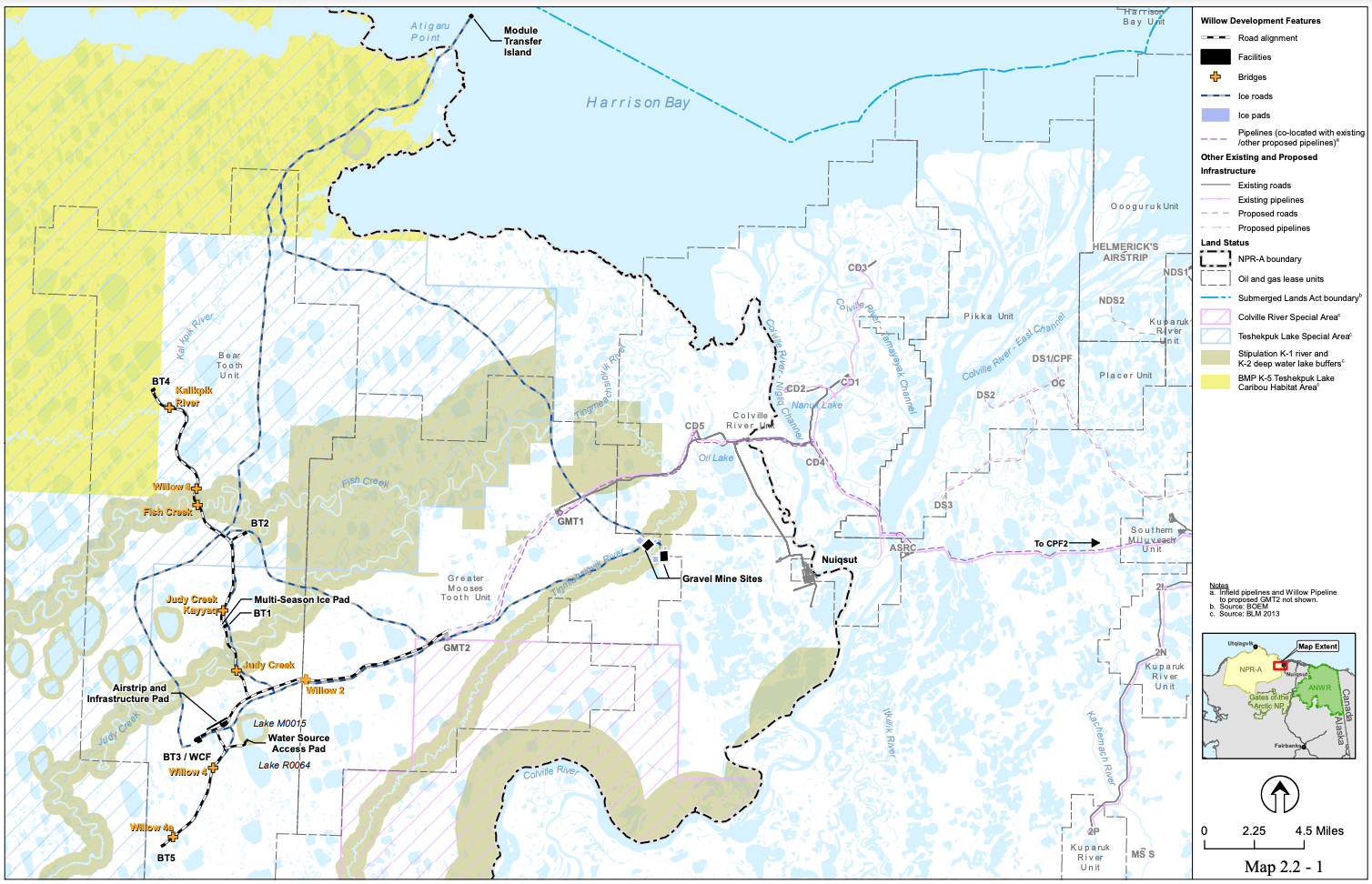
    image1

    Plaintiffs’ Complaint

    On March 14, 2023, Earthjustice, a non-profit environmental law organization, filed a complaint on behalf of several plaintiffs. Included in the group of plaintiffs are the Natural Resources Defense Council, Center for Biological Diversity, Defenders of Wildlife, Friends of the Earth, and Greenpeace, Inc.

    In their complaint, the plaintiffs allege that the BoLM failed to adequately assess the Willow Oil Project’s impacts on the region’s wildlife and its contributions to climate change before issuing its ROD, allowing the project to move forward, thus violating the NEPA, ESA, and Administrative Procedure Act (APA). The complaint consists of five claims for relief.

    Count I: NEPA

    In the first count, plaintiffs assert that the BoLM’s final SEIS violated the NEPA by failing to consider any project-alternative “that would meaningfully reduce the climate impacts of the Willow Project by reducing total downstream greenhouse gas emissions, or any alternative that would prohibit infrastructure in the Teshekpuk Lake Special Area and the Colville River Special Area.” Plaintiffs take issue with the fact that although BLM considered action alternatives as required by NEPA, all of the alternatives were based on BoLM fully developing the entirety of its oil and gas leases. Plaintiffs disagree with the BLM’s assertion that this was proper and necessary to avoid “strand[ing] an economically viable quantity of recoverable oil.”

    Count II: NEPA

    Plaintiffs’ second count alleges that the BLM committed another violation of NEPA by failing to take a “hard look” at the reasonably foreseeable risk of oil spills and potential discoveries of oil production prospects resulting from the project. Thus, the agency fell short of its NEPA duties to disclose and analyze the indirect and cumulative impacts of the Willow Oil Project.

    Count III: Reserves Act (APA)

    The third count in the plaintiffs’ complaint alleges that the BoLM violated the APA’s arbitrary and capricious decision-making standard by failing to act in accordance with the Reserves Act. The Reserves Act requires that the Secretary of the Department of the Interior “protect[] the ‘environmental, fish and wildlife, and historical or scenic values’ within the Reserve.” Plaintiffs believe that the BoLM’s evaluation of only “full lease development” project alternatives contradicts its protection duties under the Reserves Act “to condition, restrict, or prohibit activity as it determines necessary to protect surface resources.”

    Count IV: ESA – Unlawful NMFS Letter of Concurrence

    Plaintiffs’ fourth claim is that the BoLM biological assessment to the National Marine Fisheries Service (NMFS) and the NMFS Willow Letter of Concurrence failed to analyze the possible taking of ringed and bearded seals, along with other listed species. Plaintiffs fear that the taking of these ESA-listed seals would occur as a result of the project’s greenhouse gas emissions affecting their critical habitats. The complaint is silent on the nexus between the emissions and the habitat effects. Still, it asserts that the NMFS conclusions failed to properly engage in ESA Section 7 formal consultation to determine the project’s effects on the listed seals and prepare the necessary incidental take statements. Thus, the letter’s analysis of the affected threatened species and their critical habitats was arbitrary and capricious.

    Count V: ESA – Unlawful FWS Biological Opinion

    The fifth and final claim in the complaint argues that the FWS’s biological opinion was arbitrary and capricious due to its failure to properly consider in view of the best available science the threats to polar bears brought on by climate change exacerbated by the Willow Oil Project’s greenhouse gas emissions. Polar bears, like the seals above, are a listed species under the ESA. Plaintiffs allege that the potential greenhouse gas emissions would increase sea ice melting, which will decrease the availability of ice seal prey in the polar bear’s critical hunting habitat. The agency did not prepare the necessary incidental take statement for polar bears either.

    Requested Remedy

    To remedy the violations asserted, plaintiffs request that the court vacate the BoLM’s project approval and supporting documents on the ground that the approval decision was arbitrary and capricious. Plaintiffs also seek a reward of costs and attorneys fees related to the action.

    Defendants have not yet responded to the federal complaint, filed March 14, 2023. 

    Victoria Kline

    Victoria KlineGuest Writer

    Victoria is a third-year student at the University of Miami School of Law, Juris Doctorate Candidate 2023, Law Review Staff Editor, and soon-to-be associate at Jones Day.

  • Maximizing Insurance as Climate Change Intensifies

    Maximizing Insurance as Climate Change Intensifies

    HB presents an Anderson Kill webinar on-demand

    MAXIMIZING INSURANCE RECOVERY AS

    CLIMATE CHANGE INTENSIFIES

    As weather-induced disasters continue to intensify, maximizing insurance coverage after major storms, floods, wildfires, and other natural cataclysms is an essential survival skill for any business.

    In this session, attorneys who have successfully litigated property, business interruption and contingent business interruption claims from Hurricanes Katrina through Ida, along with wildfire and other major disaster claims, walk participants through all phases of insurance recovery, from buying the right policies to pursuing claims with persistence and awareness of pitfalls, to litigating successfully when necessary. Specific lessons from Hurricanes Sandy (2012), Harvey (2017) and Maria and Irma (2020) will be addressed.

    Topics:

    • Developing a pre-storm preparedness plan, including mitigation efforts, assembly of a claims team, and insurance coverage review;
    • Moving quickly to protect property from further damage, performing all emergency repairs, and documenting all losses in detail;
    • Preparing and presenting well-supported property damage claims;
    • Recognizing and including business interruption losses and extra expense outlays;
    • Highlighting policy interpretation issues that affect the scope of available coverage;
    • Outlining strategies for pursuing claims and incentivizing the insurance company to resolve them with due speed.

    On-Demand Registration

    Includes

    • 1+ CLE credits (subject to bar rules). CLE codes are embedded in the video. CLE questions?
    • Insights from experienced professionals.
    • The complete PowerPoint presentation.
    • Continued access to the complete recording for later use.
    • Answers to your questions via email to the presenters, or write to HB.

    Meet the Panel

    Finley Harckham
    Anderson Kill

    Finley is a senior litigation shareholder in the New York office of Anderson Kill and serves on
    the firm’s Executive Committee. Finley regularly represents and advises corporate policyholders and
    other entities in insurance coverage matters. He has successfully litigated, arbitrated and settled
    hundreds of complex coverage claims. His areas of particular focus include property loss, environmental,
    business interruption, directors and officers liability, construction, professional liability, aviation liability,
    cyber and general liability claims.

    Finley also has extensive experience in the field of international arbitration. His arbitration clients
    include government contractors, consumer products companies and manufacturers which Anderson Kill
    has represented in a wide range of disputes involving, among other things, service contracts, the
    purchase and sale of components, raw materials and products, and licensing agreements. He has
    successfully prosecuted and defended arbitrations in European countries and the United States under
    the London Arbitration Act, and the AAA, ICC and UNCITRAL arbitration rules.

    More about Finley

    Rhonda D. Orin
    Anderson Kill

    Rhonda is the managing partner of the firm’s Washington, D.C. office. She is also co-chair of the COVID Task Group. Rhonda represents policyholders in coverage cases nationwide, including cyber liability, third-party tort and environmental liability claims, first-party property damage and business interruption claims, directors & officers liability, errors & omissions liability, fidelity bonds and alternative risk transfer arrangements, including for employee benefit plans.

    She has served as lead counsel in multiple jury and bench trials, argued before the highest courts of several states, and appeared in two cases before U.S. Supreme Court. Through jury verdicts, summary judgment decisions and confidential settlements before and during litigation, she has recovered hundreds of millions of dollars for policyholders, including nine-figure recoveries.

    More about Rhonda

    Dennis J. Artese
    Anderson Kill

    Dennis is a shareholder in the New York office of Anderson Kill. He is also co-chair of the firm’s Construction Industry practice group and a member of the COVID Task group. Dennis’ national practice concentrates on all types of insurance recovery litigation, with an emphasis on securing insurance coverage for construction-related first-party property losses and third-party liability claims as well as for property and business interruption losses stemming from natural disasters and other perils.

    Dennis has substantial experience in all phases of litigation, arbitration and property insurance appraisals, and has recovered hundreds of millions of dollars of insurance proceeds on behalf of policyholders in connection with a variety of property, builder’s risk, commercial general liability, umbrella and excess liability, D&O, E&O, crime, and political risk insurance claims. Dennis also has extensive experience in litigating insurance broker malpractice cases and other general commercial litigation disputes, including construction-related disputes. Dennis has been recognized by Super Lawyers for Insurance Coverage since 2012. He also has been recognized by Legal 500 for Insurance Advice to Policyholders and singled out as being a “superb lawyer and subject-matter expert.”

    More about Dennis

    Ronald Papa
    National Fire Adjustment Co.

    Ronald has been instrumental in NFA’s growth for more than 30 years. He has successfully adjusted more than 2,000 insurance losses working for a wide range of clients. Ron earned the prestigious designation of Senior Professional Public Adjuster and is accredited by the National Association of Public Insurance Adjusters (NAPIA), of which he is past president.

    He was named Person of the Year by NAPIA for “outstanding leadership” and recently addressed the National Symposium of Insurance Commissioners at their conference in Florida. Ron is approved as an instructor by numerous State Insurance Departments, the New York State Bar Association, and the Society of CPAs. He graduated from Niagara University.

    More about Ronald

    On Demand Registration

  • Strategies for Maximizing Insurance Recovery for Climate Change–Related Loss and Damage

    Strategies for Maximizing Insurance Recovery for Climate Change–Related Loss and Damage

    Strategies for Maximizing  Insurance Recovery for Climate Change–Related Loss and Damage

    Abstract

    Losses from natural catastrophes are costing many tens of billions as year, from hurricanes and tornadoes to record-breaking rainfall and floods. Whether the insurance industry will or can provide coverage for all of the devastating effects of climate change (or, as some might put it, a new and calamitous phase in our earth’s existence) only time will tell. In the meantime, policyholders must cross their Ts if they expect coverage. In this article the author shares insights on the complex but essential task of documenting and valuing post-storm losses.

    Author

    Dennis J. Artese (dartese@andersonkill.com) is a shareholder in the New York office of Anderson Kill P.C. His practice concentrates on insurance recovery litigation, with an emphasis on securing insurance coverage for first-party property losses, construction accidents, and third-party liability claims.

    About
    The Journal on Emerging Issues in Litigation is a co-production of HB, Fastcase, and Law Street Media. You can also hear the complementary (and complimentary) Emerging Litigation Podcast wherever podcasts appear. For questions, contact Tom Hagy, Editor in Chief, at Editor@LitigationConferences.com.

    Loading Viewer…

  • Climate Change Litigation Expands with Addition of Hoboken, NJ’s Suit Against Big Oil

    Climate Change Litigation Expands with Addition of Hoboken, NJ’s Suit Against Big Oil

    Excerpt of Sept. 2, 2020 post at HobokenNJ.gov.

    Decades-long campaign of misinformation has directly contributed to effects of climate change in Hoboken, City seeks relief for costs associated with climate adaptation efforts.

    Hoboken Mayor Ravi S. Bhalla today announced that the City of Hoboken has filed a lawsuit in Hudson County against Exxon Mobil, other Big Oil companies, and the American Petroleum Institute for a decades-long campaign of misinformation related to climate change and its devastating impact on Hoboken. According to the lawsuit, Big Oil companies have caused substantial harm to the public in Hoboken and New Jersey by actively lying about the detrimental effects of their products when in fact their own research indicated otherwise, all in order to generate multibillion dollar profits by producing, marketing, and selling vast quantities of fossil fuels. Big Oil engaged in a continuous practice of misleading the public about climate change and their role in it, directly resulting in adverse impacts in Hoboken including rising sea levels that jeopardize the long-term health of the City.

    Photo by Patrick Hendry on Unsplash

    “As a coastal community, Hoboken has directly felt the impacts of climate change, including rising sea levels and more frequent storms,” said Mayor Bhalla. “At the same time we’ve invested hundreds of millions of dollars adapting to the realities of climate change, Big Oil companies have engaged in a decades long campaign of misinformation that has contributed to global warming which has disproportionately impacted our residents. We cannot stand idly by and allow Big Oil to continue profiting at the expense of Hoboken residents. It’s time these companies pay their fair share and be held accountable for their actions.”

    Hoboken joins at least 19 other cities, states and counties across the country, and the first in New Jersey to allege that Big Oil companies have engaged in repeated deception over a span of decades that has resulted in adverse impacts of climate change. The litigation comes at no expense to the City of Hoboken or Hoboken taxpayers. Legal fees associated with the lawsuit are funded, in part, by the Institute for Governance and Sustainable Development and, in part, through a contingency arrangement ….

    Read more and get the complaint from HobokenNJ.gov.