Category: Complex Business Litigation

  • Cyber Risk Management & Insurance Part 2: Advanced Level Webinar

    Cyber Risk Management & Insurance Part 2: Advanced Level Webinar

    Cyber Risk Management & Insurance

    Part 2: Advanced Level Webinar

    Description: Cyber risk is dynamic, and so are the cybersecurity measures and insurance products designed to respond to it. As cyber threats evolve, insurers have continually revised both traditional commercial policies and stand‑alone cyber insurance products. Some of these changes expand coverage, while others create traps for the unwary—through application representations, sub‑limits, and exclusions embedded in defined terms. At the same time, the claims environment has grown markedly more adversarial. Disputes that once rarely surfaced are now common, requiring policyholders to fight harder to secure the coverage they believed they purchased.

    Compounding these challenges, the widespread adoption of artificial intelligence and the proliferation of state privacy laws modeled in part on the GDPR have significantly expanded obligations related to data protection, privacy, and disclosure. Insurance remains a critical component of any cyber risk management strategy, but the cyber insurance marketplace lacks uniformity, and policy quality varies widely. Policyholders must therefore be sophisticated consumers at both placement and renewal, while continuing to devote substantial resources to preventing and responding to cyber incidents.

    This webinar will examine emerging cyber risk exposures—including AI-related liabilities, pixel‑tracking claims, system damage, and business interruption—and the insurance coverage disputes arising from those risks. The program will address both first‑party and third‑party coverage issues, as well as enforcement and regulatory developments involving state attorneys general and federal agencies, including the FTC, SEC, HHS, the Department of the Treasury, and the New York Department of Financial Services. Attendees will gain practical insight into how these regulatory actions intersect with cyber and traditional commercial insurance policies, and how policyholders can better position themselves to protect coverage in an increasingly contested landscape.

    Agenda:

    • Understand new and developing risk vectors.
    • Understand underwriting challenges, including the purchase and renewal processes for dedicated cyber insurance products.
    • Understand developments with 3rd party insurance products, including wrongful tracking and privacy claims.
    • Understand developments with 1st party insurance products, including system damage and business interruption losses.
    • Understand challenges in navigating the claims handling process and ADR issues that can arise.

    As always, if you have comments or wish to participate in one our projects please drop us a note at Editor@LitigationConferences.com.

    TAKE IT NOW

    Available now to CeriFi LegalEdge subscribers. Don’t subscribe? Don’t despair. Use code HB20 for 20% off. Or, HBSub20 for 20% off a full solo subscription. While supplies last.

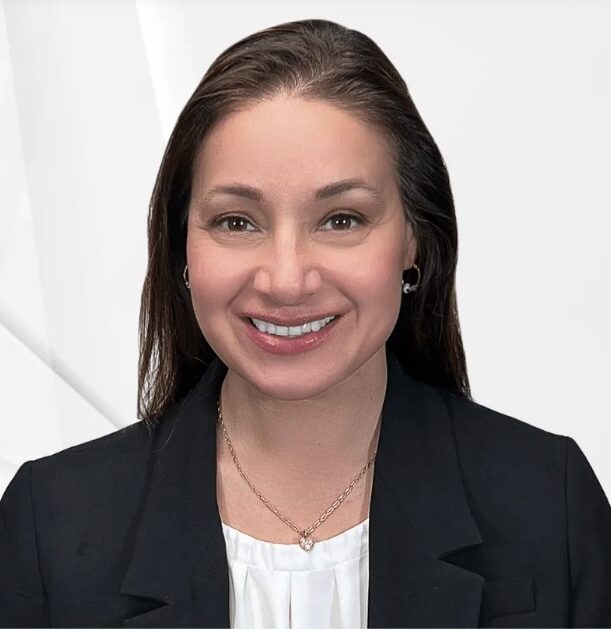
    Miranda Jannuzzi

    Miranda JannuzziSenior Vice President, Aon

    Miranda Jannuzzi is Senior Vice President on Aon’s Cyber Solutions E&O/Cyber Product team, where she focuses on cyber insurance product innovation and risk transfer solutions for clients. Previously counsel at an Am Law 50 firm, she spent more than a decade representing corporate policyholders in insurance coverage disputes and recovery matters across multiple industries. Miranda earned her J.D. from Temple University Beasley School of Law and is licensed in Pennsylvania and New Jersey.

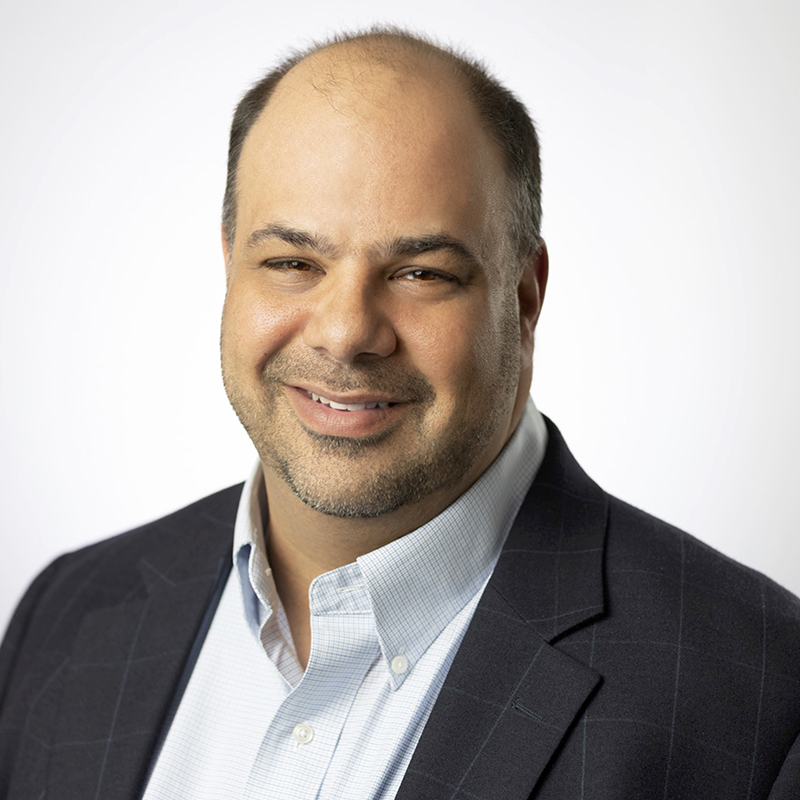
    Joshua Gold

    Joshua GoldShareholder, Anderson Kill

    Joshua Gold is a shareholder in Anderson Kill’s New York office representing corporate and nonprofit policyholders in insurance recovery matters. He has secured more than $1.5 billion in recoveries for clients and writes regularly on insurance issues, including a column in Risk Management Magazine. Josh is an adjunct professor of insurance law at Brooklyn Law School and president of Interleges, an international alliance of independent law firms.

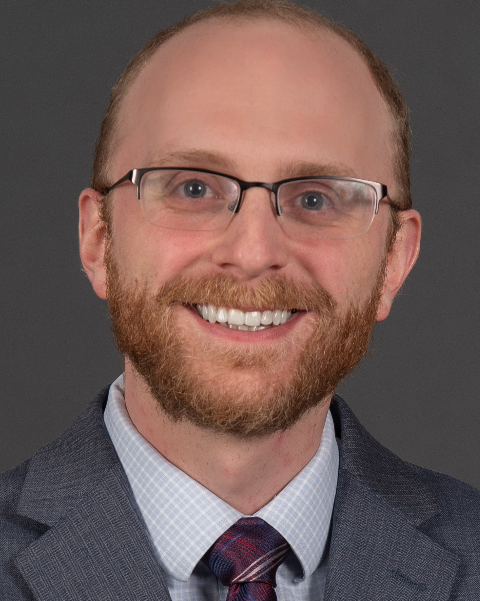
    Luma S. Al-Shibib

    Luma S. Al-ShibibShareholder, Anderson Kill

    Luma S. Al-Shibib is a shareholder in Anderson Kill’s New York office and co-chair of the firm’s Cybersecurity and Cyber Insurance Recovery Groups. She focuses on insurance recovery for corporate policyholders, including cyber liability, crime, and D&O coverage, and has secured more than $100 million in recoveries for clients. Luma earned her J.D. from Brooklyn Law School and her B.A., cum laude, from Connecticut College.

  • The DOJ’s Antitrust Whistleblower Rewards Program 2025 : Take the CLE Webinar

    The DOJ’s Antitrust Whistleblower Rewards Program 2025

    Description: This hour-long educational session explains the Department of Justice’s new initiative that offers monetary awards to individuals who report antitrust violations involving fraud, including mail and wire fraud. Rewards can be up to 30% of the criminal fines collected in cases resulting from the whistleblower’s information. The presentation features two highly regarded attorneys with successful whistleblower and antitrust litigation practices.  

    Agenda:

    • Origins of Whistleblower Laws: How the False Claims Act and similar statutes created the framework for incentivizing insider reporting.  
    • Whistleblower Process and Protections: Filing under seal, government investigations, and anti-retaliation provisions.  
    • Antitrust Enforcement Basics: Key statutes such as the Sherman Act, Clayton Act, and FTC Act, and how they apply to anti-competitive conduct.  
    • Details of the DOJ Program:  Who qualifies as a whistleblower? Types of violations covered, including price-fixing, bid-rigging, and market allocation schemes. How to submit information and the role of confidentiality. Calculation of awards and coordination with existing DOJ leniency programs.  
    • Strategic Considerations: Interaction with other whistleblower programs, ethical issues, and potential constitutional challenges.  
    • Enforcement Trends: Current DOJ priorities and the role of whistleblowers in detecting cartels and other anti-competitive practices.

    *We produced this simultaneously as a podcast, because we’re just that clever. Look for it on our website or catch it directly on BuzzSprout.

    As always, if you have comments or wish to participate in one our projects please drop us a note at Editor@LitigationConferences.com.

    TAKE IT NOW

    Available now to CeriFi LegalEdge subscribers. Don’t subscribe? Don’t despair. Use code HB20 for 20% off. Or, HBSub20 for 20% off a full solo subscription. While supplies last.

    Julie Keeton Bracker

    Julie Keeton BrackerPartner

    Julie Keeton Bracker is a nationally recognized False Claims Act attorney with nearly two decades of experience representing whistleblowers and exposing fraud against the government. A former defense lawyer turned relator’s advocate, she co-founded Bracker & Marcus LLC, a firm dedicated to “doing well by doing good.”

    Dan Mogin

    Dan MoginManaging Partner | Mogin Law LLP

    Dan Mogin is a nationally respected antitrust litigation attorney with decades of experience leading and shaping major competition cases across the United States. As managing partner of The Mogin Law Firm LLP he has served as lead and liaison counsel in numerous high-profile antitrust and unfair competition class actions. Dan also has experience as author and lecturer on this complex area of law.

  • Maryland Child Victims Act: Defending & Pursuing Insurance Coverage for Abuse Claims | Get CLE

    Maryland Child Victims Act: Defending & Pursuing Insurance Coverage for Abuse Claims | Get CLE

    Maryland’s Child Victims Act: Defending and Pursuing Insurance Coverage for Abuse Claims

    Gain a better understanding of how Maryland’s Child Victims Act is reshaping abuse litigation—and what institutions, insurers, and counsel must know to navigate revived claims and complex coverage disputes.

    Following the passage of Maryland’s Child Victims Act (CVA), which reopened time-barred claims of child sexual abuse, hundreds of lawsuits have been filed against schools, nonprofits, religious institutions, and other organizations that once had minors in their care. With insurance often serving as the primary source of funding for defense and compensation, both plaintiffs and defendants face complex coverage questions. 

    This event examined the implications of the CVA, explore how institutions and insurers are responding, and discuss key considerations for managing litigation and maximizing available coverage. 

    Learning Objectives 

    • Understand the key provisions and implications of Maryland’s Child Victims Act (CVA) and its effect on historic abuse claims. 
    • Review damages caps, charitable immunity defenses, and other statutory limitations under the CVA. 
    • Examine trends and judicial approaches in Maryland CVA litigation, including pretrial management and discovery issues. 
    • Identify liability exposures for institutions, schools, nonprofits, and religious organizations facing revived claims. 
    • Explore available coverage under CGL, D&O, SAM, and Umbrella insurance policies for abuse-related and negligent supervision claims. 
    • Learn best practices for providing notice and maintaining effective communication with insurers. 
    • Recognize insurer tactics and strategies for protecting policyholder interests in settlement and defense. 
    • Gain practical guidance on insurance archaeology and how to locate and reconstruct historic coverage.

    TAKE IT NOW

    Available now to CeriFi LegalEdge subscribers. Don’t subscribe? Don’t despair. Use code HB20 for 20% off. Or, HBSub20 for 20% off a full solo subscription. While supplies last.

    Speakers

    Cameron R. Argetsinger

    Cameron R. ArgetsingerShareholder – Anderson Kill

    Cameron R. Argetsinger is a Shareholder in the D.C. office of Anderson Kill. He focuses his practice on insurance recovery counseling and dispute resolution. Representing corporate policyholders in a broad range of insurance coverage disputes, including claims involving coverage for cyber liability, employment practices, antitrust, environmental contamination, flood and hurricanes, toxic substances and more. He received his JD from George Mason University School of Law and his BA from the College of William and Mary.

    Brian Della Torre

    Brian Della TorrePresident – Insurance Archaeology Group (IAG)

    For over 20 years, Brian Della Torre has led research projects across industries, conducting document reviews at manufacturing sites, records centers, law firms, and courts nationwide. He has supported corporate due diligence by investigating insurance programs in mergers and acquisitions, and helped nonprofits, universities, hospitals, churches, and religious organizations reconstruct historic insurance coverage. Brian has completed hundreds of onsite reviews at churches, schools, missions, archives, and retreat centers.

    He earned his B.A. in political science from American University and an M.A. in early modern political philosophy from the University of Chicago, where he focused on Machiavelli. He began his career on Capitol Hill with the House Committee on Education and the Workforce.

    Sean Gugerty

    Sean GugertyPartner – Goodell Devries, Leech & Dann, LLP

    Sean Gugerty is a partner at Goodell DeVries and co-chair of the Product Liability practice group. He defends clients in complex product liability and commercial litigation, including pharmaceutical manufacturers in state and federal courts, class actions, and multidistrict litigation.

    He also represents healthcare providers, institutions, and schools in medical malpractice matters and claims under Maryland’s Child Victims Act. Sean has secured key litigation victories, including dismissal of all claims against Generic Manufacturers in the In re: Zantac MDL.

    He previously clerked for judges at the Supreme Court of Maryland and the Appellate Court of Maryland. Sean is a graduate of the University of Maryland School of Law and St. Mary’s College of Maryland.

    Glen FeinbergPartner – Feinberg & Gasbarro LLP

    Glen Feinberg is a trial and litigation attorney representing clients in commercial, employment, and professional liability disputes. He focuses on defending individuals and institutions facing claims of severe emotional distress and psychiatric injury, including cases brought under New York’s Child Victims Act and similar laws.

    Known for his sensitive, forward-looking approach, Glen draws on his understanding of neurobiology, advanced psychotherapy concepts, and a strong network of local counsel to guide clients through high-risk, complex matters.

    He began his career as an Assistant District Attorney in Manhattan and is admitted to practice in New York, multiple federal districts, and the Second Circuit. Glen earned his J.D. from the University of Virginia School of Law and his B.A. from American University.

  • Ninth Circuit Rejects Religious Accommodation Claim in COVID Testing Case

    Ninth Circuit Rejects Religious Accommodation Claim in COVID Testing Case

    Emerging Litigation Podcast

    Emerging Litigation PodcastProduced by HB Litigation

    Interviews with leading attorneys and other subject matter experts on new twists in the law and how the law is responding to new twists in the world.

    Interested in contributing an article? Email us at Editor@LitigationConferences.com.

    Ninth Circuit Rejects Religious Accommodation Claim in COVID Testing Case 

    This ruling provides helpful clarity for employers—especially in healthcare—who continue to navigate religious accommodation requests post-pandemic.

    –Stefani Schwartz

    In Detwiler v. Mid-Columbia Medical Center, the Ninth Circuit upheld the dismissal of a Title VII religious discrimination claim brought by a healthcare worker who objected to weekly COVID-19 antigen testing despite being granted a vaccination exemption. The court held that the plaintiff failed to plead a bona fide religious belief that conflicted with the testing requirement, and that the employer’s accommodation—masking plus testing—was reasonable. 

    Employment attorney Stafani Schwartz told HB Litigation that this ruling provides helpful clarity for employers—especially in healthcare—who continue to navigate religious accommodation requests post-pandemic. In practice, most litigation in this area turns on what is considered a reasonable accommodation, and how far an employer must go before it becomes an undue burden. 

    Stefani noted that the Ninth Circuit reinforced several key points for employers:
    • A religious objection must be tied to an identifiable and sincerely held religious belief—not personal or philosophical opposition.
    • Reasonable accommodations grounded in safety, such as testing or masking, are likely to be upheld when implemented consistently.
    • Employers are not required to offer an employee’s preferred accommodation if a reasonable alternative already exists. 

    Stefani emphasized that for defense counsel, the case highlights the continuing importance of:
    • Maintaining clear, consistent policies
    • Documenting an interactive accommodation process
    • Ensuring all decisions are tied to legitimate business and safety needs 

    Taken together, the ruling strengthens employers’ ability to defend against religious discrimination claims where a good-faith, reasonable accommodation has already been provided.
     

  • California AI Hiring Law Takes Effect, Mandating Bias Audits

    California AI Hiring Law Takes Effect, Mandating Bias Audits

    Emerging Litigation Podcast

    Emerging Litigation PodcastProduced by HB Litigation

    Interviews with leading attorneys and other subject matter experts on new twists in the law and how the law is responding to new twists in the world.

    Interested in contributing an article? Email us at Editor@LitigationConferences.com.

    California AI Hiring Law Takes Effect, Mandating Bias Audits 

    These regulations introduce a new category of potential liability. Employers can no longer focus solely on their own conduct in the hiring process—they must now account for the behavior and impact of the automated tools they rely on.

    –Stefani Schwartz

    Effective October 1, 2025, California employers using automated decision systems (ADS) in hiring must conduct bias audits under new regulations issued by the Department of Industrial Relations. The law prohibits discriminatory use of AI tools in employment decisions and requires transparency in algorithmic processes. Employers must document compliance and may face penalties for violations under the Fair Employment and Housing Act (FEHA). The regulation is part of California’s broader effort to address algorithmic bias and protect workers’ rights in the digital hiring landscape. 

    Offering a labor and employment defense perspective, employment attorney Stefani Schwartz told HB Litigation News that these regulations introduce a new category of potential liability. Employers can no longer focus solely on their own conduct in the hiring process—they must now account for the behavior and impact of the automated tools they rely on. 

    Stefani noted that the law also reaches beyond what most people would consider “AI.” ADS is defined broadly enough to include résumé screeners, candidate-ranking software, and even algorithmic tools within platforms like LinkedIn or Indeed. These tools do not need to be abandoned, but employers must rethink how they are deployed and disclosed. 

    Key steps Stefani says employers should consider now:
    • Maintain transparency – Inform applicants when ADS is used and how it influences hiring decisions.
    • Screen for bias – Regularly audit tools for disparate impact and adjust criteria to remain skills-focused and compliant.
    • Retain human oversight – Use technology as a tool, not a substitute for judgment. Ensure real people review final hiring decisions. 

    As California moves into a new era of AI oversight, employers who proactively reassess their hiring systems and document compliance will be best positioned to avoid discrimination claims and demonstrate good-faith fairness in hiring. 

  • Authentic Business Development for Litigators: Stop Chasing Cases and Start Building Clients with John Reed on the Emerging Litigation Podcast

    Authentic Business Development for Litigators: Stop Chasing Cases and Start Building Clients with John Reed on the Emerging Litigation Podcast

    Authentic Business Development for Litigators: Stop Chasing Cases and Start Building Clients with John Reed

    Concepts: Law Practice Management

    Waiting for lawsuits to present themselves is the worst growth strategy a litigator can have.

    In this episode, I get to speak with John Reed, founder and chief relationship builder at Rain BDM and host of Sticky Lawyers, to rethink business development from the ground up. His most popular episodes was about Bob Mionske, an Olympic road racing cyclist turned “bicycle lawyer.” Give it a listen.  

    With a background spanning law, marketing, and sales, John helps attorneys translate the language of business development into practical strategies that work even within law firm cultures. Can you imagine? Known for blending creativity, emotional intelligence, and big-picture thinking, he brings a unique perspective on how lawyers can stand out authentically and effectively in a crowded market.

    John shares how traditional litigator traits—decisive, fast, commanding—can win in court but backfire with clients who value collaboration and reflection. He outlines a practical model for defining your professional brand through role, skill, context, and style—and explains why style may be your strongest differentiator.

    We also dig into how introverted lawyers can grow client relationships through substance, not small talk, and how remote mentoring can actually strengthen early-career development with the right habits and feedback.

    Whether you’re an associate building visibility or a partner looking to expand trusted relationships, this conversation will help you make your practice more resilient, referral-ready, and strategically aligned with how clients actually buy legal services.

    Thanks to Johnfor sharing his insight, humor, and practical wisdom on how to turn authentic connection into lasting business growth.

    As always, if you have comments or wish to participate in one our projects please drop me a note at Editor@LitigationConferences.com.

    Tom Hagy
    Litigation Enthusiast and
    Host of the Emerging Litigation Podcast
    Home Page
    LinkedIn

    John Reed

    John ReedFounder and Chief Relationship Officer, Rain BDM

    John Reed is the founder and Chief Relationship Builder at Rain BDM, where he helps law firms and lawyers stand out through authentic business development strategies. With a unique background spanning law, marketing, and sales, John bridges the gap between legal expertise and client connection—translating the language of marketing and human behavior for attorneys, and the language of law for their audiences. A frequent speaker and writer on legal marketing and client development, he also hosts the Sticky Lawyers podcast. John earned his J.D., cum laude, from Michigan State University College of Law.

    podcast logo face


    Want to appear on the Emerging Litigation Podcast?


    Send us your idea! 

    It might even make this man smile. “But I am smiling here.”

    No. No he’s not.

  • Subway Surfing Suit Against Meta and TikTok: Setting the Stage for Social Media Liability

    Subway Surfing Suit Against Meta and TikTok: Setting the Stage for Social Media Liability

    Emerging Litigation Podcast

    Emerging Litigation PodcastProduced by HB Litigation

    Interviews with leading attorneys and other subject matter experts on new twists in the law and how the law is responding to new twists in the world.

    Interested in contributing an article? Email us at Editor@LitigationConferences.com.

     Subway Surfing Suit Against Meta and TikTok: Setting the Stage for Social Media Liability 

    The Legal Battle Over Algorithmic Targeting and Dangerous Challenges 

    By Tom Hagy*

    I will confirm it, not that I will be the first. Without much prompting, teenage boys will do really stupid, really high-risk things. Or, in the minds of teenage boys, really exciting, really entertaining things.  

    I have stories I can only share now that my parents are no longer alive. I regularly surfed on top of a moving station wagon that my other friend was driving speedily up a pedestrian pathway. I rode my bike at top speed down a hill into a ditch, hoping it would swallow and lock my front wheel, just to see how far over the handlebars I would fly. On my first day ever on skis I jetted straight down an icy hill meant for experts, going as fast as I could – a trip cut short by a collision with a half-ton snow gun that snapped my ski in half. In each case, I suffered not a scratch. At least that I can remember. And I wasn’t one to journal.  

    Blame it on an undeveloped prefrontal cortex and/or the sweet rush of adrenaline. Either way, the outcome was the same. But with prompting, I would do even more. Now I think, what if I could have shared my feats with thousands or potentially millions of people around the world? Many of them girls! “Has anyone strapped themselves to a rocket recently?” I would have wondered.  

    Thanks to social media, that is what teenagers have at their disposal today. And that is what inspired a New York teenager to attempt what would end up being his last shot at social media attention and his last act. The lawsuit brought by his mother recently withstood a motion to dismiss, but with some paring. Below are details of that case, the arguments made by the parties, and some notes on other similar cases.  

    The Subway Surfing Case  

    On June 27, 2025, the New York County Supreme Court issued a decision in Nazario v. ByteDance Ltd., allowing a wrongful death lawsuit to proceed against social media giants Meta (Instagram) and TikTok’s parent company ByteDance. The case centers on the tragic death of 15-year-old Zackery Nazario, who died while “subway surfing” in Brooklyn—a risky act allegedly fueled by dangerous viral content promoted through algorithmic targeting on these platforms. 

    Justice Paul A. Goetz’s decision rejected the defendants’ attempt to dismiss the case on several grounds, signaling a potential shift in the landscape of platform liability. Norma Nazario, Zackery’s mother, contends that Meta and TikTok intentionally designed their products to addict young users and promoted hazardous “subway surfing” challenges to Zackery, encouraging participation in deadly trends. The court found these claims plausible, especially given allegations that the companies’ algorithms actively pushed such content to minors who had not even solicited it, potentially exceeding the protections afforded by Section 230 of the Communications Decency Act. 

    The ruling held that Section 230 immunity, often a powerful shield for social media companies, does not necessarily cover claims where platforms are alleged to have played an active role in targeting and promoting dangerous content. The court cited recent precedents, including Anderson v. TikTok, Inc. (3rd Cir. 2024), which recognized that algorithmic amplification of harmful challenges could fall outside Section 230’s scope. 

    Additionally, the court ruled that the plaintiff’s claims for strict product liability (design defect and failure to warn), negligence, wrongful death, and loss of services could proceed. Claims against the Metropolitan Transportation Authority and New York City Transit Authority were dismissed, with the judge finding that Zackery’s own conduct was the superseding cause and that transit agencies had no further duty to warn of the obvious dangers of subway surfing. 

    Part of a Broader Legal Trend 

    While the Nazario case has garnered attention for its focus on algorithmic promotion of dangerous challenges, it is not an isolated event. Across the United States and internationally, social media platforms face increasing litigation over their role in allegedly encouraging minors to participate in risky, and sometimes deadly, viral trends. 

    Other high-profile cases include lawsuits surrounding the so-called “Blackout Challenge,” where children lost their lives or suffered severe injury after participating in asphyxiation games promoted or popularized on social media. In Anderson v. TikTok, Inc., the Third Circuit Court of Appeals allowed claims to proceed, drawing similar lines between passive hosting of content and active algorithmic promotion to vulnerable users.  

    Families in multiple jurisdictions have brought wrongful death and product liability actions against platforms for challenges ranging from dangerous stunts to pharmaceutical misuse, with courts increasingly scrutinizing the underlying design and function of recommendation algorithms. 

    Many cases, like Nazario’s, allege that companies not only failed to curb the spread of hazardous content but also engineered their platforms to maximize engagement among minors, amplifying the reach and appeal of dangerous trends. Plaintiffs have also pointed to internal documents and whistleblower revelations that, they claim, demonstrate the companies’ awareness of the risks to young users. 

    Arguments in the Motion to Dismiss and Plaintiffs’ Response 

    In their motion to dismiss, Meta and TikTok argued: 

    • Section 230 Immunity: The companies argued that the Communications Decency Act shields them from liability because the content at issue was user-generated, and platforms are protected from claims arising from third-party content.
    • No Duty Owed Under Product Liability: They asserted that social media platforms are not “products” under New York law and thus not subject to strict product liability theories.
    • First Amendment Protection: The defendants claimed the suit sought to regulate protected speech, which would violate their First Amendment rights.
    • Dismissal of All Claims: They requested dismissal of all tort and statutory claims, including those for personal injury, unjust enrichment, and emotional distress.

    The plaintiffs countered:

    • Active Role and Algorithmic Promotion: Plaintiffs argued that the platforms went beyond mere hosting and played an active, targeted role by using algorithms to push dangerous content to minors. This, they contended, was not protected by Section 230.
    • Products Liability Applies: They asserted that, under New York law, digital platforms can constitute “products” when their design and function foreseeably lead to user harm. The court agreed, noting the plausibility of this legal theory.
    • First Amendment Not Absolute: Plaintiffs maintained that the lawsuit sought to regulate tortious conduct and negligent product design, not protected speech. The court concurred, holding that whether the companies’ actions were protected or actionable would require further factual development.
    • Survival of Key Claims: While some claims (including personal injury and certain statutory violations) were dismissed, the core allegations of strict product liability, negligence, wrongful death, and loss of services survived, ensuring the main case would proceed to discovery.

    Zooming Out 

    As I’ve said, there have been numerous lawsuits against social media companies alleging that their platforms encourage or amplify dangerous behavior, especially among children and teens. Here are some of the most notable examples and trends:

    1. Social Media Addiction and Harm MDL
    • Thousands of lawsuits have been filed against Meta (Facebook/Instagram), TikTok, Snapchat, YouTube, and Discord, alleging that these platforms are intentionally designed to be addictive to children and teens, causing mental health issues, self-harm, eating disorders, and even suicide.
    • These cases are consolidated in a multi-district litigation (MDL) in the Northern District of California, with bellwether trials set to begin in 2026.
    • Plaintiffs include families of affected children and school districts, arguing that platforms “prioritize engagement and growth over user safety” and “amplify dangerous content that prioritizes engagement over safety.”
    1. Viral Challenge Lawsuits
    • Subway Surfing Challenge (discussed in this article): The wrongful death lawsuit against Meta and TikTok for promoting subway surfing is part of a broader trend. Multiple lawsuits have been filed after children died or were injured participating in dangerous stunts seen on social media.
    • Blackout Challenge: TikTok faces lawsuits after children died participating in the “blackout challenge,” which encourages users to choke themselves until they lose consciousness. A federal appeals court recently ruled that TikTok can be sued for allegedly promoting this challenge through its algorithm.
    • Other Challenges: Lawsuits have also been filed over the “hot water challenge,” “Benadryl challenge,” and other dangerous viral trends.
    1. Product Liability Theory
    • Plaintiffs are increasingly using product liability claims to bypass Section 230 immunity, arguing that social media platforms are “defective products” because their design and algorithms addict users and promote harmful behavior.
    • Courts have begun to allow some claims to proceed, especially those focused on platform design rather than specific user content.
    1. Government and School District Lawsuits
    • Attorneys general in over 40 states have sued Meta, TikTok, and other platforms, alleging they misled the public about the dangers of social media and failed to protect children.
    • School districts are suing social media companies for contributing to the youth mental health crisis and increased disciplinary problems.
    1. Notable Cases and Rulings
    • Snapchat Speed Filter Case: A federal appeals court found that Snapchat could not invoke Section 230 to shield itself from a lawsuit claiming its speedometer filter encouraged speeding, resulting in a fatal crash.
    • Buffalo Shooting Case: The estates of victims of the 2022 Buffalo supermarket shooting sued social media platforms, arguing that their algorithms radicalized the shooter.

    Conclusion 

    The Subway Surfing case not only highlights the tragic consequences of dangerous viral challenges but also signals a shift in judicial willingness to scrutinize the design and operation of social media platforms. As courts allow more claims to proceed past the motion to dismiss stage, discovery will shed further light on algorithmic targeting and the responsibilities of tech companies to protect vulnerable users. The outcome of Nazario v. ByteDance Ltd., alongside similar cases nationwide, will start to shape the future of online safety, platform liability, and regulatory frameworks for years to come.


    *Tom Hagy has produced content for litigators in a variety of formats — news reporting services, conferences, webinars, podcasts, papers, and online research services — for more than 40 years. Wow. That’s longer than is probably healthy. He is founder of HB Litigation™, which is now a brand owned by Critical Legal Content LLC, provider of legal content for clients, which he founded in 2012. Tom can be reached at editor@litigationconferences.com. 

  • CEO Depositions and the Apex Doctrine with Rachel Lary on the Emerging Litigation Podcast

    CEO Depositions and the Apex Doctrine with Rachel Lary on the Emerging Litigation Podcast

    CEO Depositions and the Apex Doctrine with Rachel Lary

    Concepts: Depositions ; Executive Testimony

    You say you want a deposition?

    Plaintiff attorneys often request and are sometimes successful in deposing corporate CEOs and other chief executives. But there are many times when defense attorneys want to spare the C-suite from what can be high-risk and time-consuming exercises for someone whose knowledge or expertise may have little or nothing to do with the facts and issues in a case. 

    In this episode, I talk with Rachel M. Lary, a litigator with a nationwide practice at Lightfoot, Franklin & White, about the Apex Doctrine—a legal principle that protects high-ranking executives from being deposed unless certain conditions are met. Rachel explains how courts weigh an executive’s actual knowledge of a case, the availability of less intrusive discovery, and how judges have ruled on the doctrine around the country. (Her firm’s technologist, Sam McAllister, created an interactive map showing state-by-state treatment of the Apex Doctrine. We interviewed Sam in 2023.)

    Listen in and you will see why Fortune 500 companies rely on Rachel to represent them as national litigation counsel. I appreciate her sharing her insights on the podcast. I also appreciate that Rachel agreed to give a video tour of her remarkably neat office, which is what she thought I requested. I have a degree in communication, and maybe I should brush up. Rachel is both knowledgeable and a good sport.

    As always, if you have comments or wish to participate in one our projects please drop me a note at Editor@LitigationConferences.com.

    Tom Hagy
    Litigation Enthusiast and
    Host of the Emerging Litigation Podcast
    Home Page
    LinkedIn

    Rachel M. Lary

    Rachel M. LaryNational Litigator

    Rachel M. Lary is a national trial lawyer trusted by Fortune 500 companies to lead high-stakes litigation in product liability, medical malpractice, and business disputes. Known for her sharp strategy and persuasive advocacy, she has secured major wins in courts across the country.

    A partner at Lightfoot, Franklin & White, Rachel chairs the firm’s Marketing and Business Development Committee and has been recognized by Best Lawyers, Benchmark Litigation, and the Birmingham Business Journal. She also serves as Board Chair of Girls Inc. of Central Alabama and is active in her hometown of Homewood, Alabama.

    podcast logo face


    Want to appear on the Emerging Litigation Podcast?


    Send us your idea! 

    It might even make this man smile. “But I am smiling here.”

    No. No he’s not.

  • CEO Depositions and the Apex Doctrine with Rachel Lary on the Emerging Litigation Podcast

    CEO Depositions and the Apex Doctrine with Rachel Lary on the Emerging Litigation Podcast

    CEO Depositions and the Apex Doctrine with Rachel Lary

    Concepts: Depositions ; Executive Testimony

    You say you want a deposition?

    Plaintiff attorneys often request and are sometimes successful in deposing corporate CEOs and other chief executives. But there are many times when defense attorneys want to spare the C-suite from what can be high-risk and time-consuming exercises for someone whose knowledge or expertise may have little or nothing to do with the facts and issues in a case. 

    In this episode, I talk with Rachel M. Lary, a litigator with a nationwide practice at Lightfoot, Franklin & White, about the Apex Doctrine—a legal principle that protects high-ranking executives from being deposed unless certain conditions are met. Rachel explains how courts weigh an executive’s actual knowledge of a case, the availability of less intrusive discovery, and how judges have ruled on the doctrine around the country. (Her firm’s technologist, Sam McAllister, created an interactive map showing state-by-state treatment of the Apex Doctrine. We interviewed Sam in 2023.)

    Listen in and you will see why Fortune 500 companies rely on Rachel to represent them as national litigation counsel. I appreciate her sharing her insights on the podcast. I also appreciate that Rachel agreed to give a video tour of her remarkably neat office, which is what she thought I requested. I have a degree in communication, and maybe I should brush up. Rachel is both knowledgeable and a good sport.

    As always, if you have comments or wish to participate in one our projects please drop me a note at Editor@LitigationConferences.com.

    Tom Hagy
    Litigation Enthusiast and
    Host of the Emerging Litigation Podcast
    Home Page
    LinkedIn

    Rachel M. Lary

    Rachel M. LaryNational Litigator

    Rachel M. Lary is a national trial lawyer trusted by Fortune 500 companies to lead high-stakes litigation in product liability, medical malpractice, and business disputes. Known for her sharp strategy and persuasive advocacy, she has secured major wins in courts across the country.

    A partner at Lightfoot, Franklin & White, Rachel chairs the firm’s Marketing and Business Development Committee and has been recognized by Best Lawyers, Benchmark Litigation, and the Birmingham Business Journal. She also serves as Board Chair of Girls Inc. of Central Alabama and is active in her hometown of Homewood, Alabama.

    podcast logo face


    Want to appear on the Emerging Litigation Podcast?


    Send us your idea! 

    It might even make this man smile. “But I am smiling here.”

    No. No he’s not.

  • From Socks to Strategy: What Zoom Focus Groups Reveal About Your Case with Elizabeth Larrick

    From Socks to Strategy: What Zoom Focus Groups Reveal About Your Case with Elizabeth Larrick

    From Socks to Strategy: What Zoom Focus Groups Reveal About Your Case with Elizabeth Larrick

    Concepts: Trial Strategy; Jury Insights

    How do you know if your witness is credible? Is your evidence compelling—or confusing? And will a jury really care about those bright orange socks?

    In this episode of the Emerging Litigation Podcast, trial attorney and focus group consultant Elizabeth Larrick joins me to explain how remote focus groups are changing the way lawyers prepare for trial. Elizabeth shares what she’s learned from conducting over 1,000 Zoom focus groups—insights on testing case narratives, assessing witness credibility, refining trial strategy, and even improving jury selection.

    You’ll hear how quick, targeted virtual sessions help identify blind spots, shape more persuasive stories, and prevent courtroom surprises—while also giving lawyers valuable practice engaging with real people before trial.

    Plus: What happens when jurors prefer the disheveled guy over the polished one? Why you should probably rethink those flashy shoes? And why, sometimes, less (facial expression) is more.

    Thanks to Elizabeth for sharing her expertise—and her sharp eye for socks.

    If you have comments or wish to participate in one our projects please drop me a note at Editor@LitigationConferences.com.

    Tom Hagy
    Litigation Enthusiast and
    Host of the Emerging Litigation Podcast
    Home Page
    LinkedIn

    Elizabeth Larrick

    Elizabeth LarrickTrial Attorney and Focus Group Consultant

    Elizabeth Larrick is a litigation consultant, trial lawyer, and founder of the Larrick Law Firm in Austin, Texas. A former fellow at the prestigious Keenan Law Firm, she has worked on high-stakes cases nationwide and served for over five years as Co-Dean of Witness Preparation at the Keenan Trial Institute. With a deep background in personal injury law and over 1,000 focus groups conducted, Elizabeth now helps attorneys across the U.S. strengthen their case strategy, witness preparation, and trial presentations through virtual and in-person consulting.

    podcast logo face


    Want to appear on the Emerging Litigation Podcast?


    Send us your idea! 

    It might even make this man smile. “But I am smiling here.”

    No. No he’s not.