Category: Environmental Torts

  • Wildfire Insurance Coverage for Homeowners and Businesses with Anderson Kill

    Wildfire Insurance Coverage for Homeowners and Businesses with Anderson Kill

    Wildfire Insurance Coverage for Homeowners and Businesses with Anderson Kill

    Concepts: Natural Disasters, Damage and Loss, Homeowner Insurance, Property Insurance, Risk Mitigation, Insurance Recovery

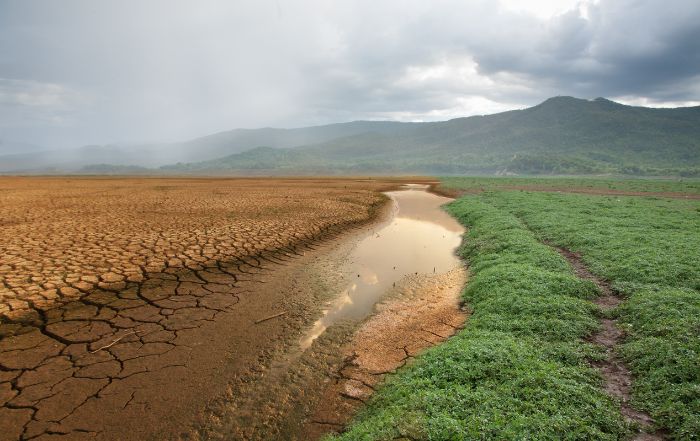
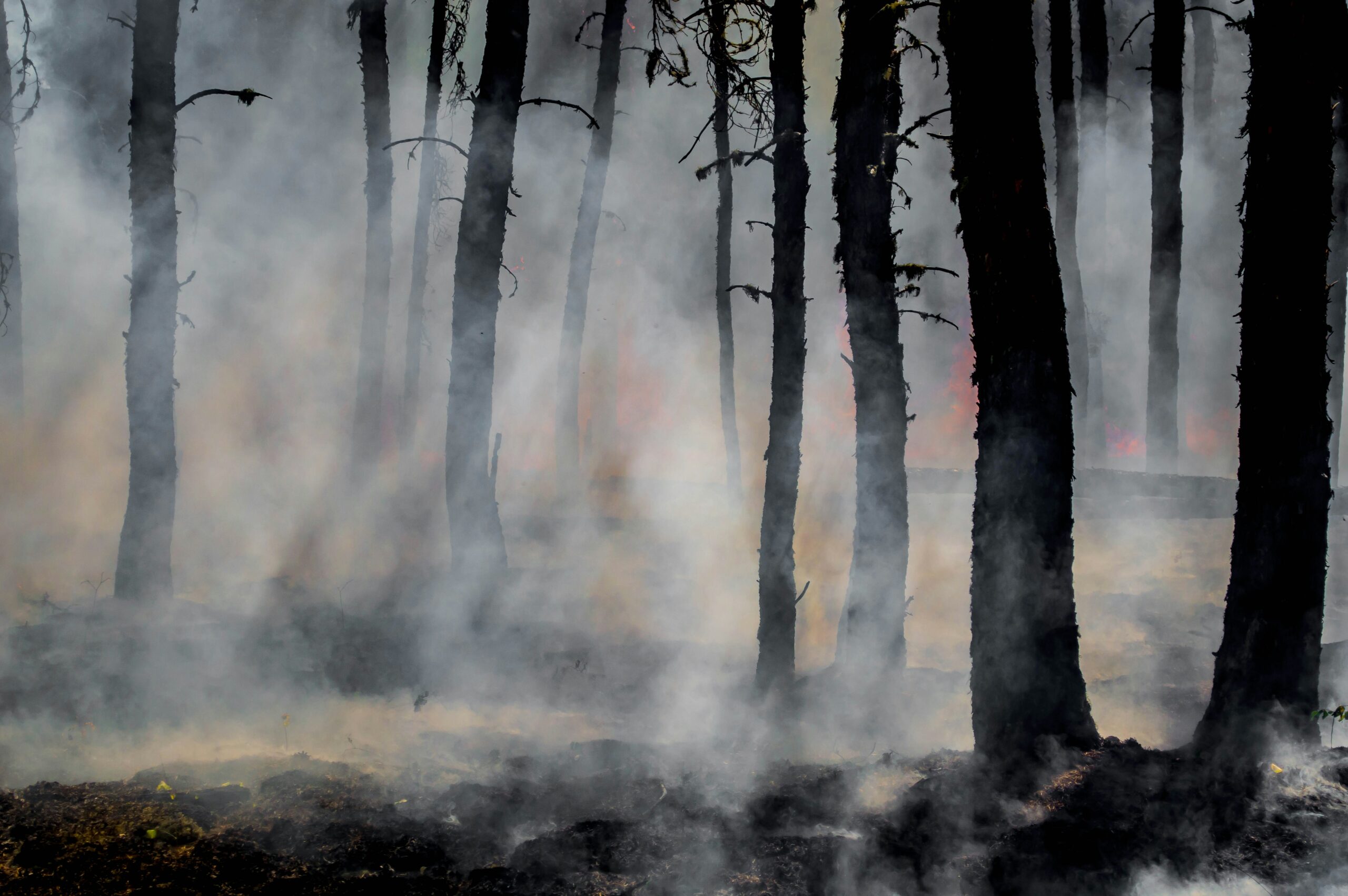
    The horrific wildfires unleashing carnage in Southern California underscore the need for reliable insurance protection both for businesses and homeowners.

    As of Jan. 16, 2025, these wildfires have scorched more than 60 square miles, claimed at least 25 lives, and left 26 people missing. With more than 12,000 structures destroyed and tens of thousands displaced, the economic impact is estimated between $135 billion and $150 billion.

    On a new episode of the Emerging Litigation Podcast, we discuss the types of damages and losses typically covered under homeowner and commercial property insurance policies, policy limitations, navigating the claims process, and business interruption coverage. We also discuss a Jan. 10, 2025, ruling out of the Northern District of California in Bottega v. National Surety which held in a business interruption case that whether smoke damage caused the suspension of operations at the policyholders’ businesses is a genuine issue of fact.

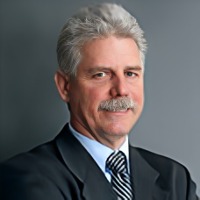
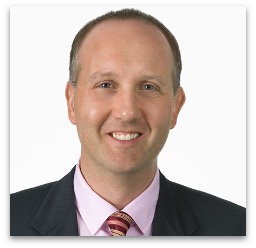
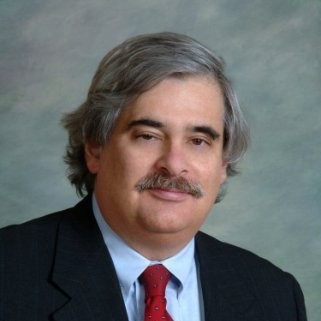
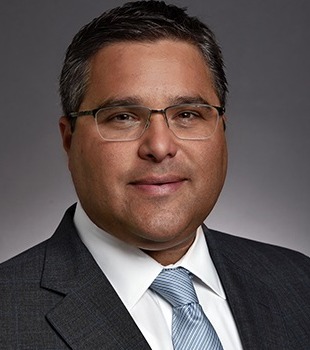
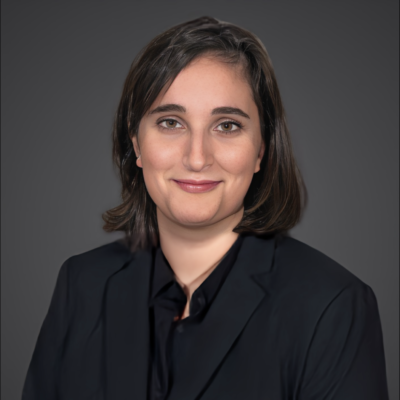
    My guests are all from the long-time insurance recovery law firm of Anderson Kill. Dennis Artese is a shareholder in the New York office and is chair of the firm’s Climate Change and Disaster Recovery practice group. Marshall Gilinsky is a shareholder the firm’s Boston office and practices in the firm’s Insurance Recovery and Commercial Litigation groups, as well as its Restaurant, Retail & Hospitality Group. Joshua Gold is a shareholder in the New York office. He chairs the Cyber Insurance Recovery Group and co-chairs the Marine Cargo Insurance Group. He also handles directors and officers insurance and business income/property insurance matters.

    If you have comments or wish to participate in one our projects please drop me a note at Editor@LitigationConferences.com.

    Tom Hagy
    Litigation Enthusiast and
    Host of the Emerging Litigation Podcast
    Home Page
    LinkedIn
    podcast logo face


    Want to appear on the Emerging Litigation Podcast?


    Send us your idea! 

    It’s possible it could make this man smile. But let’s not get ahead of ourselves.
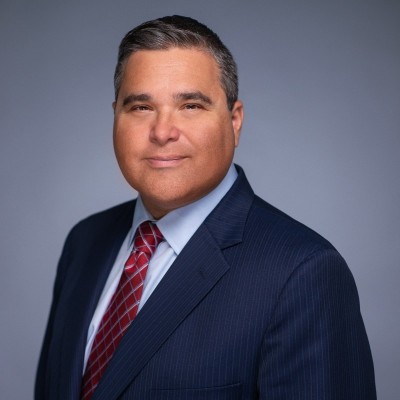
    Dennis J. Artese

    Dennis J. ArteseAnderson Kill

    Dennis Artese is a shareholder in Anderson Kill’s New York office and is chair of the firm’s Climate Change and Disaster Recovery practice group. He is also co-chair of the firm’s Construction Industry group. Dennis’s national practice concentrates on all types of insurance recovery litigation, with an emphasis on securing insurance coverage for property and business interruption losses stemming from natural disasters and other perils as well as for construction-related first-party property losses and third-party liability claims.

    Dennis has substantial experience in all phases of litigation, arbitration and property insurance appraisals, and has recovered hundreds of millions of dollars of insurance proceeds on behalf of policyholders in connection with a variety of property, builder’s risk, commercial general liability, umbrella and excess liability, D&O, E&O, crime, and political risk insurance claims. Dennis also has extensive experience in litigating insurance broker malpractice cases and other general commercial litigation disputes, including construction-related disputes.
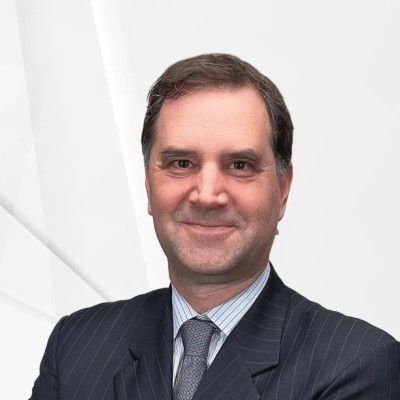
    Marshall Gilinsky

    Marshall GilinskyAnderson Kill

    Marshall Gilinsky is a shareholder in Anderson Kill’s Boston office and practices in the firm’s Insurance Recovery and Commercial Litigation groups. Marshall is co-chair of the firm’s Sexual Harassment and Abuse Insurance Recovery Group and Sports, Media and Entertainment Group, and a member of the firm’s Banking and Lending Group and Restaurant, Retail & Hospitality Group.

    During his 20-year career representing policyholders, Marshall has recovered hundreds of millions of dollars for his clients, successfully litigating disputed claims under a variety of insurance products, including property and business interruption insurance, commercial general liability (CGL) insurance, errors and omissions (E&O) insurance, directors and officers (D&O) insurance and life insurance.

    Marshall Gilinsky has represented clients on numerous high-stakes, complex insurance claims arising out of prominent losses such as 9/11, Hurricane Katrina, Superstorm Sandy and the “Big Dig” in Boston. He also focuses extensively on assisting clients that own and manage captive insurance companies, especially with respect to resolving coverage disputes between the captive and its reinsurers.
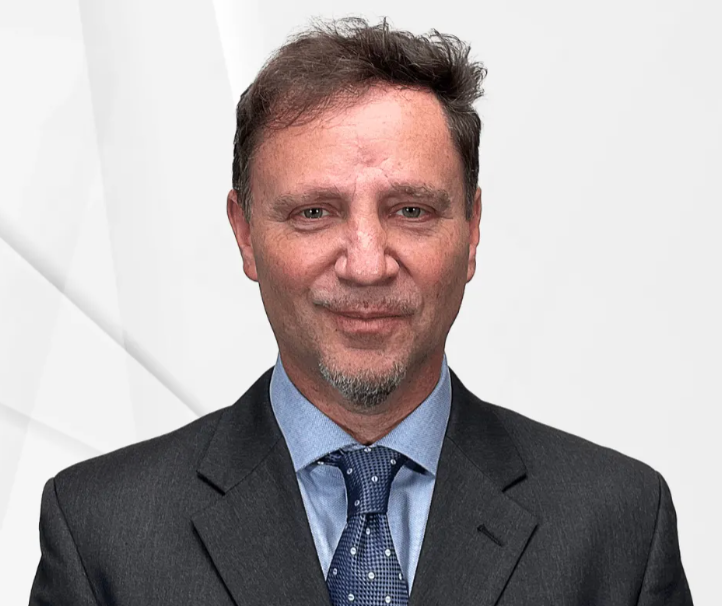
    Joshua Gold

    Joshua GoldAnderson Kill

    Joshua Gold is a shareholder in Anderson Kill’s New York office and serves as chair of the Cyber Insurance Recovery Group and co-chair of the Marine Cargo Insurance Group. He has represented numerous corporate and non-profit policyholders in various industries, with recoveries for his clients well in excess of $1.5 billion.

    Josh’s practice involves matters ranging from international arbitration, data security, directors and officers insurance, business income/property insurance, commercial crime insurance, admiralty, cargo, and marine insurance disputes. He has been lead trial counsel in multi-party bench and jury trials, and has negotiated and crafted scores of settlement agreements including coverage-in-place agreements.

  • When Chemical Crises Strike with Ed Gentle and Kip Benson

    When Chemical Crises Strike with Ed Gentle and Kip Benson

    When Chemical Crises Strike with Ed Gentle and Kip Benson

    Concepts: Toxic Events, Toxic Torts, Chemical Disasters, Emergency Response, Legal Activity, Risk Mitigation, Claims Settlement, Chemical Litigation

    Soon after emergency response teams scramble into action to address chemical fires, explosions, or other toxic events, attorneys begin gathering and analyzing information either to mitigate corporate risk or to seek remedies for anyone impacted by such an event.

    Listen to my interview with Edgar C. “Ed” Gentle III and Katherine “Kip” Benson of Gentle, Turner & Benson LLC, about legal activity that goes on in the immediate aftermath of a toxic event, using as a backdrop the recent chemical plant disaster that forced 17,000 Conyers, Georgia, residents to evacuate and many more to  shelter in place as a toxic plume hung stubbornly over the homes of as many as 100,000 residents. Ed and Kip draw on their deep experience resolving this type of litigation — including the settlement of a 20-year-old disaster at the same location — to discuss the flurry of activity that unfolds at law firms and inside legal departments within hours of a disaster. They also share the impact on such cases of a recent $600 million court-approved settlement of claims that followed the highly publicized toxic train derailment that occurred in East Palestine, Ohio, in early 2023.

    This is Ed Gentle’s second appearance on the podcast. He spoke with me on Episode 48 titled Medical Monitoring for Modern Times. He was the featured speaker on that subject for an HB CLE webinar distributed on the West LegalEdcenter, then Kip Benson joined him for an advanced level webinar on the Medical Monitoring Tort Remedy. You can download his article on the subject for free as published in the Journal of Emerging Issues in Litigation.

    I hope you enjoy the conversation! If so, give us a rating!

    This podcast is the audio companion to the Journal on Emerging Issues in Litigation. The Journal is a collaborative project between HB Litigation Conferences and the vLex Fastcase legal research family, which includes Full Court Press, Law Street Media, and Docket Alarm.
    If you have comments, ideas, or wish to participate, please drop me a note at Editor@LitigationConferences.com.

    Tom Hagy
    Litigation Enthusiast and
    Host of the Emerging Litigation Podcast
    Home Page
    LinkedIn

    podcast logo face


    Want to appear on the Emerging Litigation Podcast?


    Send us your idea! 

    It’s possible it could make this man smile. But let’s not get ahead of ourselves.

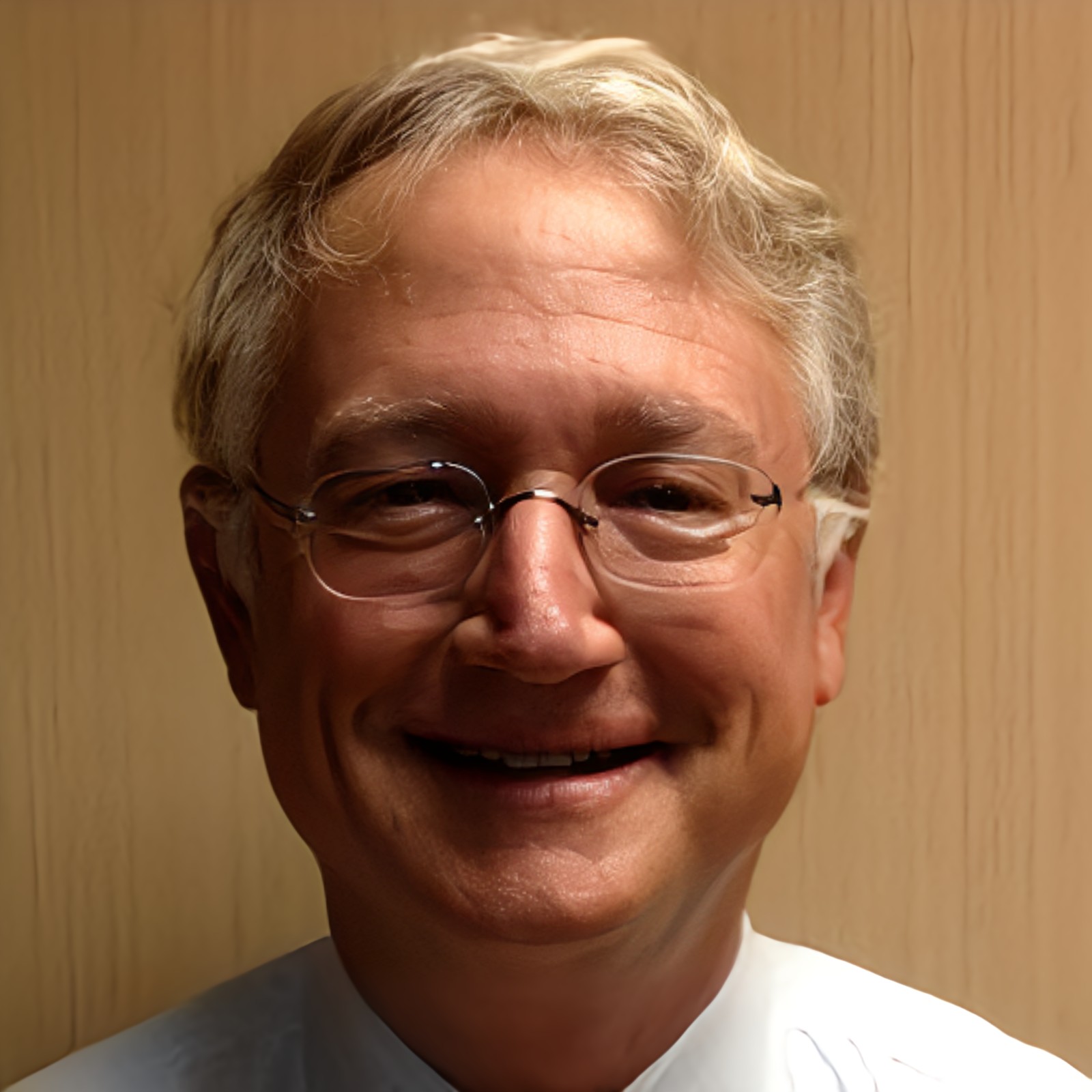
    Ed Gentle

    Ed GentleGentle Turner & Benson LLC

    A dedicated attorney with more than three decades of experience, Ed Gentle is the founder and managing partner of Gentle, Turner, Sexton & Harbison, LLC, in Birmingham, Alabama. Largely focusing his practice on complex commercial litigation and mass tort/class action litigation, he often works for the courts as a neutral special master and settlement administrator.

    In addition to his legal practice, Ed Gentle regularly gives talks and writes papers about topics related to mass torts. Some of the topics he has addressed include the challenges of administering local settlements and the selection of lead counsel by the courts. He attended the University of Alabama School of Law as a Hugo Black Scholar. He earned his J.D. and was admitted to the Alabama State Bar in 1981. 

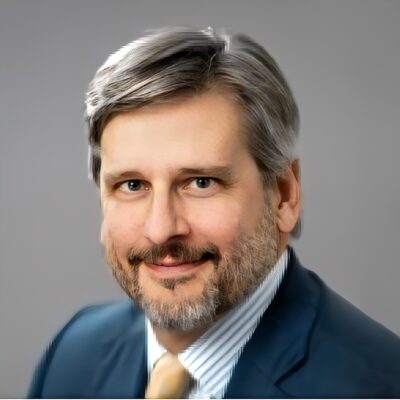
    Katherine (“Kip”) A. Benson

    Katherine (“Kip”) A. Benson Gentle Turner & Benson LLC

    Ms. Benson is a Partner at Gentle, Turner, & Benson, LLC and has experience in mass tort/class action settlement administration, probate law, general corporate practice, real estate, and telecommunications law. With over 14 years of mass tort/class action settlement administration, Ms. Benson specializes in Medicare/Medicaid lien resolution, and various other aspects of settlement administration.

    Ms. Benson earned her J.D. from the University of Alabama School of Law in 1998 and was admitted to the Alabama State Bar in 1998. In addition to the Alabama State Bar, Ms. Benson is a member of the Birmingham Bar Association.

  • The EPA’s New PFAS Safe Drinking Water Rule with John Gardella

    The EPA’s New PFAS Safe Drinking Water Rule with John Gardella

    The EPA’s New PFAS Safe Drinking Water Rule with John Gardella

    Concepts: Environmental Law, PFAS, EPA, Environmental Protection Agency, PFAS Litigation, Toxic Torts

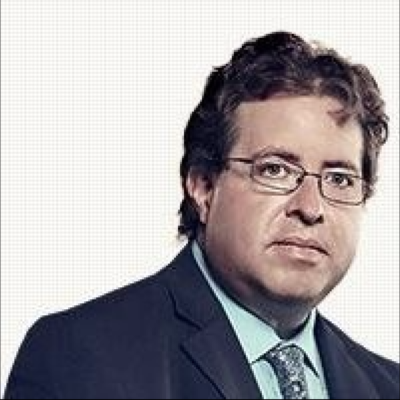
    Once again we dive into one of the hottest topics in environmental law right now: PFAS.  Specifically, our guest talks about the EPA’s new PFAS Safe Drinking Water Final Rule, which mandates acceptable levels of PFAS in public water systems.

    This episode is based on a CLE webinar our guest recorded for HB Litigation a couple months back. Since then, if you’ve been following PFAS developments, you know pushback on the rule is coming from several directions, as our guest predicted. Industry groups, chemical manufacturers, and water utilities alike are challenging the rule as, among other things, arbitrary and capricious and exceeding the EPA’s authority. Water utilities are especially concerned about compliance costs.

    On the technical side, there is debate over whether current technology can even reliably detect PFAS at the levels EPA seeks. Also raised are the complexities associated with increased monitoring and lab testing.

    Our guest is John P. Gardella, whose 2024 CLE webinar on the subject explored the PFAS litigation landscape, from multidistrict and class action lawsuits to medical monitoring and greenwashing claims. He talks about federal and state regulations that are driving litigation, and offers an outlook for what may be in store in the next few years.

    A leading voice in PFAS litigation and recognized thought leader, John is a Shareholder at CMBG3 Law, known for his expertise in environmental and toxic tort litigation. A veteran of more than 75 trials, John chairs the firm’s PFAS, Environmental, Risk Management & Consulting, and ESG practice groups.

    This episode comprises audio from John’s excellent webinar. If you are interested in the CLE version of the episode, look for it on the West LegalEdcenter. Go to our page to learn more and to use our partner link.

    I hope you enjoy the conversation! If so, give us a rating!

    This podcast is the audio companion to the Journal on Emerging Issues in Litigation. The Journal is a collaborative project between HB Litigation Conferences and the vLex Fastcase legal research family, which includes Full Court Press, Law Street Media, and Docket Alarm.
    If you have comments, ideas, or wish to participate, please drop me a note at Editor@LitigationConferences.com.

    Tom Hagy
    Litigation Enthusiast and
    Host of the Emerging Litigation Podcast
    Home Page
    LinkedIn

    podcast logo face


    Want to appear on the Emerging Litigation Podcast?


    Send us your idea! 

    It’s possible it could make this man smile. But let’s not get ahead of ourselves.

    John Gardella

    John GardellaCMBG3 Law

    John Gardella is a Shareholder and recognized thought leader on PFAS issues. He is licensed to practice in Massachusetts and Tennessee.

    A seasoned trial attorney with over 75 verdicts, John is the Chair of the firm’s PFAS, Environmental, Risk Management & Consulting, and ESG practice groups. His thought leadership and predictive risk abilities with respect to PFAS earned him the honor of being the only person in the country that was recognized as a thought leader on PFAS in 2020 and 2021 by the esteemed National Law Review.

    John is regularly interviewed by media on the subject of PFAS and other emerging chemicals of concern, and he consistently publishes his own thought leadership in several nationally syndicated resources, including Bloomberg Law, AM Best, and National Law Review. Private equity firms, the financial world, insurance companies, and corporations regularly seek John’s opinions on forward-looking environmental and chemical substances risk issues.

    In his environmental and toxic torts practice, John represents companies ranging in size from small mom-and-pop businesses to Fortune 100 and Fortune 500 companies. Companies seek John’s expertise on matters ranging from compliance planning and audits to litigation of pending cases.

    John earned his J.D. from Vanderbilt University Law School.

  • The Medical Monitoring Tort Remedy: Advanced Level

    The Medical Monitoring Tort Remedy: Advanced Level

    The Medical Monitoring Tort Remedy: Advanced Level

    Test tube with chemicals being poured into it, representing toxic exposure and laboratory analysis

    Better understand the foundational aspects of building and administering a PFOA chemical medical monitoring program, including the mechanics of a) building a budget and b) program administration.

    Medical monitoring is a claim most often asserted in toxic exposure claims, including those associated with PFOA (Perfluorooctanoic acid) exposure, a substance with allegedly harmful, but latent, symptoms. It’s essential to understand how to build and administer a PFOA medical monitoring program in any medical monitoring tort remedy.

    This webinar is designed for attorneys and other professionals practicing in the area of Medical Monitoring who wish to better understand the foundational aspects of building and administering a PFOA chemical medical monitoring program, including the mechanics of a) building a budget and b) program administration. The objectives of this course are to help you understand how to become skilled at building and administering a PFOA medical monitoring program, from beginning to end. Attendees will come away with an understanding of the mechanics of building a budget, the advice and actions to take to establish a strong claim for relief, and key criteria to take into consideration in a medical monitoring tort remedy.

    Key Learning Outcomes: 

    • Gain an understanding of the mechanics of building a PFOA medical monitoring program budget.
    • Learn about the expert medical advice needed to establish a linkage between the toxin and the disease and recommend types of testing.
    • Learn how to add an epidemiological component up front.
    • Learn about matching a dynamic malady with a dynamically evolving monitoring program with guidance from a science advisory panel.
    • Learn more about the importance of:
      • Administration mechanics;
      • The value of participant time;
      • Use of a retail model;
      • Following one step, not two;
      • The use of local medical services; and
      • Planning ahead to administer to out-of-area claimants.

    Loved watching Ed’s webinar?

    Explore additional content from Ed.

    Podcast: Medical Monitoring for Modern Times with Ed Gentle

     JEIL: The Medical Monitoring Tort Remedy: Its Nationwide Status, Rationale, and Practical Application (A Possible Dynamic Tort Remedy for Long-Term Tort Maladies)

    HB on-demand CLE at

    the West LegalEdcenter

    TAKE IT NOW – For a limited time, use code HB20 for 20% off the webinar or HBSub20 for 20% off a full solo subscripton

    PREVIEW COMING SOON!

    Included with WLEc subscriptions. Also available for individual purchase.

    Speaker

    Edgar C. Gentle III

    Edgar C. Gentle IIIGentle Turner & Benson LLC

    Edgar (“Ed”) C. Gentle III is founder and managing partner of Gentle, Turner, Sexton & Harbison, LLC, in Birmingham, Alabama. Largely focusing his practice on complex commercial litigation and mass tort/class action litigation, he often works for the courts as a neutral special master and settlement administrator. He is an experienced special master and claims administrator in mass tort litigation, providing claims administration and financial and business advice to courts, settling parties, and mass tort settlements. He has helped create and administer more than $6 billion in settlements during the past 20 years. He earned his J.D. from the University of Alabama School of Law as a Hugo Black Scholar.

  • Property Insurance Coverage for Emerging Risk of Underground Climate Change 

    Property Insurance Coverage for Emerging Risk of Underground Climate Change 

    Property Insurance Coverage for Emerging Risk of Underground Climate Change 

    Black and white image of a cracked road with smoke rising from the fissure, illustrating damage and underground heat effects.

    Better understand permutations of policy language and state law that may affect coverage for damage caused by underground climate change.

    Studies have shown that heat emanating from basements, train tunnels, sewers, and other underground systems in major metropolises in the United States and Europe is heating the ground between city surfaces and the bedrock by as much as 27 degrees Fahrenheit.

    As one of our presenters – a structural engineer – will illustrate, this “underground climate change” is affecting ground soil conditions, causing structural strains on buildings and exacerbating cracks and defects in walls and foundations.

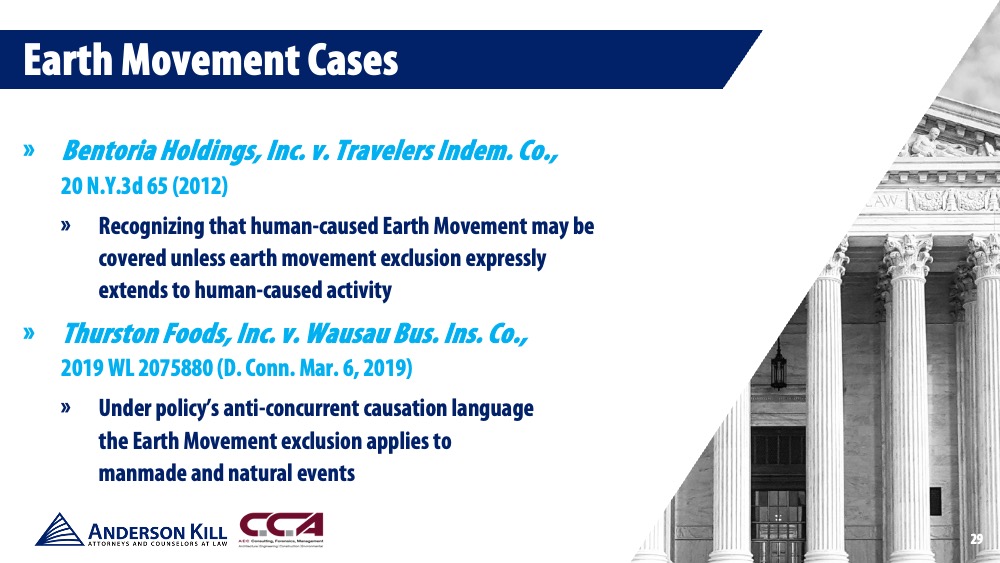
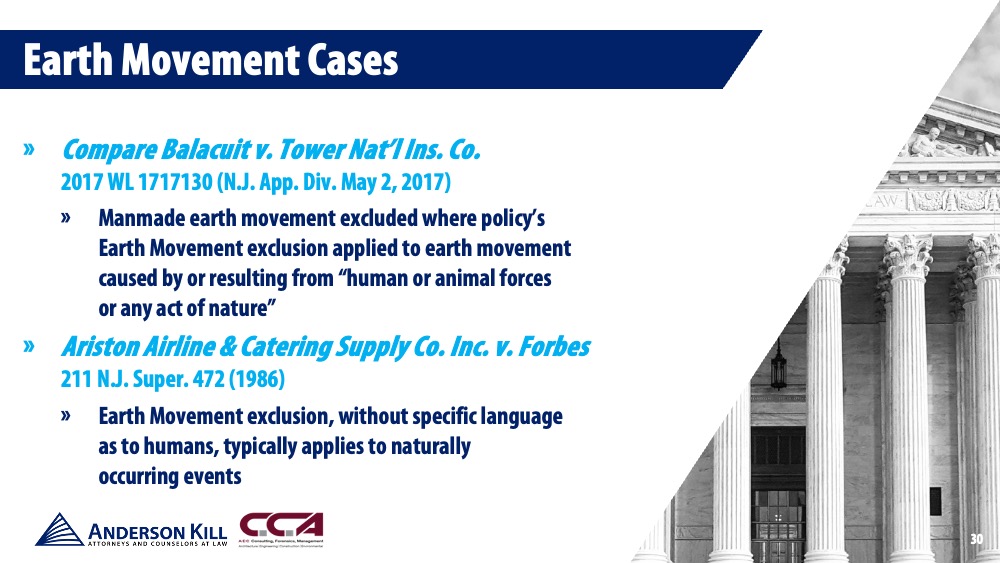
    Whether property insurance coverage will respond to loss and damage resulting from underground climate change will likely hinge on the application of the “earth movement” exclusion and potential exceptions thereto, in addition to other policy exceptions.

    Focusing on broad “all risk” commercial property insurance policies, this webinar analyzes permutations of policy language and state law that may affect coverage for damage caused by underground climate change, including how state law treats anti-concurrent causation clauses, whether “human-caused” exceptions to earth movement exclusions may apply to underground climate change, and whether “abrupt collapse” exceptions to exclusions for building collapse may apply when undetected structural damage triggered by underground climate change triggers collapse.

    You will learn about: 

    • What is meant by underground climate change and what are the causes?
    • What does science say about the impact of underground warming on structures?
    • What are some real-life examples of the effects of underground warming?
    • Will commercial property insurance policies cover losses and damage?
    • What various exclusions and exceptions of insurance are implicated?
    • What is the state of litigation and what can we learn from it?

    HB on-demand CLE at

    the West LegalEdcenter

    TAKE IT NOW

    PREVIEW

    Included in subscriptions. Also available for individual purchase.

    Speakers

    Dennis J. Artese

    Dennis J. ArteseAttorney, Anderson Kill P.C.

    Dennis Artese is a shareholder in Anderson Kill’s New York office and is chair of the firm’s Climate Change and Disaster Recovery practice group. He is also co-chair of the firm’s Construction Industry group. Dennis’s national practice concentrates on all types of insurance recovery litigation, with an emphasis on securing insurance coverage for property and business interruption losses stemming from natural disasters and other perils as well as for construction-related first-party property losses and third-party liability claims. He earned his J.D. from St. John’s University School of Law.

    Ethan W. Middlebrooks

    Ethan W. MiddlebrooksAttorney, Anderson Kill P.C.

    Ethan W. Middlebrooks is a shareholder in Anderson Kill’s New York office, where he concentrates his practice in insurance recovery, exclusively on behalf of policyholders. Ethan has assisted numerous policyholders with insurance recovery on a range of matters, including first-party claims involving property and business interruption, and liability claims involving construction losses, D&O liability, educational management liability, and public officials’ liability. Middlebrooks earned his J.D. from City University of New York (CUNY) School of Law.

    Thomas Dupont

    Thomas DupontAttorney, Anderson Kill P.C.

    Thomas Dupont is an attorney in Anderson Kill’s New York office. He focuses his practice on insurance recovery, exclusively on behalf of policyholders. While attending the University of Connecticut School of Law, Tom worked as a legal intern for Greater Hartford Legal Aid. He was a Legal Practice Teaching Assistant, as well as the Note and Comment Editor of the Connecticut Journal of International Law. In addition, he was recognized as a UConn Scholar and a Public Interest Law Group Summer Fellow; he graduated with Honors. Prior to attending law school, Tom was an English Teacher in Madrid and worked as a Legal Assistant at the Connecticut Institute for Refugees and Immigrants. He earned his JD from the University of Connecticut School of Law.

    Kenneth R. Quigley

    Kenneth R. QuigleyExecutive Vice President, Construction Consulting Associates, LLC

    Kenneth R. Quigley, PE, MS, is Executive Vice President, Construction Consulting Associates, LLC. Ken has more than 45 years of experience and training in engineering, design, construction, planning, and management. For the past 20 years he has been performing forensic engineering and design engineering at CCA. Experience includes several decades as a structural/civil engineer and engineering manager in many engineering fields. He has successfully completed a diverse array of residential, commercial, and industrial engineering projects and has led the design of numerous buildings and facilities.

    He is an expert in the preparation and production of construction drawings and specifications, as well as the direct provision of construction support services for new and renovated facilities. Ken is a registered Professional Engineer in numerous states, and is a member of the American Society of Civil Engineers, the American Concrete Institute, ASTM International (formerly the American Society for Testing and Materials), and the International Concrete Repair Institute.

  • PFAS Litigation: Predicted Trends Given Regulatory Changes

    PFAS Litigation: Predicted Trends Given Regulatory Changes

    PFAS Litigation: Predicted Trends Given Regulatory Changes

    Laboratory testing tubes with chemicals, representing scientific analysis of PFAS contamination and related environmental litigation.

    Better understand the latest on regulatory and litigation issues related to PFAS and how they will impact corporations. 

    Every week, the PFAS litigation and regulatory landscape changes dramatically. The EPA presses forward full steam ahead with numerous PFAS regulations, while the states have proposed hundreds of pieces of legislation related to PFAS in the last three years.

    Meanwhile, class action litigation, environmental pollution litigation, and greenwashing suits are being filed against companies at a dramatically increasing rate year after year.

    In this webinar, the speaker will provide the latest on regulatory and litigation issues related to PFAS and how they will impact corporations.

    You will learn about: 

    • Current key federal changes that will drive litigation.
    • Current key state level changes that will drive litigation.
    • Current litigation landscape for PFAS
      • MDL
      • Class actions
      • Medical monitoring
      • Greenwashing lawsuits
    • Predictions on where litigation will go in the next 2-5 years.

    More great content from this attorney: 

    HB on-demand CLE on CeriFi LegalEdge

    TAKE IT NOW*

    PREVIEW

    *Included in subscriptions. Also available for individual purchase.

    John Gardella

    John Gardella
    CMBG3 Law

    A seasoned trial attorney with over 75 verdicts, John Gardella is Chair of CMBG3 Law’s PFAS, Environmental, Risk Management & Consulting, and ESG practice groups. His thought leadership and predictive risk abilities with respect to PFAS earned him the honor of being the only person in the country that was recognized as a thought leader on PFAS in 2020 and 2021 by the esteemed National Law Review.

    John is regularly interviewed by media on the subject of PFAS and other emerging chemicals of concern, and he consistently publishes his own thought leadership in several nationally syndicated resources, including Bloomberg Law, AM Best, and National Law Review. Private equity firms, the financial world, insurance companies, and corporations regularly seek John’s opinions on forward-looking environmental and chemical substances risk issues.

    He earned his J.D. from Vanderbilt School of Law.

  • Mitigating Greenwashing Litigation Risks with Ramya Ravishankar

    Mitigating Greenwashing Litigation Risks with Ramya Ravishankar

    Mitigating Greenwashing Litigation Risks with Ramya Ravishankar

    Concepts: ESG, ESG Reporting, Greenwashing, Greenwashing Litigation, Risk Mitigation, Misleading Claims, Sustainability Commitments

    Companies are grappling with how to market the eco-friendly, people friendly, and animal friendly characteristics of their products and services, while also not getting in trouble with the law. Some have learned this the hard way. Some have wisely consulted experts. (That’s foreshadowing.)

    ESG – or Environmental, Social and Governance – reporting and so-called greenwashing litigation have implications for a wide range of stakeholders. Companies face significant financial and reputational risks, while investors, regulators, advocacy groups, and consumers all have an interest in ensuring the accuracy and transparency of ESG information.

    Last year the SEC adopted amendments to the Investment Company Act with the “Names Rule,” which addresses fund names that are likely to mislead investors about a fund’s investments and risks.

    On the consumer side, the FTC has been on the case as it stalks misleading advertising claims. Violations have real consequences. In 2022 the FTC reached multimillion dollar settlements with store chains Kohl’s and Walmart over claims that certain products were eco-friendly and made from bamboo, when they were really made from rayon.

    More recently, a class action was filed in federal court in New York over the “carbon neutral” branding on bottled water.

    But there are some important court decisions our guest wants you to know about, involving shoemaker AllBirds and beauty products company Sephora.

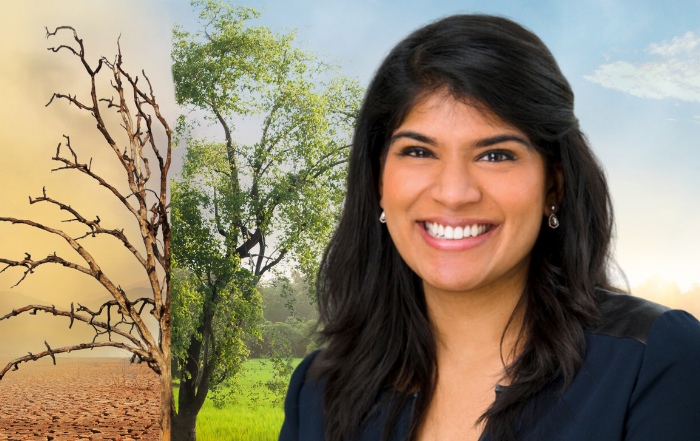
    She is Ramya Ravishankar, General Counsel & Corporate Secretary of the HowGood company, an independent research firm that helps the world’s largest food brands meet their sustainability commitments. Ramya is a former environmental biologist turned attorney who is – as you will soon hear — passionate about the intersection of food and sustainability. Previously, Ramya was Associate General Counsel at Bowery Farming – producer of pesticide free lettuce, other leafy foods, and herbs. Before that she was a regulatory enforcement associate at Skadden Arps. Ramya earned her J.D. from Columbia Law School in New York and a B.S. from Queen’s University in Ontario, Canada.

    Also, she is awesome! I think you will enjoy the interview.

    *******

    This podcast is the audio companion to the Journal on Emerging Issues in Litigation. The Journal is a collaborative project between HB Litigation Conferences and the vLex Fastcaselegal research family, which includes Full Court Press, Law Street Media, and Docket Alarm.

    If you have comments, ideas, or wish to participate, please drop me a note at Editor@LitigationConferences.com.

    *******

    Tom Hagy
    Litigation Enthusiast and
    Host of the Emerging Litigation Podcast
    Home Page
    LinkedIn

    Guest

    Ramya Ravishankar

    Ramya RavishankarHowGood

    Ramya is a former environmental biologist turned attorney who is passionate about the intersection of food and sustainability. She is the General Counsel at HowGood, an independent research company powering the sustainability commitments of the world’s largest food brands. Previously, she has served as Associate General Counsel at Bowery Farming and as a regulatory enforcement associate at the law firm Skadden Arps.

    Want to appear on the Emerging Litigation Podcast?

    Send us your idea! 

  • The Use and Abuse of the Pollution Exclusion by Robert D. Chesler, Dennis J. Artese, and Jamie O’Neill

    The Use and Abuse of the Pollution Exclusion by Robert D. Chesler, Dennis J. Artese, and Jamie O’Neill

    The Authors

    Robert Chesler

    Robert CheslerAnderson Kill P.C.

    A leading participant in the birth of modern insurance law in the early 1980s, Robert D. Chesler is a shareholder in Anderson Kill’s Newark office. He represents policyholders in a broad variety of coverage claims against their insurers and advises companies with respect to their insurance programs.

    Dennis J. Artese

    Dennis J. ArteseAnderson Kill P.C.

    Dennis Artese is a shareholder in the New York office of Anderson Kill. He is chair of the firm’s Climate Change and Disaster Recovery practice group and co-chair of the firm’s Construction Industry practice group. Dennis’s national practice concentrates on all types of insurance recovery litigation.

    Jamie O'Neill

    Jamie O’NeillAnderson Kill P.C.

    Jamie O’Neill is an attorney in Anderson Kill’s New York office. She focuses her practice on insurance recovery, exclusively on behalf of policyholders.

    The Use and Abuse of the Pollution Exclusion

    The basic legal issue of what constitutes a pollutant or contaminant is
    overlaid with fact issues. Policyholders will continue to be at risk
    as courts in the 50 states apply pollution exclusions in fact patterns
    that policyholders never expected.

    Abstract:

    Recent court decisions and ongoing cases have brought to the forefront the critical issue of the reach of pollution exclusions in insurance policies. Jurisdictions from South Dakota to Hawaii are redefining the scope of what constitutes a “pollutant,” with significant developments that affect coverage in cases that range from contaminated agricultural products to carbon monoxide poisoning and greenhouse gas emissions. The thread that brings these cases together is the age-old question of what constitutes a “pollutant”: Is the term limited to traditional environmental pollution, or should it be read more broadly to encompass other contaminants and non-environmental situations?

    Download the article now!

    Explore More from Anderson Kill!

    Journal on Emerging Issues, Editorial Board of Advisors 

    The Use and Abuse of the Pollution Exclusion. By Dennis Artese, Jamie O’Neil, Robert Chesler

    The Environmental, Social, and Governance Police Have Arrived: Is your Insurance Ready. Authors: Dennis Artese, Bob Chesler.

    Podcast 1 of 2 series: PFAS Insurance Coverage with Jaana Pietari and Jim Fenstermacher and Litigation with Bob Chesler

    Sister article to podcast 1 of 2 series: Remediating,, and Litigating PFAS Claims. By Dr. Jaana Pietari, PhD, MBA, PE, Jim Fenstermacher, PE, Dr. Michael Bock, PhD, MS, Robert D. Chesler and Nicholas M. Insua, Sheila Mulrennan, Robin Kelliher, Jason R. Waters

    Podcast 2 of 2 series: Insurance Coverage for PFAS Claims with Robert Chesler of Anderson Kill

    Podcast: Autonomous Vehicles: The New Technology Driving the Litigation Conversation Podcast with Cort Malone, John Leonard, Joshua Zelen

    Podcast: Violations of Biometric Privacy Laws: Policyholders’ Victories and the Implications Going Forward with John Leonard and Cort Malone

    Police–The Environmental, Social, and Governance Police Have Arrived: Is your Insurance Ready. Authors: Dennis Artese, Bob Chesler

    How Insurance Companies Defraud Their Policyholders, and What Courts and Legislators Should Do About It. Authors: Robert Chesler, Amy Weiss, and Jade Sobh

    The Promise and Peril of Quantum Computing and Its Implications for Cyber Insurance. By Cameron R. Argetsinger

    Climate Change, ESG, D&O Insurance: Collision or Cooperation? By Robert D. Chesler, Dennis J. Artese and Joseph Villa

    The Use and Abuse of the Pollution Exclusion. Authors: Dennis Artese, Jamie O’Neil, Robert Chesler

    Property Insurance Coverage for Emerging Risk: Underground Climate Change. Authors: Dennis J. Artese, Ethan W. Middlebrooks, Thomas Dupont

    Litigation After Biometric Privacy Law Violations: Policyholder Victories and Their Implications. Authors: Cort T. Malone, Abigail Damsky

    Autonomous Vehicles: The New Technology Driving the Litigation Conversation. Authors: Cort Malone, John Leonard, and Joshua Zelen

  • Massive Mass Tort Settlements and Liability Forecasting

    Massive Mass Tort Settlements and Liability Forecasting

    Massive Mass Tort Settlements and Liability Forecasting

    Concepts: Mass Tort Litigation, Mass Tort Settlements, Liability Forecasting

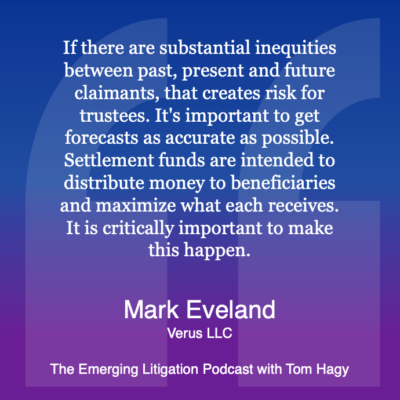
    Today we talk about liability forecasting and the role it plays in the administration of massive, sometimes multi-billion-dollar mass tort settlement trusts. These mechanisms were built to fairly and judiciously compensate current and future claimants for their injuries. 

    Mass tort litigation is a complicated beast as is the administration of these trusts.

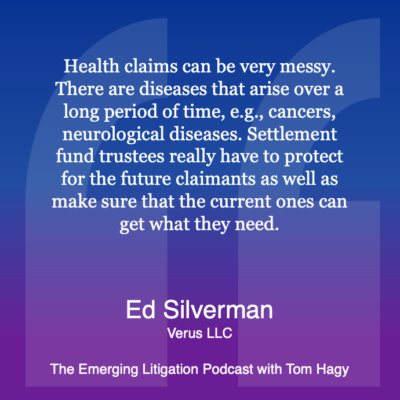
    • Exposures, injuries, and the discovery of injuries can occur over decades. In the meantime, companies come and go. They are are bought and sold. They declare bankruptcy.
    • People are exposed to new elements or conditions in the environment and the workplace.
    • On the financial side, market fluctuations and interest rates impact the value of the funds.
    • On the medical side, advancements in diagnostics can affect the number of claimants and the timing of their claims.
    • New technologies can be a factor, too, like the ability to create deep-fake evidence or even claimants.
    • Then there are the unpredictable events. The Covid-19 pandemic offered another confounding factor when many Americans suddenly had virus-related respiratory issues, perhaps joining injuries they may have suffered, or were quietly developing, from a toxic exposure.

    In other words,  there are many overlapping, interlocking, intersecting, and dynamic layers involved with people, companies, diseases, certain financial externalities, and “black swans” that complicate the oversight of settlement funds.

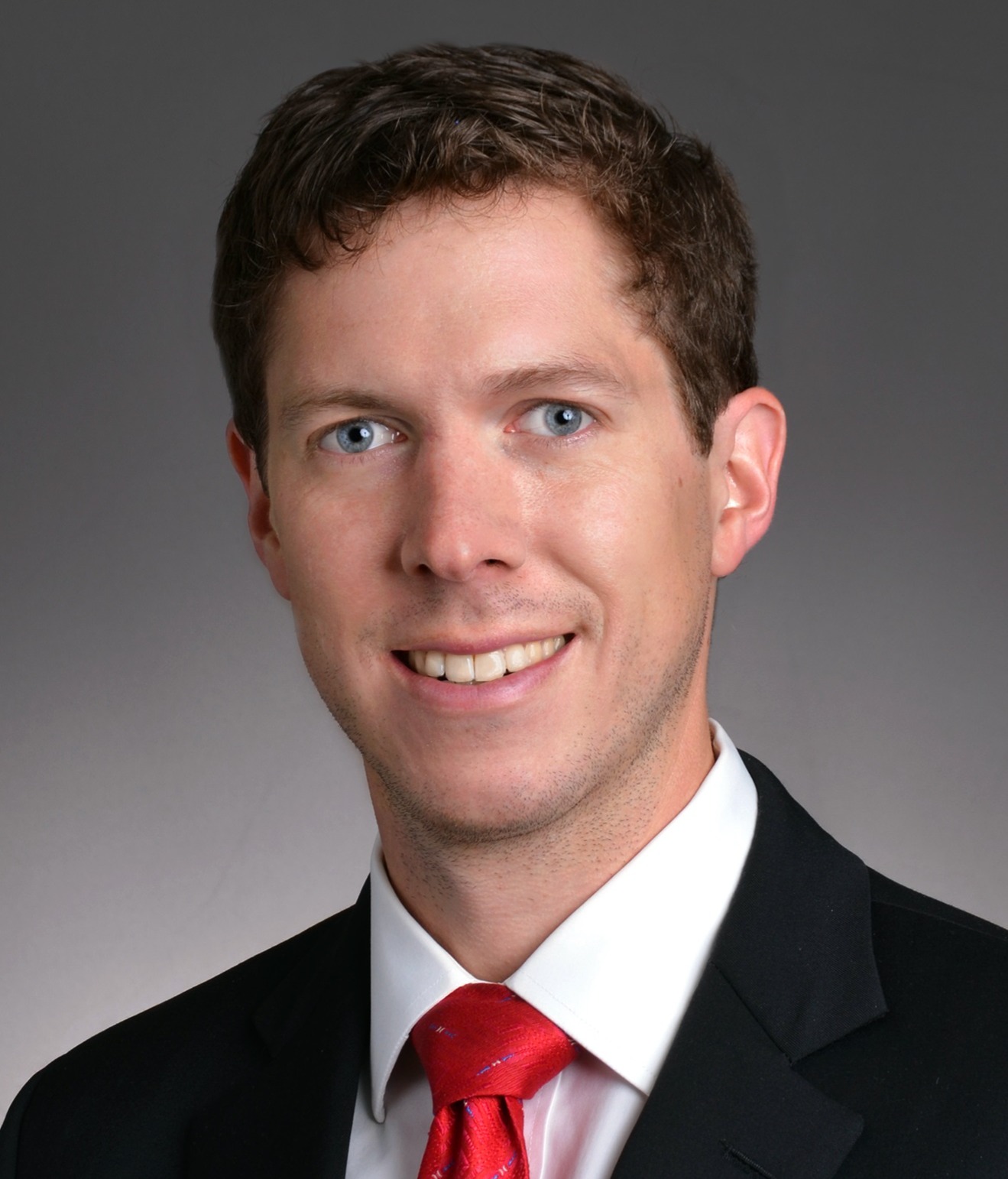
    Listen to my conversation with Mark Eveland and Ed Silverman, both with Verus LLC, which provides litigation support services to law firms working on mass torts, such as case management and medical review services, settlement administration, business and advisory services, and analytics. They explain that liability forecasting is a practice best understood through the three areas it analyzes: (i) the risks and injuries created by a product and its use, (ii) claims filed and approved, and (iii) finances. Liability forecasting is both a science and an art, they say, with plenty of risks.

    Eveland, founder, CSO, and chairman of the board, is an expert in building settlement and claims management programs for mass torts, class actions, and insurance runoffs. Throughout his career, Mark has provided research, discovery, analytics, settlement administration, and expert witness support litigators around the country.

    Trained in molecular biology, genetics and epigenetics, and biochemistry, Silverman is an analytics executive, a life science expert, and biomedical communications specialist. Ed assists with data analytics, scientific collaboration networks, patient based medical claims, and more.

    I hope you enjoy the episode. If so, give us a rating!

    Bonus: I left in a little introductory jazz in the beginning, then  encouraged Ed to discuss his background and research, which I was thrilled to find included how fruit flies (Drosophila melanogaster) form memories. I can’t tell you how glad I was I asked. Yes I can. Very glad.

    This podcast is the audio companion to the Journal on Emerging Issues in Litigation. The Journal is a collaborative project between HB Litigation Conferences and the vLex Fastcaselegal research family, which includes Full Court Press, Law Street Media, and Docket Alarm.
    If you have comments, ideas, or wish to participate, please drop me a note at Editor@LitigationConferences.com.

    Tom Hagy
    Litigation Enthusiast and
    Host of the Emerging Litigation Podcast
    Home Page
    LinkedIn

    Tags

    Emerging Litigation & Risk Compliance Litigation & appeals Cybersecurity Data Privacy Artificial Intelligence (AI) Insurance Companies Risk Management Corporate & Securities Insurance Claims Recovery Regulations Data Breach Toxic Torts Antitrust Legal Tech Product Liability Settlements Trial Personal Injury Privacy Healthcare Per- and Polyfluoroalkyl Substances (PFAS) Data Analytics Arbitration Constitutional Law Climate Change Cannabis Labor Law Insurance Fraud Liability Claims COVID Alternative Dispute Resolution (ADR) Mediation Diversity Equity Inclusion (DEI) Claims management Professional Liability Legal Research & Writing Business Interruption Law Practice Management Trial Skills Property and Casualty Drug Laws Copyright Law Catastrophic Loss

    Mark Eveland

    Mark EvelandFounder, Verus LLC

    Mark is a seasoned executive with over two decades of experience developing and leading strong teams. A visionary, change leader, creative problem solver, and early adopter of technological solutions, he is an expert in building effective settlement and claims management programs for mass torts, class actions, and insurance runoffs. Mark began his career with a large consulting firm, assisting clients involved in asbestos, breast implant, and other large-scale product liability cases.

    Before founding Verus in 2003, he served as operations manager of the largest asbestos claims facility in the country and went on from there to launch a firm that specialized in third party administration of securities fraud class actions. Throughout his career, Mark has had the pleasure of providing research, discovery, analytics, settlement administration and expert witness support to many of the best litigators in the country working to resolve issues with wide-ranging societal effects. Taking a lesson from the strong mentors he has encountered over the years, he and his partners built Verus by hiring intelligent, creative people with a shared commitment to doing impactful work.

    Ed Silverman

    Ed SilvermanAnalytics Manager, Verus LLC

    Ed grew up in Southern California before attending Johns Hopkins University in Baltimore, Maryland, where he received a B.A. in Biology. Following a move back to California, Ed earned a Ph.D. in Molecular Biology at the City of Hope, a leading independent biomedical, treatment, and education center. Ed continued his work at the California Institute of Technology with a post-doctorate fellowship, where he researched the topic of in-memory and related data analysis.

    Although Ed enjoys teaching, he knew he did not want to be a full-time research professor. This motivated him to pursue a career focusing on his interest in applying data science to solving complex problems. Ed worked for Within3 (formerly Voxx) for nine years and helped build insight platforms for life science companies. As Vice President of Analytics and Chief Analytical Officer at Within3, Ed supported clients through innovative analytical tools to segment doctor and patient populations to identify treatment patterns, monitor complications, and orchestrate clinical trials to improve patient outcomes.

    As Analytics Manager at Verus, Ed applies his deep knowledge and experience in data science to improve access to and outcomes of the civil justice system. He brings a unique ability to identify populations exposed to harm, supporting efforts to improve reach to these populations and improve predictive models for estimating damages.

    Want to appear on the Emerging Litigation Podcast?

    Send us your idea! 

  • Property Insurance Coverage for Emerging Risk: Underground Climate Change

    Property Insurance Coverage for Emerging Risk: Underground Climate Change

    The Authors

    Dennis J. Artese

    Dennis J. ArteseAnderson Kill P.C.

    Dennis Artese is a shareholder in the New York office of Anderson Kill and Chair of the firm’s Climate Change and Disaster Recovery practice group. He is also co-chair of the firm’s Construction Industry practice group. Dennis’s national practice concentrates on all types of insurance recovery litigation, with an emphasis on securing insurance coverage for property and business interruption losses stemming from natural disasters and other perils as well as for construction-related first-party property losses and third-party liability claims.

    Ethan W. Middlebrooks

    Ethan W. MiddlebrooksAnderson Kill P.C.

    Ethan Middlebrooks is a shareholder in Anderson Kill’s New York office, where he concentrates his practice in insurance recovery, exclusively on behalf of policyholders. He is also a member of the firm’s COVID Task Group. Ethan has assisted numerous policyholders with insurance recovery on a range of matters, including first-party claims involving property and business interruption, and liability claims involving construction losses, D&O liability, educational management liability, and public officials’ liability.

    Thomas Dupont

    Thomas DupontAnderson Kill P.C.

    Tom Dupont is an attorney in Anderson Kill’s New York office. He focuses his practice on insurance recovery, exclusively on behalf of policyholders.

    The Journal on Emerging Issues in Litigation

    Emerging Litigation Podcast

    Emerging Litigation PodcastProduced by HB Litigation and Law Street Media

    Interviews with leading attorneys and other subject matter experts on new twists in the law and how the law is responding to new twists in the world.

    Property Insurance Coverage for Emerging Risk:

    Underground Climate Change

    If there is an abrupt collapse as a result of underground climate change under a policy containing an earth movement exclusion, construing the policy as a whole and giving effect to all terms wherever possible should, at a minimum, result in an ambiguity in the policy that is construed in favor of coverage.

    Abstract:

    Studies have shown that heat emanating from basements, train tunnels, sewers, and other underground systems in major metropolises in the United States and Europe is heating the ground between city surfaces and the bedrock by as much as 27 degrees Fahrenheit. This “underground climate change” is affecting ground soil conditions, causing structural strains on buildings and exacerbating cracks and defects in walls and foundations. Whether property insurance coverage will respond to loss and damage resulting from underground climate change will likely hinge on the application of the “earth movement” exclusion and potential exceptions thereto, in addition to other policy exceptions. Focusing on broad “all risk” commercial property insurance policies, this article analyzes permutations of policy language and state law that may affect coverage for damage caused by underground climate change, including how state law treats anti-concurrent causation clauses, whether “human-caused” exceptions to earth movement exclusions may apply to underground climate change, and whether “abrupt collapse” exceptions to exclusions for building collapse may apply when undetected structural damage triggered by underground climate change triggers collapse.

    Download the article now!

    Explore More from Anderson Kill!

    Podcast 1 of 2 series: Insurance Coverage with Dr. Jaana Pietari and Jim Fenstermacher and Litigation with Bob Chesler.

    Podcast 2 of 2 series: PFAS Insurance Coverage with Robert D. Chesler of Anderson Kill.

    Sister article to podcast 1 of 2 series: Remediating, Insuring, and Litigating PFAS Claims. Authors: Dr. Jaana Pietari, PhD, MBA, PE, Jim Fenstermacher, PE, Dr. Michael Bock, PhD, MS, Robert D. Chesler and Nicholas M. Insua, Sheila Mulrennan, Robin Kelliher, Jason R. Waters

    Podcast: Autonomous Vehicles: The New Technology Driving the Litigation Conversation Podcast with Cort Malone, John Leonard, Joshua Zelen

    Podcast: Violations of Biometric Privacy Laws: Policyholders’ Victories and the Implications Going Forward with John Leonard and Cort Malone

    Journal on Emerging Issues, Editorial Board of Advisors: Dennis Artese, Robert D. Chesler

    Asymmetrical Combat: Bad Faith Liability in Insurance Recovery Cases. By William Passannante

    Climate Change, ESG, and D&O Insurance: Collision or Cooperation? Authors: Robert Chesler, Dennis J. Artese, and Joseph Villa

    Litigation After Biometric Privacy Law Violations: Policyholder Victories and Their Implications. Authors: Cort T. Malone, Abigail Damsky

    Protecting Policyholders as AI Is Developed for Insurance Claims Handling – Ensuring “Decency and Humanity” in the Digital Age. Authors: Marshall Gilinsky, Madison Marlow

    Police–The Environmental, Social, and Governance Police Have Arrived: Is your Insurance Ready. Authors: Dennis Artese, Bob Chesler

    How Insurance Companies Defraud Their Policyholders, and What Courts and Legislators Should Do About It. Authors: Robert Chesler, Amy Weiss, and Jade Sobh

    The Promise and Peril of Quantum Computing and Its Implications for Cyber Insurance. By Cameron R. Argetsinger

    The Use and Abuse of the Pollution Exclusion. Authors: Dennis Artese, Jamie O’Neil, Robert Chesler