Category: Environmental Torts

  • PFAS Regulation, Litigation, and Differentiation

    PFAS Regulation, Litigation, and Differentiation

    PFAS
    Regulation, Litigation, and Differentiation

    Concepts: Per- and Polyfluorinated Substances, PFAS, PFAS Regulation, PFAS Litigation, Differentiation

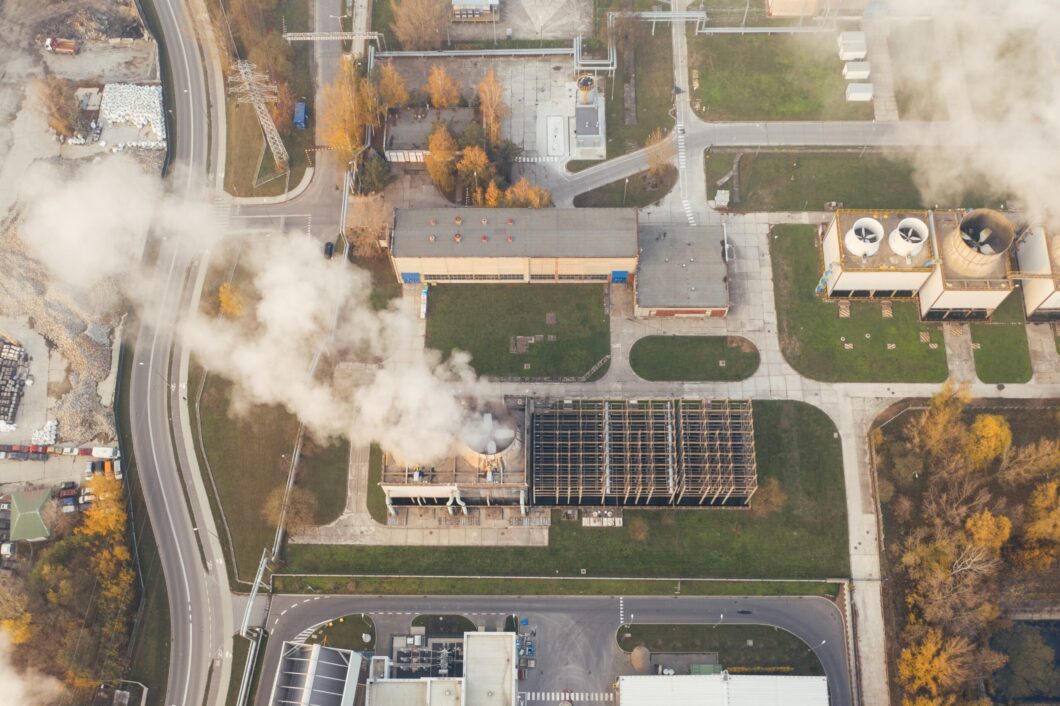
    The PFAS family of human-made compounds are found in countless consumer products, as well as medical devices and firefighting foam. The incredibly strong carbon-fluorine bond that make PFAS so useful also makes them incredibly persistent. They are so ubiquitous that PFAS can be found in the blood of every human on earth and rainwater throughout the world. 

    In this episode, we are going to give you some history of the compounds, discuss some important differences among them, and review what litigation we’re seeing (including the various claims and defenses).  We will also explore what we can learn from recent settlement structures, forecast the impact of any new regulation, and predict what litigation might be next.

    Listen to my interview with David Marmins and Morgan Harrison, Partners with Arnall Golden Gregory LLP. David and Morgan have been at the forefront of PFAS litigation since they began defending carpet manufacturers in suits brought by two Alabama municipalities in 2017.

    BONUS! Read David and Morgan’s article on the subject, just published in the Journal of Emerging Issues in Litigation.

    I hope you enjoy the episode. If so, give us a rating!

    This podcast is the audio companion to the Journal on Emerging Issues in Litigation. The Journal is a collaborative project between HB Litigation Conferences and the vLex Fastcaselegal research family, which includes Full Court Press, Law Street Media, and Docket Alarm.

    If you have comments, ideas, or wish to participate, please drop me a note at Editor@LitigationConferences.com.

    Tom Hagy
    Litigation Enthusiast and
    Host of the Emerging Litigation Podcast
    Home Page
    LinkedIn

    Loved hearing what David & Morgan had to say?

    Read their Journal Article!

    PFAS Regulation: EPA Ushers in Next Era of Mass Tort and Environmental Litigation

    Want to appear on the
    Emerging Litigation Podcast?

    Send us your idea! 

    David Marmins

    David MarminsArnall Golden Gregory LLP

    David is a partner in the Litigation and Real Estate practices and co-chair of the firm’s Retail industry team. David has concentrated his practice on complex civil litigation since becoming a lawyer in 1995. While he handles a variety of high stakes disputes, he has developed a specialty in litigation related to commercial real estate and the retail industry. Clients hire him to resolve construction and leasing contract disputes, environmental nuisance and toxic tort matters, construction payment and defect claims, easement and right-of-way disputes, and various other disagreements over land use and ownership. David is at the forefront litigation over the use and disposal of PFAS, the subject of this episode, and currently serves as defense counsel to three carpet manufacturing industry clients in PFAS litigation in federal and state courts.

    Morgan Harrison

    Morgan HarrisonArnall Golden Gregory LLP

    Morgan is a partner in the firm’s Litigation & Dispute Resolution and Employment practices. She is also a member of the Payments Systems & Fintech and Background Screening industry teams. Morgan represents payment processors, consumer reporting agencies, fiduciaries, government entities, and individuals. She handles a wide variety of matters involving contract disputes, business torts, class actions, Fair Credit Reporting Act litigation, fiduciary disputes, and fraud and misrepresentation claims. Her experience includes work at both the trial and appellate levels across the country. Like David (above), Morgan practices on the leading edge of PFAS litigation. Since 2016, she has represented multiple companies in the carpet manufacturing industry in PFAS litigation brought in state and federal courts in Georgia and Alabama. Morgan has also published several articles with the American Bar Association and spoken at the Georgia Environmental Conference on the state of play in PFAS regulations and emerging trends in PFAS litigation.

  • Natural Gas Bans and Bans on Bans

    Natural Gas Bans and Bans on Bans

    Natural Gas Bans, Bans on Bans, and the Ninth Circuit

    Concepts:  Natural Gas, EPCA, Climate Change, Energy Efficiency Regulation

    The Ninth Circuit Court of Appeals recently struck down Berkeley, California’s ban on natural gas infrastructure in new buildings. The court ruled unanimously that the ban violates federal law. This subject is important as we will likely see more natural gas bans in the future and the Berkeley case has set a precedent for how similar cases may be treated. 

    Brought by the California Restaurant Association, the National Restaurant Association, and the American Gas Association, the crux of the case was that Berkeley’s ban was preempted by the Energy Policy and Conservation Act (EPCA) which gives the federal government exclusive authority to regulate energy efficiency standards for appliances. Agreeing with the plaintiffs, the Ninth Circuit that Berkeley’s ban was “a direct regulation of energy efficiency standards for appliances.” New York has implemented a natural gas ban starting in 2026.

    Listen to my interview with Gary Toman, Partner at Weinberg, Wheeler, Hudgins, Gunn & Dial LLC, as we discuss this seminal case and the impact of the court’s ruling on consumers and businesses across the country.

    Gary  has extensive experience representing corporations, banks and professionals in complex litigation and arbitration matters and business disputes. Gary has substantial experience defending corporations in a wide variety of class actions.  Gary received his J.D. from Harvard Law School.

    I hope you enjoy the episode. If so, give us a rating!

    *******

    This podcast is the audio companion to the Journal on Emerging Issues in Litigation. The Journal is a collaborative project between HB Litigation Conferences, and the vLex Fastcaselegal research family, which includes Full Court Press, Law Street Media, and Docket Alarm — all now part of vLex. If you have comments or wish to participate in one our projects please drop me a note at Editor@LitigationConferences.com. I’m often polite.

    podcast logo face

    Actual size.

    Tom Hagy
    Litigation Enthusiast and
    Host of the Emerging Litigation Podcast
    Home Page
    LinkedIn

    Gary Toman

    Gary TomanWeinberg Wheeler Hudgins Gunn & Dial

    Gary Toman has extensive experience representing corporations, banks and professionals in complex litigation and arbitration matters and business disputes. Gary has substantial experience defending corporations in a wide variety of class actions. His practice includes litigation involving business and financial transactions, product liability, business torts, contract matters including participation agreements, shareholder agreements, and non-competition agreements, and environmental, real estate and intellectual property matters. Gary has also handled cases and counseled clients in the healthcare field regarding antitrust issues, practice disputes, employment law matters and other disputes. An experienced appellate advocate, Gary began his career as a law clerk to the Honorable R. Lanier Anderson, III of the United States Court of Appeals for the Fifth and Eleventh Circuits. He has briefed and argued cases in federal and state appellate courts across the country. Gary often serves as appellate counsel at trials to frame the record for possible appeal. Gary received his J.D. from Harvard Law School.

  • PFAS Regulation: EPA Ushers in Next Era of Mass Tort and Environmental Litigation

    PFAS Regulation: EPA Ushers in Next Era of Mass Tort and Environmental Litigation

    The Authors

    David J. Marmins

    David J. MarminsArnall Golden Gregory LLP

    David is a business litigation partner at Arnall Golden Gregory LLP in Atlanta. He is at the forefront of land use law and environmental law in the context of PFAS, currently defending three manufacturers in litigation. He also has extensive experience handling banking and related disputes, and additional experience in complex business litigation, class actions, and medical malpractice defense of hospitals. David started his legal career as civil rights prosecutor and, before law school, as a reporter. He earned his J.D. from Georgia State University College of Law.

    Morgan E.M. Harrison

    Morgan E.M. HarrisonArnall Golden Gregory LLP

    Morgan is a partner at Arnall Golden Gregory LLP where she has represented defendants in PFAS litigation since 2016. Morgan also frequently speaks and writes on the subject. In addition to PFAS, she a member of the firm’s teams dedicated to Litigation & Dispute Resolution, Employment law, Payment Systems and Fintech, and the Background Screening industry. She earned her J.D. from Vanderbilt University School of Law.

    The Journal on Emerging Issues in Litigation

    Emerging Litigation Podcast

    Emerging Litigation PodcastProduced by HB Litigation and Law Street Media

    Interviews with leading attorneys and other subject matter experts on new twists in the law and how the law is responding to new twists in the world.

    Forever Chemicals Will Now Be Regulated

    EPA Ushers in New Era of Mass Tort and Environmental Litigation

    An enforceable drinking water standard will be an important tool for plaintiffs. Defendants will no longer be able to assert that they have not violated any federal limitations …. And with more government scrutiny … businesses can expect that the wave of recent PFAS litigation will not only continue but will likely increase across the country. 

    Abstract:

    The U.S. Environmental Protection Agency (EPA) announced the long-awaited proposed National Primary Drinking Water Regulation for six per- and polyfluoroalkyl substances, known as “PFAS,” on March 14, 2023. The agency anticipates finalizing the regulation by the end of 2023, and claims that it will save thousands of lives and reduce tens of thousands of serious illnesses.

    The EPA has been aware of PFAS since at least the 1990s, when one farmer’s investigation into the chemicals concluded with a seminal lawsuit against multinational chemical company DuPont. A book and subsequent feature film put that lawsuit in the spotlight, and PFAS became mainstream news.

    Today, PFAS claims are widely recognized as the next frontier of mass tort and environmental litigation. With the EPA poised to finally enact the first regulation of these chemicals, that frontier is ripe for exploration.

    This article explores PFAS and the origin of litigation around the substances as well as the state of PFAS litigation and regulation today. It concludes with some thoughts on what to expect when it comes to PFAS litigation going forward.

    Download the article now!

    Loved reading David & Morgan’s Journal Article?

    Listen to their Podcast!

    PFAS Regulation, Litigation, and Differentiation

    Tags

    Emerging Litigation & Risk Compliance Litigation & appeals Cybersecurity Data Privacy Artificial Intelligence (AI) Insurance Companies Risk Management Corporate & Securities Insurance Claims Recovery Regulations Data Breach Toxic Torts Antitrust Legal Tech Product Liability Settlements Trial Personal Injury Privacy Healthcare Per- and Polyfluoroalkyl Substances (PFAS) Data Analytics Arbitration Constitutional Law Climate Change Cannabis Labor Law Insurance Fraud Liability Claims COVID Alternative Dispute Resolution (ADR) Mediation Diversity Equity Inclusion (DEI) Claims management Professional Liability Legal Research & Writing Business Interruption Law Practice Management Trial Skills Property and Casualty Drug Laws Copyright Law Catastrophic Loss

  • Hair Relaxer Injury Litigation

    Hair Relaxer Injury Litigation

    Hair Relaxer Injury Litigation with Jennifer Hoekstra

    Last year the Aylstock, Witkin, Kreis & Overholtz law firm filed the first class action against L’Oréal and Softsheen-Carson for injuries, primarily to Black women, allegedly caused by hair relaxers and straighteners.  Now there are more than 60 cases consolidated in multidistrict litigation. 

    Recent studies cited in the litigation show that Black women who use these products develop cancers at a rate disproportionate to that experienced by white women. The plaintiffs say the products are marketed not only to women but to girls as well. The companies challenge the accuracy of the study methods and say, in the case of a key NIH study, that all of women had sisters who were diagnosed with cancer.

    Listen to my interview with veteran mass tort plaintiff attorney Jennifer M. Hoekstra, a partner with Aylstock, Witkin, Kreis & Overholtz. Jennifer boasts an impressive academic and professional record, including graduation from two of the nation’s top schools.  She earned her Bachelor of Arts in Environmental Science from Columbia College, Columbia University in the City of New York. She relocated to Louisiana to attend Tulane Law School, where she earned her J.D. while also completing a certificate in Environmental Law.  During her law school career, she spent a semester studying at the University of Wisconsin School of Law and visited on their International Law Journal as a Junior Member during her Hurricane Katrina evacuation semester.

    This is Jennifer’s second appearance on the podcast. She also was my guest on Greatly Exaggerated: The Impact of Bankruptcy on Mass Tort Litigation.

    *******

    This podcast is the audio companion to the Journal on Emerging Issues in Litigation. The Journal is a collaborative project between HB Litigation Conferences and the Fastcase legal research family, which includes Full Court Press, Law Street Media, and Docket Alarm. The podcast itself is a joint effort between HB and our friends at Law Street Media. If you have comments or wish to participate in one our projects please drop me a note at Editor@LitigationConferences.com.

    Tom Hagy

    (actual size)

    Tom Hagy
    Litigation Enthusiast and
    Host of the Emerging Litigation Podcast
    Home Page
    LinkedIn

    Jennifer Hoekstra

    Jennifer HoekstraAlystock Witkin Kreis & Overholtz

    Jennifer M. Hoekstra is a partner with Aylstock, Witkin, Kreis & Overholtz, PLLC. A native of Saint Paul, Minnesota, Ms. Hoekstra boasts an impressive academic and professional record, including graduation from two of the nation’s top schools. She earned her Bachelor of Arts in Environmental Science from Columbia College, Columbia University in the City of New York.

    She is licensed to practice before all Louisiana state and federal courts and the U.S. District Courts for the Northern District of Texas and Eastern District of Missouri as well as the 5th and 8th Circuit Courts.

  • The Rise of Multi-Claimant Litigation in England and How Companies Can Manage Potential Exposure

    The Rise of Multi-Claimant Litigation in England and How Companies Can Manage Potential Exposure

    The Authors

    Sheila L. Birnbaum

    Mark S. Cheffo

    Dorothy Cory-Wright

    Evan Flowers

    Jacqueline Harrington

    Will Sachse

    Stephen Surgeoner

    Rachel Leary

    Caroline Power

    Julie Witham

    The Journal on Emerging Issues in Litigation

    Emerging Litigation Podcast

    Emerging Litigation PodcastProduced by HB Litigation and Law Street Media

    Interviews with leading attorneys and other subject matter experts on new twists in the law and how the law is responding to new twists in the world.

    The Rise of Multi-Claimant Litigation in England and How Companies Can Manage
    Potential Exposure

    “With the growth in US/English partnerships for bringing multi-claimant actions in England, there may be an increased interest in leveraging US discovery for copycat English claims. The larger mass torts become in the United States, the more likely they are to feed into related multi-claimant actions in England.”

    Abstract: Recent court decisions have signaled the English courts’ willingness to embrace multi-claimant litigation and to broaden the types of questions decided on a collective basis. These developments have led UK-based plaintiffs’ lawyers to expand mass tort filings, including doing so in partnership with US plaintiffs’ lawyers who are actively advertising in England. This article provides an overview of multi-claimant litigation in England, highlights some of the factors that may lead to its increase, and discusses steps that companies operating in the English market can take now to manage potential exposure.

    Three primary mechanisms for bringing collective actions before an English court:

    1) Representative actions, group litigation orders (GLOs), and collective actions before the Competition Appeal Tribunal (CAT).

    2) Representative actions, in their current form, and GLOs are products of the general Civil Procedure Rules (CPR).

    3) Representative actions originated in the common law and permit a representative claimant or defendant with the “same interest” in a claim to represent that interest on behalf of a class.

    Download the article now!

  • Climate Change, Property Rights, and Conservation: Highlights from a Decade of Environmental Law (2013–2023)

    Climate Change, Property Rights, and Conservation: Highlights from a Decade of Environmental Law (2013–2023)

    The Author

    Victoria Kline

    Victoria Kline2023 J.D. and Incoming Associate at Reed Smith

    Victoria Kline (linkedin.com/in/victoria-kline) just graduated from the University of Miami School of Law, and is an incoming associate at Jones Day. She focused her studies on environmental law, which also will be her area of practice. (Congratulations to Victoria on her graduation and getting her start at Reed Smith!)

    The Journal on Emerging Issues in Litigation

    Emerging Litigation Podcast

    Emerging Litigation PodcastProduced by HB Litigation and Law Street Media

    Interviews with leading attorneys and other subject matter experts on new twists in the law and how the law is responding to new twists in the world.

    Climate Change, Property Rights, and Conservation:
    Highlights from a Decade of Environmental Law (2013–2023)

    Abstract: The author discusses nine recent decisions—all but one handed down by the Supreme Court—that demonstrate the ongoing debate over responsibility for the effects of climate change, how the courts are essentially asked to strike a balance between environmental protection and economic development, the intersection of property rights and conservation, and how litigants fared with their arguments over different aspects of this important and, many would say, existential dilemma. The author concludes with an update from the United Nations Framework Convention on Climate Change and the establishment of a loss and damage fund for countries harmed by climate change.

    “The past decade has seen numerous legal challenges and landmark rulings in environmental law, reflecting the growing recognition of the critical importance of protecting the environment for current and future generations. From the Supreme Court’s decision in Michigan v. EPA to the recent Juliana v. United States case, the judicial branch has dramatically changed the way litigation can be used to protect the interests of the earth and its inhabitants.”

    Download the article now!

  • Alleged Hair Product Injuries Impact Women of Color

    Alleged Hair Product Injuries Impact Women of Color

    L’Oréal Among Defendants in Litigation Over Hair Products.

    • Dozens of hair straightener cases allege higher incidence of cancers and other diseases.
    • Plaintiffs in dry shampoo litigation say products contain benzene. 
    • Seven companies control the U.S. hair product industry.

    Photo by Giorgio Trovato on Unsplash

    L’Oréal has been hit hard in recent hair care litigation related to straighteners, relaxants, and dry shampoos. L’Oréal was named a defendant in nearly sixty complaints alleging that straightening products manufactured by the beauty giant have caused cancer in its consumers. L’Oréal has also been named a defendant in a proposed class-action for its Redken dry shampoo that allegedly contains the carcinogen benzene. Other large industry players such as Johnson and Johnson and Unilever have also been accused of selling dry shampoos with dangerous levels of benzene.

    Straighteners and Relaxers Litigation

    Dozens of cases have been consolidated in multidistrict litigation against L’Oréal for its potentially cancerous hair straighteners and relaxers. Mitchell v. L’Oréal USA Inc. is a typical case.  It was filed by Missourian Jennifer Mitchell, a black woman, after her diagnosis of uterine cancer which she claims was caused by endocrine disrupting chemicals (EDCs) in L’Oréal’s hair straighteners and relaxers. Jennifer Mitchell was diagnosed with her cancer on August 10, 2018.

    “Ms. Mitchell was first exposed to EDCs and/or phthalate-based products around 2000, at or around the age of 10, when she began using Defendants’ Product.” She used the products as instructed for 22 years, leaving the chemicals in her hair for long periods of time. At the age of 28, she was diagnosed with uterine cancer despite the cancer not being in her family history. As a result of her cancer diagnosis, Ms. Mitchell had to undergo a full hysterectomy, causing her emotional and physical pain, and rendering her unable to have children.

    The complaint details a long history of marketing harmful hair relaxers and straighteners to black women to combat their natural hair texture and meet a Eurocentric white beauty standard.

    The filed complaint consisted of fifteen counts ranging from strict liability failure to warn and negligence to medical monitoring. The products included in the complaint were Motions, Dark & Lovely, Olive Oil Relaxer, and Organic Root Stimulator.

    Ms. Mitchell’s evidence supports her claims that the products allegedly caused her cancer due to EDCs. Health issues linked to EDCs include uterine cancer, breast cancer, uterine fibroids, endometriosis, and preterm delivery, amongst others. “On October 17, 2022, a study led by the National Institutes of Health (NIH) reported findings that women who frequently used chemical hair straightening or hair relaxer products were more than twice as likely to develop uterine cancer as women who did not use such products.

    Ms. Mitchell’s case was consolidated with dozens of other cases against L’Oréal and other defendants in Chicago federal court as In re: Hair Relaxer Marketing, Sales Practices, and Products Liability Litigation. The consolidation was opposed on December 7, 2022, by L’Oréal USA, Inc., L’Oréal USA Products, Inc., SoftSheen-Carson LLC, and SoftSheen-Carson (W.I.), Inc., collectively known as “the L’Oréal defendants.”

    In the L’Oréal defendants’ response to the motion for consolidation, the company first outlined its issues with the frequently referenced NIH study that catalyzed the filing of many of the plaintiffs’ lawsuits. For example, L’Oréal stated that the study “did not collect information on specific brands or ingredients used by the participants,” and that “all of the women in the NIH Study had sisters who had been diagnosed with breast cancer.” L’Oréal also argued that none of the plaintiffs’ cases were similar enough to consolidate. The plaintiffs’ cases differed in products used, timespans, named defendants, and injuries.

    Further, L’Oréal argued that if consolidation had to happen, then the case should use the Southern District of New York as a forum, where fifteen of the matters were pending, and where the company has its headquarters. The defendant also disagreed with the Chicago judge that the case would be assigned to—The Honorable Mary M. Rowland—claiming she lacked multidistrict litigation (MDL) experience.

    Despite L’Oréal’s best efforts, its motion was fruitless. Cases in “Schedule A” of the MDL (MDL No. 3060) were consolidated on February 6, 2023. Cases from California, New York, Georgia, and Illinois, including Ms. Mitchell’s case, were assigned to The Honorable Mary M. Rowland in the Northern District of Illinois. Since the original transfer, many other actions have been added to the MDL.

    Dry Shampoo Litigation

    In addition to allegations that its relaxing and straightening hair products cause cancer, L’Oréal is also currently facing accusations of using benzene, a well-known carcinogen, in its dry shampoo products. Other big-names that have been appearing in dry-shampoo complaints include Johnson and Johnson (J&J)’s OGX brand and Unilever’s Dove, Nexxus, Suave, Tigi and Tresemmé brands.

    What Is Benzene?

    Benzene is a chemical compound that can be both naturally and man-produced. Its harm to human health has been at the heart of many instances of litigation. Benzene, “a component of crude oil, gasoline, and cigarette smoke,” has been determined to be unsafe for human exposure in any quantity greater than zero. Government bodies such as the Food and Drug Administration (FDA), the Environmental Protection Agency, the Department of Health and Human Services, and the World Health Organization have spoken out against the dangers of benzene, and have attempted to limit its exposure to the public.

    Valisure’s Report

    On October 31, 2022, Valisure released a Citizen Petition on Benzene in Dry Shampoo Products, which prompted the wave of dry shampoo litigation hitting the U.S. court system. The company claims to have tested 148 batches of dry shampoo from 34 different brands and found that 70% of its samples contained benzene in varying amounts.

    Pictured Above: Valisure Table 6. Overview of first spray analyses by brand. In some cases, two bottles from the same lot were analyzed and these duplicate lots are grouped by a black outline around the two values.

    The petition itself requested a recall of the products Valisure found to be contaminated with benzene, that the Commissioner of the FDA establish better procedures for informing the public of their exposure to dangerous substances in cosmetics, amongst other requests.

    Hirsch v. L’Oréal USA, Inc.: The Complaint

    In a complaint filed on November 22, 2022, Plaintiff Eileen Hirsch and others similarly situated brought suit against L’Oréal USA, Inc. for its Redken brand dry shampoo products. The class action lawsuit alleges that the product line contains benzene, a carcinogen with evidence linking it to causing cancers such as leukemia, amongst other illnesses. Benzene was not a listed ingredient in the products. Yet, the independent study performed by Valisure found that the product contained as much as 7.55 parts per million (“ppm”) of benzene.

    Ms. Hirsch, a Chicago resident, purchased multiple canisters of the Redken dry shampoo from a salon in the area. The complaint alleges that she was harmed in two separate ways: “First, Ms. Hirsch purchased adulterated and misbranded products that were illegally sold to her, and therefore worthless. Second, Ms. Hirsch was deceived by Defendant’s representations and omissions regarding the presence of benzene in the Products.” Other class members are also individuals who have purchased Redken dry shampoo.

    Defendant’s Motion to Dismiss

    Defendant L’Oréal did its best to get the case dismissed in a motion filed on February 7, 2023. In its Motion to Dismiss, L’Oréal gave several reasons for the complaint’s deficiency, including that the plaintiffs lacked standing to bring the claim and that the claims are preempted. Further, L’Oréal argues that the independent Valisure study relied upon by the plaintiff is insufficient to support the claims, stating that “Valisure . . . [is an] untrustworthy laboratory that has been censured by the [FDA] and federal judges alike.”

    Plaintiffs responded to L’Oréal’s Motion to Dismiss, stating that the case was simple, standing had been correctly established, and the defendant’s allegations of insufficient Valisure testing were premature. L’Oréal has replied to the plaintiffs’ motion, but the court has not yet ruled on the Motion to Dismiss, determining the fate of the case.

    Looking Forward

    Those following the concert of haircare litigation should watch closely to see which product lines are tapped next and why. L’Oréal may be one of the more popular defendants, but that does not mean there aren’t other offenders.

    Most beauty products known to average consumers are owned by one of seven large companies—J&J, L’Oréal, Eéste Lauder, Unilever, Procter and Gamble, Shiseido, and Coty. For better or for worse, these corporate identities pioneer most of the research and manufacturing that goes into the creation of the world’s fashion, beauty, and hygiene products. That means when these companies use carcinogens, they can likely be found in a mind-boggling number of items behind your own bathroom mirror, leading to mass injury and extremely complex litigation.

    By Victoria Kline

    By Victoria Kline

    Victoria is a third-year student at the University of Miami School of Law, Juris Doctorate Candidate 2023, Law Review Staff Editor, and soon-to-be associate at Jones Day.

  • Toxic Train Wreck Sparks Litigation

    Toxic Train Wreck Sparks Litigation

    Legal News: Ohio AG Sues Norfolk Southern Over East Palestine Train Spill.

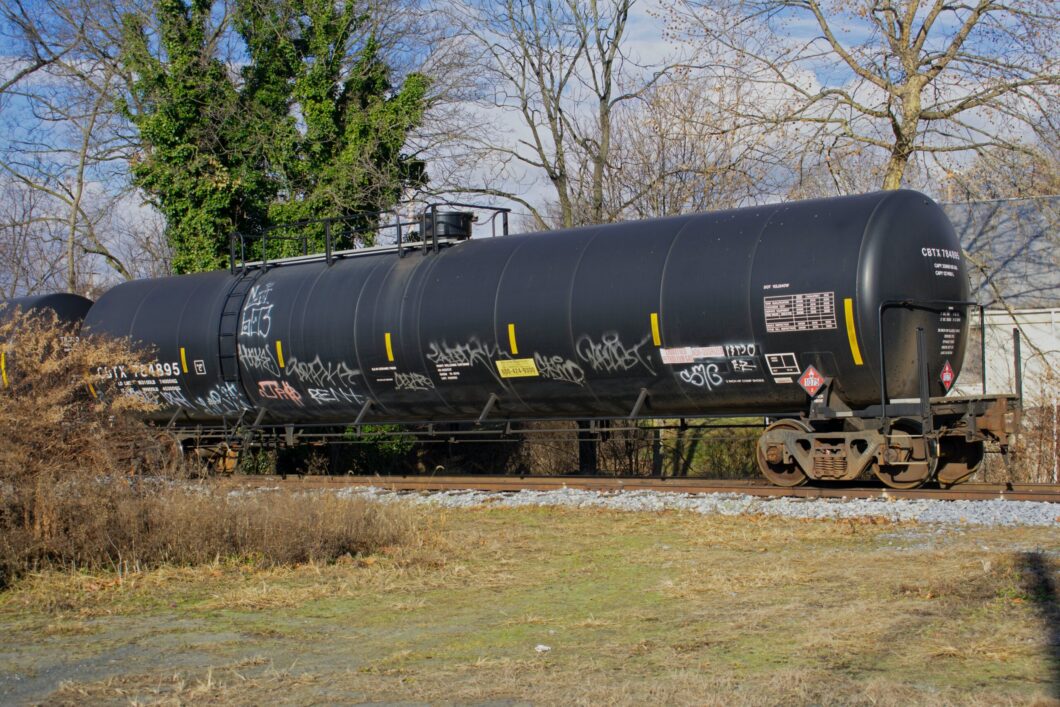
    legal news toxic train wreck

    Photo by Raymond Eichelberger on Unsplash

    Legal News

    On March 14, 2023, Ohio filed a lawsuit against Norfolk Southern Railway Company, a multi-billion dollar entity, in the U.S. District Court for the Northern District of Ohio. The lawsuit stems from the East Palestine train derailment (the “Derailment”), which took place on February 3, 2023. The lawsuit seeks to “recover response costs, redress damages to natural resources, and receive an order for injunctive relief, civil penalties, and damages.” 

    The Derailment 

    The Derailment of train 32N occurred at approximately 9 PM in East Palestine, Ohio—roughly fifty miles northwest of Pittsburgh, Pennsylvania. The accident is believed to have been caused by the overheating and failure of at least one wheel bearing. Twenty of the derailed cars contained hazardous materials, including vinyl chloride, butyl acrylate, ethylhexyl, acrylate, and ethylene glycol monobutyl ether. 

    Chief among the substance concerns was vinyl chloride, which emits toxic substances when it burns. The Environmental Protection Agency (EPA) states that it was notified of the Derailment about two hours after it occurred, and personnel were on site five hours after the accident. The surrounding downwind area was evacuated. Reports were made of health and safety hazards to people and animals in the affected region. Three days after the crash, emergency responders intitiated a controlled release and burn of the remaining vinyl chloride. All the while, the EPA was overseeing air monitoring, water sampling, and other safety controls.  

    On February 10, 2023, EPA Region Five sent a notice of potential liability to Norfolk Southern’s Deputy General Counsel, Matt Gernand. The letter conveyed that the company was a potentially responsible party that might be responsible for cleaning up the Derailment site, or reimbursing the EPA for the cleanup costs incurred by the Agency, under Sections 106(a) and 107 the Comprehensive Environmental Response, Compensation, and Liability Act (CERCLA), colloquially known as the “Superfund Act.”

    Ohio’s Lawsuit  

    About a month and a half after the Derailment, Dave Yost, the Attorney General (AG) of Ohio, filed a 106-paged complaint in federal court against Norfolk Southern. The complaint consists of 58 counts alleging violations of Ohio state laws, the federal CERCLA, and common law. In an announcement released the day of the filing, AG Yost stated, “Ohio shouldn’t have to bear the tremendous financial burden of Norfolk Southern’s glaring negligence.” 

    Ohio’s lawsuit points out that this Derailment is only the latest in a series of recent Norfolk Southern accidents. In fact, the company’s “accident rate has nearly doubled in the past 10 years, and at least 20 of those derailments since 2015 have involved chemical releases.” Ohio alleges that the entity’s increasingly common incidents are a result of putting its bottom line above health and safety. The instant filing details how this particular disaster was “foreseeable and preventable.” Prior to the Derailment, Norfolk Southern received real-time warnings and reports of malfunctions occurring with the train’s wheel bearings. 

    Ohio seeks to hold the transporter accountable for its “release of over one million gallons of hazardous materials, hazardous substances, hazardous wastes, and/or other harmful pollutants into Ohio’s air, streams, rivers, soil, and groundwater, killing tens of thousands of fish and other animals, and recklessly endangering the health of Ohioans throughout the region.” Sought-after compensatory and punitive relief for the harm caused by the Derailment includes the cost of emergency response and cleanup efforts, as well as compensation for the physical and economic harm suffered by local residents. The complaint also requests that the court issue a series of injunctions and declarations that would prohibit Norfolk Southern from further violating the law and negligently injuring. 

    What To Watch For

    Ohio’s lawsuit is just one of many that Norfolk Southern is facing in the aftermath of the Derailment. Norfolk Southern has yet to answer the Ohio complaint. However, the company has previously stated that it is committed to safety and has invested in new technologies and training programs to prevent incidents like the East Palestine train derailment from occurring. 

    The Derailment suits against Norfolk Southern are expected to be closely watched by other transportation companies and industry experts, as they could set a precedent for future cases involving train derailments and hazardous materials. The outcome of this particular lawsuit could have a significant impact on the federal and state safety standards and regulations governing the transportation of hazardous materials by rail in the United States.

    Victoria Kline

    Victoria KlineGuest Writer

    Victoria is a third-year student at the University of Miami School of Law, Juris Doctorate Candidate 2023, Law Review Staff Editor, and soon-to-be associate at Jones Day.

  • European Court of Human Rights to Hear Case on Climate Change by Victoria Kline

    European Court of Human Rights to Hear Case on Climate Change by Victoria Kline

    Guest Writer

    Victoria Kline

    Victoria Kline

    Victoria is a third-year student at the University of Miami School of Law, Juris Doctorate Candidate 2023, Law Review Staff Editor, and soon-to-be associate at Jones Day.

    European Court of Human Rights to Hear Case on Climate Change

    By Victoria Kline

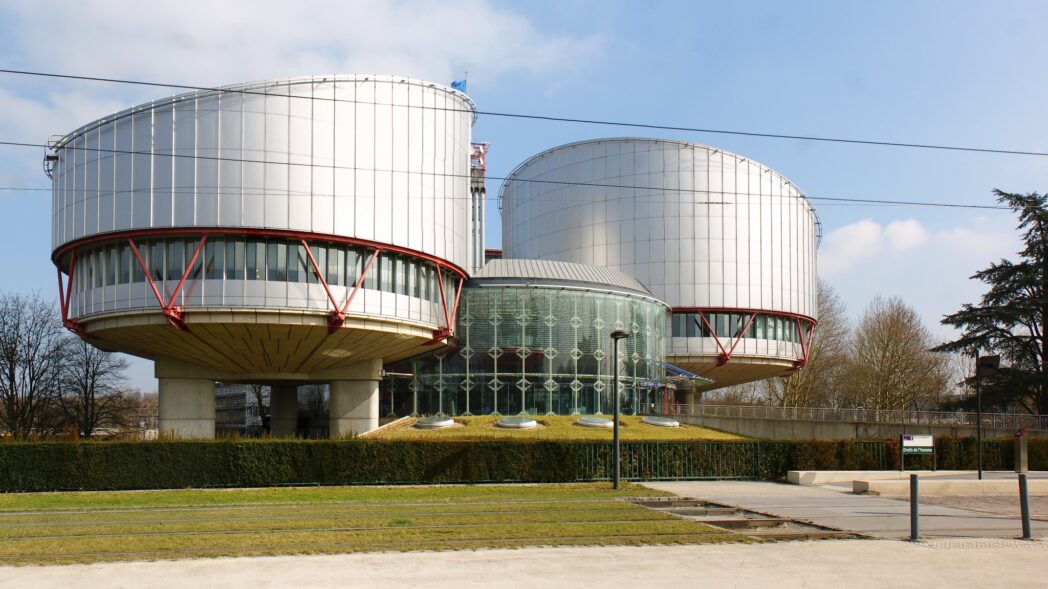
    https://en.wikipedia.org/wiki/User:CherryX

    The European Court of Human Rights (ECHR) is hearing a landmark case brought forward by the Senior Women for Climate Protection Switzerland, who are suing the Swiss government (the “State”) for human rights violations related to climate change. Verein KlimaSeniorinnen Schweiz and others v. Switzerland (“KlimaSeniorinnen”) is one of the first climate change matters the court has taken up. On Wednesday, March 29, 2023, the ECHR held a public hearing.

    History of the Case

    KlimaSeniorinnen began back in 2016, ignited by a group of women called KlimaSeniorinnen Schweiz, the Senior Women for Climate Protection Switzerland. The group filed suit in Swiss court against a variety of Swiss federal government bodies alleging violations of obligations set forth in the Swiss Constitution and the European Convention on Human Rights (the “Convention”). 

    The heart of the suit is the State’s shortcomings in progress being made towards the adopted Paris Agreement’s goal to keep “the increase in the global average temperature to well below 2°C above pre-industrial levels.” The elderly plaintiffs purport that their demographic is especially vulnerable to the “temperature-related morbidity and mortality” caused by “climate change-induced excessive heat.” 

    On April 25, 2017, the suit was dismissed by the Federal Department of the Environment Transport, Energy and Communications for lack of standing on the prongs of injury and remedy. Over a year later, the Swiss Federal Administrative Court rejected the plaintiffs’ appeal. Subsequently, on May 20, 2020, the Swiss Supreme Court also rejected the plaintiffs’ filed appeal, holding that plaintiffs should seek their desired government greenhouse gas reduction politically instead of judicially. 

    After exhausting their judicial remedies at their national level, the instant plaintiffs then applied for their case to be heard by the ECHR on November 26, 2020. 

    International Appeal 

    Plaintiff’s application to the ECHR, No. 53600/20, was granted to be heard with priority pursuant to Rule 41 of the Rules of Court. The ECHR, which is based in Strasbourg, France, is a court of last resort for individuals who claim that their rights under the Convention have been violated by a member state. Because Switzerland has ratified the Convention, it will be bound to the holding of the ECHR. 

    The hearing for the case, which was held on March 29, 2023, was the first climate change matter taken up by the ECHR. Parties argued in front of a 17-member Grand Chamber led by Síofra O’Leary of Ireland. A webcast of the proceeding was published online by the ECHR and can be found here. 

    The hearing, which lasted less than three hours, opened with arguments from both the State and plaintiffs, before two third parties spoke, and the panel of judges asked questions. Then, both the plaintiffs and the State were given the opportunity to reply before the close of the hearing. 

    During the hearing, the senior plaintiffs argued that Switzerland’s failure to take adequate measures to reduce greenhouse gas emissions was a violation of their right to life and their right to respect for private and family life, as guaranteed by Articles 2 and 8 of the Convention. Their arguments are backed by scientific research showing the increasingly dire health and safety effects that global warming is having on European senior citizens. 

    In contrast, the Swiss government argued that it is taking steps to address climate change, such as implementing a carbon tax and increasing the share of renewable energy in the country’s energy mix. However, it can only do so much as one state amongst many that are contributing to the emitted greenhouse gasses that are exacerbating climate change.

    What to Watch For

    Now that the hearing of the case is complete, the Grand Chamber has begun private deliberations on the matter. It is unknown exactly when the ECHR will issue its ruling. 

    The ECHR’s decision could provide insight on how to establish standing for particularized injuries suffered as a result of climate change, which by nature affect the world’s population. Further, while the court’s holding will not be legally binding on non-member states, if the ECHR finds in favor of the seniors, it could set a precedent for other climate change lawsuits in Europe and beyond. 

    Two other climate change cases are also being heard by the Grand Chamber—Carême v. France (no. 7189/21), and Duarte Agostinho and Others v. Portugal and Others (no. 39371/20). The ECHR’s handling of all three cases is expected to be closely watched by policymakers, industry members, and activists alike.

  • Greenhouse Gases Cited in Suit to Invalidate Drilling Leases

    Greenhouse Gases Cited in Suit to Invalidate Drilling Leases

    Environmentalists Argue Federal Government Failed to Analyze Social Costs of Fossil Fuel Emissions from Drilling Leases

    Photo by Marcin Jozwiak on Unsplash

    “Federal public lands used for fossil fuel extraction contribute 24% of the United States’ Greenhouse Emissions,” according to 10 environmental groups in their ongoing lawsuit against the U.S. Department of the Interior, Secretary of the Interior Debra Haaland, the Bureau of Land Management (BoLM), and BoLM Director Tracy Stone-Manning (Dakota Resource or Council, et al, v. U.S. Department of the Interior, et al., D. D.C., No. 1:22-cv-1853 ).

    Their lawsuit seeks to invalidate 173 oil and gas leases approved in June 2022 across eight states:  Colorado, Montana, Nevada, New Mexico, North Dakota, Oklahoma, and Utah, and Wyoming. 

    Plaintiffs include: Dakota Resource Center, Center for Biological Diversity, Citizens for a Healthy Community, Living Rivers & Colorado Riverkeeper, Montana Environmental Information Center, Rio Grande Waterkeeper, Sierra Club, Waterkeeper Alliance, Western Waterheads Project, and WildEarth Guardians.

    The environmental groups argue the BoLM is in violation of the National Environmental Policy Act (NEPA) 42 U.S.C. § 4321, for failing to make efforts to prevent or eliminate damage to the environment and biosphere. The groups also argue that Secretary Haaland failed to follow the instructions of the Federal Land Policy and Management Act (FLPMA) 43 U.S.C. § 1701, which requires her office to “take any action necessary to prevent unnecessary or undue degradations of the land.”

    Five states have intervened for the defendants: Montana, North Dakota, Oklahoma, Utah, and Wyoming. Defendants, through Montana Attorney General Austin Knudsen, argued in their answer filed Oct. 21, 2022, the complaint failed to state a claim upon which relief could be granted, the plaintiffs lacked standing, that plaintiffs failed to exhaust their administrative remedies, and that the intervening states reserve the right to further amend pleadings throughout the course of litigation.

    In January 2021 the newly-transitioned Biden Administration issued Executive Order 14008 requiring the Interior Department to place a “pause” on all new oil and gas leases and required the BoLM produce a report containing a review and reconsiderations of Interior’s leasing program. Louisiana challenged the order’s “pause” in Louisiana v. Biden, 543 F. Suppl. 3d 388, 410 (W.D. La. 2021) and won, reversing the order’s policy on oil and gas leases but kept the order’s requirement for the Interior Department to produce its report on leasing practices.

    Interior published a 14-page report on Nov. 27, 2021, that highlighted recommendations for fiscal reforms but contained no analysis of the leasing program’s climate impacts. This report failed to acknowledge the BoLM’s recent acknowledgments of collaborative scientific research conducted by the federal multiagency Council of Environmental Quality in 2012, 2015, and in 2020, that revealed significant social costs incurred by greenhouse gas emissions. The BoLM acknowledged that lands under their management contained 96,100 actively producing oil or gas wells. This makes the BoLM responsible for managing lands producing as much as 7% of the country’s oil needs and 8% of its gas needs.

    The coalition filed a motion for summary judgment on March 9, 2023, asking the judge to conclude the matter before greenhouse gas emissions from these lease sites curtail efforts by the United States to reduce greenhouse gas emissions by 2030. The coalition also addressed the defendants’ affirmative defense that plaintiffs lacked standing to allege injury for damage to aesthetic and recreational values of the land. The groups argued that “actual environmental harm from complained-of activity need not be shown,” citing Friends of the Earth v. Laidlaw, 528 U.S. 167, 180-81 (2000).

    The environmental groups argued that the BoLM failed to follow NEPA by filing six separate Environmental Assessments that did not take into account the project’s at-large social costs. The BoLM failed to produce an impact report to the public about estimated greenhouse gas emissions generated throughout various stages of managing land containing active gas and oil production. Under Conner v. Burford, 848 F.2d 1441, 1451 (9th Cir. 1998), the groups argue the BoLM failed to comply with NEPA by streamlining the sale process and not properly conducting an environmental impact study for the 162 lease sites as an entire project rather than on a state-by-state basis. Under Conner, “[a] sale of an oil and gas lease represents an irreversible and irretrievable commitment of resources.” The environmental groups also point blame at Secretary Haaland for failing to follow instructions provided by the FLPMA regarding the management of federal lands.

    FLPMA instructs the Secretary of the Interior to consider multiple federal land management principles, including: the combination of balanced and diverse resources; needs of future generations for renewable and nonrenewable resources, recreation, range, timber, minerals, watershed, wildlife and fish; and the mutual, scientific, and historical value of the lands. The environmentalists insinuate that Haaland should have directed Interior to invalidate the lease sales and ordered the BoLM to restart the oil and gas lease assessment process in order to be NEPA compliant. The defendants’ answer to this motion is expected in the coming days.

    Hunter Schmitz

    Hunter SchmitzGuest Writer

    Hunter Schmitz is a freelance legal writer and paralegal with Focus on Property Law and Civil Litigation.

    The Texas Two-Step: Testing Bankruptcy Law and Jury Rights with Adam Silverstein

    September 7th, 2026|Comments Off on The Texas Two-Step: Testing Bankruptcy Law and Jury Rights with Adam Silverstein

    The Hidden Danger of Carbon Monoxide: Proving Exposure, Brain Injury & Liability with Sam Cannon

    August 30th, 2026|Comments Off on The Hidden Danger of Carbon Monoxide: Proving Exposure, Brain Injury & Liability with Sam Cannon

    War Risk Insurance and Exclusion | Webinar for CLE Credit

    August 2nd, 2026|Comments Off on War Risk Insurance and Exclusion | Webinar for CLE Credit

    AI and the Law: A Year-End Retrospective 2025 and Beyond | Webinar for CLE Credit

    July 26th, 2026|Comments Off on AI and the Law: A Year-End Retrospective 2025 and Beyond | Webinar for CLE Credit

    HIPAA Meets Social Media Marketing with Liz Heddleston and Leah Stiegler

    June 22nd, 2026|Comments Off on HIPAA Meets Social Media Marketing with Liz Heddleston and Leah Stiegler