The Authors
Dennis J. ArteseAnderson Kill P.C.
Dennis Artese is a shareholder in the New York office of Anderson Kill and Chair of the firm’s Climate Change and Disaster Recovery practice group. He is also co-chair of the firm’s Construction Industry practice group. Dennis’s national practice concentrates on all types of insurance recovery litigation, with an emphasis on securing insurance coverage for property and business interruption losses stemming from natural disasters and other perils as well as for construction-related first-party property losses and third-party liability claims.
Ethan W. MiddlebrooksAnderson Kill P.C.
Ethan Middlebrooks is a shareholder in Anderson Kill’s New York office, where he concentrates his practice in insurance recovery, exclusively on behalf of policyholders. He is also a member of the firm’s COVID Task Group. Ethan has assisted numerous policyholders with insurance recovery on a range of matters, including first-party claims involving property and business interruption, and liability claims involving construction losses, D&O liability, educational management liability, and public officials’ liability.
Thomas DupontAnderson Kill P.C.
Tom Dupont is an attorney in Anderson Kill’s New York office. He focuses his practice on insurance recovery, exclusively on behalf of policyholders.
Emerging Litigation PodcastProduced by HB Litigation and Law Street Media
Interviews with leading attorneys and other subject matter experts on new twists in the law and how the law is responding to new twists in the world.
Property Insurance Coverage for Emerging Risk:
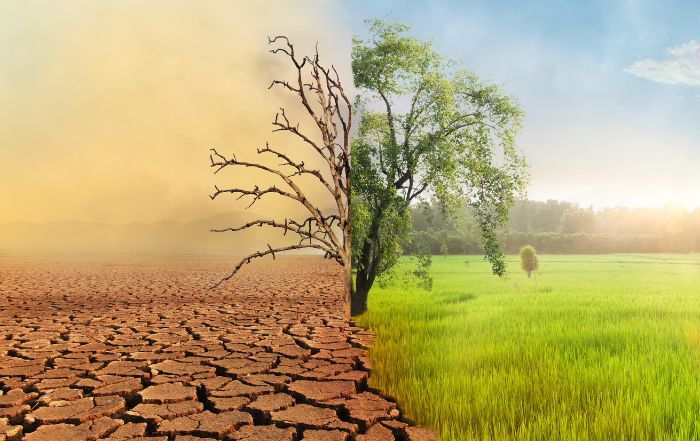
Underground Climate Change
If there is an abrupt collapse as a result of underground climate change under a policy containing an earth movement exclusion, construing the policy as a whole and giving effect to all terms wherever possible should, at a minimum, result in an ambiguity in the policy that is construed in favor of coverage.
Abstract:
Studies have shown that heat emanating from basements, train tunnels, sewers, and other underground systems in major metropolises in the United States and Europe is heating the ground between city surfaces and the bedrock by as much as 27 degrees Fahrenheit. This “underground climate change” is affecting ground soil conditions, causing structural strains on buildings and exacerbating cracks and defects in walls and foundations. Whether property insurance coverage will respond to loss and damage resulting from underground climate change will likely hinge on the application of the “earth movement” exclusion and potential exceptions thereto, in addition to other policy exceptions. Focusing on broad “all risk” commercial property insurance policies, this article analyzes permutations of policy language and state law that may affect coverage for damage caused by underground climate change, including how state law treats anti-concurrent causation clauses, whether “human-caused” exceptions to earth movement exclusions may apply to underground climate change, and whether “abrupt collapse” exceptions to exclusions for building collapse may apply when undetected structural damage triggered by underground climate change triggers collapse.
Explore More from Anderson Kill!
Podcast 2 of 2 series: PFAS Insurance Coverage with Robert D. Chesler of Anderson Kill.
Journal on Emerging Issues, Editorial Board of Advisors: Dennis Artese, Robert D. Chesler
Asymmetrical Combat: Bad Faith Liability in Insurance Recovery Cases. By William Passannante
The Use and Abuse of the Pollution Exclusion. Authors: Dennis Artese, Jamie O’Neil, Robert Chesler