Category: Environmental Torts

  • PFAS Litigation Deepens as 3M Reaches $450M Deal with New Jersey

    PFAS Litigation Deepens as 3M Reaches $450M Deal with New Jersey

    Emerging Litigation Podcast

    Emerging Litigation PodcastProduced by HB Litigation

    Interviews with leading attorneys and other subject matter experts on new twists in the law and how the law is responding to new twists in the world.

    Interested in contributing an article? Email us at Editor@LitigationConferences.com.

    PFAS Litigation Deepens as 3M Reaches $450M Deal with New Jersey

    From water contamination to consumer products, the legal front over ‘forever chemicals’ is expanding fast.

    By Jennifer Holmes

    The true cost of forever chemicals is only beginning to emerge.

    A Landmark Settlement in Environmental Law

    The legal and financial fallout surrounding per- and polyfluoroalkyl substances (PFAS), commonly known as “forever chemicals,” continues to grow, with 3M recently agreeing to a $450 million settlement with the state of New Jersey. Announced in May 2025, this deal marks one of the most significant developments in PFAS litigation to date and underscores the expanding landscape of environmental, insurance, and product liability concerns tied to these persistent compounds.

    New Jersey’s lawsuit alleged that 3M knowingly contaminated water supplies with PFAS through decades of manufacturing and product use. PFAS are highly resistant to heat, water, and oil—properties that make them useful in a wide range of consumer products but also extremely difficult to eliminate from the environment. The chemicals have been linked to various health risks, including cancer, thyroid disease, and reproductive issues.

    The settlement, announced in May 2025, follows a series of similar agreements, including 3M’s $850 million payout to the state of Minnesota in 2018 over PFAS contamination in the Twin Cities area.

    However, the New Jersey deal is not yet final. A judicial consent order covering both claims tied to the Chambers Works site and broader statewide contamination is set to be published in the New Jersey Register on July 7, 2025, initiating a 60-day public comment period before it can be approved by the court. Under the agreement’s current structure, 3M will pay $210 million upfront for site-specific claims and reserve an additional $75 million for future statewide claims between 2030 and 2050—payments that will be distributed over a 25-year period.

    Meanwhile, a separate bench trial continues against DuPont and Chemours over PFAS contamination at the Chambers Works facility. The New Jersey Attorney General’s office has alleged violations under the Spill Compensation and Control Act and the Water Pollution Control Act, pursuing accountability from other major players beyond 3M.


    Product Liability Moves Into the Spotlight

    While states and municipalities pursue cleanup and remediation costs, plaintiffs’ attorneys are increasingly targeting major brands alleged to have sold PFAS-containing products without adequate disclosure. One prominent example is Apple, which is now facing legal scrutiny over its watch bands.

    In January 2025, a class-action lawsuit was filed in the U.S. District Court for the Northern District of California, alleging that certain Apple Watch bands—including the Sport Band, Ocean Band, and Nike Sport Band—contain harmful levels of PFAS. The suit claims that these chemicals can be absorbed through the skin and enter the bloodstream, posing health risks to consumers.

    In response to earlier media coverage, Apple defended the safety of its products and denied that the bands pose health risks. The lawsuit raises broader questions about product design, corporate responsibility, and the evidentiary standards required in toxic tort claims involving emerging materials.


    Insurance Disputes and Recovery Challenges

    PFAS litigation is also creating ripple effects in the insurance industry. As claims multiply, insurers are increasingly resisting PFAS-related payouts, citing policy exclusions or arguing that such liabilities fall outside standard coverage.

    Nonetheless, policyholders may still find avenues for recovery under older general liability policies—though success will likely hinge on state-specific precedent and policy language. Because modern general liability policies frequently include pollution or PFAS-specific exclusions, many policyholders are turning to environmental liability policies, which are more tailored to address contamination and cleanup claims. However, these policies are highly variable and proprietary, making legal interpretation more complex.


    Regulatory Uncertainty Slows Accountability

    Further complicating the legal landscape is ongoing regulatory uncertainty. In 2020, the Trump administration withdrew a draft EPA rule that would have classified PFAS as hazardous substances under CERCLA. That rollback continues to reverberate in the courts, creating challenges for plaintiffs in the absence of uniform federal standards.

    In contrast, the Biden administration finalized the first-ever national drinking water standards for six PFAS compounds in April 2024, including a 4 parts per trillion limit for PFOA and PFOS. However, the Trump administration has since announced plans to roll back portions of these regulations, citing compliance cost concerns for utilities and chemical manufacturers. This regulatory whiplash continues to affect litigation timelines and may delay meaningful accountability.


    What Comes Next?

    For 3M, the New Jersey settlement is part of a broader effort to resolve thousands of PFAS-related claims across the U.S.—but it may only scratch the surface of potential liability. As litigation extends from manufacturers to retailers and from public water systems to individual consumer claims, the true cost of “forever chemicals” is still unfolding.

    With billions of dollars at stake, PFAS litigation is shaping up to be one of the most complex and consequential mass tort landscapes of the decade—blending environmental law, product liability, insurance coverage, and regulatory policy into a sprawling legal challenge with profound implications for public health and corporate accountability.


    Jennifer Holmes is a former journalist turned business writer and analyst. She can be reached at Editor@LitigationConferences.com.

  • Facing PFAS lawsuit, Apple claims watch bands are safe, but what does the evidence say?

    Facing PFAS lawsuit, Apple claims watch bands are safe, but what does the evidence say?

    Emerging Litigation Podcast

    Emerging Litigation PodcastProduced by HB Litigation

    Interviews with leading attorneys and other subject matter experts on new twists in the law and how the law is responding to new twists in the world.

    Interested in contributing an article? Email us at Editor@LitigationConferences.com.
    Facing PFAS lawsuit, Apple claims watch bands are safe, but what does the evidence say?

    By: Justin Ward

    The plaintiffs argue that Apple marketed its smartwatch as ‘the ultimate device for a healthy life’—while knowing it contained hazardous forever chemicals.

    Apple has been doing damage control ever since a study found that its smartwatch bands contained “elevated levels” of so-called forever chemicals. Lawyers in California also filed a class action lawsuit earlier this year alleging that the company misleadingly marketed the watches as “safe” and “healthy.” The University of Notre Dame tested 22 smartwatch bands coated in fluoroelastomers to make the rubber materials more resistant to sweat and oil. They found that nine of them—including bands used in Apple smartwatches— had “very high concentrations” of perfluorohexanoic acid (PFHxA). This chemical is a polyfluoroalkyl substance (PFAS), known as a “forever chemical” because it breaks down slowly in the environment and builds up in the human body over time, causing health problems. The company has responded publicly, maintaining that the watch bands are “safe for users to wear” and referring to Apple’s “rigorous testing and analysis” of materials before bringing products to the market.

    At the same time, the plaintiffs in the class action lawsuit point to studies showing that PFAS can be absorbed through the skin. However, the Notre Dame study notes that research on dermal absorption is “limited,” and other research on durable waterproof clothing containing PFAS shows that forever chemicals are less likely to enter through the skin compared to other pathways, such as eating or drinking contaminated food and water or inhaling dust.

    The lawsuit joins other large class action lawsuits alleging that clothing made with PFAS causes lasting health hazards, including cancer. Firefighters have been at the forefront of PFAS litigation nationwide, winning billions in settlements against chemical companies over the use of PFAS in foam. More recently, they’ve turned their attention to protective gear, which is often made by the same companies, including 3M and DuPont. For example, Connecticut firefighters’ unions launched a $5 million lawsuit last summer seeking relief from the companies that produce their equipment. In February, a man in Vallejo sued Gore-Tex for allegedly using PFAS in its raincoats. Notably, REI prevailed in a similar case last year after the plaintiff failed to prove its jackets contained significant levels of PFAS.

    Forever chemicals are ever-present in the environment and can enter the body from multiple sources, so the plaintiffs in the Apple lawsuit may find it difficult to establish that they suffered actual damages from wearing Apple watches versus other more common pathways like inhalation or ingestion. Instead, the plaintiffs are focusing on false advertising as their primary cause of action, highlighting Apple’s marketing of its smartwatch as “the ultimate device for a healthy life.” They argue that Apple deceptively advertised their products as “safe” in violation of California’s Unfair Competition Law. The plaintiffs contended that Apple knew forever chemicals are hazardous and that their products contained PFAS.

    Apple announced in 2022 that it would completely phase out PFAS in its supply chain but claimed that existing materials containing PFAS are “safe during product use.”


    Justin Ward is a Seattle-based investigative reporter specializing in politics, courts, and criminal justice. His work can be found in national and local media outlets, including USA Today, the Southern Poverty Law Center, and The Seattle Stranger. He can be reached at justinwardtexan@yahoo.com.

  • Wildfire Litigation: Building a Case and Establishing Liability with Ed Diab

    Wildfire Litigation: Building a Case and Establishing Liability with Ed Diab

    Wildfire Litigation: Building a Case and Establishing Liability with Ed Diab

    Concepts: Environmental Law; Mass Torts; Wildfire Litigation

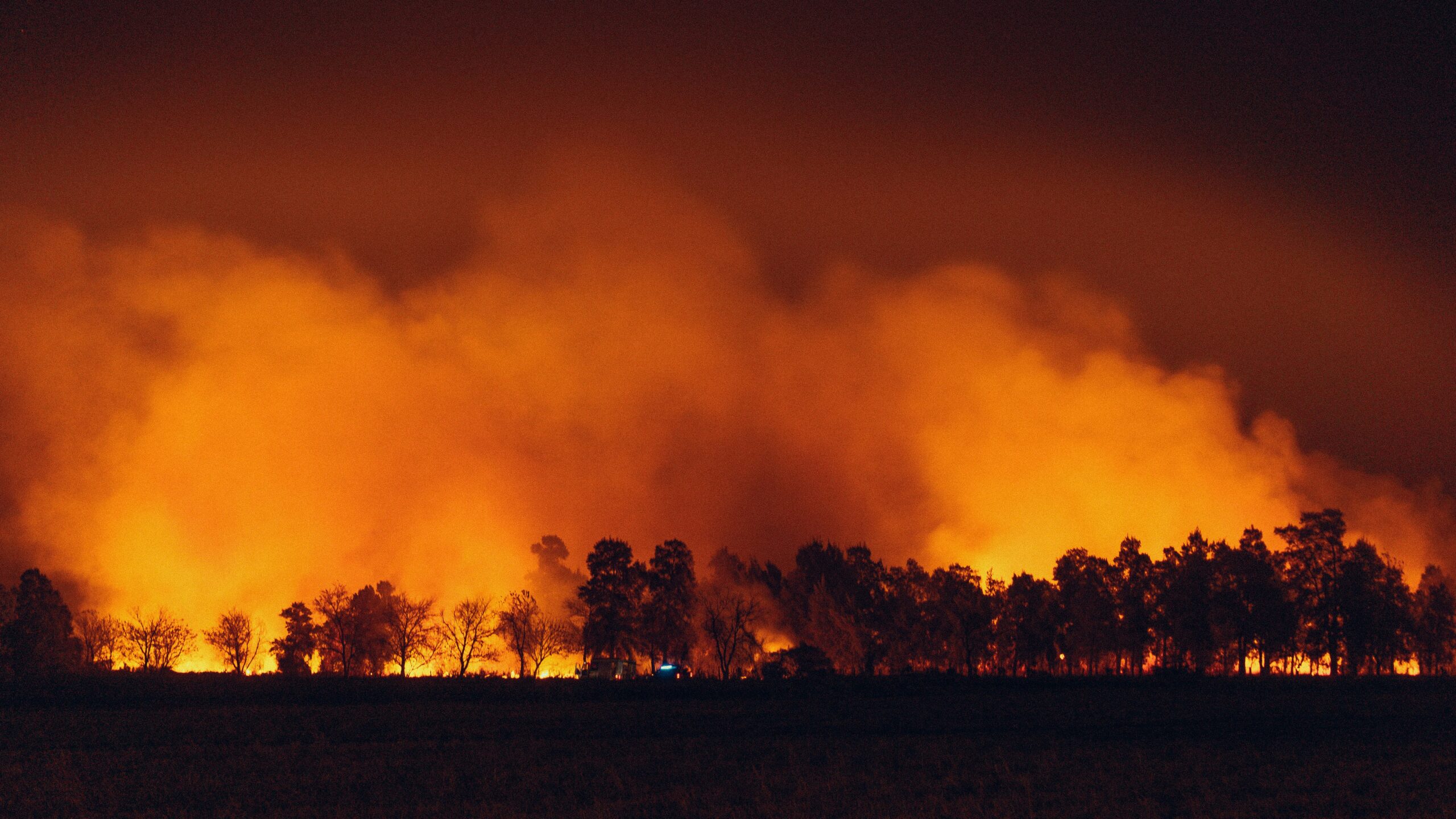
    Southern California’s wildfire season has turned into a year-round crisis, and with it comes a surge in litigation. On this episode of the Emerging Litigation Podcast, we explore the aftermath of the devastating January 2025 wildfires, including the high-profile Eaton and Palisades fires, and the complex legal battles now unfolding.

    My guest, Ed Diab, is a founding partner of Diab Chambers LLP, a boutique law firm with a sharp focus on wildfire litigation. Ed and his team have worked alongside national firm Baron & Budd to represent over 100 public entities in wildfire cases dating back to 2015. His deep experience in this area, combined with an insider’s perspective on utility liability, makes him uniquely qualified to discuss the challenges and strategies involved in these high-stakes cases.

    As of early 2025, more than 100 cases have been filed against utilities like Southern California Edison, with public entities, individuals, and insurance carriers seeking damages for widespread destruction. In this conversation, Ed breaks down the causes of these fires, the legal strategies in play, and the uphill battle plaintiffs face when going up against major power utilities.

    Ed walks us through California’s unique inverse condemnation doctrine, negligence claims, and how utility companies defend themselves—challenging liability, infrastructure management, and fire prevention efforts. We also discuss the challenges of evidence preservation, particularly when transmission towers remain critical to the state’s power grid.

    From the legal wrangling over the Eaton Fire to the complexities of the Palisades rekindle, Ed shares the latest developments and what litigators should expect moving forward. His insight into the coordination between local and national firms and how they’ve successfully pursued wildfire claims makes this a must-listen episode for anyone following disaster-related litigation.

     Tune in for insights on:
    ✅ Common causes of wildfire litigation and liability determination
    ✅ How plaintiffs build cases against utilities through expert investigations
    ✅ Strategic use of inverse condemnation and negligence claims
    ✅ Key defenses raised by utilities and how plaintiffs respond
    ✅ The current status of major wildfire cases and emerging litigation trends

    If you have comments or wish to participate in one our projects please drop me a note at Editor@LitigationConferences.com.
    Tom Hagy
    Litigation Enthusiast and
    Host of the Emerging Litigation Podcast
    Home Page
    LinkedIn

    Ed Diab

    Ed DiabFounder, Diab Chambers LLP

    Ed Diab is a Founding Partner of Diab Chambers and leads the firm’s wildfire and mass tort practice. His practice centers on the representation of public entities that sustained damages as a result of utility or third-party caused wildfires. Ed has recovered over $1.65 billion on behalf of his wildfire clients. In 2020, the Daily Journal awarded him the prestigious California Lawyer Attorney of the Year (“CLAY”) Award for the $360 million settlement recovered on behalf of 20 public entities represented by him that sustained damages in the 2017 Thomas Fire and Montecito Mudslides and the 2018 Woolsey Fire. The Daily Journal also named Ed to the Top Plaintiffs Lawyers list for 2024. Ed received his undergraduate degree in Economics from University of California Davis, and his law degree from California Western School of Law.

    podcast logo face


    Want to appear on the Emerging Litigation Podcast?


    Send us your idea! 

    It might even make this man smile. “But I am smiling here.”

    No. No he’s not.

  • Forever Chemicals: Insurance Recoveries for PFAS Liabilities

    Forever Chemicals: Insurance Recoveries for PFAS Liabilities

    Forever Chemicals: Insurance Recoveries for PFAS Liabilities

    ​

    Dark blue-lit science test tube with substance dropping, illustrating PFAS chemical testing and regulation uncertainty

    Gain an understanding of the evolving legal, regulatory, and insurance landscape surrounding PFAS (“forever chemicals”) and their growing impact on businesses and insurers.

    🔹 PFAS background 

              a) Chemical characteristics, history, commercial uses, etc.  

    🔹 Problems with PFAS 

              b) Persistence in environment, health concerns  

    🔹 Regulatory landscape 

              c) EPA and state regulation of PFAS  

              d) Developments under the new administration  

    🔹 Legal liability landscape 

              e) Toxic tort lawsuits (MDL), consumer class actions  

              f) Notable cases, notable settlements  

    🔹 Insurance coverage for PFAS liabilities 

              g) Sources of coverage: CGL, Pollution, etc.  

              h) Obstacles to coverage: pollution exclusions, missing policies,

                   other issues  

    🔹 Practical steps to securing coverage for PFAS liabilities

              i) Providing notice, locating missing policies, pushing back on denials

                  and choosing your battleground

    Learning Objectives

    🔹 Understand the scope of coverage under commercial property policies applicable to hurricane claims.

    🔹 Learn the science and historical usage of PFAS in commerce.

    🔹 Examine state and federal regulatory developments that affect PFAS use and remediation.

    🔹 Understand the scope of coverage under liability insurance policies applicable to PFAS claims.

    🔹 Navigate the claims process: Acquire practical tips and strategies for effectively managing and negotiating insurance claims related to PFAS, including documentation, communication with insurers, and dispute resolution.

    🔹 Preserve insurance rights: Learn how to identify and locate historic insurance policies that may be applicable to PFAS liabilities and learn how to safeguard insurance by documenting cooperation and information flows during the claim adjustment process.

    TAKE IT NOW

    Available now to CeriFi LegalEdge subscribers. Don’t subscribe? Don’t despair. Use code HB20 for 20% off. Or, HBSub20 for 20% off a full solo subscription. While supplies last.

    Speakers

    Bob Horkovich

    Bob Horkovich Firm Managing Partner, Anderson Kill P.C.

    Robert M. Horkovich is “the ‘go-to person’ in the area of insurance recovery,” according to a client cited by Chambers USA. He has obtained more than $8 billion in settlements and judgments from insurance companies for his policyholder clients. A trial lawyer with victories that include one of the top 10 jury verdicts in the United States, the top insurance recovery jury verdict in the United States, seven landmark state Supreme Court decisions, eight jury verdicts and nine bench trial decisions in favor of the policyholders. He received his JD from Fordham University School of Law and his BS from Fordham University.

    Cameron Argetsinger

    Cameron ArgetsingerShareholder, Anderson Kill P.C.

    Cameron R. Argetsinger is a Shareholder in the D.C. office of Anderson Kill. He focuses his practice on insurance recovery counseling and dispute resolution. Representing corporate policyholders in a broad range of insurance coverage disputes, including claims involving coverage for cyber liability, employment practices, antitrust, environmental contamination, flood and hurricanes, toxic substances and more. He received his JD from George Mason University School of Law and his BA from the College of William and Mary.

    Arthur J. Clarke

    Arthur J. ClarkeSenior Director, J.S. Held LLC

    Arthur J. Clarke, J.D. has more than 40 years of experience as an environmental consultant and environmental attorney. He specializes in litigation support, expert witness services, transactional support, due diligence, and regulatory compliance matters and has extensive technical experience as both a project manager and analytical chemist. He received his JD from Seton Hall University School of Law, Newark, NJ and a BA in Chemistry from Binghamton University, Binghamton, NY.

    Walker Prentke

    Walker PrentkeSenior Hydrogeologist, J.S. Held LLC

    Walker Prentke has over 10 years of diverse experience within the environmental field. He specializes in environmental liability assessment, environmental litigation support and environmental due diligence. He has carried out extensive environmental liability assessments for large and diverse clients. He holds a MS in Hydrogeology from the University of Birmingham, United Kingdom and a BS in Chemistry from the University of St Andrews, Scotland.

  • Post-Hurricane Coverage and Claims Adjustment Issues​

    Post-Hurricane Coverage and Claims Adjustment Issues​

    Post-Hurricane Coverage and Claims Adjustment Issues​

    Hurricane damage with insurance claim forms and adjustment process

    Gain an understanding of key insurance coverage issues arising from Hurricanes Helene and Milton, including business interruption claims, deductibles, flood sublimits, and strategies to address delays in the claims adjustment process.

    Hurricanes Helene and Milton made landfall in Florida in September and October, 2024, respectively. By now, most commercial policyholders have notified their insurance companies of their property damage and business interruption losses, and the claims adjustment process should be well underway. During that process, various coverage issues can arise, and some policyholders will struggle with feet-dragging on the part of their insurance companies.

    This webinar provides an overview and guidance for key insurance coverage issues, including unique issues that may arise given that hurricanes Helene and Milton struck in close succession, along with issues related to business interruption coverage, deductibles and flood sublimits. This Webinar also provides strategies to deal with dilatory claims practices to maximize insurance recoveries as expeditiously as possible. This webinar can help attorneys, insurance professionals, risk managers, and anyone interested in gaining a deeper understanding of legal and claims adjustment issues surrounding insurance coverage for hurricanes. Don’t miss this opportunity to enhance your knowledge and stay ahead in this evolving field.

    Learning Objectives

    Understand the scope of coverage under commercial property policies applicable to hurricane claims.

    Analyze unique issues of property damage allocation where storms strike the same geographical area back-to-back.

    Learn to identify common and misunderstood limitations in insurance policies that may affect coverage for hurricane claims, including “named storm” deductibles and flood sublimits.

    Examine case law that has shaped the current landscape of hurricane insurance coverage, and understand its implications for current and future claims.

    Navigate the claims process: Acquire practical tips and strategies for effectively managing and negotiating insurance claims related to hurricane damage, including documentation, communication with insurers, and dispute resolution.

    Preserve insurance rights: Learn how to identify time sensitive fine print that is used to delay and void covered claims by the insurance industry, including notice of loss clauses, proofs of loss terms, suit limitation provisions, and learn how to safeguard insurance by documenting cooperation and information flows during the claim adjustment process.

    Loss adjustment, claim investigation and reaching fair valuations: Learn how to deal with the inevitable arguments insurance companies use to limit claim payment for property damage losses and time element coverages such as business interruption coverage.

    TAKE IT NOW

    Available now to CeriFi LegalEdge subscribers. Don’t subscribe? Don’t despair. Use code HB20 for 20% off. Or, HBSub20 for 20% off a full solo subscription. While supplies last.

    Speakers

    Dennis J. Artese

    Dennis J. ArteseShareholder, Anderson Kill P.C.

    Dennis Artese is a shareholder in Anderson Kill’s New York office and is co-chair of the firm’s Climate Change and Disaster Recovery practice group. Dennis’s national practice concentrates on all types of insurance recovery litigation, with an emphasis on securing insurance coverage for property and business interruption losses stemming from natural disasters and other perils as well as for construction-related first-party property losses and third-party liability claims. Dennis has substantial experience in all phases of litigation, arbitration and property insurance appraisals, and has recovered hundreds of millions of dollars of insurance proceeds on behalf of policyholders in connection with a variety of insurance claims. He earned his B.A. at the University of Connecticut and his J.D., cum laude, at St. John’s University School of Law.

    Marshall Gilinsky

    Marshall GilinskyShareholder, Anderson Kill P.C.

    Marshall Gilinsky is a shareholder at Anderson Kill’s Boston office, focusing on Insurance Recovery and Commercial Litigation. Co-chair of the firm’s Sexual Harassment and Abuse Insurance Recovery Group and Sports, Media, and Entertainment Group, Marshall has recovered hundreds of millions of dollars for clients during his 20-year career. He has represented clients on complex insurance claims related to major losses, including 9/11, Hurricane Katrina, Superstorm Sandy, and Boston’s “Big Dig.” He represents a diverse range of policyholders in high-stakes disputes. Marshall earned his B.S. from Cornell University and his J.D., with honors, from The George Washington University Law School.

    Joshua Gold

    Joshua GoldShareholder, Anderson Kill P.C.

    Joshua Gold is a shareholder in Anderson Kill’s New York office and serves as chair of the Cyber Insurance Recovery Group and co-chair of the Marine Cargo Insurance Group. He has represented numerous corporate and non-profit policyholders in various industries, with recoveries for his clients well in excess of $1.5 billion. Josh’s practice involves matters ranging from international arbitration, data security, directors and officers insurance, business income/property insurance, commercial crime insurance, admiralty, cargo, and marine insurance disputes. He earned his B.A. at the University of Massachusetts at Amherst and his J.D. at Benjamin N. Cardozo School of Law.

    Grant Brown

    Grant BrownAttorney, Anderson Kill P.C.

    Grant Brown is an attorney in Anderson Kill’s New York office and a member of the firm’s Insurance Recovery Group. He represents corporate policyholders in a wide range of coverage disputes, including first-party coverage disputes for losses related to property damage, as well as third-party matters involving coverage for tort claims, directors and officers, and professional liability claims. Grant has represented clients in matters including an arbitration seeking recovery of millions of dollars in losses caused by Hurricanes Irma and Maria; a D&O insurance case seeking tens of millions of dollars in defense costs incurred in a high-stakes litigation; professional liability claims on behalf of accounting firms, law firms, private equity firms, and public officials; and complex coverage litigation for alleged asbestos liabilities. He earned his B.A., magna cum laude, at the University of Maryland and his J.D., summa cum laude, at University of Maryland Francis King Carey School of Law.

  • 2025 California Wildfires Prompt Wave of Suits

    2025 California Wildfires Prompt Wave of Suits

    Wildfire and Climate Change Posts

    HB Environmental Update | Tuesday, Feb. 3, 2026 | Climate Funding, Wind Power, Wild Horses, PFAS Regs, PFAS Settlement, and the Decades of Debate Over the Pollution Exclusion

    February 6th, 2026|

    HB Environmental Update Monday, Dec. 15, 2025 | Feds Step Back, States Step In, Courts Push Back, EPA Wavers

    December 13th, 2025|

    Montana Court Awards $2.9 Million in Fees to Youth Climate Plaintiffs After Landmark Constitutional Win

    November 16th, 2025|

    Insurance Coverage Litigation’s Modern Mayhem with Jeremy Moseley on the Emerging Litigation Podcast

    September 17th, 2025|

    Climate Change Law: Tension Increases Over Governmental and Corporate Responsibility

    August 8th, 2025|

    2025 California Wildfires Prompt Wave of Suits

    March 11th, 2025|

    22 States Sue New York Over Climate Fund, Calling It an ‘Unconstitutional Shakedown’

    March 3rd, 2025|

    Property Insurance Coverage for Emerging Risk of Underground Climate Change 

    July 8th, 2024|

    Property Insurance Coverage for Emerging Risk: Underground Climate Change

    January 31st, 2024|

    Natural Gas Bans and Bans on Bans

    September 25th, 2023|

    Climate Change, Property Rights, and Conservation: Highlights from a Decade of Environmental Law (2013–2023)

    June 16th, 2023|

    European Court of Human Rights to Hear Case on Climate Change by Victoria Kline

    April 7th, 2023|

    Greenhouse Gases Cited in Suit to Invalidate Drilling Leases

    April 2nd, 2023|

    Conservationists Try Again to Block Drilling in Alaska’s Western Arctic

    April 1st, 2023|

    Emerging Litigation Podcast

    Emerging Litigation PodcastProduced by HB Litigation

    Interviews with leading attorneys and other subject matter experts on new twists in the law and how the law is responding to new twists in the world.

    Interested in contributing an article? Email us at Editor@LitigationConferences.com.

    2025 California Wildfires Prompt Wave of Suits

    By Bret Thurman

    Power companies, once again, are the primary defendants.

    Ubi jus ibi remedium. Where there’s a wrong, there’s a remedy. This legal axiom is the basis of the dozens of lawsuits that have been filed against various entities who, according to the plaintiffs, share responsibility for starting the 2025 California wildfires. 

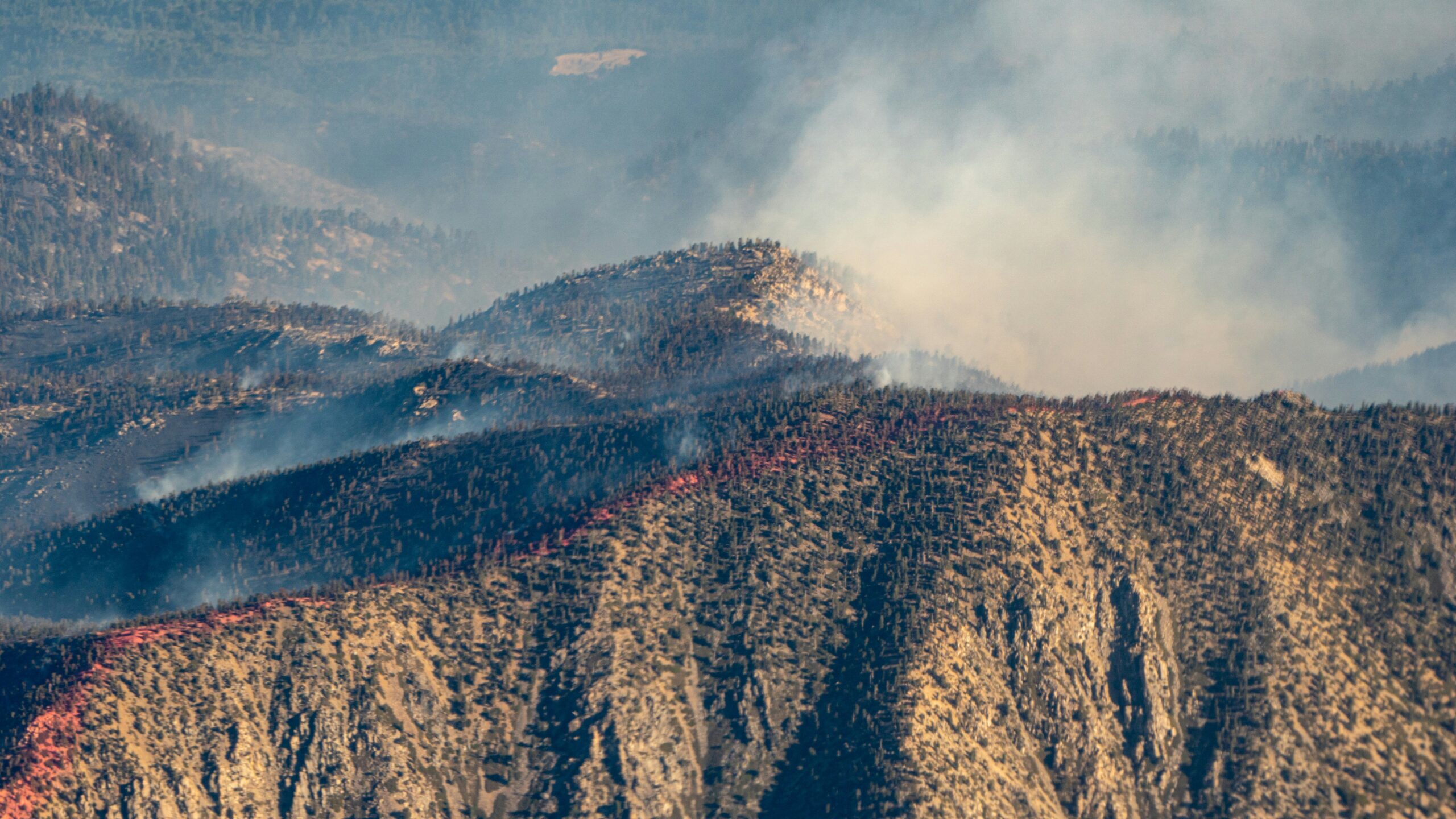
    The fires burned thousands of acres and damaged or destroyed thousands of homes and businesses. The blazes created vast clouds of smoke — laced with lead, asbestos, and other toxins — that shrouded much of Southern California.  We may not know the full extent of the damage and injuries for at least 50 years.  

    Ubi jus ibi remedium basically means nothing happens by accident. That’s especially true of a widespread disaster like wildfires, and what plaintiff attorneys are working to establish. The lawsuits, most of which are pending in Los Angeles, Orange, Riverside, San Bernardino, San Diego and Ventura Counties, name various defendants and rest upon several legal doctrines.

    Power Company Negligence

    Substantial evidence indicates that Southern California Edison (SCE), one of the area’s largest electrical power providers, negligently maintained power lines, towers, transformers, and other electrical system infrastructure. SCE is a public utility which operates with a monopoly guaranteed by the California Public Utilities Commission, which has exclusive power to refuse to issue certificates of public convenience and necessity to permit potential competition to enter the market.

    One of the latest “smoking guns” involves M16T1, a tower which had been inactive for more than fifty years. Shortly before the fires broke out, SCE recorded a fault on the power line which is located a few miles from Eaton Canyon.

    Further evidence of SCE’s alleged negligence may be its delay in shutting off power to the area. The fires began in the first week of January, 2025. Soon, over 35 were raging through the area. Yet SCE allegedly refused to cut power to the affected area for approximately three weeks. Such evidence could convince a jury that SCE negligently caused fires, and damages could be staggering.

    A California judge had ordered SCE to keep the power off in certain areas for at least 21 days, preserve critical infrastructure near the fire’s origin, and produce information concerning allegations that the company is destroying or concealing evidence. Most of this information is under seal, as the judge expressed concern about making discovery records public at such an early stage. 

    Many negligence lawsuits against SCE also cite violations of Section 2106 of the Public Utilities Code (exemplary damages if the negligent act or omission was willful), and Section 13007 of the Health and Safety Code (individual liability for any person who “willfully, negligently, or in violation of law” causes fire-related damage.

    Landlord Actions

    When a disaster occurs, many people try to take advantage of the situation for financial gain. Price-gouging gas stations are probably the best example. Immediately following the outbreak of the 2025 California wildfires, some area landlords increased rent by over 200 percent. In response, California lawmakers capped rent increases at 10 percent for thirty days.  On February 25, Strategic Actions for a Just Economy, a tenant advocacy group, filed an action against six Southern California landlords who allegedly increased rent in violation of this emergency order.

    Inverse Condemnation

    This doctrine, which is unique to California and similar to negligence per se, holds public utility companies, such as SCE, liable for wildfire damage as a matter of law.

    The City of Los Angeles’ Department of Water and Power is the primary defendant in these inverse condemnation claims. Plaintiffs argue the department’s mismanagement of water resources contributed to the fires. In an inverse condemnation claim, contributing to a problem is basically the same thing as causing that problem.

    Lawsuits often point to the controversial Santa Ynez Reservoir in Pacific Palisades. Shortly before construction began in the late 1960s, water department officials cited the need for a water supply to combat fires on the south slopes of the nearby Santa Monica mountains. But officials drained the reservoir in February 2024, citing contamination concerns. With this nine-acre, 117-million-gallon reservoir out of commission, firefighters were unable to quickly contain the 2025 California wildfires.

    Public Nuisance

    Pursuant to California Civil Code Section 3480, a public nuisance is any activity which “affects, at the same time, an entire community or neighborhood, or any considerable number of persons, although the extent of the annoyance or damage inflicted upon individuals may be unequal.” This provision, and its equivalent in the penal code (Section 372) usually involves neighborhood nuisances, like barking dogs, loud parties, and trash piles. However, these laws could also apply to wildfire damage. Possible defendants include SCE, the Water Department, and the California Public Utilities Commission. 

    Insurance Claims

    More than 37,000 wildfire compensation claims have been filed, with insurance companies paying out approximately $12.1 billion to affected individuals and businesses. Claims typically cover property damage, rebuilding costs, replacement of personal belongings, temporary living expenses, and medical expenses related to fire injuries. California laws now require insurance companies to make advance payments of 30% of the policy’s dwelling limit (up to $250,000) without itemized claims. Bad faith lawsuits have been filed against insurance companies for unfairly denying coverage or delaying payments.

    Case in Focus:
    Lutzow v. California Southern Edison

    Here are some details of a case brought against Southern California Edison for damages resulting from the Eaton Fire, alleging negligence and violations of public utility regulations. The plaintiff attorneys are attorneys at Diab & Chambers — which has handle many wildfire cases — and the wildly known Texas plaintiffs’ firm, Baron & Budd.

    The primary allegations in the complaint are: 

    • Inverse Condemnation: Plaintiffs allege that Southern California Edison (SCE) and other defendants’ electrical systems caused the Eaton Fire, resulting in the taking of Plaintiffs’ private property. ​ 
    • Negligence: Defendants failed to properly design, construct, inspect, maintain, repair, manage, and operate their electrical infrastructure, leading to the fire. ​ 
    • Trespass: Defendants negligently allowed the fire to spread to Plaintiffs’ properties. ​ 
    • Nuisance: Defendants’ actions created harmful conditions that interfered with Plaintiffs’ use and enjoyment of their property. ​ 
    • Violation of Public Utilities Code § 2106: Defendants failed to comply with the Public Utilities Act and related regulations. ​ 
    • Violation of Health & Safety Code § 13007: Defendants negligently allowed the fire to be set and escape to Plaintiffs’ properties. ​ 

    The laws or statutes cited include: 

    • California Civil Code § 1714(a) ​ 
    • Public Utilities Code §§ 702, 451, 2106 ​ 
    • Public Resources Code §§ 4292, 4293, 4894, 4435 ​ 
    • Health & Safety Code §§ 13001, 13007 ​ 
    • CPUC General Orders 95, 165 ​ 

    The plaintiffs are requesting the following damages or relief: 

    • Repair, depreciation, and/or replacement of damaged, destroyed, and/or lost personal and/or real property. ​ 
    • Loss of use, benefit, goodwill, and enjoyment of their property. ​ 
    • Loss of wages, earning capacity, and/or business profits. ​ 
    • Evacuation expenses and alternative living expenses. ​ 
    • Erosion damage to real property. ​ 
    • Past and future medical expenses. ​ 
    • General damages for personal injury, emotional distress, annoyance, disturbance, inconvenience, mental anguish, and loss of quiet enjoyment of property. ​ 
    • Attorneys’ fees, expert fees, consultant fees, and litigation costs. ​ 
    • Punitive and exemplary damages against SCE. ​ 
    • Prejudgment interest. ​ 
    • Any other relief deemed proper by the court. ​ 

    Conclusion

    Wildfires are happening with greater frequency and intensity. Climate change is exacerbating the issue, creating dryer conditions and more intense and sustained winds, all over longer stretches of time, i.e., it will always feel like it is fire season. With that will come more litigation — directly against responsible parties — and against insurance companies. It is also going to continue to affect the insurance market and real estate, and place increasing pressure on infrastructure. Health-related claims from exposure to toxic materials are an almost certainty.


    Bret Thurman is a Dallas-based legal writer who practiced law in Texas for over twenty years. His writing focuses on criminal defense, family law, consumer bankruptcy, and personal injury. He obtained his B.A. in history from Baylor University and his J.D. from the University of Texas at Austin. Bret is also an award-winning screenwriter and father of four. He can be reached at Editor@LitigationConferences.com.
    Edited by Tom Hagy. Updated March 13, 2025. 

  • 22 States Sue New York Over Climate Fund, Calling It an ‘Unconstitutional Shakedown’

    22 States Sue New York Over Climate Fund, Calling It an ‘Unconstitutional Shakedown’

    Emerging Litigation Podcast

    Emerging Litigation PodcastProduced by HB Litigation

    Interviews with leading attorneys and other subject matter experts on new twists in the law and how the law is responding to new twists in the world.

    Interested in contributing an article? Email us at Editor@LitigationConferences.com.
    22 States Sue New York Over Climate Fund, Calling It an ‘Unconstitutional Shakedown’

    By: Tim Zyla

    The lawsuit against New York’s Climate Change Superfund Act underscores a high-stakes battle over state authority, federal oversight, and the financial burden placed on energy producers in the name of climate accountability.

    A coalition of 22 states, led by West Virginia, is suing New York just over two months after Governor Kathy Hochul signed a law requiring energy producers to pay $75 billion to cover damages caused by climate change.

    The lawsuit, filed in the U.S. District Court for the Northern District of New York in Albany, names New York Attorney General Letitia James, Interim Commissioner of the State Department of Environmental Conservation, and Acting Tax Commissioner of the State Department of Taxation and Finance Amanda Hiller as defendants.

    The states seek declaratory and injunctive relief, arguing that New York’s fund attempts to “seize control over the makeup of America’s energy industry.” The suit claims the fund was politically motivated and seeks to impose “tens of billions of dollars of liability on traditional energy producers” while using the money to “subsidize certain New York-based ‘infrastructure’ projects, such as a new sewer system in New York City.”


    Legal Arguments

    The plaintiffs argue that New York’s law violates multiple constitutional provisions and oversteps federal authority:

    🔹 Commerce Clause (Article I, Section 8) – The lawsuit claims the law retroactively imposes financial penalties on out-of-state companies, effectively regulating businesses beyond New York’s jurisdiction.

    🔹 Clean Air Act (42 U.S.C. § 7401(a)(3)) – While states play a role in controlling air pollution, the plaintiffs assert that the federal government holds primary authority over interstate emissions standards.

    🔹 Supreme Court Precedent – The lawsuit cites Okla. Tax Comm’n v. Jefferson Lines, Inc. and Kansas v. Colorado, arguing that states cannot legislate where Congress has chosen not to act or impose policies on other states.

    🔹 State Tariffs Violation – The Climate Change Superfund Act functions as a form of state tariff, which Comptroller of Treasury of Md. v. Wynne identified as “one of the chief evils that led to the adoption of the Constitution.”

    🔹 Due Process Clause (14th Amendment) – The law is allegedly “unreasonable” and “arbitrary” because it seeks to impose retroactive penalties on a select group of energy producers who lawfully extracted and refined fossil fuels.

    🔹 Equal Protection Clause (14th Amendment) – The plaintiffs argue the law favors New York-based energy producers while penalizing out-of-state companies, making it discriminatory.

    🔹 Eighth and Fifth Amendments – The lawsuit claims the law imposes excessive penalties and violates due process protections.

    Additionally, the plaintiffs argue that the Clean Air Act only allows lawsuits from the state where the pollution originates, citing City of New York v. Chevron Corp.


    Disputed Payment Structure

    The lawsuit challenges the fund’s payment structure, which requires energy companies to pay $3 billion per year for 25 years to reach $75 billion. The plaintiffs highlight a statement from New York Assemblyman Jeffrey Dinowitz, who admitted the assessment rate was set arbitrarily, stating:

    “I didn’t want it to be too little, (and) didn’t want it to be too much.”

    The lawsuit also references Dinowitz’s remarks after the bill’s passage, where he claimed the law had “set a precedent for the nation to follow.” The states argue this confirms their concern that other states may adopt similar measures, creating a patchwork of conflicting state-level climate policies that could burden energy companies and disrupt national commerce.


    Motion to Dismiss and Support for the Fund

    A pro se West Virginia resident has filed a request for dismissal with prejudice, arguing that the states leading the lawsuit are violating the U.S. Constitution. The filing claims that the states are breaching:

    🔹 Article VI, Clause 3 – Oath of state officers.

    🔹 Article I, Section 10 – Prohibiting states from making agreements without Congressional approval.

    🔹 Article IV, Section 1 – Full Faith and Credit Clause, requiring states to recognize New York’s laws.

    The anonymous filer asserts that New York acted in the best interest of public health, whereas the suing states are representing “unnatural entities” (fossil fuel corporations) that may be harming U.S. citizens. The request also calls for a $50 million fine against each plaintiff state, with funds directed to the Climate Change Superfund.

    Furthermore, the filing argues that Congress has not yet provided guidance on how states should enforce such laws, making the lawsuit premature.


    The Lawsuit’s Demands

    The coalition of states is requesting the court:

    🔹 Declare the Climate Change Superfund Act unconstitutional and preempted by federal law.

    🔹 Block New York officials from enforcing or implementing the law.

    🔹 Award the plaintiffs legal fees and costs.

    🔹 Grant any other relief deemed necessary and appropriate.

    As this legal battle unfolds, the case could set a major precedent for how states hold fossil fuel companies accountable for climate-related costs. If upheld, the law could pave the way for other states to adopt similar measures, while a ruling against New York could curtail state-level climate initiatives and reinforce federal control over emissions regulations.

    📄 Read the full complaint here: Final Superfund Complaint


    Tim Zyla is a lifelong journalist working as managing editor of two daily newspapers in Pennsylvania and is an avid follower of criminal law and law enforcement. He may be reached at tim@timzyla.com.

  • Trump’s rollback of draft PFAS regulation means uncertain future for ‘forever chemicals’ torts

    Trump’s rollback of draft PFAS regulation means uncertain future for ‘forever chemicals’ torts

    Emerging Litigation Podcast

    Emerging Litigation PodcastProduced by HB Litigation

    Interviews with leading attorneys and other subject matter experts on new twists in the law and how the law is responding to new twists in the world.

    Interested in contributing an article? Email us at Editor@LitigationConferences.com.

    More PFAS Posts

    HB Environmental Update | Tuesday, Feb. 3, 2026 | Climate Funding, Wind Power, Wild Horses, PFAS Regs, PFAS Settlement, and the Decades of Debate Over the Pollution Exclusion

    February 6th, 2026|

    PFAS Litigation Deepens as 3M Reaches $450M Deal with New Jersey

    July 1st, 2025|

    Facing PFAS lawsuit, Apple claims watch bands are safe, but what does the evidence say?

    April 10th, 2025|

    Forever Chemicals: Insurance Recoveries for PFAS Liabilities

    March 26th, 2025|

    Trump’s rollback of draft PFAS regulation means uncertain future for ‘forever chemicals’ torts

    February 21st, 2025|

    The EPA’s New PFAS Safe Drinking Water Rule with John Gardella

    November 12th, 2024|

    The Medical Monitoring Tort Remedy: Advanced Level

    August 29th, 2024|

    PFAS Litigation: Predicted Trends Given Regulatory Changes

    July 2nd, 2024|

    PFAS Regulation, Litigation, and Differentiation

    November 9th, 2023|

    PFAS Regulation: EPA Ushers in Next Era of Mass Tort and Environmental Litigation

    September 21st, 2023|

    Medical Monitoring and PFAS Litigation—A Significant Growing Trend

    February 24th, 2023|

    Will a New Wave of New Environmental/Toxic Tort Litigation and Claims Upend Insurance Industry Environmental Reserves?

    February 24th, 2023|

    Trump’s rollback of draft PFAS regulation means uncertain future for ‘forever chemicals’ torts

    By Justin Ward

    Despite regulatory uncertainty at the federal level, PFAS litigation is gaining momentum, with lawsuits expanding beyond chemical companies to target manufacturers that market PFAS-containing products as ‘safe’ or ‘natural.

    The proposed rule would have expanded the water treatment guidelines for poly-fluoroalkyl substances, or PFAS, the Biden Administration enacted last April for drinking water to also regulate those chemicals in industrial wastewater. The move was in response to growing alarm about the potential public health threat posed by PFAS chemicals, which are hazardous at microscopic levels and break down slowly in the environment and the human body. 

    Commonly found in non-stick cookware, flame-resistant clothing and fire foam, PFAS describes a class of chemicals resistant to grease, oil, heat and water. Biden’s presidency saw thousands of lawsuits against chemical companies, manufacturers that use PFAS in products, and water treatment facilities, with settlements to date totaling more than $18 billion. 

    While it’s still unclear what Trump’s decision to return the draft rule to the EPA means, environmentalists worry it could signal broader deregulation of water treatment and chemical manufacturing. Trump’s EPA took some action on PFAS in his first term, but he has since pledged to eliminate 10 regulations for every one implemented. Still, an environmental lawyer in the EPA told Newsweek that it’s common for incoming administrations to put pending regulations on hold and that the regulatory status quo of PFAS guidelines remains intact. That could change depending on the administration’s actions in the coming year. 

    John Gardella of CMBG3 specializes in PFAS and environmental law told HB he believes the drinking water MCLs “will be walked back but not eliminated – specifically, the 4ppt for PFOA and PFOS will be increased, while the Hazard Index for the other PFAS will be eliminated entirely.”

    “With respect to CERCLA,” Gardella told us, “the litigation is now stayed pursuant to efforts by the administration, so they have a couple of months to try to negotiate a CERCLA exemption for passive receivers. If that is successful, it will be touted as a win by the current administration. If the exemption negotiations fail, I believe the administration’s interest will be in eliminating the PFOA and PFOS hazardous substance designation.”

    If Trump does implement the proposed regulations, some analysts predict that the final rules will be notably different from the draft and their implementation will be significantly delayed. The proposed regulations were in their final stages and were only the beginning of a larger push to regulate industrial PFAS discharge. Placing Biden’s rules– affecting only 13 facilities – on hold would slow down the process of addressing PFAS at an estimated 120,000 sites where people are potentially exposed.

    The Trump Administration could also revise EPA regulations passed in 2024, designating two kinds of PFAS chemicals as “hazardous substances,” which could have a trickle-down effect on states and municipal water treatment plants.   

    Some environmentalists have expressed cautious optimism about what Trump’s appointment of former New York representative Lee Zeldin to head the EPA might mean for the future of PFAS regulation. As a congressman, Zeldin co-founded PFAS Task Force and voted in favor of the PFAS Action Act of 2021. At the same time, Zeldin shares Trump’s zeal for deregulation and slashing agency budgets. 

    Despite the question marks lingering over the regulatory environment, the outlook for “forever chemicals” litigation still looks bullish, according to legal analysts. The traditional targets of PFAS torts were chemical companies and water treatment plants, but now more consumer class action lawsuits are aimed at manufacturers who advertised products containing PFAS as “safe” or “natural.”

    Though federal regulation remains in limbo, filings are proceeding under state laws at a steady clip. Eleven states have passed PFAS water regulations almost identical to the proposed rules while others have passed regulations governing the use of PFAS in manufactured products.

    Edited by Tom Hagy and Sarah Gannon.

  • California’s climate disclosure laws withstand initial US Chamber of Commerce challenge

    California’s climate disclosure laws withstand initial US Chamber of Commerce challenge

    Emerging Litigation Podcast

    Emerging Litigation PodcastProduced by HB Litigation

    Interviews with leading attorneys and other subject matter experts on new twists in the law and how the law is responding to new twists in the world.

    Interested in contributing an article? Email us at Editor@LitigationConferences.com.

    California’s climate disclosure laws withstand initial US Chamber of Commerce challenge

    By Justin Ward

    California’s climate disclosure laws have survived a major legal hurdle, signaling a strong push toward corporate transparency in environmental impact reporting.

    California laws requiring large companies to disclose greenhouse emissions survived a legal challenge from the US Chamber of Commerce when a federal judge rejected two of the Chamber’s core legal claims in early February.

    While the court did not dismiss the lawsuit altogether, Judge Otis Wright narrowed the scope significantly, tossing out the Chamber’s claim that the law violated the Constitution’s Supremacy Clause and its extraterritoriality argument that the unduly burdened interstate commerce outside of California’s jurisdiction.

    Governor Gavin Newsom signed amended versions of the Climate Corporate Data Accountability Act (SB 253) and Climate-Related Financial Risk Act (SB 261) into law in October 2023. SB 253 requires companies with over $1 billion in annual revenue to conduct detailed emissions assessments, including their supply chain, and disclose that information in annual reports. Similarly, SB 261  mandates that companies with revenue over $500 million compile information about climate-related risks. 

    After the bill was signed, the US Chamber of Commerce and other business associations filed a complaint in the California Central District Court challenging the law’s constitutionality. They argued that the laws would “compel thousands of businesses to make costly, burdensome, and politically fraught statements” that would “stigmatize those companies and shape their behavior.”

    The plaintiffs also contended that the laws represented a “defacto regulatory scheme” that usurped federal authority and imposed state law on business entities outside of California’s jurisdiction. Judge Wright found these arguments unconvincing. 

    First, the court found that these claims were not sufficiently ripe for consideration, as they apply to rules that have not been written or enacted. The California Air Resources Board (CARB), tasked with developing the regulations under SB 253 and SB 261, has not imposed any regulations. Amendments to the laws pushed back the rulemaking deadlines to 2026.

    Even if the claims were ripe, Wright argued that the legislation does not regulate emissions and, therefore, would not be preempted by federal laws like the Clean Air Act: “It imposes no liability for failure to reduce emissions; only for failure to disclose climate-related financial risk and the measures adopted to reduce such risk.” 

    The court also found that the US Chamber of Commerce failed to offer any evidence showing that the law would be discriminatory against other states or overly burdensome to interstate commerce.

    With the supremacy and extraterritoriality claims dismissed, the last remaining cause of action is the Chamber’s allegation that the disclosure requirements constitute “compelled speech” in violation of the First Amendment. 

    The Chamber of Commerce alleged that the laws would “compel companies to publicly express a speculative, noncommercial, controversial, and politically-charged message that they otherwise would not express” to “shame those companies into reducing their emissions” and “facilitate public-pressure campaigns to coerce companies into reducing their emissions of greenhouse gases.” 

    The court found that the laws regulate speech and allowed the case to proceed on those grounds but dismissed the extraterritoriality claim without prejudice, meaning the plaintiff’s lawyers may amend their complaint to show plausible evidence that they burden interstate commerce. The supremacy claim was dismissed with prejudice.   

  • Catastrophic Wildfires Recovery – Get the Most from Your Insurance Coverage

    Catastrophic Wildfires Recovery – Get the Most from Your Insurance Coverage

    Catastrophic Wildfires Recovery – Get the Most from Your Insurance Coverage

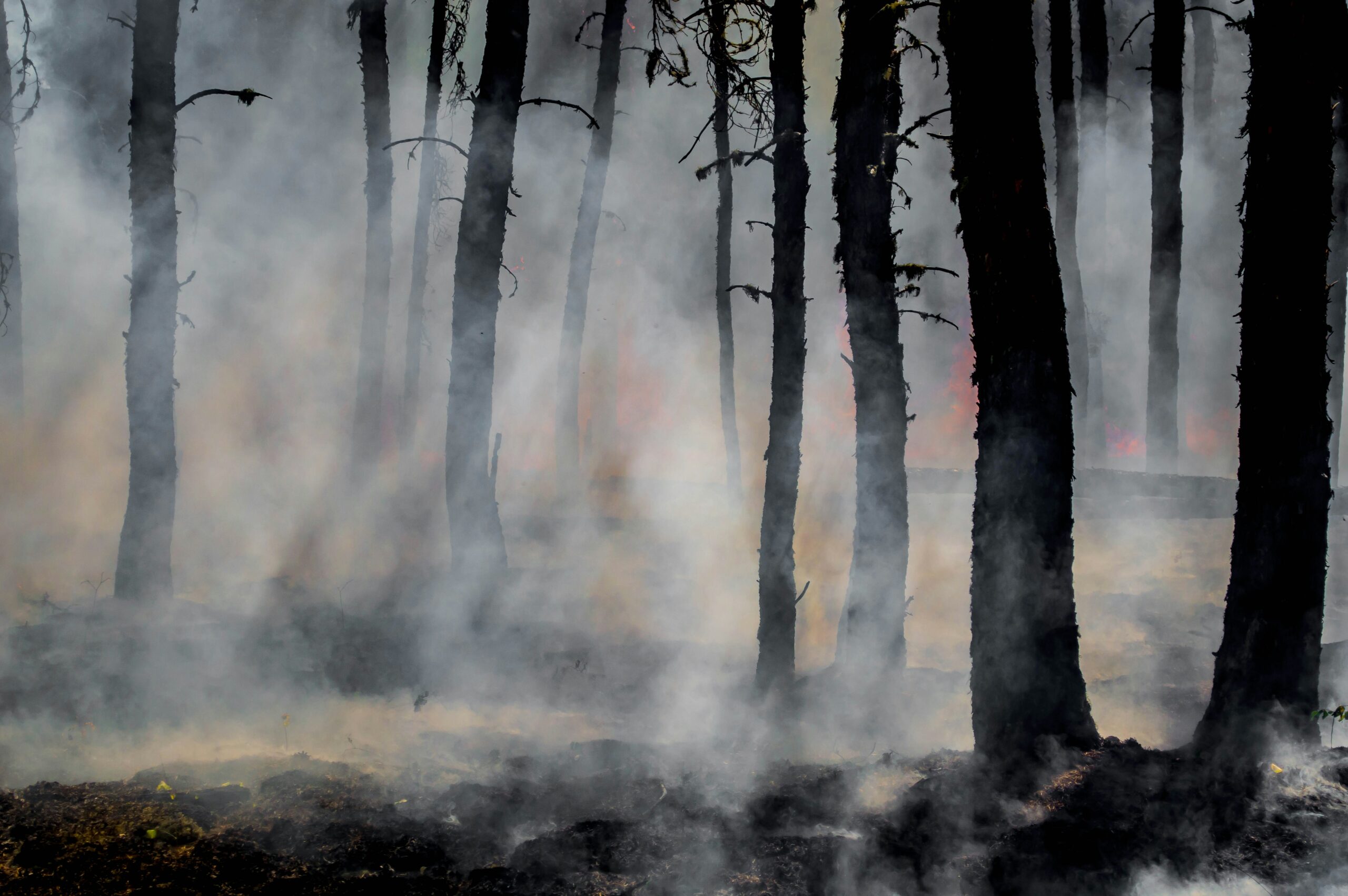
    A foggy forest landscape representing the aftermath and risk of wildfires for homeowners and businesses

    Gain an understanding of the complex insurance coverage and remediation issues arising from wildfire disasters, including property damage claims under commercial all-risk and homeowners insurance, valuation provisions like replacement cost and ACV, and time element coverages such as business income loss, civil authority coverage, and additional living expenses.

    This webinar addresses a host of insurance coverage and remediation issues stemming from the wildfire disasters. It focuses on property damage and remediation under various forms of property insurance including commercial all-risk coverage and homeowners insurance. Speakers address coverage issues involving valuation provisions such as replacement cost coverage, ACV, and ordinance and law coverage grants and limitations.  Time element coverage is also addressed as it appears in provisions promising protection for business income losses, CBI, ingress and egress coverage, service interruption, civil authority coverage, and loss of use/additional living expenses coverage

    The panel offers insights into the claims handling process, such as time sensitive clauses ranging from notice of claim to suit limitation provisions.  Claim investigation, adjustment, and forensic accounting aspects of property loss adjustment are also explained and commented on in detail. Policyholders and other stakeholders will benefit from insights on claim issues that arise in the context of largescale natural disasters, and steps policyholders – whether they are large organizations or individual homeowners – can take to position themselves for fair claim payments.  Additionally, the program outlines claim valuation and coverage dispute resolution options that may be available, as well as the potential for bad faith allegations.

    Learning Objectives

    Understand scope of coverage under commercial property and homeowners policies. Gain a clear perspective of what types of damages and losses are typically covered and time element protections for business interruption, civil authority, loss of use and other coverages that protect businesses and communities.

    Learn to assess policy limitations. Learn to identify common and misunderstood limitations in insurance policies that may affect coverage for wildfire-related claims.

    Know the recent case law. Review recent decisions that have shaped the current landscape of wildfire insurance coverage. Understand their implications for future claims.

    Gain insights to better navigate the claims process. Acquire practical tips and strategies for effectively managing and negotiating insurance claims related to wildfire damage, including documentation, communication with insurers, and dispute resolution.

    Understand how to preserve your rights. Addressing how to safeguard insurance and time sensitive fine print that is used to delay and void covered claims by the insurance industry, including notice of loss clauses, proofs of loss terms, suit limitation provisions and documenting cooperation and information flows during the claim adjustment process.

    Better comprehend loss adjustment, claim investigation and reaching fair valuations. This speaker addresses the inevitable arguments insurance companies use to limit claim payment for PD losses and time element coverages such as business interruption, civil authority, ingress/egress, and contingent business interruption coverage. Learn how to utilize these coverages to maximize recoveries after a disaster.

    Learn the value of public adjustors. This discussion will also address the efficient use of public adjustors to help policyholders prepare their claims and get a proper resolution of their reimbursement for covered losses.

    TAKE IT NOW

    Available now to CeriFi LegalEdge subscribers. Don’t subscribe? Don’t despair. Use code HB20 for 20% off. Or, HBSub20 for 20% off a full solo subscription. While supplies last.

    Speakers

    Dennis J. Artese

    Dennis J. ArteseShareholder, Anderson Kill P.C.

    Dennis Artese is a shareholder in Anderson Kill’s New York office and is chair of the firm’s Climate Change and Disaster Recovery practice group. Dennis has substantial experience in all phases of litigation, arbitration and property insurance appraisals, and has recovered hundreds of millions of dollars of insurance proceeds on behalf of policyholders in connection with a variety of property, builder’s risk, commercial general liability, umbrella and excess liability, D&O, E&O, crime, and political risk insurance claims. He earned his B.A. at the University of Connecticut and his J.D., cum laude, at St. John’s University School of Law.

    Marshall Gilinsky

    Marshall GilinskyShareholder, Anderson Kill P.C.

    Marshall Gilinsky is a shareholder at Anderson Kill’s Boston office, focusing on Insurance Recovery and Commercial Litigation. Co-chair of the firm’s Sexual Harassment and Abuse Insurance Recovery Group and Sports, Media, and Entertainment Group, Marshall has recovered hundreds of millions of dollars for clients during his 20-year career. He has represented clients on complex insurance claims related to major losses, including 9/11, Hurricane Katrina, Superstorm Sandy, and Boston’s “Big Dig.” He represents a diverse range of policyholders in high-stakes disputes. Marshall earned his B.S. from Cornell University and his J.D., with honors, from The George Washington University Law School.

    Joshua Gold

    Joshua GoldShareholder, Anderson Kill P.C.

    Joshua Gold is a shareholder in Anderson Kill’s New York office and serves as chair of the Cyber Insurance Recovery Group and co-chair of the Marine Cargo Insurance Group. He has represented numerous corporate and non-profit policyholders in various industries, with recoveries for his clients well in excess of $1.5 billion. Josh’s practice involves matters ranging from international arbitration, data security, directors and officers insurance, business income/property insurance, commercial crime insurance, admiralty, cargo, and marine insurance disputes. He earned his B.A. at the University of Massachusetts at Amherst and his J.D. at Benjamin N. Cardozo School of Law.