Author: Tom Hagy

  • AI tools may be the cause of the explosion in nuclear verdicts — and also the solution

    AI tools may be the cause of the explosion in nuclear verdicts — and also the solution

    Emerging Litigation Podcast

    Emerging Litigation PodcastProduced by HB Litigation

    Interviews with leading attorneys and other subject matter experts on new twists in the law and how the law is responding to new twists in the world.

    Interested in contributing an article? Email us at Editor@LitigationConferences.com.

    AI tools may be the cause of the explosion in nuclear verdicts— and also the solution

    By: Justin Ward

    The rise of nuclear verdicts is being fueled by AI-driven case selection and strategy optimization—giving plaintiff attorneys a powerful edge while forcing insurers and defense teams to rethink their approach.

    The popularization of artificial intelligence in the legal industry is a significant source of growth in unexpectedly large payouts known as “nuclear verdicts,” with plaintiff attorneys using software modeling to select cases and optimize their strategies. At the same time, insurance companies and corporate lawyers are also now turning to the same technology to mitigate risks and minimize losses.

    According to a report by Allianz Commercial, the number of nuclear verdicts over $10 million has tripled since 2020 and the thermonuclear verdicts over $100 million grew by more than 30 percent over the previous year. Allianz attributes this to several causes, including the normalization of massive verdicts and the adoption of “psychological tactics” like “anchoring” unjustifiably high damage amounts in juries’ minds. 

    Another notable factor driving the rise in nuclear verdicts is the emergence and adoption of artificial intelligence by plaintiff attorneys in the past two years. Since the debut of ChatGPT in 2022, there has been an arms race in artificial intelligence and machine learning, as companies search for novel practical uses for the technology. Many law firms are already dipping their toes into artificial intelligence, using it to automate menial tasks and reduce non-attorney headcounts, but Thomson Reuters predicts “wide-scale business model changes” in the next decade. 

    We’re seeing a preview of what that transformation might look like in the proliferation of nuclear verdicts. In addition to using artificial intelligence and machine learning to streamline critical work like document review, law firms are adopting AI-based predictive analytics to decide which cases to take and whether to settle or go to court. 

    Writing for the American Bar Association, lawyers Ashley Hallene and Jeffrey Allen explained how this works. By leveraging big data assets, law firms can identify cases with the most potential for damages and find the most sympathetic jurisdiction. They noted that lawyers could use a high-powered predictive model to analyze the histories of judges and opposing lawyers dealing with similar cases and provide a probability that specific approaches might succeed. 

    “Algorithms can be applied to detect patterns in the data, such as how certain judges rule on specific types of cases or which arguments have historically succeeded in certain courts. Through this analysis, AI tools can predict the likely outcome of a case, considering factors like jurisdiction, judge behavior, precedent, and case specifics. 

    Lawyers on the other side are also using AI to insulate clients against nuclear verdicts. A new platform called NaVeL, short for “nuclear verdict exposure likelihood,” analyzes insurance or government claims data and flags cases with a high chance of going nuclear. The idea is that insurers can detect problem cases earlier and start preparing strategies to prevent the worst-case scenario.

    The co-creators are Bob Tyson, a lawyer at a firm specializing in defending against nuclear verdicts, and his sister Denise, an insurance executive. 

    “Nuclear verdicts are happening to the most experienced and to the best defense lawyers in America, which is very concerning. What that means is that the old ways aren’t working,” Bob Tyson said. 


    Justin Ward is a Seattle-based investigative reporter specializing in politics, courts, and criminal justice. His work can be found in national and local media outlets, including USA Today, the Southern Poverty Law Center, and The Seattle Stranger. He can be reached at justinwardtexan@yahoo.com.
  • Supreme Court to Reconsider Separate Sovereignties

    Supreme Court to Reconsider Separate Sovereignties

    Emerging Litigation Podcast

    Emerging Litigation PodcastProduced by HB Litigation

    Interviews with leading attorneys and other subject matter experts on new twists in the law and how the law is responding to new twists in the world.

    Interested in contributing an article? Email us at Editor@LitigationConferences.com.

    Supreme Court to Reconsider Separate Sovereignties

    By Bret Thurman

    The Supreme Court’s decision to reconsider the separate sovereignties exception in Barrett v. United States could redefine the balance of power between state and federal prosecutions—reshaping double jeopardy protections for generations to come.

    Following a private conference in February 2025, the Supremes agreed to consider Barrett vs. United States, a Second Circuit case that tests the limits of the separate sovereignties exception to the Double Jeopardy clause.

    The announcement that the court had granted review in Barrett v. United States came as part of a list of orders released from the justices’ private conference on Friday, Feb. 28. Dwayne Barrett was convicted of Hobbs Act robbery and related charges. In Barrett, the justices agreed to decide whether the Fifth Amendment’s ban on double jeopardy prohibits sentencing him for two different crimes based on the same robbery.

    Double Jeopardy and Separate Sovereignties: A Primer

    At least in the Western world, the Double Jeopardy clause has a rich history going back to ancient Greece. In 355 B.C., Athenian statesman Demosthenes pronounced that “the law forbids the same man to be tried twice on the same issue.” The Romans picked up the rule, as did the English in the Common Law period.

    For some reason, the protection never caught on in the East, neither in ancient (Babylon and Sumeria) or more modern (Muslim) times.

    Here in the Land of the Free and the Home of the Brave, New Hampshire’s 1784 constitution was the first document to guarantee this right. Several other states quickly followed suit.

    In the 1790s, James Madison’s original double jeopardy clause stated that “No person shall be subject, except in cases of impeachment, to more than one punishment or trial for the same offense.” Some people objected, claiming that the broad language prohibited retrials after criminal appeals. 

    Madison, who cared a lot about the constitution but very little about double jeopardy, quickly bowed to this pressure and backed a modified, abstruse version (nor shall any person be subject for the same offence to be twice put in jeopardy of life or limb). Ever since, courts have struggled to define exactly what this provision means.

    The Supreme Court carved out the separate sovereignties (dual sovereignty) exception in 1847’s Fox vs. Ohio. That case involved the federal and state prosecution of a woman who was convicted of passing a fake silver dollar. According to prosecutors, Fox violated state fraud laws and abridged on the federal government’s exclusive right to coin money.

    The Justices reasoned that states and the federal government are separate and distinct. Therefore, parallel state and federal prosecutions are different “offenses” under the double jeopardy clause, and the decisions of one government on what to prosecute or not prosecute are not binding upon the other.

    The Court put an exclamation point on Fox some thirty years later. In 1847’s United States v. Cruikshank, et al., the late great Morrison Waite, who presided over the Court during a very difficult period in American history, rather poetically wrote that “The citizen cannot complain, because he has voluntarily submitted himself to such a form of government. He owes allegiance to the two departments, so to speak, and within their respective spheres must pay the penalties which each exacts for disobedience to its laws.”

    When Can I Use a Double Jeopardy Argument?

    The first situation is easy. Simply stated, defendants cannot be tried twice for the same crime, or a substantially similar crime. 

    Drug possession isn’t substantially similar to drug trafficking, even if the two originate from the same criminal episode. Trafficking has elements that possession doesn’t have. Similarly, conspiring to commit a crime is different from committing a crime.

    After that, things get complicated.

    Implied Acquittals

    Lesser-included offense charges (e.g. first-degree murder and second-degree murder) are very common. For example, after a second-degree murder trial which resulted in a guilty verdict, a witness may come forward with information about the defendant’s premeditation.

    The implied acquittal doctrine states that a person convicted on the lesser charge can never again be tried on the greater charge.

    Non-Final Judgments

    These “judgements” include most mistials, verdicts set aside after a motion for new trial, reversals due to procedural errors, and sometimes, involuntary dismissals.

    Oddly, if the defendant moves for a mistrial, there is no bar to retrial, even if the prosecutor or judge caused the error that forms the basis of the motion.

    Prosecutors may also appeal when a trial judge sets aside a jury verdict for conviction with a judgment notwithstanding verdict for the defendant. A successful appeal simply reinstates the jury’s verdict and therefore doesn’t place the defendant at risk of another trial.

    Insufficient Evidence

    We mentioned that procedural appeals don’t trigger the double jeopardy prohibition. However, if a court overturns a trial verdict for substantive reasons, specifically a lack of evidence, the state (or federal government) cannot retry the defendant.

    The reasoning is simple. If the trial court ruled the evidence was insufficient, the double jeopardy clause would kick in. The appeals court substitutes for the trial court, in this case.

    What about affirmative defenses, such as coercion, voluntary intoxication, statute of limitations, and entrapment? The law is uncertain on this point.

    Fraud

    A fraudulent trial is no trial at all. For example, in 1977, Chicago mobster Harry “Hook” Aleman the September 1972 death of William Logan. Nearly twenty years later, two persons in the Federal Witness Protection program confirmed that Aleman murdered Logan, and he then later bribed the trial judge to return an acquittal.

    The Seventh Circuit ruled that Aleman was under no risk of conviction in the 1977 trial and upheld the sentence of 100 to 300 years in prison.

    Risk is the key concept. If a defendant “fixes” a trial, the fix doesn’t necessarily guarantee an outcome. Even though the New England Patriots played with rigged equipment, they didn’t win all their home playoff games.

    Multiple Punishments

    Courts have the power to vacate or reduce sentences. They also have the power to augment sentences without running afoul of the Double Jeopardy clause. However, a court cannot revisit a case and impose the death penalty.

    Insanity

    This problem is interesting. Usually, a jury can decide that a defendant was “not guilty by reason of insanity” or “guilty but insane.” These two verdicts have vastly different meanings.

    In 2012, Damien McElrath allegedly killed his mother and was charged with several offenses under Georgia law (malice murder, felony murder, and aggravated assault). On the malice murder charge, the jury returned a verdict of “not guilty by reason of insanity.”  But on the other two, jurors ruled that McElrath was “guilty but mentally ill.”

    The Supreme Court later agreed with McElrath that “NGBROI” was an acquittal that precluded his retrial on the malice murder charge. 

    So, if a client pleads guilty, pay very close attention to what s/he’s pleading guilty to. An arrangement with unsuspecting prosecutors may be in order.


    Bret Thurman is a Dallas-based legal writer who practiced law in Texas for over twenty years. His writing focuses on criminal defense, family law, consumer bankruptcy, and personal injury. He obtained his B.A. in history from Baylor University and his J.D. from the University of Texas at Austin. Bret is also an award-winning screenwriter and father of four. He can be reached at Editor@LitigationConferences.com.

  • Wildfire Litigation: Building a Case and Establishing Liability with Ed Diab

    Wildfire Litigation: Building a Case and Establishing Liability with Ed Diab

    Wildfire Litigation: Building a Case and Establishing Liability with Ed Diab

    Concepts: Environmental Law; Mass Torts; Wildfire Litigation

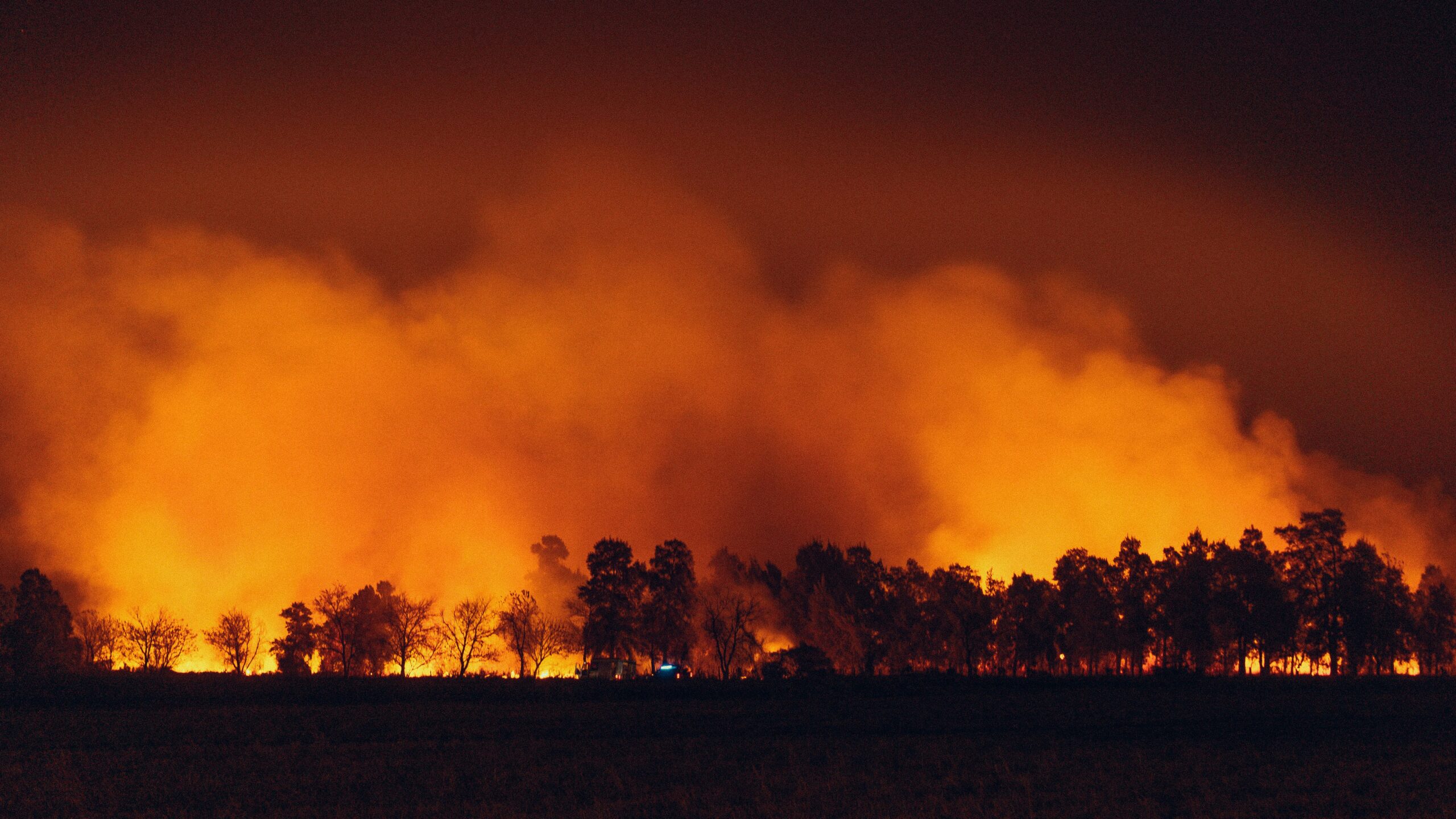
    Southern California’s wildfire season has turned into a year-round crisis, and with it comes a surge in litigation. On this episode of the Emerging Litigation Podcast, we explore the aftermath of the devastating January 2025 wildfires, including the high-profile Eaton and Palisades fires, and the complex legal battles now unfolding.

    My guest, Ed Diab, is a founding partner of Diab Chambers LLP, a boutique law firm with a sharp focus on wildfire litigation. Ed and his team have worked alongside national firm Baron & Budd to represent over 100 public entities in wildfire cases dating back to 2015. His deep experience in this area, combined with an insider’s perspective on utility liability, makes him uniquely qualified to discuss the challenges and strategies involved in these high-stakes cases.

    As of early 2025, more than 100 cases have been filed against utilities like Southern California Edison, with public entities, individuals, and insurance carriers seeking damages for widespread destruction. In this conversation, Ed breaks down the causes of these fires, the legal strategies in play, and the uphill battle plaintiffs face when going up against major power utilities.

    Ed walks us through California’s unique inverse condemnation doctrine, negligence claims, and how utility companies defend themselves—challenging liability, infrastructure management, and fire prevention efforts. We also discuss the challenges of evidence preservation, particularly when transmission towers remain critical to the state’s power grid.

    From the legal wrangling over the Eaton Fire to the complexities of the Palisades rekindle, Ed shares the latest developments and what litigators should expect moving forward. His insight into the coordination between local and national firms and how they’ve successfully pursued wildfire claims makes this a must-listen episode for anyone following disaster-related litigation.

     Tune in for insights on:
    ✅ Common causes of wildfire litigation and liability determination
    ✅ How plaintiffs build cases against utilities through expert investigations
    ✅ Strategic use of inverse condemnation and negligence claims
    ✅ Key defenses raised by utilities and how plaintiffs respond
    ✅ The current status of major wildfire cases and emerging litigation trends

    If you have comments or wish to participate in one our projects please drop me a note at Editor@LitigationConferences.com.

    Tom Hagy
    Litigation Enthusiast and
    Host of the Emerging Litigation Podcast
    Home Page
    LinkedIn

    Ed Diab

    Ed DiabFounder, Diab Chambers LLP

    Ed Diab is a Founding Partner of Diab Chambers and leads the firm’s wildfire and mass tort practice. His practice centers on the representation of public entities that sustained damages as a result of utility or third-party caused wildfires. Ed has recovered over $1.65 billion on behalf of his wildfire clients. In 2020, the Daily Journal awarded him the prestigious California Lawyer Attorney of the Year (“CLAY”) Award for the $360 million settlement recovered on behalf of 20 public entities represented by him that sustained damages in the 2017 Thomas Fire and Montecito Mudslides and the 2018 Woolsey Fire. The Daily Journal also named Ed to the Top Plaintiffs Lawyers list for 2024. Ed received his undergraduate degree in Economics from University of California Davis, and his law degree from California Western School of Law.

    podcast logo face


    Want to appear on the Emerging Litigation Podcast?


    Send us your idea! 

    It might even make this man smile. “But I am smiling here.”

    No. No he’s not.

  • Forever Chemicals: Insurance Recoveries for PFAS Liabilities

    Forever Chemicals: Insurance Recoveries for PFAS Liabilities

    Forever Chemicals: Insurance Recoveries for PFAS Liabilities

    ​

    Dark blue-lit science test tube with substance dropping, illustrating PFAS chemical testing and regulation uncertainty

    Gain an understanding of the evolving legal, regulatory, and insurance landscape surrounding PFAS (“forever chemicals”) and their growing impact on businesses and insurers.

    🔹 PFAS background 

              a) Chemical characteristics, history, commercial uses, etc.  

    🔹 Problems with PFAS 

              b) Persistence in environment, health concerns  

    🔹 Regulatory landscape 

              c) EPA and state regulation of PFAS  

              d) Developments under the new administration  

    🔹 Legal liability landscape 

              e) Toxic tort lawsuits (MDL), consumer class actions  

              f) Notable cases, notable settlements  

    🔹 Insurance coverage for PFAS liabilities 

              g) Sources of coverage: CGL, Pollution, etc.  

              h) Obstacles to coverage: pollution exclusions, missing policies,

                   other issues  

    🔹 Practical steps to securing coverage for PFAS liabilities

              i) Providing notice, locating missing policies, pushing back on denials

                  and choosing your battleground

    Learning Objectives

    🔹 Understand the scope of coverage under commercial property policies applicable to hurricane claims.

    🔹 Learn the science and historical usage of PFAS in commerce.

    🔹 Examine state and federal regulatory developments that affect PFAS use and remediation.

    🔹 Understand the scope of coverage under liability insurance policies applicable to PFAS claims.

    🔹 Navigate the claims process: Acquire practical tips and strategies for effectively managing and negotiating insurance claims related to PFAS, including documentation, communication with insurers, and dispute resolution.

    🔹 Preserve insurance rights: Learn how to identify and locate historic insurance policies that may be applicable to PFAS liabilities and learn how to safeguard insurance by documenting cooperation and information flows during the claim adjustment process.

    TAKE IT NOW

    Available now to CeriFi LegalEdge subscribers. Don’t subscribe? Don’t despair. Use code HB20 for 20% off. Or, HBSub20 for 20% off a full solo subscription. While supplies last.

    Speakers

    Bob Horkovich

    Bob Horkovich Firm Managing Partner, Anderson Kill P.C.

    Robert M. Horkovich is “the ‘go-to person’ in the area of insurance recovery,” according to a client cited by Chambers USA. He has obtained more than $8 billion in settlements and judgments from insurance companies for his policyholder clients. A trial lawyer with victories that include one of the top 10 jury verdicts in the United States, the top insurance recovery jury verdict in the United States, seven landmark state Supreme Court decisions, eight jury verdicts and nine bench trial decisions in favor of the policyholders. He received his JD from Fordham University School of Law and his BS from Fordham University.

    Cameron Argetsinger

    Cameron ArgetsingerShareholder, Anderson Kill P.C.

    Cameron R. Argetsinger is a Shareholder in the D.C. office of Anderson Kill. He focuses his practice on insurance recovery counseling and dispute resolution. Representing corporate policyholders in a broad range of insurance coverage disputes, including claims involving coverage for cyber liability, employment practices, antitrust, environmental contamination, flood and hurricanes, toxic substances and more. He received his JD from George Mason University School of Law and his BA from the College of William and Mary.

    Arthur J. Clarke

    Arthur J. ClarkeSenior Director, J.S. Held LLC

    Arthur J. Clarke, J.D. has more than 40 years of experience as an environmental consultant and environmental attorney. He specializes in litigation support, expert witness services, transactional support, due diligence, and regulatory compliance matters and has extensive technical experience as both a project manager and analytical chemist. He received his JD from Seton Hall University School of Law, Newark, NJ and a BA in Chemistry from Binghamton University, Binghamton, NY.

    Walker Prentke

    Walker PrentkeSenior Hydrogeologist, J.S. Held LLC

    Walker Prentke has over 10 years of diverse experience within the environmental field. He specializes in environmental liability assessment, environmental litigation support and environmental due diligence. He has carried out extensive environmental liability assessments for large and diverse clients. He holds a MS in Hydrogeology from the University of Birmingham, United Kingdom and a BS in Chemistry from the University of St Andrews, Scotland.

  • Injunction against Trump’s DEI executive orders unlikely to stem massive wave of ‘reverse discrimination’ lawsuits

    Injunction against Trump’s DEI executive orders unlikely to stem massive wave of ‘reverse discrimination’ lawsuits

    Emerging Litigation Podcast

    Emerging Litigation PodcastProduced by HB Litigation

    Interviews with leading attorneys and other subject matter experts on new twists in the law and how the law is responding to new twists in the world.

    Interested in contributing an article? Email us at Editor@LitigationConferences.com.

    Injunction against Trump’s DEI executive orders unlikely to stem massive wave of ‘reverse discrimination’ lawsuits  

    By: Justin Ward

    If the Supreme Court rules in the plaintiff’s favor, it could open the floodgates for ‘reverse discrimination’ suits by lowering the evidentiary threshold for claims.

    Last week, a federal court enjoined provisions of President Donald Trump’s executive orders targeting “illegal DEI” programs, but legal experts argue that it’s doubtful the ruling will halt the explosive growth in “reverse discrimination” suits under the current administration. 

    In the case of National Association of Diversity Officers in Higher Education et al. v. Trump et al, a district judge in Maryland issued a preliminary injunction against two executive orders targeting Diversity, Equity, and Inclusion programs in federal contracting and the private sector. One would require agencies to terminate all “equity-related” grants and contracts within 60 days. The second mandated that grant recipients certify compliance with federal anti-discrimination laws and called on the U.S. attorney general to open investigations into private sector DEI programs. 

    The judge found that the plaintiffs could likely prove the case on its merits that the executive order was unconstitutionally vague. The executive orders did not clearly define critical terms like “equity-related” and “DEI,” causing potential confusion for agencies, contractors, or private entities attempting to interpret and comply with the order.  On similar grounds, the judge argued that ambiguities around what constitutes “illegal DEI” in the orders’ enforcement provisions could have a chilling effect on free speech. 

    While the injunction temporarily prevents federal agencies, contractors, and grantees from losing funding under the executive orders, it will not affect ongoing and pending “reverse discrimination” suits under Title VII of the 1964 Civil Rights Act or the Equal Employment Opportunity Act. Nothing in the court opinion prevents third parties from bringing lawsuits under these longstanding legal frameworks. 

    The number of lawsuits claiming discrimination against majority groups has grown substantially in the wake of the Supreme Court’s 2023 ruling in Students for Fair Admission v. Harvard, which dealt a lethal blow to affirmative action in higher education.  

    Activists and individual plaintiffs have brought more than 100 claims of “reverse discrimination” since then. Meanwhile, state legislators have introduced over 80 anti-DEI laws aimed at programs that promote minority hiring, women-owned businesses, and bias training, potentially creating new causes of action. 

    Moreover, late last fall, the Supreme Court agreed to hear a case that could potentially lower the bar for successful “reverse discrimination” litigation.  Ames v. Ohio Department of Youth Services will determine if a person in a historical majority group must prove that “background circumstances” exist showing that an employer has an interest or inclination to discriminate in favor of a minority. 

    These “background circumstances” could include things like hiring  minority applicants who are unambiguously less qualified than majority ones or demonstrating an obvious pattern of preferring minority employees. In this case, the Sixth Circuit found that the plaintiff, a heterosexual woman who was demoted and replaced by a gay man, could not sufficiently prove there was a pattern by providing other examples of discrimination against heterosexuals. 

    If the Supreme Court rules in the plaintiff’s favor, it could open the floodgates for “reverse-discrimination” suits by lowering the evidentiary threshold for claims. Still, it’s noteworthy that one of the few times the conservative Supreme Court has broken with the Trump Administration was in the case of Bostock v. Clayton County, in which it found that Title VII applied to discrimination based on sexual orientation.  


    Justin Ward is a Seattle-based investigative reporter specializing in politics, courts, and criminal justice. His work can be found in national and local media outlets, including USA Today, the Southern Poverty Law Center, and The Seattle Stranger. He can be reached at justinwardtexan@yahoo.com.
  • Post-Hurricane Coverage and Claims Adjustment Issues​

    Post-Hurricane Coverage and Claims Adjustment Issues​

    Post-Hurricane Coverage and Claims Adjustment Issues​

    Hurricane damage with insurance claim forms and adjustment process

    Gain an understanding of key insurance coverage issues arising from Hurricanes Helene and Milton, including business interruption claims, deductibles, flood sublimits, and strategies to address delays in the claims adjustment process.

    Hurricanes Helene and Milton made landfall in Florida in September and October, 2024, respectively. By now, most commercial policyholders have notified their insurance companies of their property damage and business interruption losses, and the claims adjustment process should be well underway. During that process, various coverage issues can arise, and some policyholders will struggle with feet-dragging on the part of their insurance companies.

    This webinar provides an overview and guidance for key insurance coverage issues, including unique issues that may arise given that hurricanes Helene and Milton struck in close succession, along with issues related to business interruption coverage, deductibles and flood sublimits. This Webinar also provides strategies to deal with dilatory claims practices to maximize insurance recoveries as expeditiously as possible. This webinar can help attorneys, insurance professionals, risk managers, and anyone interested in gaining a deeper understanding of legal and claims adjustment issues surrounding insurance coverage for hurricanes. Don’t miss this opportunity to enhance your knowledge and stay ahead in this evolving field.

    Learning Objectives

    Understand the scope of coverage under commercial property policies applicable to hurricane claims.

    Analyze unique issues of property damage allocation where storms strike the same geographical area back-to-back.

    Learn to identify common and misunderstood limitations in insurance policies that may affect coverage for hurricane claims, including “named storm” deductibles and flood sublimits.

    Examine case law that has shaped the current landscape of hurricane insurance coverage, and understand its implications for current and future claims.

    Navigate the claims process: Acquire practical tips and strategies for effectively managing and negotiating insurance claims related to hurricane damage, including documentation, communication with insurers, and dispute resolution.

    Preserve insurance rights: Learn how to identify time sensitive fine print that is used to delay and void covered claims by the insurance industry, including notice of loss clauses, proofs of loss terms, suit limitation provisions, and learn how to safeguard insurance by documenting cooperation and information flows during the claim adjustment process.

    Loss adjustment, claim investigation and reaching fair valuations: Learn how to deal with the inevitable arguments insurance companies use to limit claim payment for property damage losses and time element coverages such as business interruption coverage.

    TAKE IT NOW

    Available now to CeriFi LegalEdge subscribers. Don’t subscribe? Don’t despair. Use code HB20 for 20% off. Or, HBSub20 for 20% off a full solo subscription. While supplies last.

    Speakers

    Dennis J. Artese

    Dennis J. ArteseShareholder, Anderson Kill P.C.

    Dennis Artese is a shareholder in Anderson Kill’s New York office and is co-chair of the firm’s Climate Change and Disaster Recovery practice group. Dennis’s national practice concentrates on all types of insurance recovery litigation, with an emphasis on securing insurance coverage for property and business interruption losses stemming from natural disasters and other perils as well as for construction-related first-party property losses and third-party liability claims. Dennis has substantial experience in all phases of litigation, arbitration and property insurance appraisals, and has recovered hundreds of millions of dollars of insurance proceeds on behalf of policyholders in connection with a variety of insurance claims. He earned his B.A. at the University of Connecticut and his J.D., cum laude, at St. John’s University School of Law.

    Marshall Gilinsky

    Marshall GilinskyShareholder, Anderson Kill P.C.

    Marshall Gilinsky is a shareholder at Anderson Kill’s Boston office, focusing on Insurance Recovery and Commercial Litigation. Co-chair of the firm’s Sexual Harassment and Abuse Insurance Recovery Group and Sports, Media, and Entertainment Group, Marshall has recovered hundreds of millions of dollars for clients during his 20-year career. He has represented clients on complex insurance claims related to major losses, including 9/11, Hurricane Katrina, Superstorm Sandy, and Boston’s “Big Dig.” He represents a diverse range of policyholders in high-stakes disputes. Marshall earned his B.S. from Cornell University and his J.D., with honors, from The George Washington University Law School.

    Joshua Gold

    Joshua GoldShareholder, Anderson Kill P.C.

    Joshua Gold is a shareholder in Anderson Kill’s New York office and serves as chair of the Cyber Insurance Recovery Group and co-chair of the Marine Cargo Insurance Group. He has represented numerous corporate and non-profit policyholders in various industries, with recoveries for his clients well in excess of $1.5 billion. Josh’s practice involves matters ranging from international arbitration, data security, directors and officers insurance, business income/property insurance, commercial crime insurance, admiralty, cargo, and marine insurance disputes. He earned his B.A. at the University of Massachusetts at Amherst and his J.D. at Benjamin N. Cardozo School of Law.

    Grant Brown

    Grant BrownAttorney, Anderson Kill P.C.

    Grant Brown is an attorney in Anderson Kill’s New York office and a member of the firm’s Insurance Recovery Group. He represents corporate policyholders in a wide range of coverage disputes, including first-party coverage disputes for losses related to property damage, as well as third-party matters involving coverage for tort claims, directors and officers, and professional liability claims. Grant has represented clients in matters including an arbitration seeking recovery of millions of dollars in losses caused by Hurricanes Irma and Maria; a D&O insurance case seeking tens of millions of dollars in defense costs incurred in a high-stakes litigation; professional liability claims on behalf of accounting firms, law firms, private equity firms, and public officials; and complex coverage litigation for alleged asbestos liabilities. He earned his B.A., magna cum laude, at the University of Maryland and his J.D., summa cum laude, at University of Maryland Francis King Carey School of Law.

  • 2025 California Wildfires Prompt Wave of Suits

    2025 California Wildfires Prompt Wave of Suits

    Wildfire and Climate Change Posts

    HB Environmental Update | Tuesday, Feb. 3, 2026 | Climate Funding, Wind Power, Wild Horses, PFAS Regs, PFAS Settlement, and the Decades of Debate Over the Pollution Exclusion

    February 6th, 2026|

    HB Environmental Update Monday, Dec. 15, 2025 | Feds Step Back, States Step In, Courts Push Back, EPA Wavers

    December 13th, 2025|

    Montana Court Awards $2.9 Million in Fees to Youth Climate Plaintiffs After Landmark Constitutional Win

    November 16th, 2025|

    Insurance Coverage Litigation’s Modern Mayhem with Jeremy Moseley on the Emerging Litigation Podcast

    September 17th, 2025|

    Climate Change Law: Tension Increases Over Governmental and Corporate Responsibility

    August 8th, 2025|

    2025 California Wildfires Prompt Wave of Suits

    March 11th, 2025|

    22 States Sue New York Over Climate Fund, Calling It an ‘Unconstitutional Shakedown’

    March 3rd, 2025|

    Property Insurance Coverage for Emerging Risk of Underground Climate Change 

    July 8th, 2024|

    Property Insurance Coverage for Emerging Risk: Underground Climate Change

    January 31st, 2024|

    Natural Gas Bans and Bans on Bans

    September 25th, 2023|

    Climate Change, Property Rights, and Conservation: Highlights from a Decade of Environmental Law (2013–2023)

    June 16th, 2023|

    European Court of Human Rights to Hear Case on Climate Change by Victoria Kline

    April 7th, 2023|

    Greenhouse Gases Cited in Suit to Invalidate Drilling Leases

    April 2nd, 2023|

    Conservationists Try Again to Block Drilling in Alaska’s Western Arctic

    April 1st, 2023|

    Emerging Litigation Podcast

    Emerging Litigation PodcastProduced by HB Litigation

    Interviews with leading attorneys and other subject matter experts on new twists in the law and how the law is responding to new twists in the world.

    Interested in contributing an article? Email us at Editor@LitigationConferences.com.

    2025 California Wildfires Prompt Wave of Suits

    By Bret Thurman

    Power companies, once again, are the primary defendants.

    Ubi jus ibi remedium. Where there’s a wrong, there’s a remedy. This legal axiom is the basis of the dozens of lawsuits that have been filed against various entities who, according to the plaintiffs, share responsibility for starting the 2025 California wildfires. 

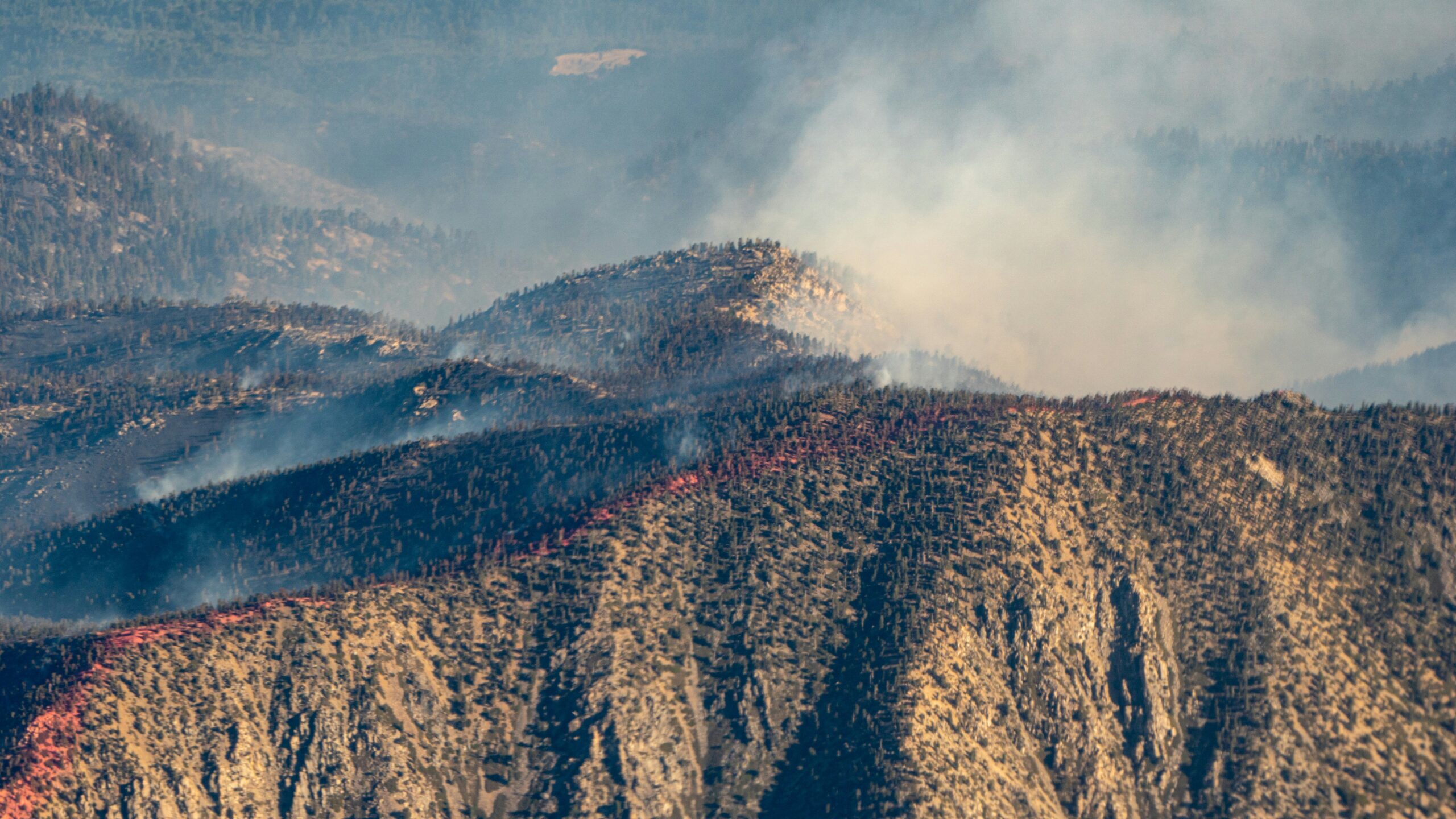
    The fires burned thousands of acres and damaged or destroyed thousands of homes and businesses. The blazes created vast clouds of smoke — laced with lead, asbestos, and other toxins — that shrouded much of Southern California.  We may not know the full extent of the damage and injuries for at least 50 years.  

    Ubi jus ibi remedium basically means nothing happens by accident. That’s especially true of a widespread disaster like wildfires, and what plaintiff attorneys are working to establish. The lawsuits, most of which are pending in Los Angeles, Orange, Riverside, San Bernardino, San Diego and Ventura Counties, name various defendants and rest upon several legal doctrines.

    Power Company Negligence

    Substantial evidence indicates that Southern California Edison (SCE), one of the area’s largest electrical power providers, negligently maintained power lines, towers, transformers, and other electrical system infrastructure. SCE is a public utility which operates with a monopoly guaranteed by the California Public Utilities Commission, which has exclusive power to refuse to issue certificates of public convenience and necessity to permit potential competition to enter the market.

    One of the latest “smoking guns” involves M16T1, a tower which had been inactive for more than fifty years. Shortly before the fires broke out, SCE recorded a fault on the power line which is located a few miles from Eaton Canyon.

    Further evidence of SCE’s alleged negligence may be its delay in shutting off power to the area. The fires began in the first week of January, 2025. Soon, over 35 were raging through the area. Yet SCE allegedly refused to cut power to the affected area for approximately three weeks. Such evidence could convince a jury that SCE negligently caused fires, and damages could be staggering.

    A California judge had ordered SCE to keep the power off in certain areas for at least 21 days, preserve critical infrastructure near the fire’s origin, and produce information concerning allegations that the company is destroying or concealing evidence. Most of this information is under seal, as the judge expressed concern about making discovery records public at such an early stage. 

    Many negligence lawsuits against SCE also cite violations of Section 2106 of the Public Utilities Code (exemplary damages if the negligent act or omission was willful), and Section 13007 of the Health and Safety Code (individual liability for any person who “willfully, negligently, or in violation of law” causes fire-related damage.

    Landlord Actions

    When a disaster occurs, many people try to take advantage of the situation for financial gain. Price-gouging gas stations are probably the best example. Immediately following the outbreak of the 2025 California wildfires, some area landlords increased rent by over 200 percent. In response, California lawmakers capped rent increases at 10 percent for thirty days.  On February 25, Strategic Actions for a Just Economy, a tenant advocacy group, filed an action against six Southern California landlords who allegedly increased rent in violation of this emergency order.

    Inverse Condemnation

    This doctrine, which is unique to California and similar to negligence per se, holds public utility companies, such as SCE, liable for wildfire damage as a matter of law.

    The City of Los Angeles’ Department of Water and Power is the primary defendant in these inverse condemnation claims. Plaintiffs argue the department’s mismanagement of water resources contributed to the fires. In an inverse condemnation claim, contributing to a problem is basically the same thing as causing that problem.

    Lawsuits often point to the controversial Santa Ynez Reservoir in Pacific Palisades. Shortly before construction began in the late 1960s, water department officials cited the need for a water supply to combat fires on the south slopes of the nearby Santa Monica mountains. But officials drained the reservoir in February 2024, citing contamination concerns. With this nine-acre, 117-million-gallon reservoir out of commission, firefighters were unable to quickly contain the 2025 California wildfires.

    Public Nuisance

    Pursuant to California Civil Code Section 3480, a public nuisance is any activity which “affects, at the same time, an entire community or neighborhood, or any considerable number of persons, although the extent of the annoyance or damage inflicted upon individuals may be unequal.” This provision, and its equivalent in the penal code (Section 372) usually involves neighborhood nuisances, like barking dogs, loud parties, and trash piles. However, these laws could also apply to wildfire damage. Possible defendants include SCE, the Water Department, and the California Public Utilities Commission. 

    Insurance Claims

    More than 37,000 wildfire compensation claims have been filed, with insurance companies paying out approximately $12.1 billion to affected individuals and businesses. Claims typically cover property damage, rebuilding costs, replacement of personal belongings, temporary living expenses, and medical expenses related to fire injuries. California laws now require insurance companies to make advance payments of 30% of the policy’s dwelling limit (up to $250,000) without itemized claims. Bad faith lawsuits have been filed against insurance companies for unfairly denying coverage or delaying payments.

    Case in Focus:
    Lutzow v. California Southern Edison

    Here are some details of a case brought against Southern California Edison for damages resulting from the Eaton Fire, alleging negligence and violations of public utility regulations. The plaintiff attorneys are attorneys at Diab & Chambers — which has handle many wildfire cases — and the wildly known Texas plaintiffs’ firm, Baron & Budd.

    The primary allegations in the complaint are: 

    • Inverse Condemnation: Plaintiffs allege that Southern California Edison (SCE) and other defendants’ electrical systems caused the Eaton Fire, resulting in the taking of Plaintiffs’ private property. ​ 
    • Negligence: Defendants failed to properly design, construct, inspect, maintain, repair, manage, and operate their electrical infrastructure, leading to the fire. ​ 
    • Trespass: Defendants negligently allowed the fire to spread to Plaintiffs’ properties. ​ 
    • Nuisance: Defendants’ actions created harmful conditions that interfered with Plaintiffs’ use and enjoyment of their property. ​ 
    • Violation of Public Utilities Code § 2106: Defendants failed to comply with the Public Utilities Act and related regulations. ​ 
    • Violation of Health & Safety Code § 13007: Defendants negligently allowed the fire to be set and escape to Plaintiffs’ properties. ​ 

    The laws or statutes cited include: 

    • California Civil Code § 1714(a) ​ 
    • Public Utilities Code §§ 702, 451, 2106 ​ 
    • Public Resources Code §§ 4292, 4293, 4894, 4435 ​ 
    • Health & Safety Code §§ 13001, 13007 ​ 
    • CPUC General Orders 95, 165 ​ 

    The plaintiffs are requesting the following damages or relief: 

    • Repair, depreciation, and/or replacement of damaged, destroyed, and/or lost personal and/or real property. ​ 
    • Loss of use, benefit, goodwill, and enjoyment of their property. ​ 
    • Loss of wages, earning capacity, and/or business profits. ​ 
    • Evacuation expenses and alternative living expenses. ​ 
    • Erosion damage to real property. ​ 
    • Past and future medical expenses. ​ 
    • General damages for personal injury, emotional distress, annoyance, disturbance, inconvenience, mental anguish, and loss of quiet enjoyment of property. ​ 
    • Attorneys’ fees, expert fees, consultant fees, and litigation costs. ​ 
    • Punitive and exemplary damages against SCE. ​ 
    • Prejudgment interest. ​ 
    • Any other relief deemed proper by the court. ​ 

    Conclusion

    Wildfires are happening with greater frequency and intensity. Climate change is exacerbating the issue, creating dryer conditions and more intense and sustained winds, all over longer stretches of time, i.e., it will always feel like it is fire season. With that will come more litigation — directly against responsible parties — and against insurance companies. It is also going to continue to affect the insurance market and real estate, and place increasing pressure on infrastructure. Health-related claims from exposure to toxic materials are an almost certainty.


    Bret Thurman is a Dallas-based legal writer who practiced law in Texas for over twenty years. His writing focuses on criminal defense, family law, consumer bankruptcy, and personal injury. He obtained his B.A. in history from Baylor University and his J.D. from the University of Texas at Austin. Bret is also an award-winning screenwriter and father of four. He can be reached at Editor@LitigationConferences.com.

    Edited by Tom Hagy. Updated March 13, 2025. 

  • Fall bellwether trials for social media addiction cases to test novel legal theories

    Fall bellwether trials for social media addiction cases to test novel legal theories

    Emerging Litigation Podcast

    Emerging Litigation PodcastProduced by HB Litigation

    Interviews with leading attorneys and other subject matter experts on new twists in the law and how the law is responding to new twists in the world.

    Interested in contributing an article? Email us at Editor@LitigationConferences.com.

    Fall bellwether trials for social media addiction cases to test novel legal theories 

    By: Justin Ward

    Comparing social media to an addictive chemical like nicotine presents a challenging legal argument. Unlike substances, social media has a significant speech component, and any attempt to regulate it could raise First Amendment concerns.

    Bellwether trials for two consolidated cases against some of the world’s largest social media platforms are expected to begin later this year, testing the novel application of legal theories traditionally used in cases against producers of addictive substances like nicotine and opioids.

    More than 1,900 individual personal injury, school district, state attorney general, and municipal claims from nearly every state have been merged into multidistrict litigation (MDL) and Judicial Council Coordinated Proceedings (JCCP) cases in California. The courts are expected to hear a subset of these cases—the bellwether trials—before the year’s end.

    The primary defendants include the parent companies of platforms with large youth audiences, such as Instagram, TikTok, Snapchat, and YouTube. Plaintiffs’ attorneys argue that these platforms are marketed to children and deliberately designed to exploit adolescent brains, which are particularly vulnerable at that stage of development.

    Their complaint cites a growing body of research linking frequent social media use to negative mental health outcomes in young people, including an increased risk of suicide, eating disorders, anxiety, and behavioral problems. It also alleges that the companies were aware of these potential harms but failed to take action to mitigate the risks or warn consumers.

    Whether these claims will prevail depends on a lengthy discovery process and competing testimony from expert witnesses. However, early rulings in California and other jurisdictions provide insight into how courts may interpret the law.

    Legal Challenges and Early Rulings

    Claims brought by school districts arguing that social media constitutes a “public nuisance” have seen mixed results. Some state and federal courts have allowed them to proceed, while others have dismissed them. California Superior Court Judge Carolyn Kuhl, who oversees the JCCP lawsuit, has dismissed public nuisance and product liability claims but has allowed the case to move forward on negligence and failure-to-warn grounds.

    In October, Meta, the parent company of Instagram and Facebook, moved to dismiss the MDL, citing Section 230 of the Communications Decency Act, which protects platforms from liability for user-generated content. Judge Yvonne Gonzalez Rogers ruled that the case could proceed, though she found that Section 230 provided the company with partial immunity. Notably, Rogers and Kuhl differ in how they classify social media platforms—as products versus speech-based services—which could have significant legal implications.

    First Amendment and Addiction Comparisons

    Comparing social media to an addictive chemical like nicotine presents a challenging legal argument. Unlike substances, social media has a significant speech component, and any attempt to regulate it could raise First Amendment concerns.

    In late January, the 9th U.S. Circuit Court of Appeals issued a preliminary injunction blocking California’s Protecting Our Kids from Social Media Addiction Act from taking effect while an appeal is pending. The panel of judges ruled that some of the plaintiffs’ claims were likely to succeed.

    While the MDL bellwether trial was initially scheduled for October 2025, it has since been postponed.


    Justin Ward is a Seattle-based investigative reporter specializing in politics, courts, and criminal justice. His work can be found in national and local media outlets, including USA Today, the Southern Poverty Law Center, and The Seattle Stranger. He can be reached at justinwardtexan@yahoo.com.
  • 22 States Sue New York Over Climate Fund, Calling It an ‘Unconstitutional Shakedown’

    22 States Sue New York Over Climate Fund, Calling It an ‘Unconstitutional Shakedown’

    Emerging Litigation Podcast

    Emerging Litigation PodcastProduced by HB Litigation

    Interviews with leading attorneys and other subject matter experts on new twists in the law and how the law is responding to new twists in the world.

    Interested in contributing an article? Email us at Editor@LitigationConferences.com.

    22 States Sue New York Over Climate Fund, Calling It an ‘Unconstitutional Shakedown’

    By: Tim Zyla

    The lawsuit against New York’s Climate Change Superfund Act underscores a high-stakes battle over state authority, federal oversight, and the financial burden placed on energy producers in the name of climate accountability.

    A coalition of 22 states, led by West Virginia, is suing New York just over two months after Governor Kathy Hochul signed a law requiring energy producers to pay $75 billion to cover damages caused by climate change.

    The lawsuit, filed in the U.S. District Court for the Northern District of New York in Albany, names New York Attorney General Letitia James, Interim Commissioner of the State Department of Environmental Conservation, and Acting Tax Commissioner of the State Department of Taxation and Finance Amanda Hiller as defendants.

    The states seek declaratory and injunctive relief, arguing that New York’s fund attempts to “seize control over the makeup of America’s energy industry.” The suit claims the fund was politically motivated and seeks to impose “tens of billions of dollars of liability on traditional energy producers” while using the money to “subsidize certain New York-based ‘infrastructure’ projects, such as a new sewer system in New York City.”


    Legal Arguments

    The plaintiffs argue that New York’s law violates multiple constitutional provisions and oversteps federal authority:

    🔹 Commerce Clause (Article I, Section 8) – The lawsuit claims the law retroactively imposes financial penalties on out-of-state companies, effectively regulating businesses beyond New York’s jurisdiction.

    🔹 Clean Air Act (42 U.S.C. § 7401(a)(3)) – While states play a role in controlling air pollution, the plaintiffs assert that the federal government holds primary authority over interstate emissions standards.

    🔹 Supreme Court Precedent – The lawsuit cites Okla. Tax Comm’n v. Jefferson Lines, Inc. and Kansas v. Colorado, arguing that states cannot legislate where Congress has chosen not to act or impose policies on other states.

    🔹 State Tariffs Violation – The Climate Change Superfund Act functions as a form of state tariff, which Comptroller of Treasury of Md. v. Wynne identified as “one of the chief evils that led to the adoption of the Constitution.”

    🔹 Due Process Clause (14th Amendment) – The law is allegedly “unreasonable” and “arbitrary” because it seeks to impose retroactive penalties on a select group of energy producers who lawfully extracted and refined fossil fuels.

    🔹 Equal Protection Clause (14th Amendment) – The plaintiffs argue the law favors New York-based energy producers while penalizing out-of-state companies, making it discriminatory.

    🔹 Eighth and Fifth Amendments – The lawsuit claims the law imposes excessive penalties and violates due process protections.

    Additionally, the plaintiffs argue that the Clean Air Act only allows lawsuits from the state where the pollution originates, citing City of New York v. Chevron Corp.


    Disputed Payment Structure

    The lawsuit challenges the fund’s payment structure, which requires energy companies to pay $3 billion per year for 25 years to reach $75 billion. The plaintiffs highlight a statement from New York Assemblyman Jeffrey Dinowitz, who admitted the assessment rate was set arbitrarily, stating:

    “I didn’t want it to be too little, (and) didn’t want it to be too much.”

    The lawsuit also references Dinowitz’s remarks after the bill’s passage, where he claimed the law had “set a precedent for the nation to follow.” The states argue this confirms their concern that other states may adopt similar measures, creating a patchwork of conflicting state-level climate policies that could burden energy companies and disrupt national commerce.


    Motion to Dismiss and Support for the Fund

    A pro se West Virginia resident has filed a request for dismissal with prejudice, arguing that the states leading the lawsuit are violating the U.S. Constitution. The filing claims that the states are breaching:

    🔹 Article VI, Clause 3 – Oath of state officers.

    🔹 Article I, Section 10 – Prohibiting states from making agreements without Congressional approval.

    🔹 Article IV, Section 1 – Full Faith and Credit Clause, requiring states to recognize New York’s laws.

    The anonymous filer asserts that New York acted in the best interest of public health, whereas the suing states are representing “unnatural entities” (fossil fuel corporations) that may be harming U.S. citizens. The request also calls for a $50 million fine against each plaintiff state, with funds directed to the Climate Change Superfund.

    Furthermore, the filing argues that Congress has not yet provided guidance on how states should enforce such laws, making the lawsuit premature.


    The Lawsuit’s Demands

    The coalition of states is requesting the court:

    🔹 Declare the Climate Change Superfund Act unconstitutional and preempted by federal law.

    🔹 Block New York officials from enforcing or implementing the law.

    🔹 Award the plaintiffs legal fees and costs.

    🔹 Grant any other relief deemed necessary and appropriate.

    As this legal battle unfolds, the case could set a major precedent for how states hold fossil fuel companies accountable for climate-related costs. If upheld, the law could pave the way for other states to adopt similar measures, while a ruling against New York could curtail state-level climate initiatives and reinforce federal control over emissions regulations.

    📄 Read the full complaint here: Final Superfund Complaint


    Tim Zyla is a lifelong journalist working as managing editor of two daily newspapers in Pennsylvania and is an avid follower of criminal law and law enforcement. He may be reached at tim@timzyla.com.

  • When Litigation Financing Goes Wrong, Who Pays?

    When Litigation Financing Goes Wrong, Who Pays?

    Emerging Litigation Podcast

    Emerging Litigation PodcastProduced by HB Litigation

    Interviews with leading attorneys and other subject matter experts on new twists in the law and how the law is responding to new twists in the world.

    Interested in contributing an article? Email us at Editor@LitigationConferences.com.

    When Litigation Financing Goes Wrong, Who Pays?

    With Crushing Debt Owed to Financiers, Mass Tort Firm Files Bankruptcy 

    By Jennifer Holmes

    The AkinMears LLP bankruptcy serves as a cautionary tale for law firms navigating the high-stakes world of litigation financing—where access to capital can be a lifeline, but financial overreach can lead to collapse.

    In January 2025, Houston-based mass tort law firm AkinMears LLP filed for Chapter 7 bankruptcy, citing over $200 million in debt owed to litigation funding companies Virage SPV 1 ($116.4M) and Rocade Capital ($86M). This filing marks a significant moment in the legal industry, highlighting the financial risks law firms face when heavily relying on third-party litigation financing.

    According to Bloomberg Law’s U.S. Bankruptcy Tracker, AkinMears LLP was the only U.S. law firm filing for bankruptcy in January 2025 with $50 million or more in liabilities. In total, 12 large law firms declared bankruptcy in January 2025, up from seven in January 2024 but slightly below the 17 cases recorded in January 2023.

    The Role of Litigation Funders

    Litigation financing has become a crucial resource for law firms pursuing large-scale mass tort cases. Virage SPV 1 and Rocade Capital are two key players in this space, specializing in providing capital to firms operating on a contingency fee basis.

    • Virage SPV 1: Founded in 2013 and based in Houston, Virage Capital Management LP provides financial solutions to attorneys and law firms, deploying over $1.1 billion across various portfolios. Their funding model allows firms to cover litigation costs, operational expenses, and case acquisitions without an immediate financial burden.

    • Rocade Capital: A private credit firm, Rocade Capital provides flexible growth capital to plaintiff law firms. It emerged as a major litigation finance player after partnering with Barings LLC and EJF Capital, raising approximately $470 million in 2023 to support legal funding initiatives.

    These third-party litigation funding (TPLF) companies evaluate cases based on their likelihood of success. If a firm wins, the funder receives a share of the proceeds, often as a first-priority creditor. If the firm loses, the funder bears the financial loss. However, as the AkinMears case demonstrates, the system carries significant risks for all involved.

    AkinMears’ Previous Financial Struggles

    AkinMears LLP has faced finance-related legal disputes before. In 2015, the firm was embroiled in litigation with financier Amir Shenaq, who was hired to secure funding for mass tort cases.

    According to Shenaq, he helped arrange approximately $90 million in loans for the firm, which was used to finance the acquisition of 14,000 lawsuits from other firms. However, a dispute over unpaid commissions led Shenaq to file a lawsuit, alleging that AkinMears owed him $4.2 million.

    This case underscored the volatility of litigation finance arrangements and the financial strain that firms face when relying heavily on external funding.

    The Risks of Litigation Financing

    One of the biggest challenges in litigation finance is the unpredictable nature of mass tort cases. AkinMears’ bankruptcy suggests that a backlog of unresolved cases, missed payments to funders, and investor pressure created an unsustainable financial situation. The firm’s collapse raises broader questions about the long-term viability of litigation financing as a business model.

    Key Questions Remain

    Should there be greater transparency and regulatory oversight to prevent potential undue influence from litigation funders?

    Should judges be informed when a mass tort case is being financed by a third party?

    Are some cases being extended unnecessarily to maximize payouts for funders and attorneys?

    How can law firms balance the financial advantages of litigation funding with the risks of over-leveraging?

    While litigation financing provides critical resources for plaintiffs and law firms, the AkinMears LLP case illustrates the dangers of misalignment between financial strategies and legal practice. As the legal industry grapples with these challenges, law firms must carefully weigh the benefits and risks of third-party financing.


    Jennifer Holmes is a former journalist turned business writer and analyst. She can be reached at Editor@LitigationConferences.com.