Author: Tom Hagy

  • From Socks to Strategy: What Zoom Focus Groups Reveal About Your Case with Elizabeth Larrick

    From Socks to Strategy: What Zoom Focus Groups Reveal About Your Case with Elizabeth Larrick

    From Socks to Strategy: What Zoom Focus Groups Reveal About Your Case with Elizabeth Larrick

    Concepts: Trial Strategy; Jury Insights

    How do you know if your witness is credible? Is your evidence compelling—or confusing? And will a jury really care about those bright orange socks?

    In this episode of the Emerging Litigation Podcast, trial attorney and focus group consultant Elizabeth Larrick joins me to explain how remote focus groups are changing the way lawyers prepare for trial. Elizabeth shares what she’s learned from conducting over 1,000 Zoom focus groups—insights on testing case narratives, assessing witness credibility, refining trial strategy, and even improving jury selection.

    You’ll hear how quick, targeted virtual sessions help identify blind spots, shape more persuasive stories, and prevent courtroom surprises—while also giving lawyers valuable practice engaging with real people before trial.

    Plus: What happens when jurors prefer the disheveled guy over the polished one? Why you should probably rethink those flashy shoes? And why, sometimes, less (facial expression) is more.

    Thanks to Elizabeth for sharing her expertise—and her sharp eye for socks.

    If you have comments or wish to participate in one our projects please drop me a note at Editor@LitigationConferences.com.

    Tom Hagy
    Litigation Enthusiast and
    Host of the Emerging Litigation Podcast
    Home Page
    LinkedIn
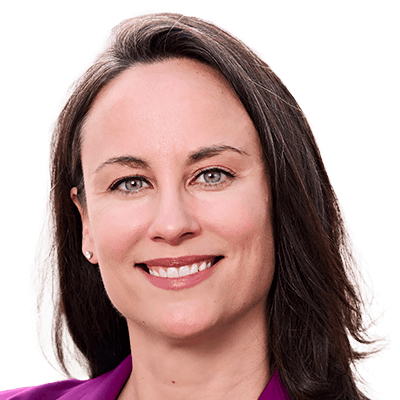
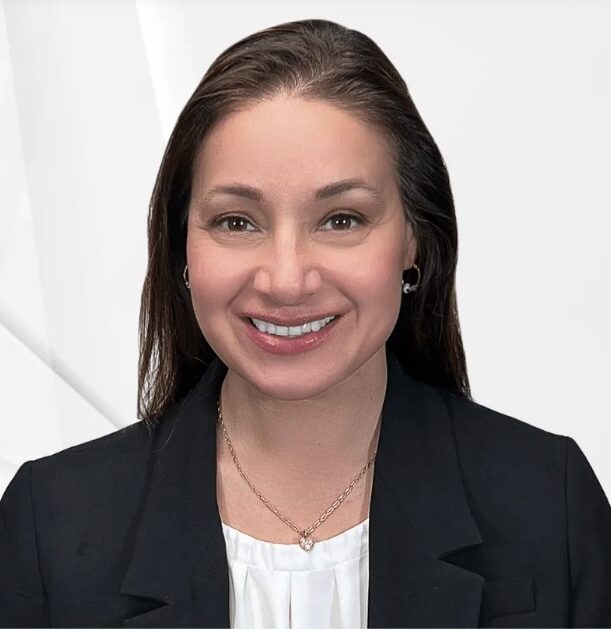
    Elizabeth Larrick

    Elizabeth LarrickTrial Attorney and Focus Group Consultant

    Elizabeth Larrick is a litigation consultant, trial lawyer, and founder of the Larrick Law Firm in Austin, Texas. A former fellow at the prestigious Keenan Law Firm, she has worked on high-stakes cases nationwide and served for over five years as Co-Dean of Witness Preparation at the Keenan Trial Institute. With a deep background in personal injury law and over 1,000 focus groups conducted, Elizabeth now helps attorneys across the U.S. strengthen their case strategy, witness preparation, and trial presentations through virtual and in-person consulting.
    podcast logo face


    Want to appear on the Emerging Litigation Podcast?


    Send us your idea! 

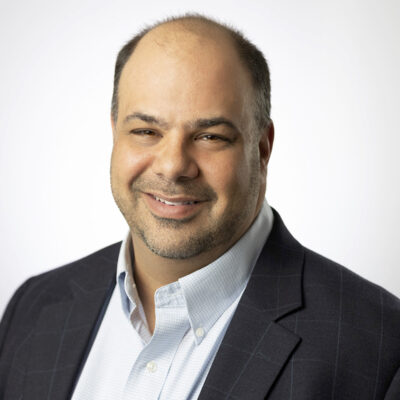
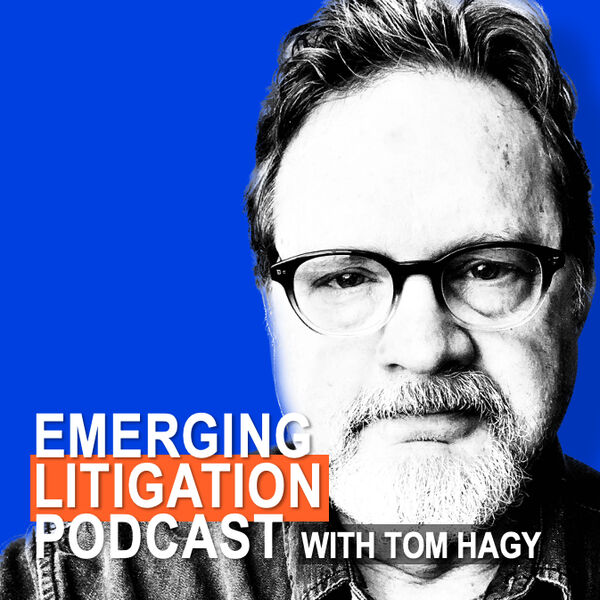
    It might even make this man smile. “But I am smiling here.”

    No. No he’s not.

  • From Socks to Strategy: What Zoom Focus Groups Reveal About Your Case with Elizabeth Larrick

    From Socks to Strategy: What Zoom Focus Groups Reveal About Your Case with Elizabeth Larrick

    From Socks to Strategy: What Zoom Focus Groups Reveal About Your Case with Elizabeth Larrick

    Concepts: Trial Strategy; Jury Insights

    How do you know if your witness is credible? Is your evidence compelling—or confusing? And will a jury really care about those bright orange socks?

    In this episode of the Emerging Litigation Podcast, trial attorney and focus group consultant Elizabeth Larrick joins me to explain how remote focus groups are changing the way lawyers prepare for trial. Elizabeth shares what she’s learned from conducting over 1,000 Zoom focus groups—insights on testing case narratives, assessing witness credibility, refining trial strategy, and even improving jury selection.

    You’ll hear how quick, targeted virtual sessions help identify blind spots, shape more persuasive stories, and prevent courtroom surprises—while also giving lawyers valuable practice engaging with real people before trial.

    Plus: What happens when jurors prefer the disheveled guy over the polished one? Why you should probably rethink those flashy shoes? And why, sometimes, less (facial expression) is more.

    Thanks to Elizabeth for sharing her expertise—and her sharp eye for socks.

    If you have comments or wish to participate in one our projects please drop me a note at Editor@LitigationConferences.com.

    Tom Hagy
    Litigation Enthusiast and
    Host of the Emerging Litigation Podcast
    Home Page
    LinkedIn

    Elizabeth Larrick

    Elizabeth LarrickTrial Attorney and Focus Group Consultant

    Elizabeth Larrick is a litigation consultant, trial lawyer, and founder of the Larrick Law Firm in Austin, Texas. A former fellow at the prestigious Keenan Law Firm, she has worked on high-stakes cases nationwide and served for over five years as Co-Dean of Witness Preparation at the Keenan Trial Institute. With a deep background in personal injury law and over 1,000 focus groups conducted, Elizabeth now helps attorneys across the U.S. strengthen their case strategy, witness preparation, and trial presentations through virtual and in-person consulting.

    podcast logo face


    Want to appear on the Emerging Litigation Podcast?


    Send us your idea! 

    It might even make this man smile. “But I am smiling here.”

    No. No he’s not.
  • DEI Programs as a Source of Liability for Law Firms and Other Businesses

    DEI Programs as a Source of Liability for Law Firms and Other Businesses

    The Author

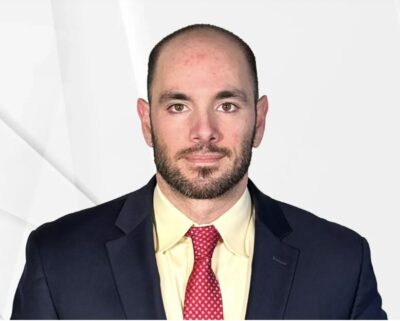
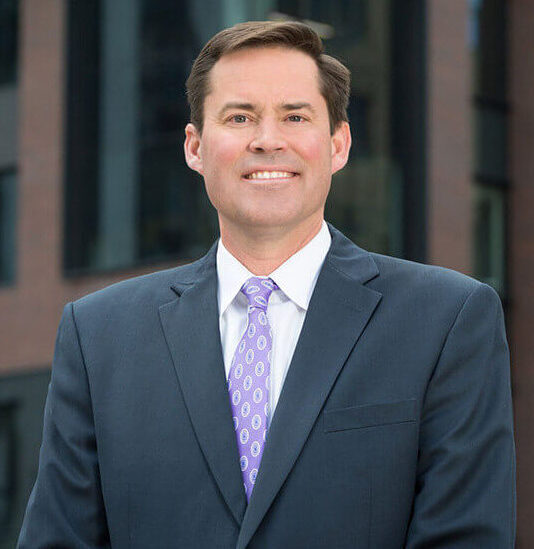
    William (Billy) Jones

    William (Billy) JonesMoye White LLP

    An experienced and accomplished litigator, Billy’s practice focuses on complex civil litigation and business disputes. He defends business clients involved in product liability defense, franchise and distribution disputes, insurance defense and coverage issues, trust and estate litigation, as well as real estate litigation.

    Billy’s practice has also included representation of clients in a variety of appellate courts, including the Colorado Court of Appeals, the federal Fourth and Tenth Circuit Courts of Appeals, the Virginia Supreme Court, and the South Dakota Supreme Court. Billy has tried cases in over 15 states over the lifetime of his career.

    Focused and aggressive, Billy represents corporate clients in the variety of claims that arise in the business world. For his clients with interests in manufacturing, product distribution, and retail businesses, Billy has extensive experience defending against manufacturing, design defect, negligence, and breach of warranty claims.

    Billy is the former Vice-chair of Moye White’s Trial Section and currently serves as Co-Chair of the Franchise & Distribution Group, representing franchisors in franchise disputes, and providing valuable advice regarding business development and sales, as well as offerings compliance. He is also active in representing clients in Colorado’s burgeoning brewing and distilling markets.

    A true advocate, Billy protects the interests of his clients against claims of directors’ and officers’ liability, bad faith, negligence, and other torts. He also has extensive experience in cases involving real estate and associated transactions.

    Billy provides exceptional counsel at trial, through appeal, and in mediation and arbitration proceedings. He has extensive experience before the state and federal courts in Colorado, and has represented clients in various federal courts throughout the country.

    DEI Programs as a Source of Liability for Law Firms and Other Businesses

    Whether internally or with clients, law firms should consider changes to programs that may still meet the goal of increasing underrepresented populations without running afoul of claims alleging racial discrimination. Creative solutions may be available, and attorneys should be discussing these options with their clients.

    From a risk management perspective, law firms should engage in an internal review of their own DEI initiatives and programs. Practices and programs that were once compliant with applicable law may no longer be.

    Abstract:

    Two recent cases against international law firms point to this emerging trend in litigation that could have widespread implications for diversity, equity, and inclusion (DEI) programs. In the wake of this year’s U.S. Supreme Court opinion striking down the use of race in college admissions, there was much speculation about the impact these rulings might have outside of the academic context—and that remains an unanswered question. However, two recent cases filed against international law firms for their DEI fellowships could be indicators of the impact for law firms and other private businesses.

    Download the article now!

  • DEI Programs as a Source of Liability for Law Firms and Other Businesses

    DEI Programs as a Source of Liability for Law Firms and Other Businesses

    The Author

    William (Billy) Jones

    William (Billy) JonesMoye White LLP

    An experienced and accomplished litigator, Billy’s practice focuses on complex civil litigation and business disputes. He defends business clients involved in product liability defense, franchise and distribution disputes, insurance defense and coverage issues, trust and estate litigation, as well as real estate litigation.

    Billy’s practice has also included representation of clients in a variety of appellate courts, including the Colorado Court of Appeals, the federal Fourth and Tenth Circuit Courts of Appeals, the Virginia Supreme Court, and the South Dakota Supreme Court. Billy has tried cases in over 15 states over the lifetime of his career.

    Focused and aggressive, Billy represents corporate clients in the variety of claims that arise in the business world. For his clients with interests in manufacturing, product distribution, and retail businesses, Billy has extensive experience defending against manufacturing, design defect, negligence, and breach of warranty claims.

    Billy is the former Vice-chair of Moye White’s Trial Section and currently serves as Co-Chair of the Franchise & Distribution Group, representing franchisors in franchise disputes, and providing valuable advice regarding business development and sales, as well as offerings compliance. He is also active in representing clients in Colorado’s burgeoning brewing and distilling markets.

    A true advocate, Billy protects the interests of his clients against claims of directors’ and officers’ liability, bad faith, negligence, and other torts. He also has extensive experience in cases involving real estate and associated transactions.

    Billy provides exceptional counsel at trial, through appeal, and in mediation and arbitration proceedings. He has extensive experience before the state and federal courts in Colorado, and has represented clients in various federal courts throughout the country.

    DEI Programs as a Source of Liability for Law Firms and Other Businesses

    Whether internally or with clients, law firms should consider changes to programs that may still meet the goal of increasing underrepresented populations without running afoul of claims alleging racial discrimination. Creative solutions may be available, and attorneys should be discussing these options with their clients.

    From a risk management perspective, law firms should engage in an internal review of their own DEI initiatives and programs. Practices and programs that were once compliant with applicable law may no longer be.

    Abstract:

    Two recent cases against international law firms point to this emerging trend in litigation that could have widespread implications for diversity, equity, and inclusion (DEI) programs. In the wake of this year’s U.S. Supreme Court opinion striking down the use of race in college admissions, there was much speculation about the impact these rulings might have outside of the academic context—and that remains an unanswered question. However, two recent cases filed against international law firms for their DEI fellowships could be indicators of the impact for law firms and other private businesses.

    Download the article now!

  • Judge finds flaws in motion for an injunction against Trump’s wind turbine order

    Judge finds flaws in motion for an injunction against Trump’s wind turbine order

    Emerging Litigation Podcast

    Emerging Litigation PodcastProduced by HB Litigation

    Interviews with leading attorneys and other subject matter experts on new twists in the law and how the law is responding to new twists in the world.

    Interested in contributing an article? Email us at Editor@LitigationConferences.com.

    Judge finds flaws in motion for an injunction against Trump’s wind turbine order

    By: Justin Ward

    “The plaintiffs need to return to court with more details about specific harms to specific projects in specific states,” said Judge William Young.

    The outlook does not look good for a lawsuit seeking to block President Donald Trump’s effective freeze on new wind turbine production. A federal judge canceled a hearing on the plaintiffs’ proposed temporary injunction this week, citing a lack of “specificity” about the harms experienced by the states that brought the suit.

    The District Court of Massachusetts will hear the Trump Administration’s motion to dismiss next week. The federal judge’s statements have largely aligned with the Department of Justice’s arguments, so it’s likely that the administration will prevail.

    While Judge William Young acknowledged that wind power was an “important industry” and Trump’s hostility to wind was “indisputable,” he said the plaintiffs, which include more than a dozen states, need to return to court with more details about “specific harms to specific projects in specific states.”

    Young recognized that if the administration has the power to grant licenses, it is also entitled to withhold them. Trump’s executive order, issued in the first weeks of his term, places a hold on new offshore wind power permits, pending a review. The order does not provide a timeline for that review to be complete, so it would amount to an indefinite freeze on all new wind power in practice.

    Trump’s crusade against wind power started during his first term. He has claimed that wind turbines are “kill[ing] the birds” and “driving the whales crazy.” Environmental groups refuted this and other claims in their amicus brief last month, noting that “cats are responsible for thousands of times more bird deaths than are wind turbines.”

    However, if the lawsuit does survive next week’s hearing and secures an injunction, legal experts say it will be mostly a symbolic victory because the federal agency that issues permits still has discretion over the speed at which it works, so a freeze will be replaced by a de facto pause.


    Justin Ward is a Seattle-based investigative reporter specializing in politics, courts, and criminal justice. His work can be found in national and local media outlets, including USA Today, the Southern Poverty Law Center, and The Seattle Stranger. He can be reached at justinwardtexan@yahoo.com.

  • Judge finds flaws in motion for an injunction against Trump’s wind turbine order

    Judge finds flaws in motion for an injunction against Trump’s wind turbine order

    Emerging Litigation Podcast

    Emerging Litigation PodcastProduced by HB Litigation

    Interviews with leading attorneys and other subject matter experts on new twists in the law and how the law is responding to new twists in the world.

    Interested in contributing an article? Email us at Editor@LitigationConferences.com.

    Judge finds flaws in motion for an injunction against Trump’s wind turbine order

    By: Justin Ward

    “The plaintiffs need to return to court with more details about specific harms to specific projects in specific states,” said Judge William Young.

    The outlook does not look good for a lawsuit seeking to block President Donald Trump’s effective freeze on new wind turbine production. A federal judge canceled a hearing on the plaintiffs’ proposed temporary injunction this week, citing a lack of “specificity” about the harms experienced by the states that brought the suit.

    The District Court of Massachusetts will hear the Trump Administration’s motion to dismiss next week. The federal judge’s statements have largely aligned with the Department of Justice’s arguments, so it’s likely that the administration will prevail.

    While Judge William Young acknowledged that wind power was an “important industry” and Trump’s hostility to wind was “indisputable,” he said the plaintiffs, which include more than a dozen states, need to return to court with more details about “specific harms to specific projects in specific states.”

    Young recognized that if the administration has the power to grant licenses, it is also entitled to withhold them. Trump’s executive order, issued in the first weeks of his term, places a hold on new offshore wind power permits, pending a review. The order does not provide a timeline for that review to be complete, so it would amount to an indefinite freeze on all new wind power in practice.

    Trump’s crusade against wind power started during his first term. He has claimed that wind turbines are “kill[ing] the birds” and “driving the whales crazy.” Environmental groups refuted this and other claims in their amicus brief last month, noting that “cats are responsible for thousands of times more bird deaths than are wind turbines.”

    However, if the lawsuit does survive next week’s hearing and secures an injunction, legal experts say it will be mostly a symbolic victory because the federal agency that issues permits still has discretion over the speed at which it works, so a freeze will be replaced by a de facto pause.


    Justin Ward is a Seattle-based investigative reporter specializing in politics, courts, and criminal justice. His work can be found in national and local media outlets, including USA Today, the Southern Poverty Law Center, and The Seattle Stranger. He can be reached at justinwardtexan@yahoo.com.

  • Sexual Abuse & Insurance

    Sexual Abuse & Insurance

    Sexual Abuse & Insurance

    Gain an understanding of how to locate and leverage historic insurance policies to respond to sexual abuse claims, navigate complex coverage issues, and develop effective strategies for pursuing recovery when insurers deny valid claims.

    Every institution that had children in its care in the past is now subject to the threat of sex abuse claims due to statutory “look back” windows.  These statutory “look back” windows permit victims of abuse to bring claims that were otherwise time-barred.  These claims of abuse based on the acts of employees are covered by old general liability policies. This seminar will teach you how to access your old insurance policies and make claims under them.  In addition, this seminar will address different types of coverages that may respond to claims of abuse and the nuances associated with each type of coverage.

    Sex abuse insurance coverage claims involve complex issues of missing policies, allocation, number of occurrences, intentional conduct, and vicarious liability. This seminar will address these issues. It will discuss where to look for old policies and how to make use of insurance archaeology. It will examine emerging case law on each of the key issues, and the current state of the law. The presenters will walk through the various stages of making a claim successfully. Finally, it will focus on litigation strategies should an insurance company refuse to pay, particularly from the standpoint of institutions.

    Learning Objectives

    By the end of this webinar, you’ll gain a solid foundation in:

    • How to locate old policies

    • Understanding allocation law

    • Coping with common insurance company defenses

    • How to make an insurance claim

    • Develop strategies for pursuing coverage

    TAKE IT NOW

    Available now to CeriFi LegalEdge subscribers. Don’t subscribe? Don’t despair. Use code HB20 for 20% off. Or, HBSub20 for 20% off a full solo subscription. While supplies last.

    Speakers

    Marshall Gilinsky

    Marshall GilinskyShareholder | Anderson Kill, Boston

    Marshall Gilinsky is a shareholder in Anderson Kill’s Boston office and co-chair of the firm’s Sexual Harassment and Abuse Insurance Recovery and Sports, Media & Entertainment Groups. With over 20 years of experience representing policyholders, he has recovered hundreds of millions of dollars in high-stakes insurance claims, including those stemming from 9/11, Hurricane Katrina, and Superstorm Sandy. Marshall focuses on property, business interruption, D&O, E&O, and captive insurance disputes. A frequent writer and speaker on insurance issues, he’s been quoted in The New York Times, The Wall Street Journal, CNN, and Business Insurance.

    John Lacey

    John LaceyAssociate | Anderson Kill

    John Lacey is an attorney in Anderson Kill’s Newark office and a member of the firm’s Insurance Recovery and Corporate & Commercial Practice groups. He represents individual and corporate policyholders in a broad range of coverage disputes, including first-party property damage, business interruption, trade credit, cybercrime, professional liability, D&O, IP, environmental, and general liability claims—particularly those involving alleged abuse, emotional distress, and personal injury. John routinely appears in state and federal courts nationwide. He earned his J.D. from Seton Hall University School of Law and his B.A. from Marist College (Lorenzo De’ Medici Institute, Florence, Italy).

    Brian Della Torre

    Brian Della TorrePresident | IAG

    For over 20 years, Brian Della Torre has led research projects across industries, conducting document reviews at manufacturing sites, records centers, law firms, and courts nationwide. He has supported corporate due diligence by investigating insurance programs in mergers and acquisitions, and helped nonprofits, universities, hospitals, churches, and religious organizations reconstruct historic insurance coverage. Brian has completed hundreds of onsite reviews at churches, schools, missions, archives, and retreat centers. He earned his B.A. in political science from American University and an M.A. in early modern political philosophy from the University of Chicago, where he focused on Machiavelli. He began his career on Capitol Hill with the House Committee on Education and the Workforce.

  • Sexual Abuse & Insurance

    Sexual Abuse & Insurance

    Sexual Abuse & Insurance

    Gain an understanding of how to locate and leverage historic insurance policies to respond to sexual abuse claims, navigate complex coverage issues, and develop effective strategies for pursuing recovery when insurers deny valid claims.

    Every institution that had children in its care in the past is now subject to the threat of sex abuse claims due to statutory “look back” windows.  These statutory “look back” windows permit victims of abuse to bring claims that were otherwise time-barred.  These claims of abuse based on the acts of employees are covered by old general liability policies. This seminar will teach you how to access your old insurance policies and make claims under them.  In addition, this seminar will address different types of coverages that may respond to claims of abuse and the nuances associated with each type of coverage.

    Sex abuse insurance coverage claims involve complex issues of missing policies, allocation, number of occurrences, intentional conduct, and vicarious liability. This seminar will address these issues. It will discuss where to look for old policies and how to make use of insurance archaeology. It will examine emerging case law on each of the key issues, and the current state of the law. The presenters will walk through the various stages of making a claim successfully. Finally, it will focus on litigation strategies should an insurance company refuse to pay, particularly from the standpoint of institutions.

    Learning Objectives

    By the end of this webinar, you’ll gain a solid foundation in:

    • How to locate old policies

    • Understanding allocation law

    • Coping with common insurance company defenses

    • How to make an insurance claim

    • Develop strategies for pursuing coverage

    TAKE IT NOW

    Available now to CeriFi LegalEdge subscribers. Don’t subscribe? Don’t despair. Use code HB20 for 20% off. Or, HBSub20 for 20% off a full solo subscription. While supplies last.

    Speakers

    Marshall Gilinsky

    Marshall GilinskyShareholder | Anderson Kill, Boston

    Marshall Gilinsky is a shareholder in Anderson Kill’s Boston office and co-chair of the firm’s Sexual Harassment and Abuse Insurance Recovery and Sports, Media & Entertainment Groups. With over 20 years of experience representing policyholders, he has recovered hundreds of millions of dollars in high-stakes insurance claims, including those stemming from 9/11, Hurricane Katrina, and Superstorm Sandy. Marshall focuses on property, business interruption, D&O, E&O, and captive insurance disputes. A frequent writer and speaker on insurance issues, he’s been quoted in The New York Times, The Wall Street Journal, CNN, and Business Insurance.

    John Lacey

    John LaceyAssociate | Anderson Kill

    John Lacey is an attorney in Anderson Kill’s Newark office and a member of the firm’s Insurance Recovery and Corporate & Commercial Practice groups. He represents individual and corporate policyholders in a broad range of coverage disputes, including first-party property damage, business interruption, trade credit, cybercrime, professional liability, D&O, IP, environmental, and general liability claims—particularly those involving alleged abuse, emotional distress, and personal injury. John routinely appears in state and federal courts nationwide. He earned his J.D. from Seton Hall University School of Law and his B.A. from Marist College (Lorenzo De’ Medici Institute, Florence, Italy).

    Brian Della Torre

    Brian Della TorrePresident | IAG

    For over 20 years, Brian Della Torre has led research projects across industries, conducting document reviews at manufacturing sites, records centers, law firms, and courts nationwide. He has supported corporate due diligence by investigating insurance programs in mergers and acquisitions, and helped nonprofits, universities, hospitals, churches, and religious organizations reconstruct historic insurance coverage. Brian has completed hundreds of onsite reviews at churches, schools, missions, archives, and retreat centers. He earned his B.A. in political science from American University and an M.A. in early modern political philosophy from the University of Chicago, where he focused on Machiavelli. He began his career on Capitol Hill with the House Committee on Education and the Workforce.

  • Am I Covered For? . . . A Discussion of Insurance Coverage Issues

    Am I Covered For? . . . A Discussion of Insurance Coverage Issues

    Am I Covered For? . . . A Discussion of Insurance Coverage Issues

    Gain a better understanding of core insurance coverages and the common challenges policyholders face when seeking recovery.

    This session provides a basic introduction to insurance coverage generally and the types of issues that typically arise when policyholders seek coverage under those policies.  We start with the basics, outlining the difference between first party and third-party claims, which provides a foundation for our discussion.  We then discuss the following insurance policies, providing a brief description of what they typically cover: commercial general liability policies; property policies; directors & officers liability policies; errors & omissions liability policies; employment practices liability policies; commercial crime or fidelity policies; cyber policies; and contamination and recall policies.  We offer real examples of challenges policyholders face in attempting to procure coverage, from the time of the loss, to providing notice, to subsequent litigation.  Our presentation then highlights some interesting cases, their facts, and the ultimate holdings.  We provide practical tips regarding the application process, providing notice, and potential alternatives to litigation.

    Learning Objectives

    By the end of this webinar, you’ll gain a solid foundation in:

    • Several different types of insurance policies;

    • What those insurance policies typically cover;

    • Examples of common issues that arise in seeking coverage under those policies;

    • How courts have dealt with certain types of insurance claims; and

    • Practical tips on common insurance-related claim issues.

    TAKE IT NOW

    Available now to CeriFi LegalEdge subscribers. Don’t subscribe? Don’t despair. Use code HB20 for 20% off. Or, HBSub20 for 20% off a full solo subscription. While supplies last.

    Speakers

    Steven J. Pudell

    Steven J. PudellManaging Shareholder | Anderson Kill Newark

    Steven J. Pudell is managing shareholder of Anderson Kill’s Newark office, focusing on insurance recovery for policyholders and commercial litigation. Recognized by Chambers USA, Best Lawyers, and The Legal 500, Steve represents clients in the food, chemical, pharmaceutical, and real estate industries. He frequently writes and speaks on insurance coverage and has held leadership roles in the ABA and New Jersey legal community.

    Christina Yousef

    Christina YousefShareholder | Anderson Kill

    Christina Yousef is a shareholder in Anderson Kill’s New Jersey office, representing policyholders in high-stakes insurance recoveries involving D&O liability, food contamination, construction defects, and environmental claims. She has litigated in courts nationwide and advises clients across the hospitality, manufacturing, and construction sectors. Christina holds a J.D. from Seton Hall and clerked at the U.S. District Court for the District of New Jersey.

    William Harrison

    William HarrisonManaging Director, Product Recall Practice | Gallagher

    Bill Harrison is a leading expert in product recall and contamination insurance. He launched the first brokerage group focused on crisis risks like product contamination, recall, K&R, and terrorism. Now with Gallagher, Bill brings decades of experience from AIG, Aon, and Marsh to help clients manage complex product risk. He is also co-author of The Executive’s Desk Book on Corporate Risks and Response for Homeland Security.

  • Cyber and Privacy Risk and Insurance in 2025: Part I—”the Basics” 

    Cyber and Privacy Risk and Insurance in 2025: Part I—”the Basics” 

    Cyber and Privacy Risk and Insurance in 2025: Part I—”the Basics”

    Gain a better understanding of the evolving cyber risk landscape and how insurance can help—or hinder—your recovery.

    The cyber risk landscape is harrowing these days.  Recent industry reports reflect a bleak outlook for organizations and individuals hoping to avoid cyber carnage, as nearly all critical metrics involving cybercrime are trending the wrong way.  The good news is that many losses associated with data compromises and system intrusions are covered by insurance in whole or in part.  But in an ever more serious loss environment, some insurance companies are putting up more obstacles to coverage.  From the policy application to notice of a claim to the insurance company’s defenses to coverage, the path to coverage can be perilous.   This Webinar will examine the key cyber-attack vectors and the risks to organizations and individuals of data hosting, use and transmission, even where no cyber-criminal is involved. This Webinar will also provide an overview of the insurance market and products available to respond to a computer-related incident, as well as other coverages often provided in a blended cyber policy relating to liability exposures, including privacy liability, technology E&O, and miscellaneous professional liability.  This Webinar will also provide a brief overview of the current privacy landscape in the U.S., including the continued prevalence of wrongful collection of data claims, and the need for businesses to carefully review their policies for potential exclusions relating to those risks.

    Learning Objectives

    By the end of this webinar, you’ll gain a solid foundation in:

    • The cyber risk environment when it comes to cyber-crime

    • The current cyber risk environment where no hacker is present, but privacy issues and other regulatory concerns may be present

    • The nature of the key insurance products available to respond to certain cyber, data, or technology-related risks

    • The underwriting and claims processes for cyber related insurance protection

    • Some of the recent trends in both the underlying risks and the insurance products offered as potential solutions

    TAKE IT NOW

    Available now to CeriFi LegalEdge subscribers. Don’t subscribe? Don’t despair. Use code HB20 for 20% off. Or, HBSub20 for 20% off a full solo subscription. While supplies last.

    Speakers

    Joshua Gold

    Joshua GoldShareholder | Anderson Kill P.C.

    Joshua Gold is a shareholder in Anderson Kill’s New York office, chair of the Cyber Insurance Recovery Group, and co-chair of the Marine Cargo Insurance Group. He has recovered over $1.5 billion for corporate and non-profit clients across a range of industries. Josh handles insurance disputes involving cyber incidents, business interruption, directors and officers liability, commercial crime, and marine coverage. He served as lead counsel in a landmark cyber insurance case before the U.S. Court of Appeals for the Sixth Circuit. Ranked by Chambers USA and recommended by The Legal 500, Josh also teaches Insurance Law at Brooklyn Law School and speaks regularly at national and international conferences.

    Luma Al-Shibib

    Luma Al-ShibibShareholder | Anderson Kill, P.C.

    Luma S. Al-Shibib is a shareholder in Anderson Kill’s New York office and co-chair of the firm’s Cybersecurity and Cyber Insurance Recovery Groups. She represents corporate policyholders in securing insurance recoveries, with a focus on cyber liability, crime, and D&O insurance. Luma has recovered hundreds of millions of dollars for clients in data breach, ransomware, and phishing matters under cyber, crime, and all-risk property policies. She also has experience with insurance issues in bankruptcy cases. Luma co-chairs the firm’s Diversity Committee and is active in its Women’s Network and COVID Task Group. She is a graduate of Brooklyn Law School.

    Miranda Jannuzzi, Esq.

    Miranda Jannuzzi, Esq.Senior Vice President | Aon

    Miranda Jannuzzi is Senior Vice President on Aon’s Cyber Solutions E&O/Cyber Product team, where she focuses on cyber insurance innovation and effective risk transfer strategies. She monitors emerging cyber and privacy risks and coverage trends. Prior to Aon, Miranda spent over a decade representing policyholders in complex insurance recovery matters, including litigation and arbitration in the U.S., London, and Bermuda. She holds a J.D. from Temple University and a B.A. from Penn State, and is licensed in Pennsylvania and New Jersey.