Author: Tom Hagy

  • IP Protection, Secure Transactions, and Bored Apes: NFTs with Cameron Pick

    IP Protection, Secure Transactions, and Bored Apes: NFTs with Cameron Pick

    IP Protection, Secure Transactions, and Bored Apes:

    NFTs with Cameron Pick

    Concepts: Emerging Technologies, Intellectual Property

    NFTs – or non-fungible tokens – have taken the digital world by storm – or perhaps just a downloadable picture of a storm – promising to revolutionize not only the way we perceive, protect, purchase, and own digital assets, but how we might even buy a house or other assets in the real world. 

    These unique digital certificates, recorded on a blockchain, exploded onto the scene in post-pandemic 2021 with record-breaking sales and widespread media coverage. One of the most amazing examples is “The Merge” by the anonymous artist Pak, which sold for a staggering $91.8 million.

    The Bored Ape Yacht Club is another fascinating story. This collection of 10,000 unique, cartoonish apes, each with its own distinct features, became incredibly popular in 2021. Owning a Bored Ape would become a status symbol in the NFT community.

    However, the meteoric rise of NFTs was followed by a significant downturn, leading many to question the future of NFTs. While the initial hype and astronomical prices may have subsided, the underlying technology and potential of NFTs remain promising.

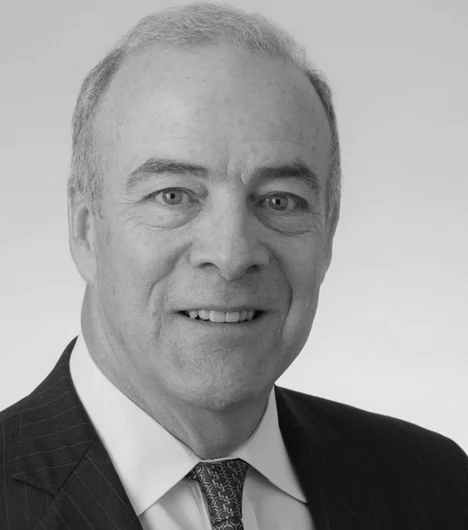
    For insights into this evolving landscape, listen to my conversation with Cameron Pick of Marshall Gerstein. An experienced expert in intellectual property law with a focus on emerging technologies, Cameron advises clients on a range of legal issues related to NFTs, blockchain, and cryptocurrency. He holds a J.D. from Duke University School of Law and a B.S. with honors in electrical engineering from the University of Illinois, Urbana-Champaign.

    I hope you enjoy the conversation! If so, give us a rating!

    This podcast is the audio companion to the Journal on Emerging Issues in Litigation. The Journal is a collaborative project between HB Litigation Conferences and the vLex Fastcase legal research family, which includes Full Court Press, Law Street Media, and Docket Alarm.

    If you have comments, ideas, or wish to participate, please drop me a note at Editor@LitigationConferences.com.

    Tom Hagy
    Litigation Enthusiast and
    Host of the Emerging Litigation Podcast
    Home Page
    LinkedIn
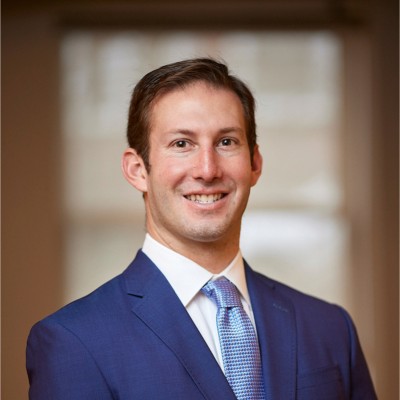
    Cameron Pick

    Cameron PickMarshall Gerstein

    Cameron prosecutes domestic and foreign patents for emerging technologies across a range of industries, with a particular focus on electrical and software engineering. He also prepares patentability, infringement, and freedom-to-operate opinions; responds to USPTO office actions; provides day-to-day intellectual property counseling; and develops sophisticated, forward-thinking patent strategies for a diverse clientele, ranging from startups to Fortune 100 companies. Cameron’s appeal briefs have delivered a number of client victories before the Patent Trial and Appeal Board.

    While earning his J.D., Cameron was a member of the Patent Law Society at Duke University School of Law. Prior to joining Marshall Gerstein, he worked as a patent extern at the United States Patent and Trademark Office.
    podcast logo face


    Want to appear on the Emerging Litigation Podcast?


    Send us your idea! 

    It might even make this man smile. “But I am smiling here.”

    No. No he’s not.

  • Resolving Litigation with AI with Jeff Trueman & John T. Sly

    Resolving Litigation with AI with Jeff Trueman & John T. Sly

    Resolving Litigation with AI with Jeff Trueman & John T. Sly

    A humanoid robot reading a document, symbolizing the use of artificial intelligence in legal arbitration and mediation.

    Gain a better understanding of how artificial intelligence can be used to handle litigated disputes more efficiently, facilitate improved decision-making, and leverage predictive capabilities to achieve optimal outcomes in dispute resolution.

    Developed and presented by a practicing attorney and a full-time mediator and arbitrator, this webinar is designed for attorneys and mediators who wish to better understand how AI can assist with their work, specifically how it can be used to handle these disputes more efficiently, facilitate improved decision-making, and leverage predictive capabilities to achieve optimal outcomes in dispute resolution. The objectives of this course are to assist attorneys and mediators better understand how AI can help with their work in the arbitration process, discern the difference between “general”, or generative AI, and “narrow AI” and the unique strengths of generative AI that make it a useful dispute resolution tool, and learn why AI matters in the legal profession and more broadly.

    Participants will learn how incorporating AI into their practice can be a powerful tool in gaining valuable insights into likely case outcomes, assessing settlement options with greater accuracy, and ultimately providing more strategic guidance to their clients. Attendees will come away with an understanding of how AI can be used as a means to enhance decision-making and assist attorneys and mediators throughout the course of mediation, while also becoming familiarized with the biases to be aware of in AI models and key points of caution when utilizing AI in dispute resolution processes.

    Learning Objectives

    Understand how AI can assist with the work of attorneys and mediators and in the arbitration process 

    Discern the difference between “general”, or generative AI, and “narrow AI” and the unique strengths of generative AI that make it a useful dispute resolution tool 

    Learn why AI matters in the legal profession and more broadly 

    Learn how AI can be employed as a decision-making tool and how its predictive ability can be harnessed to produce optimal outcomes in the dispute resolution process 

    Recognize the biases to be aware of in AI models 

    Identify key points of caution when utilizing AI in dispute resolution processes 

    TAKE IT NOW

    Available now to West LegalEdcenter subscribers. Don’t subscribe? Don’t despair. Use code HB20 for 20% off. Or, HBSub20 for 20% off a full solo subscription. While supplies last.

    Speakers

    Jeff Trueman

    Jeff TruemanMediator Arbitrator

    Jeff is a full-time mediator and arbitrator with over twenty years of experience helping parties resolve litigated and pre-suit disputes concerning wrongful death, catastrophic injuries, employment, professional malpractice, and business dissolutions. He is a Distinguished Fellow of the International Academy of Mediators and the National Association of Distinguished Neutrals, invitation-only membership organizations consisting of some of the most successful commercial mediators in the country and the world. Jeff was the recipient of the Maryland State Bar Association’s Chief Judge Robert M. Bell Award for his efforts in “promoting the use of alternative dispute resolution in the Maryland judiciary, schools, government and communities” and the Bar Association of Baltimore City’s Paul A. Dorf Alternative Dispute Resolution Memorial Award. In addition to being a successful mediator and arbitrator, Jeff is also Adjunct Professor at the University of Maryland, Francis King Carey School of Law and Pepperdine University, Caruso School of Law.

    John T. Sly

    John T. SlyPartner, Waranch & Brown, LLC

    John is an attorney and partner at Waranch & Brown. His practice focuses on the defense of physicians, health care facilities, and other businesses throughout Maryland. John also regularly speaks and writes about issues impacting healthcare providers and attorneys including the application of artificial intelligence to those fields. Mr. Sly is AV rated by Martindale Hubbell — the highest rating for attorneys. He has been ranked by Chambers and Associates as “Outstanding” for his “methodical, detailed and forceful” approach. Mr. Sly has also been elected to the American Board of Trial Advocates (ABOTA). In addition, Baltimore Magazine and Maryland Super Lawyers Magazine have identified Mr. Sly as a “Super Lawyer” in the field of medical malpractice defense every year since 2009. Mr. Sly was elected to the Federation of Defense & Corporate Counsel (“FDCC”) in 2020.

  • Humans at Work with Leah Stiegler

    Humans at Work with Leah Stiegler

    Humans at Work with Leah Stiegler

    Concepts: Workplace Culture, Employment Law, Employment Compliance, Workplace Romance, Workplace Disputes, Pregnancy at Work, Harassment at Work, Working Overtime, Implicit Biases, Microaggressions

    People. We’re complicated creatures. We can be compassionate. We can fall in love. Sometimes we don’t care for each other, but here we are. 

    Also, some people cross the lines of propriety, causing emotional or even physical harm to others on our teams, whether we work with them, for them, or whether we supervise them. And sometimes we work more than regular hours, either because we’re directed to or because we’re willing to do what it takes to help our teams succeed. The workplace can be a labyrinth of tricky situations, and employers need to know how to make sure workers are able to navigate them smoothly, appropriately, and within changing laws and regulations.

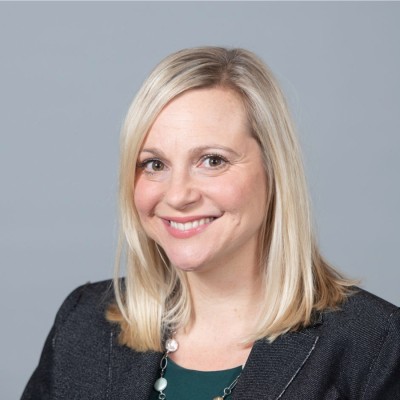
    Our guest is Leah M. Stiegler, aprincipal attorney at Woods Rogers, who comes to the podcast with extensive experience across a broad spectrum of employment law matters. Leah is a trusted advisor to employers, providing guidance on complex personnel issues, performance management challenges, and fostering a positive work culture. Leah earned her J.D. from University of Richmond School of Law, cum laude, Order of the Coif, and her B.A. and B.S. degrees from Virginia Tech, summa cum laude.

    Listen as Leah shares practical solutions for a variety of challenges, like love at work, pregnancy at work, discord at work, harassment at work, and working overtime. She talks about gender identity protections, implicit biases, and microaggressions, plus conducting administrative investigations, and ideas to mitigate risk, stay out of court, and maintain a positive work environment.

    Thanks to Leah for sharing her insights on issues that arise where many of us spend most of our waking hours – at work! Her enthusiasm and passion for this work will be obvious to anyone who listens. I hope you enjoy it as much as I did producing it.

    I hope you enjoy the conversation! If so, give us a rating!

    This podcast is the audio companion to the Journal on Emerging Issues in Litigation. The Journal is a collaborative project between HB Litigation Conferences and the vLex Fastcase legal research family, which includes Full Court Press, Law Street Media, and Docket Alarm.

    If you have comments, ideas, or wish to participate, please drop me a note at Editor@LitigationConferences.com.

    Tom Hagy
    Litigation Enthusiast and
    Host of the Emerging Litigation Podcast
    Home Page
    LinkedIn

    podcast logo face


    Want to appear on the Emerging Litigation Podcast?


    Send us your idea! 

    It’s possible it could make this man smile. But let’s not get ahead of ourselves.

    Leah Stiegler

    Leah StieglerWoodsRogers

    Leah can walk employers through any workplace situation. From complex personnel matters, to implementing client-specific performance management practices, Leah advises employers to navigate these issues to keep them out of court. Her counseling covers the entire employment spectrum: recruitment, onboarding, workplace culture, pay equity audits, RIFs, terminations and severance packages.

    Leah handles workplace investigations and defends actions before administrative agencies such as the EEOC, DOL, and NLRB. Leah has extensive litigation experience, defending employers in state and federal court.

    Leah also represents employers navigating union issues, labor relations arbitrations and collective bargaining. Every workforce loves Leah’s dynamic public speaking style. Having traveled the Mid-Atlantic to train front-line employees, upper management, HR and other industry professionals, Leah creates custom workforce training programs with her team and has fun doing it!

    Leah earned her J.D. from the University of Richmond School of Law, cum laude, Order of the Coif.

  • When Chemical Crises Strike with Ed Gentle and Kip Benson

    When Chemical Crises Strike with Ed Gentle and Kip Benson

    When Chemical Crises Strike with Ed Gentle and Kip Benson

    Concepts: Toxic Events, Toxic Torts, Chemical Disasters, Emergency Response, Legal Activity, Risk Mitigation, Claims Settlement, Chemical Litigation

    Soon after emergency response teams scramble into action to address chemical fires, explosions, or other toxic events, attorneys begin gathering and analyzing information either to mitigate corporate risk or to seek remedies for anyone impacted by such an event.

    Listen to my interview with Edgar C. “Ed” Gentle III and Katherine “Kip” Benson of Gentle, Turner & Benson LLC, about legal activity that goes on in the immediate aftermath of a toxic event, using as a backdrop the recent chemical plant disaster that forced 17,000 Conyers, Georgia, residents to evacuate and many more to  shelter in place as a toxic plume hung stubbornly over the homes of as many as 100,000 residents. Ed and Kip draw on their deep experience resolving this type of litigation — including the settlement of a 20-year-old disaster at the same location — to discuss the flurry of activity that unfolds at law firms and inside legal departments within hours of a disaster. They also share the impact on such cases of a recent $600 million court-approved settlement of claims that followed the highly publicized toxic train derailment that occurred in East Palestine, Ohio, in early 2023.

    This is Ed Gentle’s second appearance on the podcast. He spoke with me on Episode 48 titled Medical Monitoring for Modern Times. He was the featured speaker on that subject for an HB CLE webinar distributed on the West LegalEdcenter, then Kip Benson joined him for an advanced level webinar on the Medical Monitoring Tort Remedy. You can download his article on the subject for free as published in the Journal of Emerging Issues in Litigation.

    I hope you enjoy the conversation! If so, give us a rating!

    This podcast is the audio companion to the Journal on Emerging Issues in Litigation. The Journal is a collaborative project between HB Litigation Conferences and the vLex Fastcase legal research family, which includes Full Court Press, Law Street Media, and Docket Alarm.

    If you have comments, ideas, or wish to participate, please drop me a note at Editor@LitigationConferences.com.

    Tom Hagy
    Litigation Enthusiast and
    Host of the Emerging Litigation Podcast
    Home Page
    LinkedIn

    podcast logo face


    Want to appear on the Emerging Litigation Podcast?


    Send us your idea! 

    It’s possible it could make this man smile. But let’s not get ahead of ourselves.

    Ed Gentle

    Ed GentleGentle Turner & Benson LLC

    A dedicated attorney with more than three decades of experience, Ed Gentle is the founder and managing partner of Gentle, Turner, Sexton & Harbison, LLC, in Birmingham, Alabama. Largely focusing his practice on complex commercial litigation and mass tort/class action litigation, he often works for the courts as a neutral special master and settlement administrator.

    In addition to his legal practice, Ed Gentle regularly gives talks and writes papers about topics related to mass torts. Some of the topics he has addressed include the challenges of administering local settlements and the selection of lead counsel by the courts. He attended the University of Alabama School of Law as a Hugo Black Scholar. He earned his J.D. and was admitted to the Alabama State Bar in 1981. 

    Katherine (“Kip”) A. Benson

    Katherine (“Kip”) A. Benson Gentle Turner & Benson LLC

    Ms. Benson is a Partner at Gentle, Turner, & Benson, LLC and has experience in mass tort/class action settlement administration, probate law, general corporate practice, real estate, and telecommunications law. With over 14 years of mass tort/class action settlement administration, Ms. Benson specializes in Medicare/Medicaid lien resolution, and various other aspects of settlement administration.

    Ms. Benson earned her J.D. from the University of Alabama School of Law in 1998 and was admitted to the Alabama State Bar in 1998. In addition to the Alabama State Bar, Ms. Benson is a member of the Birmingham Bar Association.

  • The EPA’s New PFAS Safe Drinking Water Rule with John Gardella

    The EPA’s New PFAS Safe Drinking Water Rule with John Gardella

    The EPA’s New PFAS Safe Drinking Water Rule with John Gardella

    Concepts: Environmental Law, PFAS, EPA, Environmental Protection Agency, PFAS Litigation, Toxic Torts

    Once again we dive into one of the hottest topics in environmental law right now: PFAS.  Specifically, our guest talks about the EPA’s new PFAS Safe Drinking Water Final Rule, which mandates acceptable levels of PFAS in public water systems.

    This episode is based on a CLE webinar our guest recorded for HB Litigation a couple months back. Since then, if you’ve been following PFAS developments, you know pushback on the rule is coming from several directions, as our guest predicted. Industry groups, chemical manufacturers, and water utilities alike are challenging the rule as, among other things, arbitrary and capricious and exceeding the EPA’s authority. Water utilities are especially concerned about compliance costs.

    On the technical side, there is debate over whether current technology can even reliably detect PFAS at the levels EPA seeks. Also raised are the complexities associated with increased monitoring and lab testing.

    Our guest is John P. Gardella, whose 2024 CLE webinar on the subject explored the PFAS litigation landscape, from multidistrict and class action lawsuits to medical monitoring and greenwashing claims. He talks about federal and state regulations that are driving litigation, and offers an outlook for what may be in store in the next few years.

    A leading voice in PFAS litigation and recognized thought leader, John is a Shareholder at CMBG3 Law, known for his expertise in environmental and toxic tort litigation. A veteran of more than 75 trials, John chairs the firm’s PFAS, Environmental, Risk Management & Consulting, and ESG practice groups.

    This episode comprises audio from John’s excellent webinar. If you are interested in the CLE version of the episode, look for it on the West LegalEdcenter. Go to our page to learn more and to use our partner link.

    I hope you enjoy the conversation! If so, give us a rating!

    This podcast is the audio companion to the Journal on Emerging Issues in Litigation. The Journal is a collaborative project between HB Litigation Conferences and the vLex Fastcase legal research family, which includes Full Court Press, Law Street Media, and Docket Alarm.

    If you have comments, ideas, or wish to participate, please drop me a note at Editor@LitigationConferences.com.

    Tom Hagy
    Litigation Enthusiast and
    Host of the Emerging Litigation Podcast
    Home Page
    LinkedIn

    podcast logo face


    Want to appear on the Emerging Litigation Podcast?


    Send us your idea! 

    It’s possible it could make this man smile. But let’s not get ahead of ourselves.

    John Gardella

    John GardellaCMBG3 Law

    John Gardella is a Shareholder and recognized thought leader on PFAS issues. He is licensed to practice in Massachusetts and Tennessee.

    A seasoned trial attorney with over 75 verdicts, John is the Chair of the firm’s PFAS, Environmental, Risk Management & Consulting, and ESG practice groups. His thought leadership and predictive risk abilities with respect to PFAS earned him the honor of being the only person in the country that was recognized as a thought leader on PFAS in 2020 and 2021 by the esteemed National Law Review.

    John is regularly interviewed by media on the subject of PFAS and other emerging chemicals of concern, and he consistently publishes his own thought leadership in several nationally syndicated resources, including Bloomberg Law, AM Best, and National Law Review. Private equity firms, the financial world, insurance companies, and corporations regularly seek John’s opinions on forward-looking environmental and chemical substances risk issues.

    In his environmental and toxic torts practice, John represents companies ranging in size from small mom-and-pop businesses to Fortune 100 and Fortune 500 companies. Companies seek John’s expertise on matters ranging from compliance planning and audits to litigation of pending cases.

    John earned his J.D. from Vanderbilt University Law School.

  • Defense of Data Breach Class Actions: Key Trends, Rulings, and Settlements

    Defense of Data Breach Class Actions: Key Trends, Rulings, and Settlements

    Defense of Data Breach Class Actions: Key Trends, Rulings, and Settlements

    Obtain a high-level breakdown of the data breach class action landscape through analysis of key trends, rulings, and litigation strategies.

    Data breach class actions have emerged as one of the fastest growing areas in the complex litigation space, forcing companies to navigate evolving cybersecurity risks, negative publicity, and costly litigation as a result. Data breach litigation was particularly notable in 2023, with a record-breaking number of filings and several high-profile cases resulting in substantial settlements. The sheer volume of individuals affected by data breaches has grown significantly, leading to larger classes and subsequently higher settlement demands. Furthermore, the nature of the data being compromised is becoming more sensitive – including financial and health information – which increases the potential damages awarded in these cases.

    Join experienced class action defense litigators Gerald L. Maatman, Jr. and Jennifer A. Riley for a high-level breakdown of the data breach class action landscape through analysis of key trends, rulings, and litigation strategies.

    Learning Objectives

    • Understand the rapid evolution of data breach claims
    • Assess key litigation trends over the past 24 months
    • Analyze significant rulings in data breach class actions
    • Identify major settlements in the data breach class action space
    • Learn best practices to mitigate risk of data breach claims

    Other Class Action Podcasts Worth a Listen:

    Hair Relaxer Injury Litigation with Jennifer Hoekstra

    TAKE IT NOW

    Available now to LegalEdge subscribers. Don’t subscribe? Don’t despair. Use code HB20 for 20% off. Or, HBSub20 for 20% off a full solo subscription. While supplies last.

    Speakers

    Gerald L. Maatman, Jr.

    Gerald L. Maatman, Jr.Partner, Duane Morris LLP

    A widely recognized workplace class action defense litigator, Jerry is a Partner at Duane Morris LLP, where he chairs the firm’s Class Action Defense Group. He is a graduate of Washington & Lee University and the Northwestern University School of Law, where he has served as an adjunct professor for 34 years. The author of eight books on the law, Jerry is a sought-after legal commentator by major news organizations. He works out of the Duane Morris offices in Chicago and New York.

    Jennifer A. Riley

    Jennifer A. RileyPartner, Duane Morris LLP

    A partner in the Duane Morris Chicago office, Jennifer is vice-chair of the firm’s Class Action Defense Group. She regularly defends companies facing class actions, collective actions, pattern or practice lawsuits, and other types of representative proceedings, ranging in size from dozens to tens of thousands of claims. Jennifer also helps employers navigate thorny issues, including investigations, compliance, and terminations. She earned her J.D. from the University of California, Berkeley School of Law, and her B.A. from Vanderbilt University, magna cum laude.

  • Copyrightability of AI Generated Work

    Copyrightability of AI Generated Work

    Copyrightability of AI Generated Work

    Close-up photo of a motherboard with electrical components arranged in the shape of a human face, symbolizing the intersection of technology and human creativity.

    Gain a better understanding of the challenge of determining human authorship in AI-generated works, the guidance and disclosure rules established by the Copyright Office, the importance of addressing copyright ownership and usage rights in AI-related license agreements, and the implications of joint ownership of AI models and output.

    AI-generated works must meet the human authorship requirement to be eligible for copyright protection according to the U.S. Copyright Office, which has refused registration for AI-generated images due to the unpredictability of the output and the lack of sufficient human authorship. Different countries, however, have varying approaches to copyright protection for AI-generated works, which our speakers discuss. Take this course for insights into specific cases that illustrate the challenge of determining human authorship in AI-generated works, guidance and disclosure rules established by the Copyright Office, the importance of addressing copyright ownership and usage rights in AI-related license agreements, recent cases, and the implications of joint ownership of AI models and output.

    Learning Objectives

    Artificial Intelligence (AI). Understand artificial intelligence and its basic concepts. Be able to explain the different types of AI and their applications in creative fields.

    Human Authorship and Copyright Law. Understand the traditional concept of authorship under copyright law, and the challenges in applying copyright law to AI-generated works.

    Copyright Office Guidelines and AI-Generated Works. Understand the current stance of the U.S. Copyright Office on copyright protection for AI-generated works, and the implications of the Copyright Office’s guidelines for creators and AI developers.

    International Perspectives on AI and Copyright. Be able to compare how other countries address copyright issues related to AI-generated works and identify potential challenges and opportunities in a global context.

    Contractual Considerations for AI and Copyright. Understand the importance of addressing copyright ownership and licensing in AI-related agreements and contract clauses designed to protect intellectual property rights in the age of AI.

    TAKE IT NOW – For a limited time, use code HB20 for 20% off the webinar or HBSub20 for 20% off a full solo subscripton

    This webinar is available to subscribers of the West LegalEdcenter. If you don’t subscribe, don’t despair! Use promo code HB20 for 20% off the individual price. 

    Speakers

    Lisa T. Oratz

    Lisa T. OratzSenior Counsel, Perkins Coie LLP

    Lisa’s practice involves product counseling work for clients, with a focus on IP matters, content liability, and privacy and regulatory compliance. Lisa also routinely helps clients with drafting and negotiating complex commercial contracts (including development agreements), collaboration and strategic partnership agreements, master services agreements, and license agreements. She devotes much of her practice to emerging technologies and is known for her innovative work on legal issues involving artificial intelligence (AI). This includes extensive work in generative AI, including product counseling and developing IP protection and risk mitigation strategies. Education: UCLA School of Law, J.D., cum laude, Order of the Coif; University of California, Los Angeles, B.A., magna cum laude.

    D. Sean West

    D. Sean WestAssociate, Perkins Coie LLP

    Sean is a technology, copyright, and interactive entertainment attorney who advises clients on launching their cutting-edge products and services. He counsels his clients on intellectual property, e-commerce, artificial intelligence, consumer protection, and privacy issues. Sean has experience working on matters relating to gaming, digital media, virtual and augmented reality (AR/VR), non-fungible tokens (NFTs), Internet of Things (IoT) products, and other emerging technologies. Additionally, Sean assists clients with structuring, drafting, and negotiating commercial transactions related to IP rights, licensing, services, development, manufacturing, and supply. Prior to law school, Sean managed brand protection programs for several top global brands. Education: Seattle University School of Law, J.D., summa cum laude, Associate Editor, Seattle University Law Review, Seattle University, B.A., Political Science.

  • The Long and Brawny Arm of the Foreign Corrupt Practices Act with Mark Bini and Tom Suddath

    The Long and Brawny Arm of the Foreign Corrupt Practices Act with Mark Bini and Tom Suddath

    The Long and Brawny Arm of the Foreign Corrupt Practices Act with Mark Bini and Tom Suddath

    Concepts: Corruption, FCPA, Corporate Crime, International Business, FEPA, Regulatory Enforcement

    The United Nations and World Economic Forum calculate that the cost of corporate corruption globally is $5 trillion a year, or 5% of the world’s 2022 GDP.

    Corruption can hamper economic growth by discouraging investment, increasing transaction costs, and distorting market competition. It can perpetuate poverty by diverting resources away from essential services and benefiting the wealthy and powerful. It can undermine democratic institutions and erode public trust in governments. It can hinder sustainable development by diverting resources away from essential infrastructure and social services.

    The Foreign Corrupt Practices Act, or the FCPA – the government’s leading weapon in this global war on corporate crime – has far-reaching implications for companies engaged in international business. For those who violate it the consequences can be severe. And with the recent addition of the Foreign Extortion Prevention Act (FEPA), the federal government has even more to work with.

    I had the pleasure of learning more about this fascinating and complex area of the law by speaking with two attorneys with Reed Smith who practice in the firm’s Global Regulatory Enforcement Group.

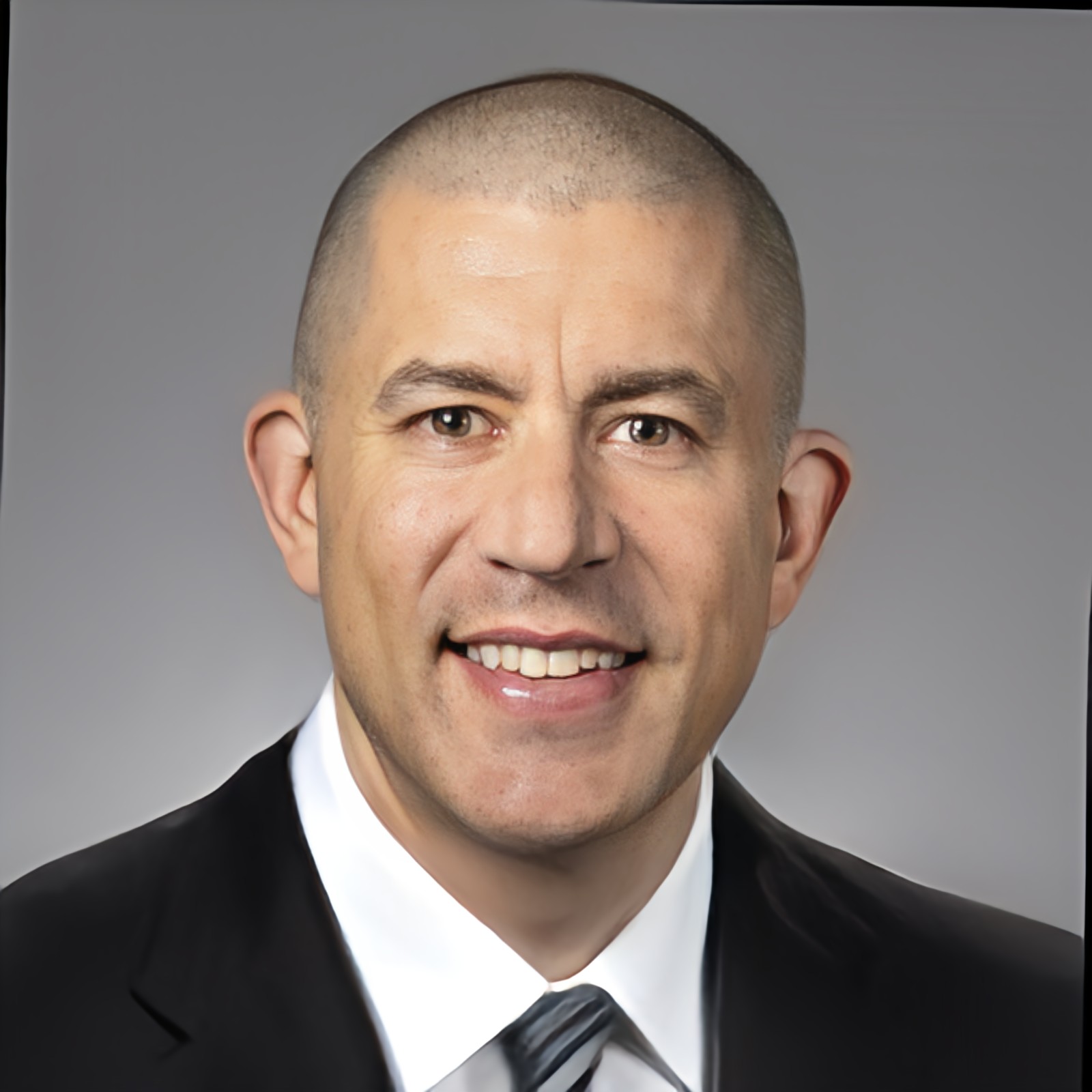
    Mark E. Biniisa former federal and state prosecutor in New York. He has led multiple multi-year cross-border investigations of corporations and individuals and has particular experience in investigations involving potential Foreign Corrupt Practices Act (FCPA) violations. As a prosecutor, he worked closely and in parallel with many domestic and foreign law enforcement agencies and regulators, including the United Kingdom’s Financial Conduct Authority and Brazil’s Ministerio Publico Federal.

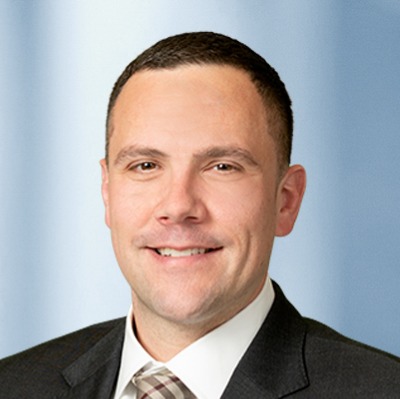
    Thomas H. Suddath, Jr., a former Assistant U.S. Attorney in the Criminal Division of the U.S. Attorney’s Office in Philadelphia, has extensive experience conducting international and domestic internal investigations and frequently counsels companies on compliance and voluntary disclosure issues related to the FCPA. He has handled FCPA and other internal investigations in many countries including Russia, Poland, Turkey, Greece, Hungary, Czech Republic, Mexico and Colombia.

    Thanks to Mark and Tom for sharing their insights based on decades of experience.

    I hope you enjoy the conversation! If so, give us a rating!

    This podcast is the audio companion to the Journal on Emerging Issues in Litigation. The Journal is a collaborative project between HB Litigation Conferences and the vLex Fastcase legal research family, which includes Full Court Press, Law Street Media, and Docket Alarm.

    If you have comments, ideas, or wish to participate, please drop me a note at Editor@LitigationConferences.com.

    Tom Hagy
    Litigation Enthusiast and
    Host of the Emerging Litigation Podcast
    Home Page
    LinkedIn

    podcast logo face


    Want to appear on the Emerging Litigation Podcast?


    Send us your idea! 

    It’s possible it could make this man smile. But let’s not get ahead of ourselves.

    Mark E. Bini

    Mark E. BiniReed Smith LLP

    Mark is a former federal and state prosecutor who represents corporations and individuals in connection with government investigations, internal investigations, criminal and regulatory proceedings and related civil litigation. Mark has tried 25 cases, including some of the Department of Justice’s most complex financial fraud trials in recent years, and led multiple multi-year cross-border investigations of corporations and individuals. Mark has particular experience in investigations involving securities fraud, Foreign Corrupt Practices Act (FCPA) violations, crypto fraud, health care fraud, cyber-crime, bank fraud, money laundering and Bank Secrecy Act (BSA) violations.

    Prior to joining the firm, Mark served in the Department of Justice for nearly 10 years as an Assistant U.S. Attorney in the Eastern District of New York (EDNY) and the Middle District of Florida, where he specialized in investigating and prosecuting financial and corporate crime. Before that, Mark served as an Assistant District Attorney in the Manhattan District Attorney’s Office for five years. Prior to becoming a prosecutor, Mark clerked for a judge in the Southern District of New York, and worked at a major international law firm in New York, handling complex civil litigation and white collar matters.

    Thomas H. Suddath, Jr.

    Thomas H. Suddath, Jr.Reed Smith LLP

    Tom represents companies and individuals, particularly within the healthcare sector, involved in criminal and other government investigations and related civil litigation, including matters under the Foreign Corrupt Practices Act (FCPA), the False Claims Act (FCA), the Sherman Act, the federal Food Drug and Cosmetic Act and the Anti-Kickback statute.

    Beyond the healthcare industry, he represents companies and individuals in domestic and international government investigations involving antitrust, securities fraud, political corruption, tax fraud, environmental violations and economic espionage. He has extensive experience conducting international and domestic internal investigations and frequently counsels companies on compliance and voluntary disclosure issues related to the FCPA and health care compliance. He has handled FCPA and other internal investigations in numerous countries including Russia, Poland, Turkey, Greece, Hungary, Czech Republic, Mexico and Colombia.

  • AI Survival Guide: Best Practices to Mitigate AI Litigation Risk

    AI Survival Guide: Best Practices to Mitigate AI Litigation Risk

    AI Survival Guide: Best Practices to Mitigate AI Litigation Risk

    Digital brain composed of circuitry and computer components set against a blurred technology background, symbolizing the fusion of AI and legal innovation.

    Learn about recent trends in high-stakes litigation involving AI technologies and best practices to consider to mitigate AI litigation risk.  

    Organizations using artificial intelligence-based technologies that perform facial recognition or other facial analysis, website advertising, profiling, automated decision making, educational operations, clinical medicine, generative AI, and more, increasingly face the risk of being targeted by class action lawsuits and government enforcement actions alleging that they improperly obtained, disclosed, and misused personal data of website visitors, employees, customers, students, patients, and others, or that they infringed copyrights, fixed prices, and more.  These disputes often seek millions or billions of dollars against businesses of all sizes.

    This webinar identifies recent trends in such varied but similar AI litigation, draws common threads, and discusses best practices that corporate counsel should consider to mitigate AI litigation risk, including adding or updating arbitration clauses to mitigate the risks of mass arbitration; establishing an AI Committee; collaborating with IT, cybersecurity, and risk/compliance departments and outside advisors to identify and manage AI risks; and updating notices to third parties and vendor agreements.

    Learning Objectives

    Identify Recent Trends in High-Stakes Litigation Involving AI Technologies

    “Biometric” Technology Litigation

    Website Advertising Technology (Adtech) Litigation

    Profiling / Automated Decision Making (ADM) Technology Litigation

    Other AI Litigation – Key Examples (Healthcare Tech & Gen AI)

    Identify State Laws Governing AI

    Identify Best Practices to Mitigate AI Litigation Risk

    Steps to Mitigate the Risk of Mass Arbitration

    Steps to Mitigate the Risk of Legal Noncompliance

    TAKE IT NOW & Check Your State CLE specifications

    This webinar is available to subscribers of the CeriFi LegalEdge (formerly West LegalEdcenter). If you don’t subscribe, don’t despair! Use promo code HB20 for 20% off the individual price. 

    Speakers

    Gerald L. Maatman, Jr.

    Gerald L. Maatman, Jr.Partner, Duane Morris LLP

    Gerald L. Maatman, Jr., chair of Duane Morris’ Workplace Class Action group, has nearly four decades’ experience of practicing law and has defended some of the most significant bet-the-company cases ever filed against corporate America. Mr. Maatman has represented companies, executive teams and boards across the country in class action litigation, ranging in size from thousands to hundreds of thousands of claims by employees.

    Mr. Maatman also writes and lectures extensively on class action and employment litigation topics. He has authored six books on employment law topics and has spoken to employer groups throughout the United States, as well as in Asia, Europe, Canada and Mexico. Mr. Maatman is the author and editor of a widely circulated, highly regarded industry class action report, published yearly since 2003. The report, called by EPLiC Magazine “the bible on class actions that no corporate counsel should do without,” is widely praised for its sharp analysis backed by comprehensive research, helps corporate employers navigate an increasingly volatile class action landscape.

    Mr. Maatman is recognized regularly by legal publications for his excellent work on behalf of clients. He is a 2021 Law360 MVP for Employment Law, which is his sixth such honor from Law360 since 2013. Winners of this accolade have distinguished themselves from their peers by securing impressive successes in high-stakes litigation, complex global matters and record-breaking deals. Overall, Mr. Maatman has received more Law360 MVP awards than any other attorney in the United States.

    Mr. Maatman is a graduate of Northwestern University School of Law (J.D. 1981) and Washington and Lee University (B.A., magna cum laude, 1978). He has served as an adjunct professor of law at Northwestern for more than 30 years.

    Justin Donoho

    Justin DonohoSpecial Counsel, Duane Morris LLP

    Justin Donoho, Special Counsel in Duane Morris’ Workplace Class Action Group, has defended companies faced with high-stakes, complex litigation matters for nearly fifteen years. Mr. Donoho regularly defends class actions alleging cybersecurity incidents, data privacy violations, and other issues involving thousands or millions of claims and seeking millions or billions of dollars. With a deep background in information technology, Mr. Donoho regularly helps his clients navigate IT-related issues.

    He has successfully litigated data privacy and cybersecurity issues under states’ wiretap acts, consumer fraud statutes, and common laws; the Illinois Biometric Information Privacy Act (BIPA); the Electronic Communications Privacy Act (ECPA); the California Consumer Privacy Act (CCPA); the EU’s General Data Protection Regulation (GDPR); and other laws.

    Mr. Donoho leads case teams from complaint to resolution. He has first- and second-chaired trials and mediations. Clients often compliment Mr. Donoho’s legal strategies, courtroom performances, persuasive writings, settlement negotiations, handling of depositions, management of complex discovery, dedication, and responsiveness to their needs.

    Mr. Donoho is a graduate of the University of Chicago Law School (J.D., 2009) and the University of Illinois at Urbana-Champaign (B.S., Computer Engineering, 1999).

  • Legal Innovation: Choosing the Best AI Tools and Strategies for Success

    Legal Innovation: Choosing the Best AI Tools and Strategies for Success

    Legal Innovation: Choosing the Best AI Tools and Strategies for Success

    Digital brain composed of circuitry and computer components set against a blurred technology background, symbolizing the fusion of AI and legal innovation.

    Gain a better understanding of AI and how it can be employed in the legal profession to produce benefits, while simultaneously understanding potential risks and how to mitigate them.

    Artificial Intelligence (AI) AI involves the development of computer algorithms that can perform tasks that would typically require human intelligence, such as visual perception, speech recognition, decision-making, and language translation. The data suggests a significant and widespread use of AI in the legal profession, even in cases where it may not be officially sanctioned or approved. As a result, legal professionals are best served by developing a robust understanding of AI and how it can be employed in the legal profession to produce benefits, while simultaneously understanding potential risks and how to mitigate them. This webinar provides just this understanding.

    Developed and presented by a knowledge management professional and an information governance expert, this webinar is designed for legal professionals who wish to a) better understand artificial intelligence, specifically its benefits and risks in the legal industry; b) develop a comprehensive understanding of an effective AI strategy that can drive their respective organization’s digital transformation; and c) learn how to pick the right AI tools to facilitate this transformation.

    The objectives of this course are to help you understand the basics of artificial intelligence, how it can both positively and negatively impact the legal industry, and the approaches to take to harness its benefits while mitigating the risks associated with its potential drawbacks. Attendees will come away with a clear understanding of how AI can be used to benefit their work, the potential risks to be aware of in deciding to incorporate AI into their practices, and the strategy to take, one focused on the key elements of People, Process, and Product, and the tools to use to implement AI into their businesses most effectively.

    Learning Objectives

    Gain an understanding of artificial intelligence and generative AI. 

    Learn about the categories of work in which AI is being applied in the practice of law, e.g., legal research, document drafting, deposition preparation, and discovery review.  

    Understand the various risks associated with AI, e.g., biased and inaccurate outputs, unauthorized disclosures of private data, and intellectual property infringement.  

    Get an overview of governmental regulation and guidance 

    Develop best practices in establishing AI governance teams and processes with an eye toward complying with regulations and mitigating risk.  

    TAKE IT NOW – For a limited time, use code HB20 for 20% off the webinar or HBSub20 for 20% off a full solo subscripton

    This webinar is available to subscribers of the West LegalEdcenter. If you don’t subscribe, don’t despair! Use promo code HB20 for 20% off the individual price. 

    Speakers

    Elizabeth Salsedo-Surovov

    Elizabeth Salsedo-Surovov
Director of Knowledge Management
Robinson+Cole

    Liz Salsedo is a legal technology veteran. Prior to joining Robinson+Cole as the Director of Knowledge Management and Information Resources, she practiced law and spent 15 years at Thomson Reuters where she helped law firms leverage AI solutions. In addition to a law degree, she has a master’s in Law Firm Management and a Legal Lean Sigma Yellow Belt certification. Liz is on the Connecticut Bar Association AI committee and enjoys talking to anyone who will listen about the potential benefits and risks of AI.

    Jim Merrifield

    Jim MerrifieldRobinson+Cole

    James A. Merrifield oversees Robinson+Cole’s information governance department, which includes compliance, business intake, conflicts, data privacy, and records management. He has an extensive background in policy development and enforcement, enterprise program deployment, and technology solutions. Jim shares his deep understanding of the space via publications, lectures, consulting services, and on his podcast, InfoGov Hot Seat, featuring insights from practitioners, consultants and solution providers on legal technology and information management.