Author: Tom Hagy

  • Artificial Intelligence on Your Trial Team with Adam Massaro on the Emerging Litigation Podcast

    Artificial Intelligence on Your Trial Team with Adam Massaro on the Emerging Litigation Podcast

    Artificial Intelligence on Your Trial Team with Adam Massaro

    Concepts: Intellectual Property; Artificial Intelligence; Trial Strategy

    How is artificial intelligence beginning to shape the work of modern trial teams—and what does its role mean for litigation strategy moving forward?

    According to just about every survey I could find, attorneys are increasingly embracing artificial intelligence tools. Most of these professionals report significant benefits. Some attorneys continue to fumble through without reading the manual. I only hope they do better with lawn mowers and hedge clippers. In this episode, my guest falls in the former camp, finding AI to be an invaluable asset to trial teams. 

    Adam Massaro, an accomplished litigator in intellectual property and high-stakes commercial disputes, explained how artificial intelligence is transforming trial preparation and courtroom strategies. Adam described leveraging AI to enhance expert cross-examination, streamline evidence management, and improve witness preparation. He is particularly optimistic about AI’s predictive capabilities, whether evaluating case prospects before trial or refining overarching litigation approaches. 

    He emphasized that the true potential of AI is realized when it is provided with structured, reliable data and guided by well-crafted prompts that specify the desired outcomes. By adhering to these principles, AI can efficiently summarize complex arguments, identify weaknesses in a case, and support attorneys in refining their strategies ahead of trial. In the area of witness preparation, AI is proving invaluable, enabling attorneys to anticipate challenging questions and help witnesses present more effective testimony. 

    Adam is a partner at Reed Smith in Denver. With more than a decade of experience, he has handled multimillion-dollar cases, securing significant jury verdicts and defense wins at trial. His practice spans trade secrets, copyright, class action, and appellate matters. Adam is also a former appellate law clerk with experience in post-judgment and appellate proceedings. 

    Adam earned his J.D. from the University of Denver Sturm College of Law and holds a B.A. from Pennsylvania State University. Alongside his legal work, he is involved in community service. He is an active member of the Denver Active 2030 Children’s Foundation (2010–present), where he has served as Vice President, Charity Review Committee member, and President. Adam has also contributed as a board member for Elder Justice Colorado and Denver Kids Inc. 

    Thanks to Adam for such a candid conversation. Had I known he is also an archer I would have made a much bigger deal about it. The potential puns and metaphors, well, boggles the mind. At least mine.  

    I hope you enjoy the conversation! If so, give us a rating!

    If you have comments, ideas, or wish to participate, please drop me a note at Editor@LitigationConferences.com.

    Tom Hagy
    Litigation Enthusiast and
    Host of the Emerging Litigation Podcast
    Home Page
    LinkedIn
    podcast logo face


    Want to appear on the Emerging Litigation Podcast?


    Send us your idea! 

    It’s possible it could make this man smile. But let’s not get ahead of ourselves.
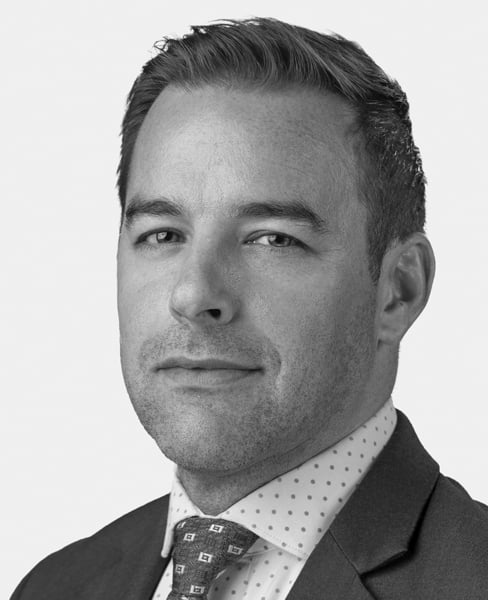
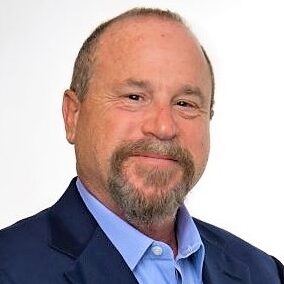
    Adam Massaro

    Adam MassaroReed Smith

    Adam is an experienced intellectual property and corporate litigator with over a decade of success handling multimillion-dollar cases nationwide. He has secured seven-figure jury verdicts, complete defense wins, and serves as national coordinating counsel in complex class actions.

    A former appellate law clerk, Adam manages high-stakes appeals across multiple jurisdictions, including the Tenth and Federal Circuits. He represents cannabis industry clients in state and federal courts, providing strategic counsel on litigation, IP enforcement, and business restructuring. Adam also litigates intellectual property disputes involving software, technology, and trade secrets, achieving favorable outcomes in courts across the country.

  • Ninth Circuit Rejects Religious Accommodation Claim in COVID Testing Case

    Ninth Circuit Rejects Religious Accommodation Claim in COVID Testing Case

    Emerging Litigation Podcast

    Emerging Litigation PodcastProduced by HB Litigation

    Interviews with leading attorneys and other subject matter experts on new twists in the law and how the law is responding to new twists in the world.

    Interested in contributing an article? Email us at Editor@LitigationConferences.com.

    Ninth Circuit Rejects Religious Accommodation Claim in COVID Testing Case 

    This ruling provides helpful clarity for employers—especially in healthcare—who continue to navigate religious accommodation requests post-pandemic.

    –Stefani Schwartz

    In Detwiler v. Mid-Columbia Medical Center, the Ninth Circuit upheld the dismissal of a Title VII religious discrimination claim brought by a healthcare worker who objected to weekly COVID-19 antigen testing despite being granted a vaccination exemption. The court held that the plaintiff failed to plead a bona fide religious belief that conflicted with the testing requirement, and that the employer’s accommodation—masking plus testing—was reasonable. 

    Employment attorney Stafani Schwartz told HB Litigation that this ruling provides helpful clarity for employers—especially in healthcare—who continue to navigate religious accommodation requests post-pandemic. In practice, most litigation in this area turns on what is considered a reasonable accommodation, and how far an employer must go before it becomes an undue burden. 

    Stefani noted that the Ninth Circuit reinforced several key points for employers:
    • A religious objection must be tied to an identifiable and sincerely held religious belief—not personal or philosophical opposition.
    • Reasonable accommodations grounded in safety, such as testing or masking, are likely to be upheld when implemented consistently.
    • Employers are not required to offer an employee’s preferred accommodation if a reasonable alternative already exists. 

    Stefani emphasized that for defense counsel, the case highlights the continuing importance of:
    • Maintaining clear, consistent policies
    • Documenting an interactive accommodation process
    • Ensuring all decisions are tied to legitimate business and safety needs 

    Taken together, the ruling strengthens employers’ ability to defend against religious discrimination claims where a good-faith, reasonable accommodation has already been provided.
     

  • California AI Hiring Law Takes Effect, Mandating Bias Audits

    California AI Hiring Law Takes Effect, Mandating Bias Audits

    Emerging Litigation Podcast

    Emerging Litigation PodcastProduced by HB Litigation

    Interviews with leading attorneys and other subject matter experts on new twists in the law and how the law is responding to new twists in the world.

    Interested in contributing an article? Email us at Editor@LitigationConferences.com.

    California AI Hiring Law Takes Effect, Mandating Bias Audits 

    These regulations introduce a new category of potential liability. Employers can no longer focus solely on their own conduct in the hiring process—they must now account for the behavior and impact of the automated tools they rely on.

    –Stefani Schwartz

    Effective October 1, 2025, California employers using automated decision systems (ADS) in hiring must conduct bias audits under new regulations issued by the Department of Industrial Relations. The law prohibits discriminatory use of AI tools in employment decisions and requires transparency in algorithmic processes. Employers must document compliance and may face penalties for violations under the Fair Employment and Housing Act (FEHA). The regulation is part of California’s broader effort to address algorithmic bias and protect workers’ rights in the digital hiring landscape. 

    Offering a labor and employment defense perspective, employment attorney Stefani Schwartz told HB Litigation News that these regulations introduce a new category of potential liability. Employers can no longer focus solely on their own conduct in the hiring process—they must now account for the behavior and impact of the automated tools they rely on. 

    Stefani noted that the law also reaches beyond what most people would consider “AI.” ADS is defined broadly enough to include résumé screeners, candidate-ranking software, and even algorithmic tools within platforms like LinkedIn or Indeed. These tools do not need to be abandoned, but employers must rethink how they are deployed and disclosed. 

    Key steps Stefani says employers should consider now:
    • Maintain transparency – Inform applicants when ADS is used and how it influences hiring decisions.
    • Screen for bias – Regularly audit tools for disparate impact and adjust criteria to remain skills-focused and compliant.
    • Retain human oversight – Use technology as a tool, not a substitute for judgment. Ensure real people review final hiring decisions. 

    As California moves into a new era of AI oversight, employers who proactively reassess their hiring systems and document compliance will be best positioned to avoid discrimination claims and demonstrate good-faith fairness in hiring. 

  • Montana Court Awards $2.9 Million in Fees to Youth Climate Plaintiffs After Landmark Constitutional Win

    Montana Court Awards $2.9 Million in Fees to Youth Climate Plaintiffs After Landmark Constitutional Win

    Emerging Litigation Podcast

    Emerging Litigation PodcastProduced by HB Litigation

    Interviews with leading attorneys and other subject matter experts on new twists in the law and how the law is responding to new twists in the world.

    Interested in contributing an article? Email us at Editor@LitigationConferences.com.

     Montana Court Awards $2.9 Million in Fees to Youth Climate Plaintiffs After Landmark Constitutional Win

    The constitutional provisions are directly impacted by anthropogenic climate change, and climate change harms the Youth Plaintiffs by harming their physical and psychological health and safety, interfering with family and cultural foundations and integrity, and causing economic deprivations.

    –Montana Supreme Court in Held v. State 

    A Montana District Court recently awarded $2.86 million in attorney fees and $98.7 million in costs to the youth plaintiffs who prevailed in their constitutional climate change case against the State of Montana and other state defendants.  

    In making this award under the Private Attorney General Doctrine (PAGD), the court emphasized the “exceptional strength and societal importance of the public policies vindicated by this litigation,” noting the substantial harms affecting Montana’s children and the natural environment. The number of beneficiaries was found to include all those protected by rights guaranteed in the Montana Constitution. 

    The court further found that equity supported the fee award under the Uniform Declaratory Judgment Act (UDJA), highlighting the disparity between the resources available to the youth plaintiffs—who “suffer the direct impacts of climate change and have limited means to seek redress”—and those of the state defendants, who possess “significantly greater governmental capacity to protect Montana’s natural resources.” 

    This decision follows the Montana Supreme Court’s December 2024 affirmation of the District Court’s ruling which recognized the Montana Constitution’s protection of the right to a stable climate system. The case was brought by 16 youth plaintiffs who challenged a provision of the Montana Environmental Policy Act (MEPA) that barred consideration of greenhouse gas emissions in environmental reviews.  

    The Supreme Court held that the youth plaintiffs had standing to assert their right to a clean and healthful environment and found the MEPA limitation violated that right. The opinion underscored the right’s “forward-looking and preventative” nature, its application to pollutants not fully understood at the time of the 1972 Constitutional Convention, and required that statutes implicating the right undergo strict scrutiny (Held v. State, 2024 MT 312, 419 Mont. 403, 560 P.3d 1235).

    The District Court remarked on the need for private enforcement, stating, “The need for private enforcement of the constitutional provisions asserted by Plaintiffs is established by all of the circumstances, including the scientific facts established at trial.” The court explained the broad reach of its ruling. “The number of people standing to benefit from this Court’s decision in this case is the number of persons who benefit from the rights in Montana’s Constitution.” 

    These findings underscore the significance of the Held v. State case as a major recognition of climate-related constitutional protections at the state level and highlight the vital role of private enforcement in safeguarding environmental rights for future generations. 

  • Unraveling “Reverse Discrimination” with Employment Attorney Leah Stiegler on the Emerging Litigation Podcast

    Unraveling “Reverse Discrimination” with Employment Attorney Leah Stiegler on the Emerging Litigation Podcast

    Unraveling “Reverse Discrimination” with Leah Stiegler

    Concepts: Discrimination ; Employment Law

    What happens when the traditional understanding of workplace discrimination is turned on its head? Will the Supreme Court’s unanimous ruling in Ames v. Ohio Department of Youth Services change how discrimination cases are evaluated when brought by members of majority groups?

    Attorney Leah Stiegler of Woods Rogers joins us to examine this decision that rejected the “background circumstances rule” — a standard that previously imposed a heightened evidentiary burden on white, heterosexual, or male plaintiffs claiming discrimination. As Leah explains, “There’s no such thing as reverse discrimination. It’s just discrimination.” This simple yet insightful statement captures the essence of the Court’s reasoning that Title VII protections apply equally to all employees, regardless of their demographic status.

    Leah shares results from mock trials conducted with identical facts in different Virginia jurisdictions. A conservative Lynchburg jury awarded a white male plaintiff $600,000, while a more liberal Richmond jury found no discrimination whatsoever with the exact same evidence. This highlights how geography and community values dramatically influence discrimination case outcomes, sometimes more than the legal standards themselves.

    We also explore the McDonnell Douglas burden-shifting framework that remains the analytical backbone of discrimination cases, the emerging concept of intersectional discrimination, and recent executive orders concerning religious expression in the workplace. Throughout our discussion, Leah offers practical insights for employers navigating these evolving issues, emphasizing that while the political discourse around DEI initiatives may be contentious, the fundamental prohibition against discrimination remains unchanged.

    Whether you’re an employer developing workplace policies, an HR professional conducting training, or an employee trying to understand your rights, this episode provides essential context for understanding how discrimination law is evolving in unexpected ways. Subscribe to the Emerging Litigation Podcast for more in-depth analysis of the legal issues shaping our workplaces and society.

    This is Leah’s second appearance on the podcast and I appreciate it!

    I hope you enjoy the conversation! If so, give us a rating!

    If you have comments, ideas, or wish to participate, please drop me a note at Editor@LitigationConferences.com.

    Tom Hagy
    Litigation Enthusiast and
    Host of the Emerging Litigation Podcast
    Home Page
    LinkedIn

    podcast logo face


    Want to appear on the Emerging Litigation Podcast?


    Send us your idea! 

    It’s possible it could make this man smile. But let’s not get ahead of ourselves.

    Leah Stiegler

    Leah StieglerWoodsRogers

    Leah can walk employers through any workplace situation. From complex personnel matters, to implementing client-specific performance management practices, Leah advises employers to navigate these issues to keep them out of court. Her counseling covers the entire employment spectrum: recruitment, onboarding, workplace culture, pay equity audits, RIFs, terminations and severance packages.

    Leah handles workplace investigations and defends actions before administrative agencies such as the EEOC, DOL, and NLRB. Leah has extensive litigation experience, defending employers in state and federal court.

    Leah also represents employers navigating union issues, labor relations arbitrations and collective bargaining. Every workforce loves Leah’s dynamic public speaking style. Having traveled the Mid-Atlantic to train front-line employees, upper management, HR and other industry professionals, Leah creates custom workforce training programs with her team and has fun doing it!

    Leah earned her J.D. from the University of Richmond School of Law, cum laude, Order of the Coif.

  • Authentic Business Development for Litigators: Stop Chasing Cases and Start Building Clients with John Reed on the Emerging Litigation Podcast

    Authentic Business Development for Litigators: Stop Chasing Cases and Start Building Clients with John Reed on the Emerging Litigation Podcast

    Authentic Business Development for Litigators: Stop Chasing Cases and Start Building Clients with John Reed

    Concepts: Law Practice Management

    Waiting for lawsuits to present themselves is the worst growth strategy a litigator can have.

    In this episode, I get to speak with John Reed, founder and chief relationship builder at Rain BDM and host of Sticky Lawyers, to rethink business development from the ground up. His most popular episodes was about Bob Mionske, an Olympic road racing cyclist turned “bicycle lawyer.” Give it a listen.  

    With a background spanning law, marketing, and sales, John helps attorneys translate the language of business development into practical strategies that work even within law firm cultures. Can you imagine? Known for blending creativity, emotional intelligence, and big-picture thinking, he brings a unique perspective on how lawyers can stand out authentically and effectively in a crowded market.

    John shares how traditional litigator traits—decisive, fast, commanding—can win in court but backfire with clients who value collaboration and reflection. He outlines a practical model for defining your professional brand through role, skill, context, and style—and explains why style may be your strongest differentiator.

    We also dig into how introverted lawyers can grow client relationships through substance, not small talk, and how remote mentoring can actually strengthen early-career development with the right habits and feedback.

    Whether you’re an associate building visibility or a partner looking to expand trusted relationships, this conversation will help you make your practice more resilient, referral-ready, and strategically aligned with how clients actually buy legal services.

    Thanks to Johnfor sharing his insight, humor, and practical wisdom on how to turn authentic connection into lasting business growth.

    As always, if you have comments or wish to participate in one our projects please drop me a note at Editor@LitigationConferences.com.

    Tom Hagy
    Litigation Enthusiast and
    Host of the Emerging Litigation Podcast
    Home Page
    LinkedIn

    John Reed

    John ReedFounder and Chief Relationship Officer, Rain BDM

    John Reed is the founder and Chief Relationship Builder at Rain BDM, where he helps law firms and lawyers stand out through authentic business development strategies. With a unique background spanning law, marketing, and sales, John bridges the gap between legal expertise and client connection—translating the language of marketing and human behavior for attorneys, and the language of law for their audiences. A frequent speaker and writer on legal marketing and client development, he also hosts the Sticky Lawyers podcast. John earned his J.D., cum laude, from Michigan State University College of Law.

    podcast logo face


    Want to appear on the Emerging Litigation Podcast?


    Send us your idea! 

    It might even make this man smile. “But I am smiling here.”

    No. No he’s not.

  • New and Improved Antitrust Whistleblowing Incentives with Julie Bracker and Dan Mogin on the Emerging Litigation Podcast

    New and Improved Antitrust Whistleblowing Incentives with Julie Bracker and Dan Mogin on the Emerging Litigation Podcast

    New and Improved Antitrust Whistleblowing Incentives with Julie Bracker and Dan Mogin

    Concepts: Antitrust;Whistleblowers

    What if business insiders could accelerate antitrust enforcement as they have done with other corporate misconduct, like fraud? That’s exactly what the Department of Justice is hoping for.

    In this special episode* of the Emerging Litigation Podcast, I’m joined by Julie Keeton Bracker of Bracker & Marcus and Dan Mogin of Mogin Law to dig into a new program designed to motivate antitrust whistleblowers.

    They trace the roots of qui tam cases—laws that let private citizens, called relators, bring suits on behalf of the government—and why they remain one of the most powerful tools for uncovering corporate fraud and misconduct. Julie explains historical and modern False Claims Act litigation, and Dan walks us through the machinations of private and public enforcement of antitrust laws, the Sherman Act being the big dog in this fight. Together they describe the Department of Justice’s aspirations to bring individuals into the antitrust enforcement game.

    Along the way, Julie and Dan share lessons from their practices and insights on where whistleblower and antitrust enforcement may be headed next.

    If you’ve ever wondered how whistleblowers drive billion-dollar recoveries, or what the rise of antitrust whistleblowing means for businesses and enforcers alike, this episode is worth a listen.

    Thanks to Julie and Dan for sharing their insights based on decades of practice in two challenging and important areas of law.

    P.S. You can also watch this podcast and slide presentation on the HB Litigation News YouTube Channel.

    *We produced this simultaneously as a CLE webinar, because we’re just that clever. Look for it on the CeriFi LegalEdge CLE platform.

    As always, if you have comments or wish to participate in one our projects please drop me a note at Editor@LitigationConferences.com.

    Tom Hagy
    Litigation Enthusiast and
    Host of the Emerging Litigation Podcast
    Home Page
    LinkedIn

    Julie Keeton Bracker

    Julie Keeton BrackerPartner

    Julie Keeton Bracker is a nationally recognized False Claims Act attorney with nearly two decades of experience representing whistleblowers and exposing fraud against the government. A former defense lawyer turned relator’s advocate, she co-founded Bracker & Marcus LLC, a firm dedicated to “doing well by doing good,” recovering tens of millions for taxpayers and protecting clients who speak up for integrity.

    Julie has become a leading voice at the intersection of the False Claims Act and cybersecurity, frequently speaking at national conferences and contributing thought leadership on cyberfraud enforcement. Her professional accolades include recognition by Best Lawyers in America, Super Lawyers, and Martindale-Hubbell AV Preeminent ratings. Based near Atlanta, she also serves on the Vanderbilt Law School Advisory Board and remains active in mentoring and advocacy within the employment and whistleblower bar.

    Dan Mogin

    Dan MoginManaging Partner

    Dan Mogin is a nationally respected antitrust and complex litigation attorney with decades of experience leading and shaping major competition cases across the United States. The founder and managing partner of The Mogin Law Firm, P.C., he has served as lead and liaison counsel in numerous high-profile antitrust and unfair competition class actions, including large-scale multidistrict and coordinated proceedings.

    A former Chair of the Antitrust and Unfair Competition Law Section of the California State Bar, Dan has also taught antitrust law as an adjunct professor at the University of San Diego for ten years and contributed extensively to leading legal publications, including serving as Editor-in-Chief of California Antitrust & Unfair Competition Law (Third). Recognized as a Best Lawyer in America, Super Lawyer, and Lawyer of the Year for Antitrust Litigation, his work has earned honors from the California Assembly, Mothers Against Drunk Driving, and the Sierra Club. Dan continues to serve as a trusted voice and advocate in advancing fair competition and consumer justice nationwide.

    podcast logo face


    Want to appear on the Emerging Litigation Podcast?


    Send us your idea! 

    It might even make this man smile. “But I am smiling here.”

    No. No he’s not.

  • New and Improved Antitrust Whistleblowing Incentives with Julie Bracker and Dan Mogin on the Emerging Litigation Podcast

    New and Improved Antitrust Whistleblowing Incentives with Julie Bracker and Dan Mogin on the Emerging Litigation Podcast

    New and Improved Antitrust Whistleblowing Incentives with Julie Bracker and Dan Mogin

    Concepts: Antitrust;Whistleblowers

    What if business insiders could accelerate antitrust enforcement as they have done with other corporate misconduct, like fraud? That’s exactly what the Department of Justice is hoping for.

    In this special episode* of the Emerging Litigation Podcast, I’m joined by Julie Keeton Bracker of Bracker & Marcus and Dan Mogin of Mogin Law to dig into a new program designed to motivate antitrust whistleblowers.

    They trace the roots of qui tam cases—laws that let private citizens, called relators, bring suits on behalf of the government—and why they remain one of the most powerful tools for uncovering corporate fraud and misconduct. Julie explains historical and modern False Claims Act litigation, and Dan walks us through the machinations of private and public enforcement of antitrust laws, the Sherman Act being the big dog in this fight. Together they describe the Department of Justice’s aspirations to bring individuals into the antitrust enforcement game.

    Along the way, Julie and Dan share lessons from their practices and insights on where whistleblower and antitrust enforcement may be headed next.

    If you’ve ever wondered how whistleblowers drive billion-dollar recoveries, or what the rise of antitrust whistleblowing means for businesses and enforcers alike, this episode is worth a listen.

    Thanks to Julie and Dan for sharing their insights based on decades of practice in two challenging and important areas of law.

    P.S. You can also watch this podcast and slide presentation on the HB Litigation News YouTube Channel.

    *We produced this simultaneously as a CLE webinar, because we’re just that clever. Look for it on the CeriFi LegalEdge CLE platform.

    As always, if you have comments or wish to participate in one our projects please drop me a note at Editor@LitigationConferences.com.

    Tom Hagy
    Litigation Enthusiast and
    Host of the Emerging Litigation Podcast
    Home Page
    LinkedIn

    Julie Keeton Bracker

    Julie Keeton BrackerPartner

    Julie Keeton Bracker is a nationally recognized False Claims Act attorney with nearly two decades of experience representing whistleblowers and exposing fraud against the government. A former defense lawyer turned relator’s advocate, she co-founded Bracker & Marcus LLC, a firm dedicated to “doing well by doing good,” recovering tens of millions for taxpayers and protecting clients who speak up for integrity.

    Julie has become a leading voice at the intersection of the False Claims Act and cybersecurity, frequently speaking at national conferences and contributing thought leadership on cyberfraud enforcement. Her professional accolades include recognition by Best Lawyers in America, Super Lawyers, and Martindale-Hubbell AV Preeminent ratings. Based near Atlanta, she also serves on the Vanderbilt Law School Advisory Board and remains active in mentoring and advocacy within the employment and whistleblower bar.

    Dan Mogin

    Dan MoginManaging Partner

    Dan Mogin is a nationally respected antitrust and complex litigation attorney with decades of experience leading and shaping major competition cases across the United States. The founder and managing partner of The Mogin Law Firm, P.C., he has served as lead and liaison counsel in numerous high-profile antitrust and unfair competition class actions, including large-scale multidistrict and coordinated proceedings.

    A former Chair of the Antitrust and Unfair Competition Law Section of the California State Bar, Dan has also taught antitrust law as an adjunct professor at the University of San Diego for ten years and contributed extensively to leading legal publications, including serving as Editor-in-Chief of California Antitrust & Unfair Competition Law (Third). Recognized as a Best Lawyer in America, Super Lawyer, and Lawyer of the Year for Antitrust Litigation, his work has earned honors from the California Assembly, Mothers Against Drunk Driving, and the Sierra Club. Dan continues to serve as a trusted voice and advocate in advancing fair competition and consumer justice nationwide.

    podcast logo face


    Want to appear on the Emerging Litigation Podcast?


    Send us your idea! 

    It might even make this man smile. “But I am smiling here.”

    No. No he’s not.

  • Resolving Business Disputes Without Burning Bridges Featuring Judge Alan Fine on the Emerging Litigation Podcast

    Resolving Business Disputes Without Burning Bridges Featuring Judge Alan Fine on the Emerging Litigation Podcast

    Resolving Business Disputes Without Burning Bridges Featuring Judge Alan Fine

    Concepts: Dispute Resolution

    When it comes to business disputes — despite the urge by some litigants to want to defeat the other side (even destroy them) — the relationship between parties can be more valuable and lucrative than “winning” the conflict. 

    Drawing on his decade on Florida’s 11th Circuit bench and nearly 30 years in commercial litigation, Judge Alan Fine (ret.) of Private Resolutions offers a refreshing perspective on resolving disputes strategically and wisely, rather than destructively and emotionally.

    The distinction between dispute resolution mechanisms forms the backbone of our discussion. Judge Fine discusses options available to businesses in conflict, from traditional litigation to mediation, arbitration, and the increasingly popular “private judging” programs now available in at least 30 states. He calls that last option “concierge justice.” It is where parties select their own judge, secure expedited hearings, and avoid the unpredictability and inefficiency of overcrowded court calendars.

    He outlines key differences between these approaches, particularly in confidentiality, efficiency, and the appeals process. Judge Fine stresses that the choice should align with the parties’ objectives—especially if preserving the business relationship is a priority.

    Judge Fine shared a real-world example of two business partners who faced a multimillion-dollar disagreement but recognized their partnership’s value meant more than who won in court. By choosing a streamlined arbitration process, they resolved their conflict in just eight hours spread over two days, received a prompt ruling, and continued their successful business relationship without missing a beat.

    Listen now to discover how strategic conflict resolution can protect your most valuable business partnerships while still addressing legitimate disagreements effectively.

    As always, if you have comments or wish to participate in one our projects please drop me a note at Editor@LitigationConferences.com.

    Tom Hagy
    Litigation Enthusiast and
    Host of the Emerging Litigation Podcast
    Home Page
    LinkedIn

    Judge Alan S. Fine (ret.)

    Judge Alan S. Fine (ret.)Founder, Private Resolutions Inc., Arbitration and Private Judging

    Mr. Fine served as Florida Circuit Judge in the Eleventh Judicial Circuit from 2013 until 2023 in the Juvenile Division, the Criminal Division, the Civil Division and the Complex Business Litigation Division. Before joining the bench, Mr. Fine was in private practice in Miami-Dade County for twenty-nine years specializing in domestic and international commercial litigation and arbitration. Prior to starting in private practice in 1984, Mr. Fine served as Law Clerk to Sidney Aronovitz, United States District Judge. He received his J.D. degree from the University of Florida, Frederic Levin College of Law.

    podcast logo face


    Want to appear on the Emerging Litigation Podcast?


    Send us your idea! 

    It might even make this man smile. “But I am smiling here.”

    No. No he’s not.

  • Insurance Coverage Litigation’s Modern Mayhem with Jeremy Moseley on the Emerging Litigation Podcast

    Insurance Coverage Litigation’s Modern Mayhem with Jeremy Moseley on the Emerging Litigation Podcast

    Insurance Coverage Litigation’s Modern Mayhem with Jeremy Moseley

    Concepts: Insurance ; Litigation

    Insurance. It’s something we all pay for and hope we never need. But behind the scenes, it’s a world of evolving risks, high-stakes litigation, and technology that’s changing faster than the laws that govern it.

    In this episode of the Emerging Litigation Podcast, I interview Jeremy Moseley, partner at Spencer Fane in Denver, Colorado. Jeremy defends mass and class actions involving insurance regulations, healthcare, consumer products, and more. He’s seen firsthand how automation, AI, and climate change are presenting new risks — and he’s here to share what’s coming next.

    We talk about how technology that makes claims handling faster and easier is now fueling lawsuits. How customized policies, while great for consumers, can leave dangerous gaps. And how juries today are awarding damages that would’ve seemed outrageous just a few years ago.

    Jeremy explains “social inflation” and the rise of thermonuclear verdicts—why $20 million doesn’t sound like much anymore, and how insurers can push back with reality-based defense strategies. He also dives into climate change, shifting storm patterns, and how unprepared infrastructure are creating new underwriting challenges.

    And yes, we talk about Dr. Evil, and Ecclesiastes, and my horse Jefferson from a dude ranch vacation in Colorado.

    This episode is a warning, a guide, and a conversation about the future of insurance litigation. Jeremy’s insights are sharp, timely, and grounded in real-world experience. If you work in insurance, law, or just want to understand how emerging risks are reshaping the world around us, this one’s for you.

    Thanks to Jeremy Moseley for joining us.

    As always, if you have comments or wish to participate in one our projects please drop me a note at Editor@LitigationConferences.com.

    Tom Hagy
    Litigation Enthusiast and
    Host of the Emerging Litigation Podcast
    Home Page
    LinkedIn

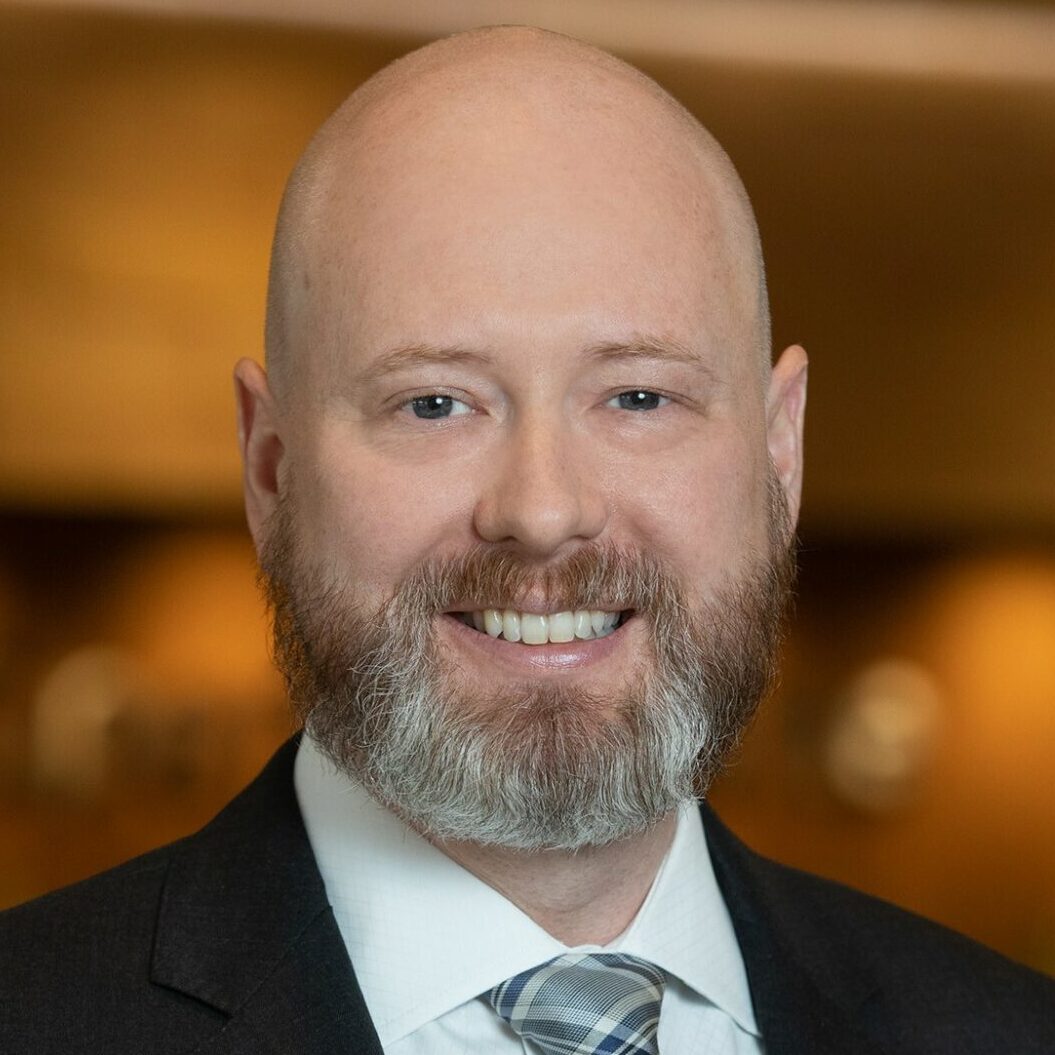
    Jeremy Moseley

    Jeremy MoseleyPartner

    Jeremy Moseley defends mass actions and class action in venues throughout the country, using his breadth of experience in highly regulated industries to instill confidence for clients facing difficult and uncertain circumstances. He has also won multiple complex commercial trials, defeated class certification in multiple states, and defended multiple mass torts nationwide. His knowledge of insurance regulations, pharmaceuticals and medical devices, professional services, and consumer products have led to successes in matters involving insurance, health care, telecommunications, and oil and gas.

    podcast logo face


    Want to appear on the Emerging Litigation Podcast?


    Send us your idea! 

    It might even make this man smile. “But I am smiling here.”

    No. No he’s not.