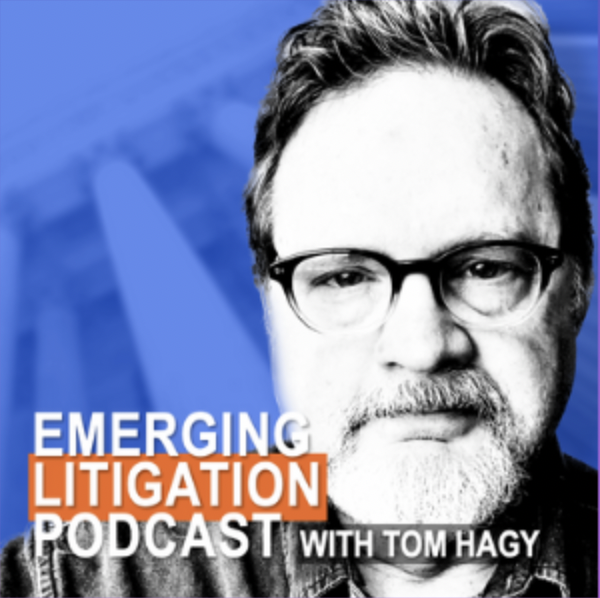
Author: Tom Hagy

  • Insurance Coverage Litigation’s Modern Mayhem with Jeremy Moseley on the Emerging Litigation Podcast

    Insurance Coverage Litigation’s Modern Mayhem with Jeremy Moseley on the Emerging Litigation Podcast

    Insurance Coverage Litigation’s Modern Mayhem with Jeremy Moseley

    Concepts: Insurance ; Litigation

    Insurance. It’s something we all pay for and hope we never need. But behind the scenes, it’s a world of evolving risks, high-stakes litigation, and technology that’s changing faster than the laws that govern it.

    In this episode of the Emerging Litigation Podcast, I interview Jeremy Moseley, partner at Spencer Fane in Denver, Colorado. Jeremy defends mass and class actions involving insurance regulations, healthcare, consumer products, and more. He’s seen firsthand how automation, AI, and climate change are presenting new risks — and he’s here to share what’s coming next.

    We talk about how technology that makes claims handling faster and easier is now fueling lawsuits. How customized policies, while great for consumers, can leave dangerous gaps. And how juries today are awarding damages that would’ve seemed outrageous just a few years ago.

    Jeremy explains “social inflation” and the rise of thermonuclear verdicts—why $20 million doesn’t sound like much anymore, and how insurers can push back with reality-based defense strategies. He also dives into climate change, shifting storm patterns, and how unprepared infrastructure are creating new underwriting challenges.

    And yes, we talk about Dr. Evil, and Ecclesiastes, and my horse Jefferson from a dude ranch vacation in Colorado.

    This episode is a warning, a guide, and a conversation about the future of insurance litigation. Jeremy’s insights are sharp, timely, and grounded in real-world experience. If you work in insurance, law, or just want to understand how emerging risks are reshaping the world around us, this one’s for you.

    Thanks to Jeremy Moseley for joining us.

    As always, if you have comments or wish to participate in one our projects please drop me a note at Editor@LitigationConferences.com.

    Tom Hagy
    Litigation Enthusiast and
    Host of the Emerging Litigation Podcast
    Home Page
    LinkedIn

    Jeremy Moseley

    Jeremy MoseleyPartner

    Jeremy Moseley defends mass actions and class action in venues throughout the country, using his breadth of experience in highly regulated industries to instill confidence for clients facing difficult and uncertain circumstances. He has also won multiple complex commercial trials, defeated class certification in multiple states, and defended multiple mass torts nationwide. His knowledge of insurance regulations, pharmaceuticals and medical devices, professional services, and consumer products have led to successes in matters involving insurance, health care, telecommunications, and oil and gas.

    podcast logo face


    Want to appear on the Emerging Litigation Podcast?


    Send us your idea! 

    It might even make this man smile. “But I am smiling here.”

    No. No he’s not.

  • Federal Courts Issue Contrasting Rulings on AI Training and Copyrighted Books Fair Use

    Federal Courts Issue Contrasting Rulings on AI Training and Copyrighted Books Fair Use

    Emerging Litigation Podcast

    Emerging Litigation PodcastProduced by HB Litigation

    Interviews with leading attorneys and other subject matter experts on new twists in the law and how the law is responding to new twists in the world.

    Interested in contributing an article? Email us at Editor@LitigationConferences.com.

    Federal Courts Issue Contrasting Rulings on AI Training and Copyright Fair Use 

    By Tom Hagy*

    The intersection of artificial intelligence and copyright law is rapidly evolving. In recent weeks, courts in the Northern District of California issued contrasting rulings on whether training AI models on copyrighted works constitutes “fair use”—a question with enormous implications for technology companies, publishers, and creators. 

    Bartz v. Anthropic: Fair Use for Training, Not for Pirated Copies 

    In Bartz v. Anthropic, the court held that using lawfully purchased books to train generative AI models qualifies as “exceedingly transformative” and is protected by fair use. However, the court drew a line at pirated copies, finding that training on unauthorized works constitutes direct infringement. 

    Key Points: 

    • Transformative Use: Training AI models on purchased books is considered transformative, as it does not substitute for the original work and serves a new purpose. 
    • Pirated Works: Use of pirated books for training is not protected; direct infringement occurs at the ingestion stage. 
    • Implications: The ruling clarifies that the source and licensing of training data matter for fair use analysis. 

    Kadrey v. Meta: Meta’s Use of Pirated Books Transformative 

    In Kadrey v. Meta, the court found that Meta’s use of pirated books to train its Llama AI models was “highly transformative” and did not constitute direct infringement. The decision is controversial and likely to be appealed, as it diverges from the Bartz ruling. 

    Key Points: 

    • Transformative Purpose: The court emphasized the new and different use of the works in AI training, distinguishing it from traditional copying. 
    • No Direct Infringement: Despite the use of pirated books, the court found no direct infringement at the ingestion stage. 
    • Legal Uncertainty: The decision highlights the lack of consensus among federal courts and signals further litigation ahead. 

    Why These Rulings Matter 

    • AI Industry Impact: These decisions affect how companies like Meta, Anthropic, and OpenAI source and use training data for large language models. 
    • Copyright Holders: Authors, publishers, and rights holders face uncertainty about how their works may be used by AI developers. 
    • Litigation Trends: More than 50 AI copyright lawsuits are pending, and courts are increasingly scrutinizing the ingestion and use of copyrighted works in AI training. 
    • Fair Use Doctrine: The rulings underscore the evolving nature of fair use in the context of transformative technologies. 

    For those interested in exploring the practical implications of these decisions, the Emerging Litigation Podcast episode “Artificial Intelligence Meets Copyright Law” with Ryan Phelan and Tiffany Gehrke provides an excellent discussion. The episode highlights how courts are analyzing AI training as a “transformative use,” distinguishes between legally obtained and pirated training data, and explores how AI outputs could affect fair use outcomes. Phelan and Gehrke offer insights into the balance between AI innovation and protecting copyright holders, emphasizing the importance of compensating creators when their works are central to high-value AI models.

    Key Takeaways  

    Companies will want to ensure that their AI models are trained on lawfully acquired works to minimize legal risk. As for these cases, appeals are almost certain. Of course, attorneys, companies, and developers will want to monitor these and other decisions in this exploding area. They are certain to impact how companies use AI, the liability they will face, and how creators can protect their original works.  


    *Tom Hagy has produced content for litigators in a variety of formats — news reporting services, conferences, webinars, podcasts, papers, and online research services — for more than 40 years. Wow. That’s longer than is probably healthy. He is founder of HB Litigation™, which is now a brand owned by Critical Legal Content LLC, provider of legal content for clients, which he founded in 2012. Tom can be reached at editor@litigationconferences.com. 

  • Federal Courts Issue Contrasting Rulings on AI Training and Copyrighted Books Fair Use

    Federal Courts Issue Contrasting Rulings on AI Training and Copyrighted Books Fair Use

    Emerging Litigation Podcast

    Emerging Litigation PodcastProduced by HB Litigation

    Interviews with leading attorneys and other subject matter experts on new twists in the law and how the law is responding to new twists in the world.

    Interested in contributing an article? Email us at Editor@LitigationConferences.com.

    Federal Courts Issue Contrasting Rulings on AI Training and Copyright Fair Use 

    By Tom Hagy*

    The intersection of artificial intelligence and copyright law is rapidly evolving. In recent weeks, courts in the Northern District of California issued contrasting rulings on whether training AI models on copyrighted works constitutes “fair use”—a question with enormous implications for technology companies, publishers, and creators. 

    Bartz v. Anthropic: Fair Use for Training, Not for Pirated Copies 

    In Bartz v. Anthropic, the court held that using lawfully purchased books to train generative AI models qualifies as “exceedingly transformative” and is protected by fair use. However, the court drew a line at pirated copies, finding that training on unauthorized works constitutes direct infringement. 

    Key Points: 

    • Transformative Use: Training AI models on purchased books is considered transformative, as it does not substitute for the original work and serves a new purpose. 
    • Pirated Works: Use of pirated books for training is not protected; direct infringement occurs at the ingestion stage. 
    • Implications: The ruling clarifies that the source and licensing of training data matter for fair use analysis. 

    Kadrey v. Meta: Meta’s Use of Pirated Books Transformative 

    In Kadrey v. Meta, the court found that Meta’s use of pirated books to train its Llama AI models was “highly transformative” and did not constitute direct infringement. The decision is controversial and likely to be appealed, as it diverges from the Bartz ruling. 

    Key Points: 

    • Transformative Purpose: The court emphasized the new and different use of the works in AI training, distinguishing it from traditional copying. 
    • No Direct Infringement: Despite the use of pirated books, the court found no direct infringement at the ingestion stage. 
    • Legal Uncertainty: The decision highlights the lack of consensus among federal courts and signals further litigation ahead. 

    Why These Rulings Matter 

    • AI Industry Impact: These decisions affect how companies like Meta, Anthropic, and OpenAI source and use training data for large language models. 
    • Copyright Holders: Authors, publishers, and rights holders face uncertainty about how their works may be used by AI developers. 
    • Litigation Trends: More than 50 AI copyright lawsuits are pending, and courts are increasingly scrutinizing the ingestion and use of copyrighted works in AI training. 
    • Fair Use Doctrine: The rulings underscore the evolving nature of fair use in the context of transformative technologies. 

    For those interested in exploring the practical implications of these decisions, the Emerging Litigation Podcast episode “Artificial Intelligence Meets Copyright Law” with Ryan Phelan and Tiffany Gehrke provides an excellent discussion. The episode highlights how courts are analyzing AI training as a “transformative use,” distinguishes between legally obtained and pirated training data, and explores how AI outputs could affect fair use outcomes. Phelan and Gehrke offer insights into the balance between AI innovation and protecting copyright holders, emphasizing the importance of compensating creators when their works are central to high-value AI models.

    Key Takeaways  

    Companies will want to ensure that their AI models are trained on lawfully acquired works to minimize legal risk. As for these cases, appeals are almost certain. Of course, attorneys, companies, and developers will want to monitor these and other decisions in this exploding area. They are certain to impact how companies use AI, the liability they will face, and how creators can protect their original works.  


    *Tom Hagy has produced content for litigators in a variety of formats — news reporting services, conferences, webinars, podcasts, papers, and online research services — for more than 40 years. Wow. That’s longer than is probably healthy. He is founder of HB Litigation™, which is now a brand owned by Critical Legal Content LLC, provider of legal content for clients, which he founded in 2012. Tom can be reached at editor@litigationconferences.com. 

  • Artificial Intelligence Meets Copyright Law with Ryan Phelan and Tiffany Gehrke on the Emerging Litigation Podcast

    Artificial Intelligence Meets Copyright Law with Ryan Phelan and Tiffany Gehrke on the Emerging Litigation Podcast

    Artificial Intelligence Meets Copyright Law with Ryan Phelan and Tiffany Gehrke

    Concepts: Artificial Intelligence; Copyright Law

    What are the implications of recent court decisions for artificial intelligence systems trained on copyrighted materials?

    In this episode I get to speak with two repeat veteran guests of the podcast about two important cases dealing with fair use analysis in the context of large language model training.

    Here are a couple of highlights: 

    • Courts found AI training to be “transformative use” because the process changes the works significantly through tokenization and processing.
    • Judges distinguished between legally obtained training data (dismissed claims) and pirated training data (allowed claims to proceed).
    • Both judges signaled that if plaintiffs had focused on AI outputs reproducing substantial portions of their works, outcomes might have been different.
    • The transformative nature of AI training was deemed significant enough to qualify as fair use even for commercial enterprises
    • One judge noted that if copyrighted works are essential for training models worth “billions, if not trillions,” developers must find ways to compensate copyright holders.

    About Our Guests

    Ryan Phelan and Tiffany Gehrke are recognized thought leaders in emerging technology law and artificial intelligence. Both are partners at Marshall, Gerstein & Borun LLP and returning guests on the Emerging Litigation Podcast.

    Ryan has written extensively on digital innovation, including intellectual property issues related to cutting-edge AI systems. He is the moderator of PatentNext, a blog focused on patent and IP law for next-generation technologies. We based our discussion on his excellent article about copyright law meeting AI, titled U.S. District Court Issues First Decisions on AI Model Development and Copyright Fair Use. Ryan holds a J.D. from Northwestern Pritzker School of Law and an MBA from Northwestern’s Kellogg School of Management.

    Tiffany is known for her expertise in intellectual property and technology policy, and for advocating balanced, ethical approaches to AI regulation. She chairs Marshall Gerstein’s Trademarks and Copyrights Practice. Before entering law, she worked as a software engineer. Tiffany earned her J.D. from Loyola University Chicago School of Law.

    Together, they bring deep practical insight and academic rigor to the evolving legal landscape surrounding artificial intelligence.

    I appreciate them returning to the podcast and sharing what they know!

    As always, if you have comments or wish to participate in one our projects please drop me a note at Editor@LitigationConferences.com.

    Tom Hagy
    Litigation Enthusiast and
    Host of the Emerging Litigation Podcast
    Home Page
    LinkedIn

    Ryan N. Phelan

    Ryan N. PhelanPartner, Marshall, Gerstein & Borun LLP

    Ryan has written extensively on digital innovation, including intellectual property issues related to cutting-edge AI systems. He is the moderator of PatentNext, a blog focused on patent and IP law for next-generation technologies. We based our discussion on his excellent article about copyright law meeting AI, titled U.S. District Court Issues First Decisions on AI Model Development and Copyright Fair Use. Ryan holds a J.D. from Northwestern Pritzker School of Law and an MBA from Northwestern’s Kellogg School of Management.

    Tiffany Gehrke

    Tiffany Gehrke Partner, Marshall, Gerstein & Borun LLP

    Tiffany is known for her expertise in intellectual property and technology policy, and for advocating balanced, ethical approaches to AI regulation. She chairs Marshall Gerstein’s Trademarks and Copyrights Practice. Before entering law, she worked as a software engineer. Tiffany earned her J.D. from Loyola University Chicago School of Law.

    podcast logo face


    Want to appear on the Emerging Litigation Podcast?


    Send us your idea! 

    It might even make this man smile. “But I am smiling here.”

    No. No he’s not.

  • Artificial Intelligence Meets Copyright Law with Ryan Phelan and Tiffany Gehrke on the Emerging Litigation Podcast

    Artificial Intelligence Meets Copyright Law with Ryan Phelan and Tiffany Gehrke on the Emerging Litigation Podcast

    Artificial Intelligence Meets Copyright Law with Ryan Phelan and Tiffany Gehrke

    Concepts: Artificial Intelligence; Copyright Law

    What are the implications of recent court decisions for artificial intelligence systems trained on copyrighted materials?

    In this episode I get to speak with two repeat veteran guests of the podcast about two important cases dealing with fair use analysis in the context of large language model training.

    Here are a couple of highlights: 

    • Courts found AI training to be “transformative use” because the process changes the works significantly through tokenization and processing.
    • Judges distinguished between legally obtained training data (dismissed claims) and pirated training data (allowed claims to proceed).
    • Both judges signaled that if plaintiffs had focused on AI outputs reproducing substantial portions of their works, outcomes might have been different.
    • The transformative nature of AI training was deemed significant enough to qualify as fair use even for commercial enterprises
    • One judge noted that if copyrighted works are essential for training models worth “billions, if not trillions,” developers must find ways to compensate copyright holders.

    About Our Guests

    Ryan Phelan and Tiffany Gehrke are recognized thought leaders in emerging technology law and artificial intelligence. Both are partners at Marshall, Gerstein & Borun LLP and returning guests on the Emerging Litigation Podcast.

    Ryan has written extensively on digital innovation, including intellectual property issues related to cutting-edge AI systems. He is the moderator of PatentNext, a blog focused on patent and IP law for next-generation technologies. We based our discussion on his excellent article about copyright law meeting AI, titled U.S. District Court Issues First Decisions on AI Model Development and Copyright Fair Use. Ryan holds a J.D. from Northwestern Pritzker School of Law and an MBA from Northwestern’s Kellogg School of Management.

    Tiffany is known for her expertise in intellectual property and technology policy, and for advocating balanced, ethical approaches to AI regulation. She chairs Marshall Gerstein’s Trademarks and Copyrights Practice. Before entering law, she worked as a software engineer. Tiffany earned her J.D. from Loyola University Chicago School of Law.

    Together, they bring deep practical insight and academic rigor to the evolving legal landscape surrounding artificial intelligence.

    I appreciate them returning to the podcast and sharing what they know!

    As always, if you have comments or wish to participate in one our projects please drop me a note at Editor@LitigationConferences.com.

    Tom Hagy
    Litigation Enthusiast and
    Host of the Emerging Litigation Podcast
    Home Page
    LinkedIn

    Ryan N. Phelan

    Ryan N. PhelanPartner, Marshall, Gerstein & Borun LLP

    Ryan has written extensively on digital innovation, including intellectual property issues related to cutting-edge AI systems. He is the moderator of PatentNext, a blog focused on patent and IP law for next-generation technologies. We based our discussion on his excellent article about copyright law meeting AI, titled U.S. District Court Issues First Decisions on AI Model Development and Copyright Fair Use. Ryan holds a J.D. from Northwestern Pritzker School of Law and an MBA from Northwestern’s Kellogg School of Management.

    Tiffany Gehrke

    Tiffany Gehrke Partner, Marshall, Gerstein & Borun LLP

    Tiffany is known for her expertise in intellectual property and technology policy, and for advocating balanced, ethical approaches to AI regulation. She chairs Marshall Gerstein’s Trademarks and Copyrights Practice. Before entering law, she worked as a software engineer. Tiffany earned her J.D. from Loyola University Chicago School of Law.

    podcast logo face


    Want to appear on the Emerging Litigation Podcast?


    Send us your idea! 

    It might even make this man smile. “But I am smiling here.”

    No. No he’s not.

  • Subway Surfing Suit Against Meta and TikTok: Setting the Stage for Social Media Liability

    Subway Surfing Suit Against Meta and TikTok: Setting the Stage for Social Media Liability

    Emerging Litigation Podcast

    Emerging Litigation PodcastProduced by HB Litigation

    Interviews with leading attorneys and other subject matter experts on new twists in the law and how the law is responding to new twists in the world.

    Interested in contributing an article? Email us at Editor@LitigationConferences.com.

     Subway Surfing Suit Against Meta and TikTok: Setting the Stage for Social Media Liability 

    The Legal Battle Over Algorithmic Targeting and Dangerous Challenges 

    By Tom Hagy*

    I will confirm it, not that I will be the first. Without much prompting, teenage boys will do really stupid, really high-risk things. Or, in the minds of teenage boys, really exciting, really entertaining things.  

    I have stories I can only share now that my parents are no longer alive. I regularly surfed on top of a moving station wagon that my other friend was driving speedily up a pedestrian pathway. I rode my bike at top speed down a hill into a ditch, hoping it would swallow and lock my front wheel, just to see how far over the handlebars I would fly. On my first day ever on skis I jetted straight down an icy hill meant for experts, going as fast as I could – a trip cut short by a collision with a half-ton snow gun that snapped my ski in half. In each case, I suffered not a scratch. At least that I can remember. And I wasn’t one to journal.  

    Blame it on an undeveloped prefrontal cortex and/or the sweet rush of adrenaline. Either way, the outcome was the same. But with prompting, I would do even more. Now I think, what if I could have shared my feats with thousands or potentially millions of people around the world? Many of them girls! “Has anyone strapped themselves to a rocket recently?” I would have wondered.  

    Thanks to social media, that is what teenagers have at their disposal today. And that is what inspired a New York teenager to attempt what would end up being his last shot at social media attention and his last act. The lawsuit brought by his mother recently withstood a motion to dismiss, but with some paring. Below are details of that case, the arguments made by the parties, and some notes on other similar cases.  

    The Subway Surfing Case  

    On June 27, 2025, the New York County Supreme Court issued a decision in Nazario v. ByteDance Ltd., allowing a wrongful death lawsuit to proceed against social media giants Meta (Instagram) and TikTok’s parent company ByteDance. The case centers on the tragic death of 15-year-old Zackery Nazario, who died while “subway surfing” in Brooklyn—a risky act allegedly fueled by dangerous viral content promoted through algorithmic targeting on these platforms. 

    Justice Paul A. Goetz’s decision rejected the defendants’ attempt to dismiss the case on several grounds, signaling a potential shift in the landscape of platform liability. Norma Nazario, Zackery’s mother, contends that Meta and TikTok intentionally designed their products to addict young users and promoted hazardous “subway surfing” challenges to Zackery, encouraging participation in deadly trends. The court found these claims plausible, especially given allegations that the companies’ algorithms actively pushed such content to minors who had not even solicited it, potentially exceeding the protections afforded by Section 230 of the Communications Decency Act. 

    The ruling held that Section 230 immunity, often a powerful shield for social media companies, does not necessarily cover claims where platforms are alleged to have played an active role in targeting and promoting dangerous content. The court cited recent precedents, including Anderson v. TikTok, Inc. (3rd Cir. 2024), which recognized that algorithmic amplification of harmful challenges could fall outside Section 230’s scope. 

    Additionally, the court ruled that the plaintiff’s claims for strict product liability (design defect and failure to warn), negligence, wrongful death, and loss of services could proceed. Claims against the Metropolitan Transportation Authority and New York City Transit Authority were dismissed, with the judge finding that Zackery’s own conduct was the superseding cause and that transit agencies had no further duty to warn of the obvious dangers of subway surfing. 

    Part of a Broader Legal Trend 

    While the Nazario case has garnered attention for its focus on algorithmic promotion of dangerous challenges, it is not an isolated event. Across the United States and internationally, social media platforms face increasing litigation over their role in allegedly encouraging minors to participate in risky, and sometimes deadly, viral trends. 

    Other high-profile cases include lawsuits surrounding the so-called “Blackout Challenge,” where children lost their lives or suffered severe injury after participating in asphyxiation games promoted or popularized on social media. In Anderson v. TikTok, Inc., the Third Circuit Court of Appeals allowed claims to proceed, drawing similar lines between passive hosting of content and active algorithmic promotion to vulnerable users.  

    Families in multiple jurisdictions have brought wrongful death and product liability actions against platforms for challenges ranging from dangerous stunts to pharmaceutical misuse, with courts increasingly scrutinizing the underlying design and function of recommendation algorithms. 

    Many cases, like Nazario’s, allege that companies not only failed to curb the spread of hazardous content but also engineered their platforms to maximize engagement among minors, amplifying the reach and appeal of dangerous trends. Plaintiffs have also pointed to internal documents and whistleblower revelations that, they claim, demonstrate the companies’ awareness of the risks to young users. 

    Arguments in the Motion to Dismiss and Plaintiffs’ Response 

    In their motion to dismiss, Meta and TikTok argued: 

    • Section 230 Immunity: The companies argued that the Communications Decency Act shields them from liability because the content at issue was user-generated, and platforms are protected from claims arising from third-party content.
    • No Duty Owed Under Product Liability: They asserted that social media platforms are not “products” under New York law and thus not subject to strict product liability theories.
    • First Amendment Protection: The defendants claimed the suit sought to regulate protected speech, which would violate their First Amendment rights.
    • Dismissal of All Claims: They requested dismissal of all tort and statutory claims, including those for personal injury, unjust enrichment, and emotional distress.

    The plaintiffs countered:

    • Active Role and Algorithmic Promotion: Plaintiffs argued that the platforms went beyond mere hosting and played an active, targeted role by using algorithms to push dangerous content to minors. This, they contended, was not protected by Section 230.
    • Products Liability Applies: They asserted that, under New York law, digital platforms can constitute “products” when their design and function foreseeably lead to user harm. The court agreed, noting the plausibility of this legal theory.
    • First Amendment Not Absolute: Plaintiffs maintained that the lawsuit sought to regulate tortious conduct and negligent product design, not protected speech. The court concurred, holding that whether the companies’ actions were protected or actionable would require further factual development.
    • Survival of Key Claims: While some claims (including personal injury and certain statutory violations) were dismissed, the core allegations of strict product liability, negligence, wrongful death, and loss of services survived, ensuring the main case would proceed to discovery.

    Zooming Out 

    As I’ve said, there have been numerous lawsuits against social media companies alleging that their platforms encourage or amplify dangerous behavior, especially among children and teens. Here are some of the most notable examples and trends:

    1. Social Media Addiction and Harm MDL
    • Thousands of lawsuits have been filed against Meta (Facebook/Instagram), TikTok, Snapchat, YouTube, and Discord, alleging that these platforms are intentionally designed to be addictive to children and teens, causing mental health issues, self-harm, eating disorders, and even suicide.
    • These cases are consolidated in a multi-district litigation (MDL) in the Northern District of California, with bellwether trials set to begin in 2026.
    • Plaintiffs include families of affected children and school districts, arguing that platforms “prioritize engagement and growth over user safety” and “amplify dangerous content that prioritizes engagement over safety.”
    1. Viral Challenge Lawsuits
    • Subway Surfing Challenge (discussed in this article): The wrongful death lawsuit against Meta and TikTok for promoting subway surfing is part of a broader trend. Multiple lawsuits have been filed after children died or were injured participating in dangerous stunts seen on social media.
    • Blackout Challenge: TikTok faces lawsuits after children died participating in the “blackout challenge,” which encourages users to choke themselves until they lose consciousness. A federal appeals court recently ruled that TikTok can be sued for allegedly promoting this challenge through its algorithm.
    • Other Challenges: Lawsuits have also been filed over the “hot water challenge,” “Benadryl challenge,” and other dangerous viral trends.
    1. Product Liability Theory
    • Plaintiffs are increasingly using product liability claims to bypass Section 230 immunity, arguing that social media platforms are “defective products” because their design and algorithms addict users and promote harmful behavior.
    • Courts have begun to allow some claims to proceed, especially those focused on platform design rather than specific user content.
    1. Government and School District Lawsuits
    • Attorneys general in over 40 states have sued Meta, TikTok, and other platforms, alleging they misled the public about the dangers of social media and failed to protect children.
    • School districts are suing social media companies for contributing to the youth mental health crisis and increased disciplinary problems.
    1. Notable Cases and Rulings
    • Snapchat Speed Filter Case: A federal appeals court found that Snapchat could not invoke Section 230 to shield itself from a lawsuit claiming its speedometer filter encouraged speeding, resulting in a fatal crash.
    • Buffalo Shooting Case: The estates of victims of the 2022 Buffalo supermarket shooting sued social media platforms, arguing that their algorithms radicalized the shooter.

    Conclusion 

    The Subway Surfing case not only highlights the tragic consequences of dangerous viral challenges but also signals a shift in judicial willingness to scrutinize the design and operation of social media platforms. As courts allow more claims to proceed past the motion to dismiss stage, discovery will shed further light on algorithmic targeting and the responsibilities of tech companies to protect vulnerable users. The outcome of Nazario v. ByteDance Ltd., alongside similar cases nationwide, will start to shape the future of online safety, platform liability, and regulatory frameworks for years to come.


    *Tom Hagy has produced content for litigators in a variety of formats — news reporting services, conferences, webinars, podcasts, papers, and online research services — for more than 40 years. Wow. That’s longer than is probably healthy. He is founder of HB Litigation™, which is now a brand owned by Critical Legal Content LLC, provider of legal content for clients, which he founded in 2012. Tom can be reached at editor@litigationconferences.com. 

  • Climate Change Law: Tension Increases Over Governmental and Corporate Responsibility

    Climate Change Law: Tension Increases Over Governmental and Corporate Responsibility

    Emerging Litigation Podcast

    Emerging Litigation PodcastProduced by HB Litigation

    Interviews with leading attorneys and other subject matter experts on new twists in the law and how the law is responding to new twists in the world.

    Interested in contributing an article? Email us at Editor@LitigationConferences.com.

     Climate Change Law: Tension Increases Over Governmental and Corporate Responsibility

    U.S. and UN policies diverge, as litigation over corporate responsibility falters in one state and advances in another.

    By Tom Hagy*

    The world’s leaders still don’t agree on what, if anything, to do about climate change – despite mounting evidence that, as a planet, we are in the soup.

    A major ruling from the International Court of Justice says states have an obligation to save the planet, as the U.S. president is enthusiastically sprinting the other way, inspiring cheers from his base and jeers from scientists.

    As for domestic litigation designed to pin liability on the fossil fuel industry, a case in South Carolina faltered as another in Hawaii is clearing hurdles.

    The ICJ’s Climate Opinion: A New Legal Standard for Global Accountability


    On July 23, 2025, the International Court of Justice (ICJ) issued a groundbreaking advisory opinion that could redefine the legal obligations of nations in addressing climate change. Requested by the United Nations General Assembly, the opinion affirms that:

    • States have a legal duty under international law to prevent environmental harm.
    • Countries with higher emissions bear greater responsibility.
    • Governments must regulate corporate climate impacts, including emissions and misinformation.
    • A healthy environment is a human right, protected under international law.

    This opinion doesn’t carry the force of binding precedent, but it sets a powerful normative standard. It will likely influence future litigation, especially in jurisdictions where international law is integrated into domestic legal systems. It also provides a legal foundation for climate activists and affected communities to challenge governmental inaction and corporate misconduct.

    Implications for Mass Torts and Litigation

    The ICJ’s opinion could bolster mass tort claims against multinational corporations by framing climate harm as a violation of human rights. Plaintiffs may now argue that companies and governments failed to meet international obligations, especially in cases involving vulnerable populations disproportionately affected by climate change.

    Charleston’s Climate Lawsuit Dismissed: A Setback for Municipal Tort Claims


    On August 6, 2025, a South Carolina state court dismissed a climate change lawsuit filed by the City of Charleston against several fossil fuel companies, including ExxonMobil, Chevron, and BP. The city alleged that these companies knowingly contributed to climate change and misled the public about its risks, resulting in costly infrastructure damage and increased flooding.

    The court’s decision hinged on several key findings:

    • Federal preemption: The judge ruled that federal law governs emissions and climate policy, preempting state tort claims.
    • Jurisdictional issues: Some defendants were dismissed due to lack of personal jurisdiction.
    • Causation and foreseeability: The court found the city’s theory of liability too broad, noting that climate change involves complex, global factors beyond the scope of tort law.

    Implications for Future Litigation

    Charleston’s loss is part of a broader trend of municipal climate lawsuits facing procedural hurdles. Courts have struggled with the challenge of attributing specific climate harms to individual companies, especially when those harms are diffuse and cumulative.

    However, the dismissal does not necessarily signal the end of climate torts. Plaintiffs may refine their legal theories, focus on narrower claims (e.g., fraud or consumer protection), or pursue litigation in more favorable jurisdictions. The case also underscores the importance of venue selection and the evolving role of federal courts in climate litigation.

    Honolulu’s Lawsuit Gains Momentum: A Bellwether for Climate Accountability


    While Charleston’s case faltered, Honolulu’s climate lawsuit continues to gain traction. Filed in 2020, the city’s suit targets major fossil fuel companies for allegedly deceiving the public about the dangers of fossil fuels and contributing to rising sea levels and extreme weather events.

    Unlike Charleston, Honolulu’s case has survived multiple procedural challenges and is moving toward trial. The city argues that:

    • Fossil fuel companies engaged in a decades-long campaign of misinformation.
    • The companies’ actions directly contributed to climate-related damages, including coastal erosion and infrastructure costs.
    • The defendants should be held liable under state tort law, including public nuisance and failure to warn.

    Why Honolulu Matters

    Honolulu’s case is widely viewed as a bellwether for climate litigation. If successful, it could open the floodgates for similar suits by other municipalities, states, and even private entities. The case also reflects a strategic shift: rather than focusing solely on emissions, plaintiffs are targeting alleged corporate deception and public misinformation.

    Trump Administration’s Political Overhaul of Environmental Policy


    In August 2025, the Trump administration issued a series of executive orders that dramatically reshape the federal government’s approach to climate science and environmental regulation. These actions reflect a broader agenda to centralize control over scientific research, dismantle climate protections, and boost fossil fuel development.

    Political Control Over Scientific Grants

    A new executive order places all federally funded research—including climate science—under direct political oversight. Agencies must now seek approval from political appointees before announcing or awarding grants. Previously awarded grants can be canceled if deemed inconsistent with the administration’s priorities. Peer review, long considered the gold standard for scientific integrity, is now advisory and subordinate to political judgment.

    This move has raised alarm across the scientific community, with critics warning that it could stifle innovation, politicize research, and undermine the credibility of U.S. science.

    Rewriting National Climate Reports

    The administration has begun revising past editions of the National Climate Assessment, a key document synthesizing federal climate science. Energy Secretary Chris Wright, a former fracking executive, announced that previous reports were being “reviewed” and would be replaced with new versions reflecting the administration’s views.

    This follows the revocation of the EPA’s “Endangerment Finding,” which underpins regulations on greenhouse gas emissions. The administration has also dismissed hundreds of scientists working on the next climate assessment, raising concerns about transparency and scientific integrity.

    Broad Rollback of Climate Protections

    The Trump administration has taken sweeping steps to dismantle climate action, including:

    • Opening 58 million acres of national forests to logging and development.
    • Phasing out FEMA, the nation’s disaster recovery agency, amid predictions of an intense hurricane season.
    • Fast-tracking deep-sea mining without environmental safeguards.
    • Blocking state-level climate laws, including ESG and carbon emission regulations.
    • Ramping up oil and gas production through emergency permitting and deregulation.
    • Mass layoffs at NOAA, weakening the country’s ability to forecast and respond to extreme weather.

    These actions mark a sharp departure from previous climate policy and have sparked legal challenges, public protests, and international criticism.

    Scientific Community Reacts to Trump Administration’s Climate Orders


    The Trump administration’s recent executive actions on climate change have sparked widespread concern and condemnation from the scientific community. These measures—ranging from political oversight of research grants to rewriting national climate reports—are seen by many experts as a direct assault on scientific integrity and environmental policy.

    DOE Climate Report Sparks Outrage

    A Department of Energy report claiming that global warming is “less damaging economically than commonly believed” has drawn sharp criticism. The report was authored by a group of climate skeptics, including John Christy, Judith Curry, Steven Koonin, Ross McKitrick, and Roy Spencer.

    “The alternative is to do nothing. I just don’t think I can do that.”

    Joellen Russell, an oceanographer at the University of Arizona, described the report as “designed to suppress science, not to enhance it or encourage it.” Benjamin Santer, a prominent climate scientist formerly with Lawrence Livermore National Laboratory, called it “a revision of science and a revision of history,” adding, “We have to respond.” Andrew Dessler, an atmospheric scientist at Texas A&M, is helping coordinate a rebuttal, saying, “The alternative is to do nothing. I just don’t think I can do that.”

    These scientists argue that the report misrepresents decades of climate research and is part of a broader strategy to repeal the EPA’s “Endangerment Finding,” which legally recognizes greenhouse gases as a threat to public welfare.

    Rewriting the National Climate Assessment

    Energy Secretary Wright confirmed that previous editions of the National Climate Assessment have been removed from public access and will be replaced with new versions reflecting the administration’s views. Hundreds of scientists working on the sixth edition of the report have been dismissed, despite legal obligations under the Global Change Research Act of 1990 to deliver the assessment to Congress and the president.

    This move has raised concerns about transparency and the politicization of climate science.

    Undermining Scientific Standards

    Critics say the administration’s actions represent a deliberate attempt to undermine the scientific foundation of climate policy. The DOE report selectively uses outdated or regionally limited data to obscure global trends, such as rising sea levels and record-breaking temperatures. It introduces misleading terminology—like referring to ocean acidification as “neutralizing ocean alkalinity”—and questions well-established phenomena like Arctic warming and urban heat effects.

    The revocation of the EPA’s Endangerment Finding is framed as a legal correction rather than a scientific reassessment, despite overwhelming evidence of climate-related harm.

    In response, scientists across the country are organizing formal rebuttals and public statements, warning that these actions could have long-term consequences for environmental regulation, public health, and the credibility of U.S. science.

    Broader Trends in Environmental Mass Torts


    These developments reflect several broader trends in environmental and climate-related mass tort litigation:

    Shift Toward Corporate Accountability

    Plaintiffs are increasingly focusing on corporate behavior—especially misinformation, failure to warn, and deceptive marketing—rather than emissions alone. This approach may be more legally viable and emotionally compelling to juries.

    International Law as a Litigation Tool

    The ICJ’s opinion and similar international rulings are being used to frame climate harm as a human rights violation. This could expand the scope of liability and introduce new legal standards into domestic courts.

    Municipalities as Plaintiffs

    Cities and counties are leading the charge in climate litigation, often citing local infrastructure damage, public health costs, and emergency response burdens. These cases are testing the limits of tort law and raising questions about causation, foreseeability, and jurisdiction.

    Procedural Challenges Remain

    Despite growing momentum, climate torts face significant hurdles, including federal preemption, standing, and causation. Courts are still grappling with how to apply traditional tort principles to global, systemic harms.


    *Tom Hagy has produced content for litigators in a variety of formats — news reporting services, conferences, webinars, podcasts, papers, and online research services — for more than 40 years. Wow. That’s longer than is probably healthy. He is founder of HB Litigation™, which is now a brand owned by Critical Legal Content LLC, provider of legal content for clients, which he founded in 2012. Tom can be reached at editor@litigationconferences.com. He also insisted *we* include the following acknowledgement: This piece was written with research and drafting assistance provided by Microsoft Copilot™, their AI tool, under the direction, review, editing, and adornment of a human editor — Tom being that human. Also, he wrote this part, in case that wasn’t obvious. 

  • Climate Change Law: Tension Increases Over Governmental and Corporate Responsibility

    Climate Change Law: Tension Increases Over Governmental and Corporate Responsibility

    Emerging Litigation Podcast

    Emerging Litigation PodcastProduced by HB Litigation

    Interviews with leading attorneys and other subject matter experts on new twists in the law and how the law is responding to new twists in the world.

    Interested in contributing an article? Email us at Editor@LitigationConferences.com.

     Climate Change Law: Tension Increases Over Governmental and Corporate Responsibility

    U.S. and UN policies diverge, as litigation over corporate responsibility falters in one state and advances in another.

    By Tom Hagy*

    The world’s leaders still don’t agree on what, if anything, to do about climate change – despite mounting evidence that, as a planet, we are in the soup.

    A major ruling from the International Court of Justice says states have an obligation to save the planet, as the U.S. president is enthusiastically sprinting the other way, inspiring cheers from his base and jeers from scientists.

    As for domestic litigation designed to pin liability on the fossil fuel industry, a case in South Carolina faltered as another in Hawaii is clearing hurdles.

    The ICJ’s Climate Opinion: A New Legal Standard for Global Accountability


    On July 23, 2025, the International Court of Justice (ICJ) issued a groundbreaking advisory opinion that could redefine the legal obligations of nations in addressing climate change. Requested by the United Nations General Assembly, the opinion affirms that:

    • States have a legal duty under international law to prevent environmental harm.
    • Countries with higher emissions bear greater responsibility.
    • Governments must regulate corporate climate impacts, including emissions and misinformation.
    • A healthy environment is a human right, protected under international law.

    This opinion doesn’t carry the force of binding precedent, but it sets a powerful normative standard. It will likely influence future litigation, especially in jurisdictions where international law is integrated into domestic legal systems. It also provides a legal foundation for climate activists and affected communities to challenge governmental inaction and corporate misconduct.

    Implications for Mass Torts and Litigation

    The ICJ’s opinion could bolster mass tort claims against multinational corporations by framing climate harm as a violation of human rights. Plaintiffs may now argue that companies and governments failed to meet international obligations, especially in cases involving vulnerable populations disproportionately affected by climate change.

    Charleston’s Climate Lawsuit Dismissed: A Setback for Municipal Tort Claims


    On August 6, 2025, a South Carolina state court dismissed a climate change lawsuit filed by the City of Charleston against several fossil fuel companies, including ExxonMobil, Chevron, and BP. The city alleged that these companies knowingly contributed to climate change and misled the public about its risks, resulting in costly infrastructure damage and increased flooding.

    The court’s decision hinged on several key findings:

    • Federal preemption: The judge ruled that federal law governs emissions and climate policy, preempting state tort claims.
    • Jurisdictional issues: Some defendants were dismissed due to lack of personal jurisdiction.
    • Causation and foreseeability: The court found the city’s theory of liability too broad, noting that climate change involves complex, global factors beyond the scope of tort law.

    Implications for Future Litigation

    Charleston’s loss is part of a broader trend of municipal climate lawsuits facing procedural hurdles. Courts have struggled with the challenge of attributing specific climate harms to individual companies, especially when those harms are diffuse and cumulative.

    However, the dismissal does not necessarily signal the end of climate torts. Plaintiffs may refine their legal theories, focus on narrower claims (e.g., fraud or consumer protection), or pursue litigation in more favorable jurisdictions. The case also underscores the importance of venue selection and the evolving role of federal courts in climate litigation.

    Honolulu’s Lawsuit Gains Momentum: A Bellwether for Climate Accountability


    While Charleston’s case faltered, Honolulu’s climate lawsuit continues to gain traction. Filed in 2020, the city’s suit targets major fossil fuel companies for allegedly deceiving the public about the dangers of fossil fuels and contributing to rising sea levels and extreme weather events.

    Unlike Charleston, Honolulu’s case has survived multiple procedural challenges and is moving toward trial. The city argues that:

    • Fossil fuel companies engaged in a decades-long campaign of misinformation.
    • The companies’ actions directly contributed to climate-related damages, including coastal erosion and infrastructure costs.
    • The defendants should be held liable under state tort law, including public nuisance and failure to warn.

    Why Honolulu Matters

    Honolulu’s case is widely viewed as a bellwether for climate litigation. If successful, it could open the floodgates for similar suits by other municipalities, states, and even private entities. The case also reflects a strategic shift: rather than focusing solely on emissions, plaintiffs are targeting alleged corporate deception and public misinformation.

    Trump Administration’s Political Overhaul of Environmental Policy


    In August 2025, the Trump administration issued a series of executive orders that dramatically reshape the federal government’s approach to climate science and environmental regulation. These actions reflect a broader agenda to centralize control over scientific research, dismantle climate protections, and boost fossil fuel development.

    Political Control Over Scientific Grants

    A new executive order places all federally funded research—including climate science—under direct political oversight. Agencies must now seek approval from political appointees before announcing or awarding grants. Previously awarded grants can be canceled if deemed inconsistent with the administration’s priorities. Peer review, long considered the gold standard for scientific integrity, is now advisory and subordinate to political judgment.

    This move has raised alarm across the scientific community, with critics warning that it could stifle innovation, politicize research, and undermine the credibility of U.S. science.

    Rewriting National Climate Reports

    The administration has begun revising past editions of the National Climate Assessment, a key document synthesizing federal climate science. Energy Secretary Chris Wright, a former fracking executive, announced that previous reports were being “reviewed” and would be replaced with new versions reflecting the administration’s views.

    This follows the revocation of the EPA’s “Endangerment Finding,” which underpins regulations on greenhouse gas emissions. The administration has also dismissed hundreds of scientists working on the next climate assessment, raising concerns about transparency and scientific integrity.

    Broad Rollback of Climate Protections

    The Trump administration has taken sweeping steps to dismantle climate action, including:

    • Opening 58 million acres of national forests to logging and development.
    • Phasing out FEMA, the nation’s disaster recovery agency, amid predictions of an intense hurricane season.
    • Fast-tracking deep-sea mining without environmental safeguards.
    • Blocking state-level climate laws, including ESG and carbon emission regulations.
    • Ramping up oil and gas production through emergency permitting and deregulation.
    • Mass layoffs at NOAA, weakening the country’s ability to forecast and respond to extreme weather.

    These actions mark a sharp departure from previous climate policy and have sparked legal challenges, public protests, and international criticism.

    Scientific Community Reacts to Trump Administration’s Climate Orders


    The Trump administration’s recent executive actions on climate change have sparked widespread concern and condemnation from the scientific community. These measures—ranging from political oversight of research grants to rewriting national climate reports—are seen by many experts as a direct assault on scientific integrity and environmental policy.

    DOE Climate Report Sparks Outrage

    A Department of Energy report claiming that global warming is “less damaging economically than commonly believed” has drawn sharp criticism. The report was authored by a group of climate skeptics, including John Christy, Judith Curry, Steven Koonin, Ross McKitrick, and Roy Spencer.

    “The alternative is to do nothing. I just don’t think I can do that.”

    Joellen Russell, an oceanographer at the University of Arizona, described the report as “designed to suppress science, not to enhance it or encourage it.” Benjamin Santer, a prominent climate scientist formerly with Lawrence Livermore National Laboratory, called it “a revision of science and a revision of history,” adding, “We have to respond.” Andrew Dessler, an atmospheric scientist at Texas A&M, is helping coordinate a rebuttal, saying, “The alternative is to do nothing. I just don’t think I can do that.”

    These scientists argue that the report misrepresents decades of climate research and is part of a broader strategy to repeal the EPA’s “Endangerment Finding,” which legally recognizes greenhouse gases as a threat to public welfare.

    Rewriting the National Climate Assessment

    Energy Secretary Wright confirmed that previous editions of the National Climate Assessment have been removed from public access and will be replaced with new versions reflecting the administration’s views. Hundreds of scientists working on the sixth edition of the report have been dismissed, despite legal obligations under the Global Change Research Act of 1990 to deliver the assessment to Congress and the president.

    This move has raised concerns about transparency and the politicization of climate science.

    Undermining Scientific Standards

    Critics say the administration’s actions represent a deliberate attempt to undermine the scientific foundation of climate policy. The DOE report selectively uses outdated or regionally limited data to obscure global trends, such as rising sea levels and record-breaking temperatures. It introduces misleading terminology—like referring to ocean acidification as “neutralizing ocean alkalinity”—and questions well-established phenomena like Arctic warming and urban heat effects.

    The revocation of the EPA’s Endangerment Finding is framed as a legal correction rather than a scientific reassessment, despite overwhelming evidence of climate-related harm.

    In response, scientists across the country are organizing formal rebuttals and public statements, warning that these actions could have long-term consequences for environmental regulation, public health, and the credibility of U.S. science.

    Broader Trends in Environmental Mass Torts


    These developments reflect several broader trends in environmental and climate-related mass tort litigation:

    Shift Toward Corporate Accountability

    Plaintiffs are increasingly focusing on corporate behavior—especially misinformation, failure to warn, and deceptive marketing—rather than emissions alone. This approach may be more legally viable and emotionally compelling to juries.

    International Law as a Litigation Tool

    The ICJ’s opinion and similar international rulings are being used to frame climate harm as a human rights violation. This could expand the scope of liability and introduce new legal standards into domestic courts.

    Municipalities as Plaintiffs

    Cities and counties are leading the charge in climate litigation, often citing local infrastructure damage, public health costs, and emergency response burdens. These cases are testing the limits of tort law and raising questions about causation, foreseeability, and jurisdiction.

    Procedural Challenges Remain

    Despite growing momentum, climate torts face significant hurdles, including federal preemption, standing, and causation. Courts are still grappling with how to apply traditional tort principles to global, systemic harms.


    *Tom Hagy has produced content for litigators in a variety of formats — news reporting services, conferences, webinars, podcasts, papers, and online research services — for more than 40 years. Wow. That’s longer than is probably healthy. He is founder of HB Litigation™, which is now a brand owned by Critical Legal Content LLC, provider of legal content for clients, which he founded in 2012. Tom can be reached at editor@litigationconferences.com. He also insisted *we* include the following acknowledgement: This piece was written with research and drafting assistance provided by Microsoft Copilot™, their AI tool, under the direction, review, editing, and adornment of a human editor — Tom being that human. Also, he wrote this part, in case that wasn’t obvious. 
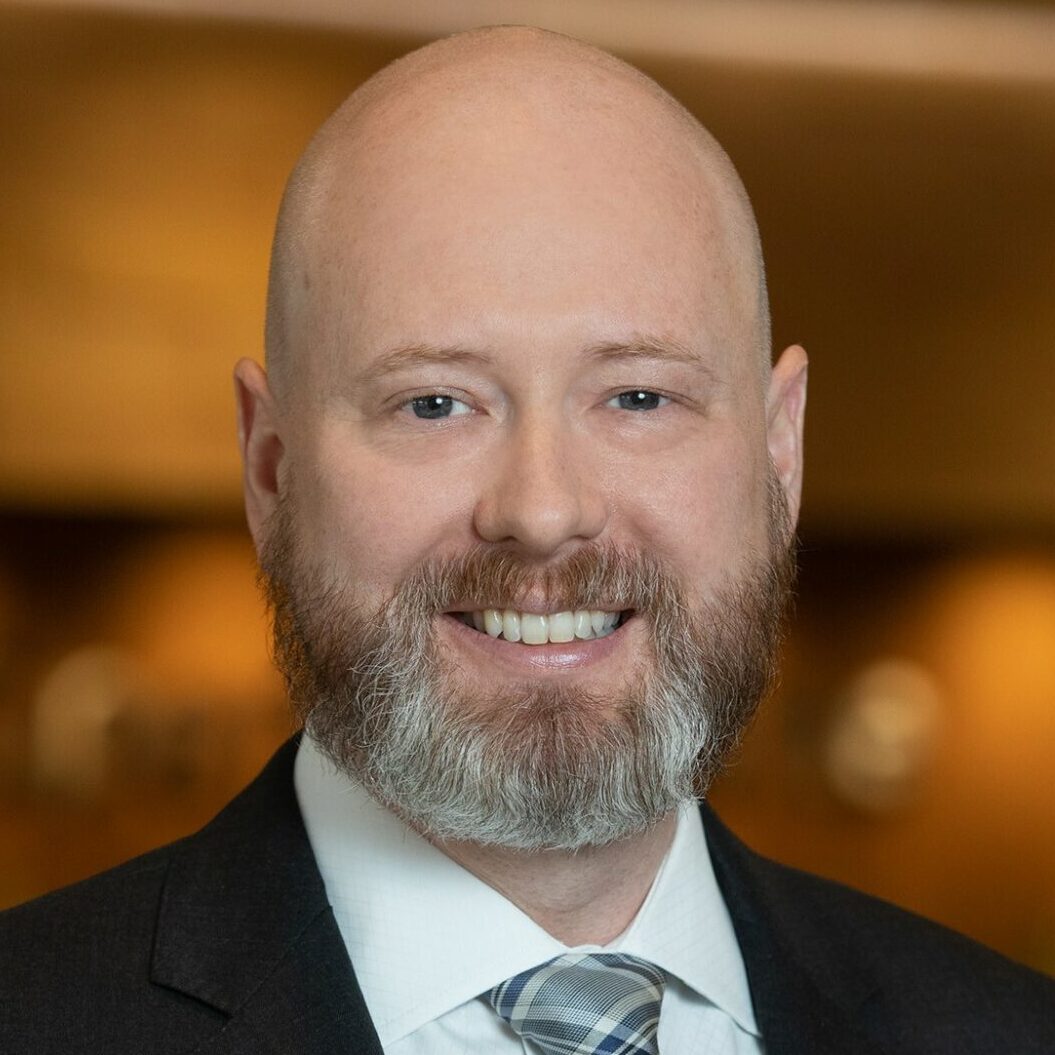
  • CEO Depositions and the Apex Doctrine with Rachel Lary on the Emerging Litigation Podcast

    CEO Depositions and the Apex Doctrine with Rachel Lary on the Emerging Litigation Podcast

    CEO Depositions and the Apex Doctrine with Rachel Lary

    Concepts: Depositions ; Executive Testimony

    You say you want a deposition?

    Plaintiff attorneys often request and are sometimes successful in deposing corporate CEOs and other chief executives. But there are many times when defense attorneys want to spare the C-suite from what can be high-risk and time-consuming exercises for someone whose knowledge or expertise may have little or nothing to do with the facts and issues in a case. 

    In this episode, I talk with Rachel M. Lary, a litigator with a nationwide practice at Lightfoot, Franklin & White, about the Apex Doctrine—a legal principle that protects high-ranking executives from being deposed unless certain conditions are met. Rachel explains how courts weigh an executive’s actual knowledge of a case, the availability of less intrusive discovery, and how judges have ruled on the doctrine around the country. (Her firm’s technologist, Sam McAllister, created an interactive map showing state-by-state treatment of the Apex Doctrine. We interviewed Sam in 2023.)

    Listen in and you will see why Fortune 500 companies rely on Rachel to represent them as national litigation counsel. I appreciate her sharing her insights on the podcast. I also appreciate that Rachel agreed to give a video tour of her remarkably neat office, which is what she thought I requested. I have a degree in communication, and maybe I should brush up. Rachel is both knowledgeable and a good sport.

    As always, if you have comments or wish to participate in one our projects please drop me a note at Editor@LitigationConferences.com.

    Tom Hagy
    Litigation Enthusiast and
    Host of the Emerging Litigation Podcast
    Home Page
    LinkedIn

    Rachel M. Lary

    Rachel M. LaryNational Litigator

    Rachel M. Lary is a national trial lawyer trusted by Fortune 500 companies to lead high-stakes litigation in product liability, medical malpractice, and business disputes. Known for her sharp strategy and persuasive advocacy, she has secured major wins in courts across the country.

    A partner at Lightfoot, Franklin & White, Rachel chairs the firm’s Marketing and Business Development Committee and has been recognized by Best Lawyers, Benchmark Litigation, and the Birmingham Business Journal. She also serves as Board Chair of Girls Inc. of Central Alabama and is active in her hometown of Homewood, Alabama.

    podcast logo face


    Want to appear on the Emerging Litigation Podcast?


    Send us your idea! 

    It might even make this man smile. “But I am smiling here.”

    No. No he’s not.

  • CEO Depositions and the Apex Doctrine with Rachel Lary on the Emerging Litigation Podcast

    CEO Depositions and the Apex Doctrine with Rachel Lary on the Emerging Litigation Podcast

    CEO Depositions and the Apex Doctrine with Rachel Lary

    Concepts: Depositions ; Executive Testimony

    You say you want a deposition?

    Plaintiff attorneys often request and are sometimes successful in deposing corporate CEOs and other chief executives. But there are many times when defense attorneys want to spare the C-suite from what can be high-risk and time-consuming exercises for someone whose knowledge or expertise may have little or nothing to do with the facts and issues in a case. 

    In this episode, I talk with Rachel M. Lary, a litigator with a nationwide practice at Lightfoot, Franklin & White, about the Apex Doctrine—a legal principle that protects high-ranking executives from being deposed unless certain conditions are met. Rachel explains how courts weigh an executive’s actual knowledge of a case, the availability of less intrusive discovery, and how judges have ruled on the doctrine around the country. (Her firm’s technologist, Sam McAllister, created an interactive map showing state-by-state treatment of the Apex Doctrine. We interviewed Sam in 2023.)

    Listen in and you will see why Fortune 500 companies rely on Rachel to represent them as national litigation counsel. I appreciate her sharing her insights on the podcast. I also appreciate that Rachel agreed to give a video tour of her remarkably neat office, which is what she thought I requested. I have a degree in communication, and maybe I should brush up. Rachel is both knowledgeable and a good sport.

    As always, if you have comments or wish to participate in one our projects please drop me a note at Editor@LitigationConferences.com.

    Tom Hagy
    Litigation Enthusiast and
    Host of the Emerging Litigation Podcast
    Home Page
    LinkedIn

    Rachel M. Lary

    Rachel M. LaryNational Litigator

    Rachel M. Lary is a national trial lawyer trusted by Fortune 500 companies to lead high-stakes litigation in product liability, medical malpractice, and business disputes. Known for her sharp strategy and persuasive advocacy, she has secured major wins in courts across the country.

    A partner at Lightfoot, Franklin & White, Rachel chairs the firm’s Marketing and Business Development Committee and has been recognized by Best Lawyers, Benchmark Litigation, and the Birmingham Business Journal. She also serves as Board Chair of Girls Inc. of Central Alabama and is active in her hometown of Homewood, Alabama.

    podcast logo face


    Want to appear on the Emerging Litigation Podcast?


    Send us your idea! 

    It might even make this man smile. “But I am smiling here.”

    No. No he’s not.