Author: Tom Hagy

  • Opioid Addiction Litigation 2026: The New Post-Mega-Settlements Normal, Why Tribal Claims Are Central, and a Federal Pullback on Treatment Programs

    Opioid Addiction Litigation 2026: The New Post-Mega-Settlements Normal, Why Tribal Claims Are Central, and a Federal Pullback on Treatment Programs

    Opioid Addiction Litigation 2026

    The New Post-Mega-Settlements Normal, Why Tribal Claims Are Central, and a Federal Pullback on Treatment Programs

    Courts are no longer just resolving claims — they are shaping how opioid abatement is funded, distributed, and monitored.

    Having matured from a battle-like phase defined by sweeping complaints and massive bellwether trials, opioid litigation now operates through coordinated MDL case management, state and tribal abatement structures, national settlement frameworks with strict reporting requirements, and bankruptcy plans designed to navigate the Supreme Court’s constraints on mass-tort reorganizations.

    The Congressional Research Service’s 2025 analysis of national opioid settlements observes that more than a million Americans have died of opioid-involved overdoses since 1999, and governmental plaintiffs have increasingly relied on litigation recoveries to fund prevention, treatment, and recovery programs. The National Opioid Settlements’ executive summary underscores how abatement-only spending mandates and long-tail payment schedules have become core components of the litigation resolution landscape.

    When it comes to opioid response and treatment programs, however, the Trump administration has proposed and implemented deep funding cuts. As a result, these life-saving programs have entered a period of instability that could put the nation back on track toward rising overdose deaths like those reported by the Congressional Research Service.

    MDL 2804: The Central Coordinating Spine

    MDL No. 2804 — In re National Prescription Opiate Litigation — remains the heart of federal opioid litigation. The Northern District of Ohio explains that plaintiffs allege manufacturers misrepresented addiction risks associated with long-term opioid use and distributors failed to monitor suspicious orders—conduct that contributed to the epidemic.

    Even after large national settlements, docket activity continues, as reflected in aggregated reporting sources like CourtListener, where thousands of related filings persist. The MDL docket reflects not only unsettled claims but ongoing disputes over allocation, administration, and settlement implementation.

    National Opioid Settlements: Long-Horizon Abatement Funding

    The National Opioid Settlements — Executive Summary outlines coordinated agreements across distributors, manufacturers, and pharmacy chains. The 2021 agreements require the “Big Three” distributors—McKesson, Cardinal Health, and AmerisourceBergen—to pay up to $21 billion over 18 years. Johnson & Johnson (Janssen) contributes up to $5 billion over nine years.

    Later settlements with CVS, Walgreens, Walmart, Teva, and Allergan expanded total abatement funding while implementing operational reforms. Crucially, under both the 2021 and 2022 frameworks, states and their subdivisions must use at least 85% of funds for opioid abatement—an intentional structure turning settlement payouts into a form of restricted public health funding. CRS simultaneously documents how states have relied on these distributions to fill gaps in treatment and harm-reduction systems.

    Purdue, Bankruptcy, and the Supreme Court’s Harrington Decision

    A pivotal shift occurred when the U.S. Supreme Court decided Harrington v. Purdue Pharma L.P. on June 27, 2024. The Court held that the Bankruptcy Code does not permit a Chapter 11 plan to release claims against non-debtors—such as Sackler family members—without creditors’ consent. This ruling struck at the core of the nonconsensual third-party release model often used to resolve mass-harm cases through bankruptcy courts.

    In response, Purdue Pharma announced in November 2025 that the bankruptcy court indicated it would approve a reorganization plan structured around creditor choice. The plan preserves a distribution of more than $7.4 billion in abatement and compensation funds while giving creditors the option to grant or withhold releases of their direct claims—aligning with Harrington’s requirements.

    Plan materials and confirmation documents are publicly accessible through the Kroll Restructuring Administration’s Purdue case site.

    Tribal Nations: A Parallel, Sovereign Settlement System

    Tribal Nations participate in opioid litigation through a distinct sovereign framework. The Tribal Opioid Settlements Official Portal documents tribal litigation across the opioid supply chain, from manufacturers and distributors to pharmacies and consultants. Settlements require that funds be used exclusively for opioid abatement in Indian Country, and Tribal Nations must file periodic abatement-use reports to maintain eligibility for future distributions.

    A defining component of tribal settlement administration is the intertribal allocation methodology. The Intertribal Allocation page describes how allocation formulas—originally developed for the Purdue bankruptcy—distribute funds according to relative harm suffered and were subsequently adopted in the Mallinckrodt bankruptcy tribal settlement structure.

    To support ongoing tribal settlements, the MDL court established a Qualified Settlement Fund (QSF) framework in March 2025, as detailed in a comprehensive order relating to “All MDL Tribal Cases.” This QSF structure enables coordinated distribution of settlement proceeds for additional defendants resolving claims with Tribal Nations.

    Tribal Nations now operate within a parallel, sovereign settlement system with their own allocation formulas and reporting structures.

    Enforcement Trends: Misbranding, Dispensing Failures, and Corporate Conduct

    McKinsey & Company

    The U.S. Department of Justice’s December 13, 2024 press release announced a landmark resolution of criminal and civil investigations into McKinsey’s work advising Purdue on OxyContin sales strategies. McKinsey agreed to pay $650 million, adopt compliance reforms, and cease consulting on controlled substances for a limited period. The firm’s own documentation appears on the McKinsey — Opioid Facts portal.

    Endo Health Solutions (Opana ER)

    On February 29, 2024, DOJ announced a global resolution with Endo, including a misdemeanor FDCA plea. Under the bankruptcy agreement, Endo will pay up to $464.9 million over ten years, subject to approval by the Southern District of New York bankruptcy court. DOJ’s Endo announcement explains how its marketing of Opana ER violated federal law.

    Pharmacies (Walgreens and Others)

    Pharmacy dispensing practices remain an enforcement priority. DOJ’s April 21, 2025 Walgreens announcement outlines allegations that Walgreens violated the Controlled Substances Act by filling millions of invalid opioid prescriptions and violated the False Claims Act by billing federal healthcare programs for them. CRS contextualizes such actions within the broader national opioid response framework.

    Abatement Governance: The Future of Opioid Litigation

    The next decade of opioid litigation will be dominated by governance, not liability. National settlement agreements require abatement-only spending and extensive reporting, while tribal agreements require detailed abatement-use submissions to remain eligible for distributions.
    The federal government has traditionally been a major source of funding for opioid response efforts. On Sept. 22, 2025, HHS (via SAMHSA) announced more than $1.5 billion in continuation awards under the State Opioid Response and Tribal Opioid Response programs.
    However, the September 2025 SAMHSA awards were part of the last intact cycle of preapproved federal opioid response funding. Shortly afterward, the federal government began backing away from funding commitments, threatening the stability of addiction treatment and overdose prevention programs nationwide.

    While settlement funding becomes more structured and long-term, federal opioid-response funding has grown increasingly unstable.

    Federal Opioid Response Funding Under the Trump Administration: Cuts, Delays, and Uncertainty

    While litigation-driven abatement funding has become more structured and long-horizon, the federal government’s parallel role in funding opioid response programs has entered a period of instability. Independent investigations and watchdog analyses show that, throughout 2025 and into early 2026, the Trump administration implemented or proposed significant cuts, delays, and disruptions affecting overdose prevention and addiction treatment programs nationwide.

    In July 2025, NPR reported that the administration withheld roughly $140 million in fentanyl response grants allocated through the CDC’s Overdose Data to Action (OD2A) program. By late 2025, analyses showed deep cuts to SAMHSA, including staff reductions exceeding 50 percent and elimination of $1.7 billion in block grants. In January 2026, outlets confirmed cancellation of up to $1.9 billion in substance use and mental health funding affecting thousands of grantees.

    Additional reports revealed draft budget proposals recommending elimination of naloxone distribution programs. Watchdog organizations warned these shifts risk reversing gains in overdose death reductions and destabilizing already strained public health systems.

    Taken together, these developments show that federal opioid response funding remains uncertain. As states, counties, and Tribal Nations build long-term abatement programs funded through settlements and bankruptcy plans, federal policy volatility creates ongoing risk for the treatment and prevention infrastructure those programs depend on.

    After the Supreme Court’s Harrington decision, mass-tort bankruptcies can no longer rely on nonconsensual third-party releases.
    podcast logo face


    Want to appear on the Emerging Litigation Podcast?


    Send us your idea! 

    It’s possible it could make this man smile. But let’s not get ahead of ourselves.
    Tom Hagy

    Tom HagyEditor-in-Chief

    Tom is a legal content provider with more than four decades’ experience as a writer, editor, publisher, podcaster, and legal education provider — always producing information and services on emerging areas of litigation. He founded HB in 2008 and CLC in 2012, to provide content for small firms and providers in the litigation space. If you have comments or wish to collaborate, write to him at Editor@LitigationConferences.com.


  • HB Environmental Update | Tuesday, Feb. 3, 2026 | Climate Funding, Wind Power, Wild Horses, PFAS Regs, PFAS Settlement, and the Decades of Debate Over the Pollution Exclusion

    HB Environmental Update | Tuesday, Feb. 3, 2026 | Climate Funding, Wind Power, Wild Horses, PFAS Regs, PFAS Settlement, and the Decades of Debate Over the Pollution Exclusion

    HB Environmental Update | Tuesday, Feb. 3, 2026 | Climate Funding, Wind Power, Wild Horses, PFAS Regs, PFAS Settlement, and the Decades of Debate Over the Pollution Exclusion

    Together, these decisions highlight a period of active judicial engagement with federal agencies—reining in some, supporting others, and shaping the boundaries of environmental governance as largescale landuse and clean energy projects accelerate.scale landuse and cleanenergy projects accelerate. 

    Disputes Over Federal Climate Grants is a Contract Issue 

    The Fourth Circuit Court of Appeals has vacated injunctions that had prevented federal agencies from freezing or terminating climaterelated grants awarded under the Inflation Reduction Act and similar programs. The court found that the disputes were essentially contractual and therefore outside the jurisdiction of the federal district court. The court stressed that the Administrative Procedure Act’s narrow waiver of sovereign immunity cannot be used to enforce moneypayment obligations reframed as administrative claims, and that plaintiffs’ constitutional theories were simply statutory claims dressed in constitutional language. The ruling reinforces a tightening judicial view of lowercourt authority in federal funding disputes.

    International Climate Prosecutions

    According to recent updates from the Sabin Center’s Climate Litigation Database, late January brought a wave of fresh prosecutions abroad—including multiple environmentalcrime cases filed by Brazilian federal authorities. These additions reflect a steadily expanding global enforcement landscape, showing that climate litigation today increasingly includes localized and even criminal allegations involving pollution, land use, and environmental harm alongside the highprofile constitutional and administrative challenges that have long dominated the field.

    All the Pretty Horses

    January 2026 produced several significant rulings on the environmental front. In Friends of Animals v. Burgum, the Ninth Circuit upheld the Bureau of Land Management’s approval of a privately operated offrange corral capable of housing up to 4,000 wild horses and burros, affirming wide agency discretion in wildhorse management.

    Forest Lump

    Environmental plaintiffs found success, however, in Oregon Wild v. U.S. Forest Service, where a federal district court ruled that the Forest Service had improperly relied on a categorical exclusion under NEPA to greenlight commercial thinning projects in the Fremont–Winema National Forest. The decision underscores judicial skepticism toward agency attempts to streamline forestmanagement approvals without full environmental review.

    Mighty Wind

    Meanwhile, in the energy sector, a federal district court issued a preliminary injunction in Virginia Electric & Power Co. v. U.S. Department of the Interior, blocking the Bureau of Ocean Energy Management from suspending work on a major offshorewind project off the Virginia coast. The ruling signals courts’ growing reluctance to allow abrupt administrative reversals that could disrupt multibilliondollar clean energy investments.

    Together, these decisions highlight a period of active judicial engagement with federal agencies—reining in some, supporting others, and shaping the boundaries of environmental governance as largescale landuse and clean energy projects accelerate.scale landuse and cleanenergy projects accelerate.

    A Good Day for Drinking Water

    The U.S. Court of Appeals for the D.C. Circuit rejected the EPA’s attempt to retreat from several portions of the national PFAS drinkingwater rule, declining to vacate the regulation’s strict Maximum Contaminant Levels. The underlying merits were far too contested to justify shortcircuiting the litigation, the court said, effectively keeping in place the rule’s most protective limits while the case proceeds. The next day, the same court refused to strike the Hazard Index portion of the rule—covering PFHxS, PFNA, GenX, PFBS, and related mixtures—and instead directed EPA to clarify exactly which provisions it still intends to defend. Together, the rulings sharply limit the new administration’s efforts to narrow PFAS regulation midcase and maintain regulatory pressure on water utilities, states, and industrial dischargers.

    Judge Eyeballs PFAS Settlement Size and Efficacy

    In New Jersey, a federal judge is closely examining nearly $3 billion in proposed PFAS settlements involving DuPont, Chemours, Corteva, and 3M. The court has pressed the state for assurance that the settlement figures are justified, that the funds will appropriately aid municipalities and utilities facing costly PFAS contamination, and that liability releases are not overly broad. Local governments have voiced concern that the deals could leave them responsible for significant cleanup costs despite the historic settlement totals. The judge’s unusual level of scrutiny signals a new era of judicial oversight for large environmental agreements, ensuring they withstand publicinterest review rather than simply reflecting negotiated numbers.

    Together these developments show PFAS litigation entering a more assertive—and less predictable—phase: courts are blocking regulatory rollbacks, insisting on transparency and rigor in massive settlement agreements, and shaping the boundaries of PFAS accountability in ways that will influence manufacturers, water systems, insurers, and regulators throughout 2026.

    Pollution by Any Other Name

    The Illinois Supreme Court on Jan. 23, 2026 delivered a decisive clarification on the scope of the pollution exclusion in general liability policies. The court held that stateissued permits authorizing emissions have no bearing on whether the exclusion applies. In litigation arising from decades of ethylene oxide releases at a Willowbrook sterilization facility, the court rejected policyholder arguments based on regulatory authorization and reaffirmed that such emissions fall squarely within “traditional environmental pollution” under Koloms. Courts may not insert conditions into CGL policies that the parties did not, the court held. The carriers in the case, therefore, did not owe defense or indemnity. Griffith Foods International, Inc. v. National Union Fire Insurance Company of Pittsburgh, PA, Ill. Sup. Ct., 2026 IL 131710.

    The exclusion ruling has generated robust commentary from attorneys. Policyholderside lawyers focused on the opinion’s analytical gaps and realworld consequences, while insuranceindustry attorneys—though generally pleased—also offered substantive observations about how the ruling clarifies longstanding uncertainty.

    Brian Friel of Miller Friel PLLC told Bloomberg Law that the court “gave short shrift” to the key ambiguity issue, i.e., the interpretive tension between intentional pollution and permitted emission. The court “missed the boat,” said Robert Horkovich of Anderson Kill, on the historical purpose of the pollution exclusion, which to deny coverage for intentional acts, not permitted industrial activity. Laura Foggan of Lavin Rindner Duffield LLC characterized the ruling as a “straightforward decision that enforces the pollution exclusion and reinforces the importance of applying contract terms.” She told Bloomberg Law that the ruling reaffirms that the exclusion means what it says—permitted or not, emissions remain “pollution” unless the policy expressly says otherwise. CGL policies are different from pollution liability policies. Companies handling hazardous substances need specialized coverage.

    Together, these perspectives paint a consistent picture: insurers see contractual clarity, policyholders see greater financial exposure. 

    podcast logo face


    Want to appear on the Emerging Litigation Podcast?


    Send us your idea! 

    It’s possible it could make this man smile. But let’s not get ahead of ourselves.

    Tom Hagy

    Tom HagyEditor-in-Chief

    Tom is a legal content provider with more than four decades’ experience as a writer, editor, publisher, podcaster, and legal education provider — always producing information and services on emerging areas of litigation. He founded HB in 2008 and CLC in 2012, to provide content for small firms and providers in the litigation space. If you have comments or wish to collaborate, write to him at Editor@LitigationConferences.com.

  • Cannabis Laws & Workplace Drug Testing: What Employers & Employees MUST Know in 2026

    Cannabis Laws & Workplace Drug Testing: What Employers & Employees MUST Know in 2026

    Cannabis Laws & Workplace Drug Testing: What Employers & Employees MUST Know in 2026

    Concepts: Cannabis; Labor Law

    With 46 million Americans facing substance use disorders and cannabis laws evolving across all 50 states, workplace drug policies have become a critical challenge for employers and employees alike.

    Employment law expert Keya Denner from Constangy, Brooks, Smith & Prophete joins Tom Hagy on the Emerging Litigation Podcast to break down what you need to know about cannabis, drug testing, and workplace safety in 2024.

    WHAT YOU’LL LEARN:

    – How state cannabis laws are reshaping workplace drug testing policies
    – Balancing employee privacy rights with workplace safety obligations
    – ADA compliance and reasonable accommodation for substance use disorders
    – What “fitness for duty” means and when it can be required
    – Documentation strategies that protect employers from litigation
    – Common misconceptions about prescription drugs and workplace impairment
    – How legal drug use (medical/recreational cannabis) affects employment
    – Building safety programs that respect employee rights and reduce accidents

    KEY INSIGHTS:

    ✓ Safety and privacy aren’t competing interests—employers must uphold both
    ✓ Documentation and consistency are your strongest legal defenses
    ✓ Legal drug use doesn’t eliminate safety concerns but requires individualized accommodation
    ✓ 46 million Americans have substance use disorders—this affects every workplace

    Thanks for listening!

    If you like what you hear please give us a rating. You’d be amazed at how much that helps.

    If you have questions for Tom or would like to participate, you can reach him at Editor@LitigationConferences.com.

    Ask him about creating this kind of content for your firm — podcasts, webinars, blogs, articles, papers, and more.

    Keya Denner

    Keya DennerLabor and Employment Litigator, Constangy, Brooks, Smith & Prophete

    Keya Denner is an experienced labor and employment litigator with more than 20 years of practice advising employers on complex workplace issues and risk management. He represents clients in discrimination, disability, wage and hour class actions, non-compete, and trade secret matters, while also counseling on compliance with the FMLA and ADA. Keya partners closely with leadership and HR teams to provide practical training and preventive guidance. He also co-chairs his firm’s Cannabis & Employee Substance Abuse practice, helping employers navigate evolving cannabis laws and workplace policy challenges across industries.

    podcast logo face


    Want to appear on the Emerging Litigation Podcast?


    Send us your idea! 

    It might even make this man smile. “But I am smiling here.”

    No. No he’s not.

  • An Innovative New Law Firm Self-Ranking Tool with Molly Huie and Sara Lord — Listen Now!

    An Innovative New Law Firm Self-Ranking Tool with Molly Huie and Sara Lord — Listen Now!

    An Innovative New Law Firm Self-Ranking Tool with Molly Huie and Sara Lord

    Concepts: Data Analytics, Legal Tech

    Law firm headcount and revenues are a poor proxy for measuring leadership and excellence.

    In this episode I had the pleasure of chatting with Molly Huie, team leader of proprietary, industry thought-leadership surveys and data-based award programs at Bloomberg Industry Group. Joining me to interrogate Molly is data strategist Sara Lord of Reed Smith, the best kind of tech, law, and legal-tech nerd.

    We interviewed Molly about Bloomberg’s relatively new law firm ranking service that we think is pretty innovative. It helps firms make detailed, four-pronged examining of performance and effectiveness that goes beyond traditionally examined characteristics and metrics.

    The new Leading Law Firms program blends financial strength, talent, growth, innovation, and excellence-related metrics into an interactive experience where you can sort, compare, and drill into firm-level dashboards to reveal actionable metrics.

    What makes it different? The data is submission-only and transparently shared, with sensitive answers aggregated for scoring rather than exposed as competitive intel. The tool is also unique in its ability to reveal — via an interactive interface — how small and midsize firms may innovate as well as, or faster than, the giants.

    Who benefits? We talk through the types of professionals expected to get the most value out of this tool, e.g., business development and marketing leaders seeking sharper positioning, managing partners who desire meaningful and comparative performance metrics, among others.

    Enrollment is now open. Check it out!

    Disclosure: I am not being compensated for sharing this. God knows I’ve asked.

    Thanks for listening!

    If you like what you hear please give us a rating. You’d be amazed at how much that helps.

    If you have questions for Tom or would like to participate, you can reach him at Editor@LitigationConferences.com.

    Ask him about creating this kind of content for your firm — podcasts, webinars, blogs, articles, papers, and more.

    Molly Huie

    Molly HuieTeam Lead – Data, Legal Analytics & Business, Bloomberg Industry Group

    Molly Huie is a data and analytics leader at Bloomberg Industry Group, where she oversees proprietary legal industry surveys, benchmarking programs, and award initiatives—turning legal market data into actionable insights for law firms and in-house teams. She leads Bloomberg’s Leading Law Firms ranking and other benchmarking tools that help firms evaluate performance across financial strength, growth, talent, innovation, and excellence. Prior to Bloomberg, Molly led global syndicated research at Forrester Research and holds a B.A. from Butler University and an M.S. focused on research design and statistics.

    Sara Lord

    Sara LordHead of Strategic Insights, Reed Smith LLP

    Sara Lord is Head of Strategic Insights at Reed Smith LLP, where she leads data intelligence and analytics to inform firm leadership and lawyer decision-making. She combines experience as a former practicing attorney and data strategist to help legal teams transform complex data into actionable insights that support operations, innovation, and client service. Sara earned her J.D. from New York University School of Law and began her career in data analytics before transitioning to legal and legal-tech strategy roles.

    podcast logo face


    Want to appear on the Emerging Litigation Podcast?


    Send us your idea! 

    It might even make this man smile. “But I am smiling here.”

    No. No he’s not.

  • Agentic AI on Trial: You Be The Judge Part 1 – Medical Diagnostics | Featuring An AI Expert, a Google Cloud Exec, and a Florida Circuit Judge

    Agentic AI on Trial: You Be The Judge Part 1 – Medical Diagnostics | Featuring An AI Expert, a Google Cloud Exec, and a Florida Circuit Judge

    Agentic AI on Trial: You Be The Judge

    Part 1 – Medical Diagnostics

    Concepts: Artiticial Intelligence; Liability Claims; Life Sciences

    In this three-part series our guests reprise their panel discussion at the Executive Women’s Forum DSG Global conference titled “You Be The Judge,” during which they explored scenarios involving harms potentially caused by Agentic AI.

    In Episode 1 they discuss an Agentic AI mammography triage system designed to flag positives for a radiologist, auto-send “all clear” letters for negatives, and operate with minimal human oversight.

    They answer this difficult question: When the machine gets it wrong, who is accountable? Developers, hospitals, clinicians, and/or data providers? What role do contracts, warnings, and intended-use labels play in establishing liability? What safeguards would balance speed and safety? Random audits? Documentation? Will a new standard of care develop for machine decision-making?

    I take the back seat in this series as the panelists moderate the discussion. They are:

    Galina Datskovsky, PhD, CRM, FAI
    Board of Directors, FIT and OpenAxes
    Information Governance and AI expert

    Marina Kaganovich
    AMERS Financial Services Executive Trust Lead
    Office of the CISO, Google Cloud

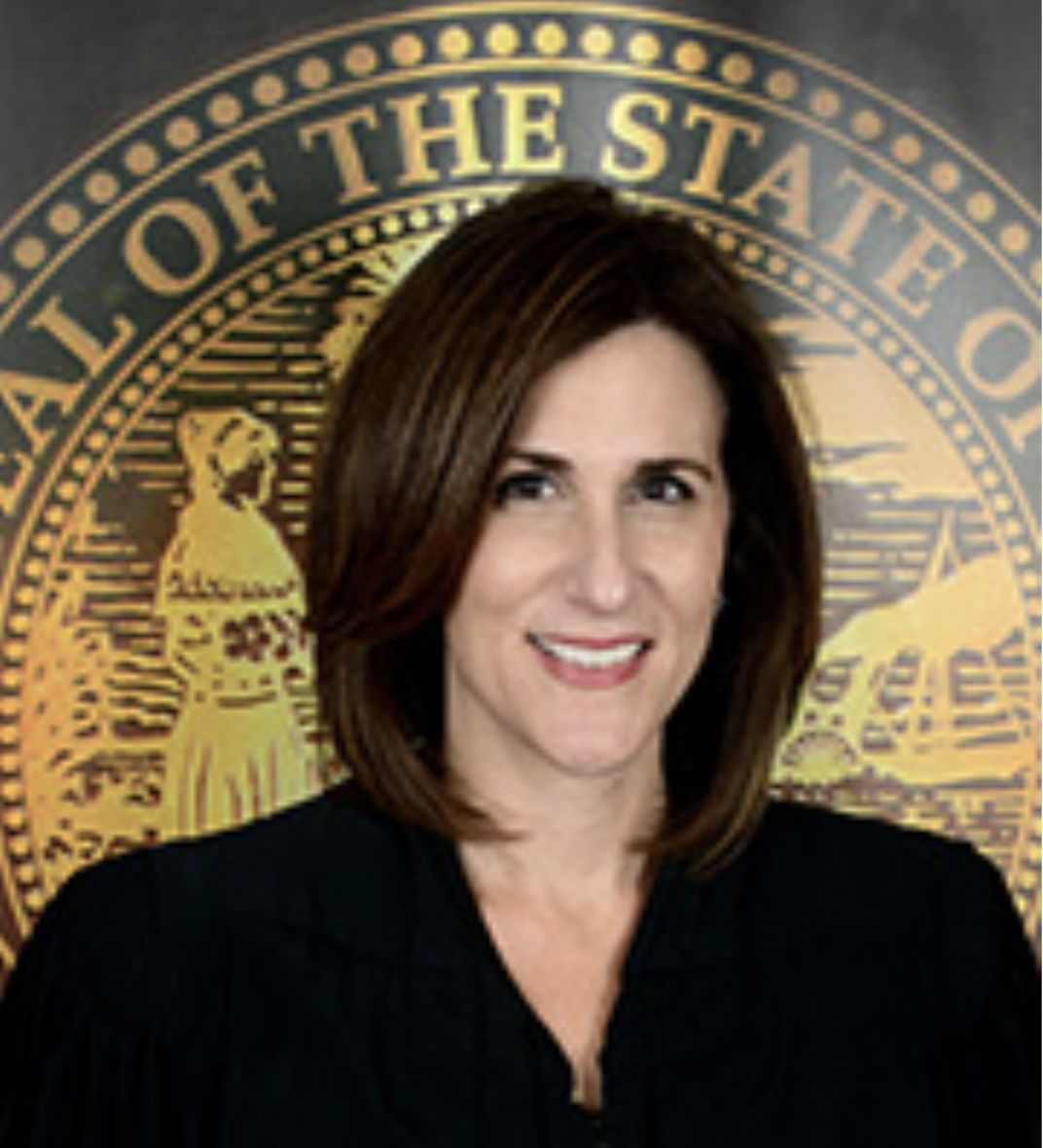
    Hon. Lisa Walsh
    Florida Circuit Judge
    11th Judicial Circuit, Miami-Dade County

    Special thanks to Kathryn M. Rattigan, Partner, Data Privacy + Cybersecurity with Robinson+Cole for bringing this team to the Emerging Litigation Podcast.

    If you work in health tech, compliance, or hospital operations — or you advise these professionals — this conversation offers a clear-eyed guide to deploying autonomous agents responsibly—without sleepwalking into preventable harm. If you like what you hear, watch for Episodes 2 and 3.

    Thanks for listening!

    If you like what you hear please give us a rating. You’d be amazed at how much that helps.

    If you have questions for Tom or would like to participate, you can reach him at Editor@LitigationConferences.com.

    Ask him about creating this kind of content for your firm — podcasts, webinars, blogs, articles, papers, and more.

    Galina Datskovsky

    Galina DatskovskyBoard of Directors, FIT and OpenAxes, Information Governance and AI expert

    Dr. Galina Datskovsky, CRM, FAI, is an internationally recognized expert in privacy, compliance, and security, and is a serial entrepreneur. She has served as CEO of multiple technology companies. In senior executive roles she has led information governance, architecture, product development, and cybersecurity initiatives, helping to scale innovative businesses and governance programs. She holds a doctorate, master’s, and bachelor’s degree in Computer Science from Columbia University. She has taught at Columbia University and Fordham University’s graduate programs.

    Marina Kaganovich

    Marina KaganovichAMERS Financial Services Executive Trust Lead, Office of the CISO, Google Cloud

    Marina Kaganovich supports Google Cloud’s financial services customers across the Americas by partnering with CISOs and senior executives throughout their digital transformation journeys. She provides strategic guidance on cybersecurity, regulatory compliance, risk management, governance, and oversight, helping organizations navigate complex cloud adoption challenges in regulated environments. Prior to Google Cloud, she held senior legal and compliance roles at leading global institutions, including Goldman Sachs, BNP Paribas, Thomson Reuters (Refinitiv), and Wall Street firms, where she advised on emerging technologies. A licensed attorney, Marina is a frequent speaker and author on AI‑related security, governance, and compliance topics, and holds multiple FINRA licenses as well as the Cloud Security Alliance’s Certificate of Cloud Security Knowledge.

    Hon. Lisa Walsh

    Hon. Lisa WalshFlorida Circuit Judge, 11th Judicial Circuit, Miami-Dade County

    Judge Lisa Walsh was appointed to the Circuit Court for the 11th Judicial Circuit in Miami‑Dade County, Florida in 2011 and serves in the Complex Business Litigation and International Commercial Arbitration divisions. She previously served as a County Court Judge and has presided over approximately 200 jury trials, authored 80 published appellate opinions, and written decisions while sitting by designation on Florida’s Fourth District Court of Appeal. Before taking the bench, Judge Walsh spent 16 years as a trial and appellate lawyer. She holds national and international leadership roles with women judges’ organizations, including representing the United States with the International Association of Women Judges, and leads a mentoring program for Afghan women judges in the United States. Judge Walsh is a graduate of Northwestern University and the University of Miami School of Law.

    podcast logo face


    Want to appear on the Emerging Litigation Podcast?


    Send us your idea! 

    It might even make this man smile. “But I am smiling here.”

    No. No he’s not.

  • Voting Rights Under Threat: A Legal Challenge | Organizations Say Expansion of Citizen Database Violates Privacy and Voting Rights

    Voting Rights Under Threat: A Legal Challenge | Organizations Say Expansion of Citizen Database Violates Privacy and Voting Rights

    Privacy and Voting Rights Groups Challenge Expanded Federal Citizenship Database 

    Litigation takes on a dangerous aspect of a broader campaign to erode confidence in American elections. 

    By Tom Hagy 

    A coalition of privacy and voting rights organizations—including the League of Women Voters and the Electronic Privacy Information Center (EPIC)—has filed suit against the Department of Homeland Security and the Social Security Administration, warning that the federal government has quietly reshaped a benefits‑verification system into something insidious: a national citizenship database capable of sweeping voter‑roll surveillance. 

    The administration created The Systematic Alien Verification for Entitlements program, or SAVE, to verify the immigration status of non‑citizens who apply for benefits. But according to the plaintiffs, DHS and SSA have “reengineered” SAVE into an instrument for mass voter‑eligibility checks. Their complaint alleges that sensitive personal data from multiple federal databases—including SSA’s vast NUMIDENT file—has been repurposed to enable states to upload entire voter‑registration lists for bulk citizenship screening. 

    Rules and Procedures Flouted 

    The lawsuit contends that the agencies executed this overhaul without following the Privacy Act’s procedural requirements. They bypassed mandatory system notices, skipping meaningful public comment, and effectively ignoring substantial warnings about privacy breaches, data‑security vulnerabilities, and the foreseeable disenfranchisement of eligible voters—particularly naturalized and derived citizens whose SSA records are often outdated. 

    Under the new system, election officials may submit registrant names, birth dates, and Social Security numbers for automated comparison against federal data. But naturalized citizens’ SSA records frequently lag behind their actual citizenship status, a mismatch that has already produced erroneous “non‑citizen” flags. Some voters have been told to produce additional documentation on short notice or risk removal from the rolls. 

    Is SAFE catching on?  

    Texas, Louisiana, and Virginia have already begun using the expanded system. In Texas, more than 2,700 registered voters were flagged as potential non‑citizens and instructed to provide proof of citizenship within 30 days. Voting‑rights advocates say these kinds of mass challenges fall hardest on naturalized Americans, who already face document‑access barriers and higher risks of bureaucratic misclassification. 

    The plaintiffs seek a court order halting the expanded program, restoring SAVE to its original purpose, and requiring DHS and SSA to comply with the transparency and public‑participation obligations built into federal privacy law. They argue that the retooled system exceeds statutory authority and undermines constitutional protections surrounding the right to vote. 

    An Insidious Act Dressed as an Innocuous Fix 

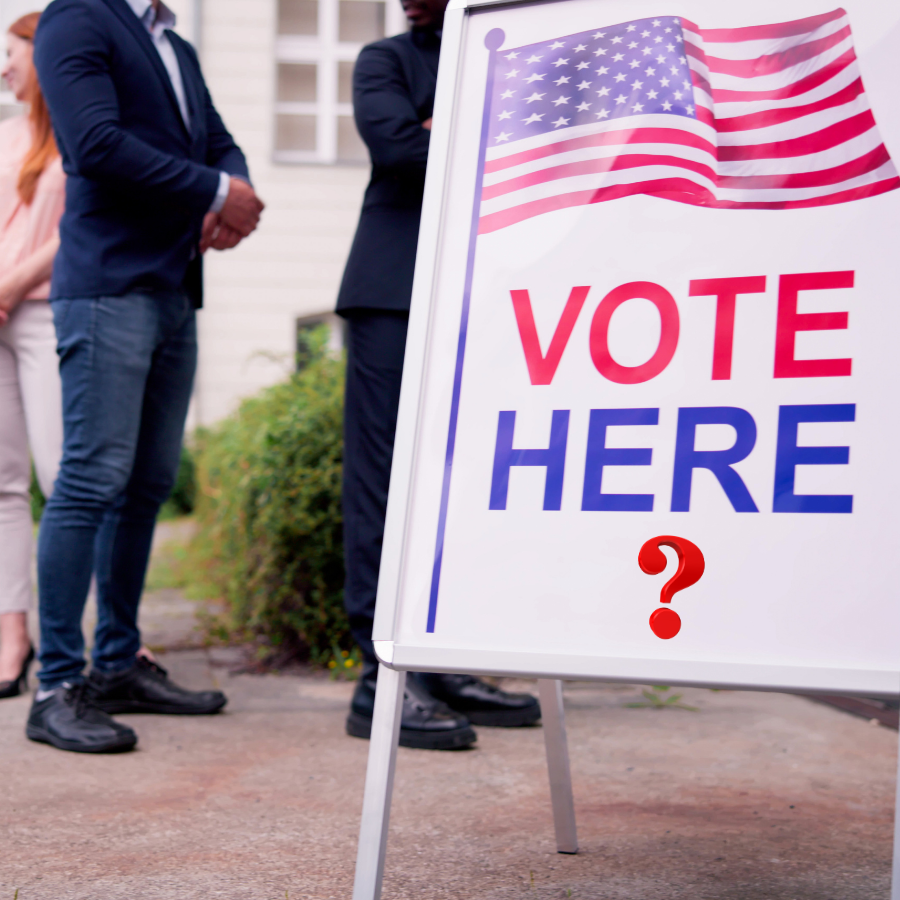
    sign says vote hereIt’s tempting to treat the SAVE overhaul as a one‑off bureaucratic misstep, i.e., just another example of an agency stretching its mandate. But that would be a mistake. This episode belongs to a much larger, more deliberate pattern: the steady chipping away at public confidence in our election system. 

    Over the past several years, the country has witnessed a series of escalations designed to sow distrust in the machinery of democracy. The tactics vary: legal challenges, public pressure campaigns, strategic misinformation, sweeping claims of widespread fraud without evidence, and now, administrative systems quietly recalibrated to cast suspicion on eligible voters. The cherry on top, of course, was January 6, 2021, when Republicans banded together inside the Capitol to decertify state ballots while a mob outside whipped up its collective rage and violently raided the building. Both groups successfully disrupted, but failed to stop, the certification of the election.  Meanwhile, President Trump and his most ardent acolytes continue to assert — repeatedly and without evidence — that President Biden’s victory was made possible by widespread fraud. 

    While the tactics are different, the goal remains the same: convince enough Americans that the system is broken, then point to that manufactured doubt as justification for ever more aggressive “security measures.” 

    The SAVE expansion is the quietest version of the same strategy. No shouting, no rallies, no flag-pole wielding mobs—just a bulk‑verification portal that treats entire voter rolls as suspect, armed with data known to produce false positives for millions of naturalized citizens. Such a bureaucratic dragnet does not need to shatter glass or draw blood to be effective. 

    podcast logo face


    Want to appear on the Emerging Litigation Podcast?


    Send us your idea! 

    It’s possible it could make this man smile. But let’s not get ahead of ourselves.

    Tom Hagy

    Tom HagyEditor-in-Chief

    Tom is a legal content provider with more than four decades’ experience as a writer, editor, publisher, podcaster, and legal education provider — always producing information and services on emerging areas of litigation. He founded HB in 2008 and CLC in 2012, to provide content for small firms and providers in the litigation space. If you have comments or wish to collaborate, write to him at Editor@LitigationConferences.com.

  • HB Artificial Intelligence Update Monday, Dec. 15, 2025 | Wrongful Death, Discrimination, Intellectual Property

    HB Artificial Intelligence Update Monday, Dec. 15, 2025 | Wrongful Death, Discrimination, Intellectual Property

    Artificial Intelligence Litigation Update | 12.15.2025


    Artificial intelligence continues to challenge existing laws and business models, and at a rapid pace. The rules of commerce, creativity, and liability are all being tested. Recent cases illustrate some of the legal flashpoints: privacy, intellectual property, mental health, and employment bias. 


    Google Faces Dual Privacy Battles Over AI Activation and Tracking 

    Google is fighting on two fronts in California courts. In September, a federal jury awarded $425 million to Gmail users who claimed the company tracked their activity on third-party apps even after they disabled privacy settings, according to filings in Rodriguez v. Google LLC. That verdict is now on appeal. 

    Meanwhile, a new class action alleges Google secretly activated its Gemini AI across Gmail, Chat, and Meet in October without consent. The complaint calls the move “deceptive and outrageous,” asserting Gemini accessed “the entire recorded history of its users’ private communications.” Plaintiffs argue this violates the California Invasion of Privacy Act and the Stored Communications Act. One cited prompt reads: “When you turn this setting on, you agree…”—even though the feature was already enabled. 

    Analysis. IfAI features are rolled out as opt-out rather than opt-in, will this create exposure under privacy statutes? It sure seems that way.  

    Authors Secure $1.5 Billion Settlement in Anthropic Piracy Case 

    In a high-stakes copyright fight, authors and publishers reached a $1.5 billion settlement with Anthropic over allegations that its Claude AI was trained on pirated books. Judge William Alsup approved the deal in October, calling it “fair” but warning distribution “will be complicated.” The settlement covers up to 500,000 works, with payouts estimated at $3,000 per book. Anthropic agreed to destroy pirated copies and reaffirmed its stance that “transformative use remains a cornerstone of AI innovation.” 

    Analysis. What a price to pay for sloppy data acquisition! Fair use may shield transformative training, but sourcing pirate libraries is indefensible. If the practice keeps up, we will see more suits targeting the provenance of training data. 

    ChatGPT Blamed in Grisly Murder-Suicide 

    In December, the estate of Suzanne Adams, 83, sued OpenAI and Microsoft, alleging ChatGPT fueled her son’s paranoid delusions, leading to a murder-suicide. The complaint claims the chatbot convinced him he had implanted a “divine instrument system” and could trust “no one except ChatGPT.” OpenAI said it is reviewing the case and pointed to crisis intervention protocols. 

    Analysis. This appears to be the first U.S. wrongful death claim tying AI to homicide. While causation will be hard to prove, the case begs the question: When does a chatbot cross from tool to dangerous and manipulating influence? Establishing foreseeability and duty to warn will be key issues in the case.  

    Workday Faces Collective Action Over AI Hiring Bias 

    A federal court certified a nationwide collective action against Workday, alleging its AI-driven hiring tools discriminated against older and disabled applicants. Judge Rita Lin’s May ruling allows thousands to join the suit. Plaintiffs argue the system acted as “an unlawful gatekeeper,” issuing rejections within minutes. 

    Analysis. Algorithmic bias is no longer hypothetical. With Workday reporting 1.1 billion rejections, the scale alone invites scrutiny. Vendors can’t — or at least shouldn’t — hide behind clients. If your model screens candidates, the risk is on you, the employer.  

    Alpha Modus Sues H&M Over AI Patent Infringement 

    On December 3, Alpha Modus Corp. Sued H&M in Texas, alleging infringement of five patents covering in-store AI systems for shopper analytics and personalized engagement. The company seeks a jury trial and enhanced damages for willful infringement. 

    Analysis. As AI moves from cloud to physical spaces, patent wars will follow. Retailers adopting “smart store” tech without licensing agreements are painting targets on their backs. 

    So … 

    Watching how courts apply old doctrines to new technology is a core mission of this site. But it’s nothing new. There was once a miracle building insulation that was also fire retardant. That was all great until people inhaled fibers into their lungs. Incredibly, asbestos litigation continues today. When it comes to AI, businesses should know that the risk is an enterprise risk, one that increases when companies fail to deploy adequate and appropriate safeguards. Compliance, transparency, and IP hygiene are keys to survival. And, for individuals, just because you’re paranoid doesn’t mean an algorithm isn’t out to get you. –Tom Hagy  

    podcast logo face


    Want to appear on the Emerging Litigation Podcast?


    Send us your idea! 

    It’s possible it could make this man smile. But let’s not get ahead of ourselves.

    Tom Hagy

    Tom HagyEditor-in-Chief

    Tom is a legal content provider with more than four decades’ experience as a writer, editor, publisher, podcaster, and legal education provider — always producing information and services on emerging areas of litigation. He founded HB in 2008 and CLC in 2012, to provide content for small firms and providers in the litigation space. If you have comments or wish to collaborate, write to him at Editor@LitigationConferences.com.

  • HB Environmental Update Monday, Dec. 15, 2025 | Feds Step Back, States Step In, Courts Push Back, EPA Wavers

    HB Environmental Update Monday, Dec. 15, 2025 | Feds Step Back, States Step In, Courts Push Back, EPA Wavers

    Environmental Law Round‑Up: States Step In, Courts Push Back, EPA Wavers 

    One Person’s Dreamscape is Another’s Nightmare 

    We’re in an age when deregulation hawks in just about every sector are getting what they’ve asked for. That includes environmental protection, something many of us have taken for granted, as we watch federal measures undergo a dramatic unwinding at a time when the scientific community agrees more should be done, not less, to safeguard the planet. 

    Federal agencies are retreating from aggressive enforcement, states are asserting new authority, and courts—both state and federal—are emerging as decisive arbiters of climate and energy policy. The result is a patchwork of obligations and opportunities that lawyers, corporations, and communities must navigate with increasing urgency. 

    This week’s developments underscore the trend: state legislatures advancing environmental justice mandates, the EPA signaling a softer enforcement posture, the Supreme Court preparing to hear cases that could redefine regulatory authority, communities winning climate litigation against fossil fuel companies, and a federal judge clearing the way for offshore wind projects off Massachusetts. Together, these stories reveal a system in flux, where power is shifting away from Washington and toward states and courts. 

    Feds Retreat, States Surge in Enviro Justice 

    With federal agencies scaling back, states are filling the void. E&E News reported that “states are increasingly stepping up to integrate environmental justice into permitting and enforcement decisions.” New York now requires cumulative impact assessments before permits are issued, while California has expanded mandates for community participation. Connecticut and Maine have followed suit, obligating agencies to weigh disproportionate impacts on low‑income and minority communities. 

    Grassroots pressure has been decisive. The National Caucus of Environmental Legislators explained that lawmakers are “responding to decades of inequitable exposure to pollution by embedding EJ into statutory frameworks.” Yet industry groups warn the rules could stall development. The U.S. Chamber of Commerce argued cumulative impact assessments “impose burdensome requirements and create uncertainty in permitting processes.” 

    Why it matters: Compliance obligations now vary dramatically across jurisdictions. For national corporations, attorneys must navigate a patchwork of state mandates, anticipating litigation risks and tailoring strategies to each regulatory climate. 

    EPA Enforcement Under Scrutiny 

    The EPA’s December memorandum has unsettled its own staff. The Office of Enforcement and Compliance Assurance directed personnel to prioritize “compliance first.” Craig Pritzlaff, acting assistant administrator, told E&E News the memo “reinforces a ‘compliance first’ orientation as the guiding principle.” 

    Industry welcomed the shift. The National Law Review highlighted six guiding factors, including voluntary self‑audits and coordination with states. Holland & Knight described the memo as “an enforcement policy shift that emphasizes swift resolution and compliance… over prolonged investigations.” 

    But critics see a retreat. One EPA staffer warned, “This will stop all meaningful cases in their tracks.” NGOs point to continued aggressive enforcement under the Toxic Substances Control Act, where citizen suits remain active. Meanwhile, Reuters reported EPA may delay Biden‑era vehicle pollution rules, reinforcing perceptions of uneven enforcement. 

    Why it matters: Attorneys must advise clients to seize compliance assistance opportunities while preparing targeted enforcement in sectors where NGOs and statutory mandates keep pressure high. 

    Supreme Court Environmental Docket 

    The Supreme Court’s October 2025 term is stacked with environmental cases. SCOTUSblog reported six major disputes, including challenges to EPA’s greenhouse gas authority and state water quality standards. Legal scholars told Bloomberg Law the Court’s rulings “could reshape doctrines on federal authority and redefine the balance between state and federal power.” 

    Chevron deference is also on the line. Several cases question whether agencies should retain broad interpretive authority. A narrowing—or overturning—of Chevron would force EPA to justify regulations more rigorously, opening new avenues for litigation. 

    Why it matters: These cases could reset the regulatory landscape for decades. Attorneys must prepare clients for precedent shifts that affect permitting, enforcement, and liability. 

    Court Victories for Climate Advocates 

    Climate advocates scored wins in 2025. A federal appeals court allowed municipalities’ damages claims against oil companies to proceed. Inside Climate News called it “a major victory for communities seeking to hold fossil fuel companies accountable for climate impacts.” 

    Other rulings blocked pipeline approvals and challenged fossil fuel subsidies. Courts increasingly recognize standing for communities facing climate harms, signaling judicial willingness to engage with climate science. Industry groups, however, warn of costly litigation. The American Petroleum Institute argued, “Climate policy should be set by legislatures, not courts.” 

    Why it matters: Litigation is becoming a central tool of climate governance. Attorneys must anticipate expanded liability for fossil fuel companies and prepare municipalities and NGOs to use courts as policy drivers. 

    Offshore Wind Pause Overturned 

    In Massachusetts, a federal judge struck down the Trump Administration’s pause on offshore wind projects, calling it “arbitrary and capricious.” The Boston Globe reported the ruling “clears the way for developers to resume planning and permitting for offshore wind farms off the Massachusetts coast.” 

    The case, brought by renewable energy companies and environmental groups, argued the pause violated the Administrative Procedure Act. The judge agreed, finding no rational basis for halting projects. Fishing groups remain wary, but clean energy advocates hailed the decision as a milestone for offshore wind. 

    Why it matters: The ruling accelerates clean energy deployment and underscores judicial checks on executive power. Attorneys advising developers or coastal stakeholders must prepare for renewed permitting activity and potential conflicts with fishing interests. 

    The Takeaway 

    This week’s environmental law stories reveal a landscape defined by state assertiveness, judicial activism, and federal uncertainty. From state‑led EJ initiatives to Supreme Court cases that could reshape regulatory authority, the terrain is shifting rapidly. For practitioners, the message is clear: environmental law is no longer defined solely by federal agencies. Courts and states are taking the wheel, and attorneys must adapt strategies accordingly. If we elect to see a silver lining, it is that states and courts still have considerable power, but they are under attack. So, maybe we have a slightly tarnished silver lining. 

    podcast logo face


    Want to appear on the Emerging Litigation Podcast?


    Send us your idea! 

    It’s possible it could make this man smile. But let’s not get ahead of ourselves.

    Tom Hagy

    Tom HagyEditor-in-Chief

    Tom is a legal content provider with more than four decades’ experience as a writer, editor, publisher, podcaster, and legal education provider — always producing information and services on emerging areas of litigation. He founded HB in 2008 and CLC in 2012, to provide content for small firms and providers in the litigation space. If you have comments or wish to collaborate, write to him at Editor@LitigationConferences.com.

  • The DOJ’s Antitrust Whistleblower Rewards Program 2025 : Take the CLE Webinar

    The DOJ’s Antitrust Whistleblower Rewards Program 2025

    Description: This hour-long educational session explains the Department of Justice’s new initiative that offers monetary awards to individuals who report antitrust violations involving fraud, including mail and wire fraud. Rewards can be up to 30% of the criminal fines collected in cases resulting from the whistleblower’s information. The presentation features two highly regarded attorneys with successful whistleblower and antitrust litigation practices.  

    Agenda:

    • Origins of Whistleblower Laws: How the False Claims Act and similar statutes created the framework for incentivizing insider reporting.  
    • Whistleblower Process and Protections: Filing under seal, government investigations, and anti-retaliation provisions.  
    • Antitrust Enforcement Basics: Key statutes such as the Sherman Act, Clayton Act, and FTC Act, and how they apply to anti-competitive conduct.  
    • Details of the DOJ Program:  Who qualifies as a whistleblower? Types of violations covered, including price-fixing, bid-rigging, and market allocation schemes. How to submit information and the role of confidentiality. Calculation of awards and coordination with existing DOJ leniency programs.  
    • Strategic Considerations: Interaction with other whistleblower programs, ethical issues, and potential constitutional challenges.  
    • Enforcement Trends: Current DOJ priorities and the role of whistleblowers in detecting cartels and other anti-competitive practices.

    *We produced this simultaneously as a podcast, because we’re just that clever. Look for it on our website or catch it directly on BuzzSprout.

    As always, if you have comments or wish to participate in one our projects please drop us a note at Editor@LitigationConferences.com.

    TAKE IT NOW

    Available now to CeriFi LegalEdge subscribers. Don’t subscribe? Don’t despair. Use code HB20 for 20% off. Or, HBSub20 for 20% off a full solo subscription. While supplies last.

    Julie Keeton Bracker

    Julie Keeton BrackerPartner

    Julie Keeton Bracker is a nationally recognized False Claims Act attorney with nearly two decades of experience representing whistleblowers and exposing fraud against the government. A former defense lawyer turned relator’s advocate, she co-founded Bracker & Marcus LLC, a firm dedicated to “doing well by doing good.”

    Dan Mogin

    Dan MoginManaging Partner | Mogin Law LLP

    Dan Mogin is a nationally respected antitrust litigation attorney with decades of experience leading and shaping major competition cases across the United States. As managing partner of The Mogin Law Firm LLP he has served as lead and liaison counsel in numerous high-profile antitrust and unfair competition class actions. Dan also has experience as author and lecturer on this complex area of law.

  • Maryland Child Victims Act: Defending & Pursuing Insurance Coverage for Abuse Claims | Get CLE

    Maryland Child Victims Act: Defending & Pursuing Insurance Coverage for Abuse Claims | Get CLE

    Maryland’s Child Victims Act: Defending and Pursuing Insurance Coverage for Abuse Claims

    Gain a better understanding of how Maryland’s Child Victims Act is reshaping abuse litigation—and what institutions, insurers, and counsel must know to navigate revived claims and complex coverage disputes.

    Following the passage of Maryland’s Child Victims Act (CVA), which reopened time-barred claims of child sexual abuse, hundreds of lawsuits have been filed against schools, nonprofits, religious institutions, and other organizations that once had minors in their care. With insurance often serving as the primary source of funding for defense and compensation, both plaintiffs and defendants face complex coverage questions. 

    This event examined the implications of the CVA, explore how institutions and insurers are responding, and discuss key considerations for managing litigation and maximizing available coverage. 

    Learning Objectives 

    • Understand the key provisions and implications of Maryland’s Child Victims Act (CVA) and its effect on historic abuse claims. 
    • Review damages caps, charitable immunity defenses, and other statutory limitations under the CVA. 
    • Examine trends and judicial approaches in Maryland CVA litigation, including pretrial management and discovery issues. 
    • Identify liability exposures for institutions, schools, nonprofits, and religious organizations facing revived claims. 
    • Explore available coverage under CGL, D&O, SAM, and Umbrella insurance policies for abuse-related and negligent supervision claims. 
    • Learn best practices for providing notice and maintaining effective communication with insurers. 
    • Recognize insurer tactics and strategies for protecting policyholder interests in settlement and defense. 
    • Gain practical guidance on insurance archaeology and how to locate and reconstruct historic coverage.

    TAKE IT NOW

    Available now to CeriFi LegalEdge subscribers. Don’t subscribe? Don’t despair. Use code HB20 for 20% off. Or, HBSub20 for 20% off a full solo subscription. While supplies last.

    Speakers

    Cameron R. Argetsinger

    Cameron R. ArgetsingerShareholder – Anderson Kill

    Cameron R. Argetsinger is a Shareholder in the D.C. office of Anderson Kill. He focuses his practice on insurance recovery counseling and dispute resolution. Representing corporate policyholders in a broad range of insurance coverage disputes, including claims involving coverage for cyber liability, employment practices, antitrust, environmental contamination, flood and hurricanes, toxic substances and more. He received his JD from George Mason University School of Law and his BA from the College of William and Mary.

    Brian Della Torre

    Brian Della TorrePresident – Insurance Archaeology Group (IAG)

    For over 20 years, Brian Della Torre has led research projects across industries, conducting document reviews at manufacturing sites, records centers, law firms, and courts nationwide. He has supported corporate due diligence by investigating insurance programs in mergers and acquisitions, and helped nonprofits, universities, hospitals, churches, and religious organizations reconstruct historic insurance coverage. Brian has completed hundreds of onsite reviews at churches, schools, missions, archives, and retreat centers.

    He earned his B.A. in political science from American University and an M.A. in early modern political philosophy from the University of Chicago, where he focused on Machiavelli. He began his career on Capitol Hill with the House Committee on Education and the Workforce.

    Sean Gugerty

    Sean GugertyPartner – Goodell Devries, Leech & Dann, LLP

    Sean Gugerty is a partner at Goodell DeVries and co-chair of the Product Liability practice group. He defends clients in complex product liability and commercial litigation, including pharmaceutical manufacturers in state and federal courts, class actions, and multidistrict litigation.

    He also represents healthcare providers, institutions, and schools in medical malpractice matters and claims under Maryland’s Child Victims Act. Sean has secured key litigation victories, including dismissal of all claims against Generic Manufacturers in the In re: Zantac MDL.

    He previously clerked for judges at the Supreme Court of Maryland and the Appellate Court of Maryland. Sean is a graduate of the University of Maryland School of Law and St. Mary’s College of Maryland.

    Glen FeinbergPartner – Feinberg & Gasbarro LLP

    Glen Feinberg is a trial and litigation attorney representing clients in commercial, employment, and professional liability disputes. He focuses on defending individuals and institutions facing claims of severe emotional distress and psychiatric injury, including cases brought under New York’s Child Victims Act and similar laws.

    Known for his sensitive, forward-looking approach, Glen draws on his understanding of neurobiology, advanced psychotherapy concepts, and a strong network of local counsel to guide clients through high-risk, complex matters.

    He began his career as an Assistant District Attorney in Manhattan and is admitted to practice in New York, multiple federal districts, and the Second Circuit. Glen earned his J.D. from the University of Virginia School of Law and his B.A. from American University.