Author: Tom Hagy

  • Telepsychiatry: Mitigating the Risks

    Telepsychiatry: Mitigating the Risks

    REGISTER

    Registration Includes

    • Nearly 90 minutes of insights from experienced professionals.
    • CLE credit: 1+ (subject to bar rules).
    • For CLE questions: CLE@LitigationConference.com
    • The complete Power Point presentation.
    • Continued access to the complete recording for later use.
    • Answers to your questions via email to the presenters or write to HB and we will be sure to contact the speakers.

    Understand the risks associated with telepsychiatry and how to manage them. 

    Telemedicine has emerged as an important solution for healthcare in general and psychiatric medicine specifically during the current global pandemic. Remote access for sub-practices including addiction counseling have been commonly used. Our panel of psychiatric professionals who have served as expert witnesses and attorneys who counsel and represent physicians have prepared a 90-minute session to share insights with attorneys, physicians, healthcare providers, risk professionals, and more.

    Agenda

    • Examining procedures and best practices that exist for ensuring confidentiality in a telemedicine practice
    • How do you draft a telepsychiatric consent form?
    • What is the emerging standard of care for telemedicine?
    • Will the standard of care for telemedicine become a national standard? (Should it?)
    • Review the case law addressing telemedicine or telepsychiatry
    • How do the HIPAA regulations and HITECH privacy laws impact telemedicine?
    • How have the HIPAA regulations and HITECH privacy laws been relaxed during the pandemic?
    • Will the relaxed HIPAA and HITECH regulations impacting telemedicine continue past the pandemic?
    • Which technical platforms are preferred? Which ones to avoid?

    Panelists

    • Mark Levy, M.D., Medical Director at fpamed
    • David Kan, M.D., UCSF Psychiatry Department and the California Society for Substance Abuse Medicine
    • Ayesha Ashai, M.D., associated with fpamed
    • Stephen M. Fatum, J.D., Partner, Barnes & Thornburg LLP
    • Angela W. Russell, J.D., Partner, Wilson Elser Moskowitz Edelman & Dicker LLP

    Meet our physician and attorney panelists.

    Mark Levy MD
    Medical Director
    fpamed

    Dr. Levy is a graduate of Columbia College (A.B. 1967) and the Columbia University College of Physicians and Surgeons (M.D. 1971) in New York. He is a Physician and Surgeon licensed since 1972 by the State of California and the State of Hawaii since 2004.

    He is certified in Adult Psychiatry (1981) and Forensic Psychiatry (1999, 2009) by the American Board of Psychiatry and Neurology. In the past he has served as a Qualified Medical Examiner (“QME”) for the State of California (active status 1993-96, currently “inactive”). He is also a Psychoanalyst and a graduate of the San Francisco Psychoanalytic Institute.

    He is Assistant Clinical Professor, Psychiatry, School of Medicine, University of California, San Francisco where has been on the faculty since 1977 and , among other teaching activities, he lectures in the Law and Psychiatry Fellowship. He is also on the Faculty of the San Francisco Psychoanalytic Institute and is the Founder and former Chairman and President of the San Francisco Foundation for Psychoanalysis, a community service outreach organization.

    In January 2006 Dr. Levy established Forensic Psychiatric Associates Medical Corporation (fpamed.com) of which he is the medical director. In addition to consulting on a broad range of civil (and criminal) matters in which there are behavioral questions to be addressed by a forensic psychiatric expert, fpamed as a group specializes in assessing psychological injury claims of populations of litigants in mass tort or multi-plaintiff litigation.

    Mark Levy founded fpamed in 2006.

    More about Dr. Levy here …

    David Kan MD
    UCSF Psychiatry Dept. &
    Calif. Society for Substance Abuse Medicine

    Dr. Kan graduated from Northwestern University Medical School. He finished his General Psychiatry Residency and Forensic Psychiatry Fellowship at the University of California, San Francisco (UCSF). He is Board-certified by the American Board of Psychiatry and Neurology in General and Forensic Psychiatry and he is Board-Certified by the American Board of Addiction Medicine in Addiction Medicine. He is a member of the faculty at the UCSF Department of Psychiatry.

    Dr. Kan enjoys teaching, in addition to his direct work with patients. He has won multiple awards for teaching and clinical care delivery. Dr. Kan teaches and supervises psychiatrists-in-training in his role as faculty member at UCSF. Throughout the year, he speaks at professional conferences on topics including treatment of addictive disorder.

    Dr. Kan offers forensic consulting services to courts and attorneys in civil, criminal, and administrative matters. He has testified in multiple states, counties and federal court as an expert witness. He is a member of the American Academy of Psychiatry and the Law.

    Dr. Kan is an active member of the California Society of Addiction Medicine (CSAM). CSAM is a physician organization dedicated to improving the treatment of substance use disorders. Dr. Kan has planned conferences and spoken to many physician and non-physician groups. Dr. Kan is the current President of CSAM. Dr. Kan is a Distinguished Fellow of the American Society of Addiction Medicine (D.F.A.S.A.M.).  Dr. Kan has testified numerous times before the California Assembly and Senate on addiction treatment. Dr. Kan has testified before Congress advocating for expanding access to addiction treatment.

    More about Dr. Kan here …

    Ayesha Ashai MD
    Associated with
    fpamed

    Dr. Ayesha Ashai received her BA in Psychology and Spanish from University of Michigan in Ann Arbor. She went on to attend medical school at Wright State University Boonshoft School of Medicine in Dayton, Ohio. She completed her adult psychiatry residency at University of Maryland and Sheppard Enoch Pratt Hospital in Baltimore, Maryland, where she later served as the executive chief resident. After, she completed her forensic psychiatry fellowship under the leadership of Dr. Charles Scott at University of California, Davis in Sacramento, California.

    She is certified by the American Board of Psychiatry and Neurology in Psychiatry with added qualifications in Forensic Psychiatry. She has years of experience in the diagnosis and treatment of a broad range of psychiatric disorders in various settings including civil and forensic hospitals, emergency rooms, outpatient clinics, and jails.  She has specialized experience in working with patients who are Muslim, those with an Indian or Pakistani background, as well as Hispanic patients. She is licensed to practice medicine in California, Ohio, Pennsylvania, Illinois and Texas.

    Currently, Dr. Ashai works as a telepsychiatrist in two outpatient mental health clinics in Ohio and Illinois. She also provides treatment for offenders incarcerated at the Winnebago County Jail and offenders with a serious mental illness that are released from incarceration as part of a therapeutic intervention program. In 2013, she was awarded the Dr. George U. Balis Award for Excellence in Medical Student Education for her work with medical students. She will soon be joining University of Illinois- Chicago as a volunteer clinical faculty member.

    Dr. Ashai has been an independent contractor with fpamed since 2020.

    More about Ayesha Ashai M.D. here …

    Stephen M. Fatum
    Partner
    Barnes & Thornburg LLP

    Stephen Fatum advises on healthcare industry-related matters for physicians, physician organizations and nonprofit entities. Stephen’s decade of in-house experience for large organizations helps him counsel clients about practical strategies to achieve their goals. His style of negotiation relies upon listening, understanding, respect, identifying common ground, appealing to collective self-interests, collaboration and creativity.

    Stephen has counseled senior management and members of the boards of directors of medical groups, associations, hospitals, and health systems regarding governance structures, bylaws, operating agreements, mergers and acquisitions, reimbursement, compensation plans, joint ventures and federal and state regulatory compliance. Notably, Stephen is the former general counsel of Advocate Medical Group, S.C., which at the time was a multispecialty medical group of 270 physicians practicing in the suburbs of Chicago. Before holding this position, he served as general counsel of the Lutheran General Medical Group, S.C. He also acted as assistant general counsel of Lutheran General HealthSystem when it combined with another health system to form Advocate Health Care.

    Having worked in-house as general counsel for healthcare organizations and volunteered for five years as the board chair of a large mental health agency, Stephen has worked closely with board chairs, CEOs, COOs, CFOs, CSOs, CMOs, and numerous other chief executives. He understands the business perspective and multidimensional challenges and financial pressures facing physicians and executives who lead health systems, medical groups, not for profit organizations and physician organizations.

    Read more about Stephen Fatum here …
    On Demand Registration

    Angela Russell Telepsychiatry Standards & Practices COVID 19

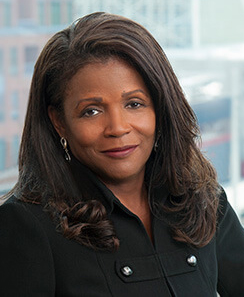
    Angela W. Russell
    Partner
    Wilson Elser Moskowitz Edelman & Dicker LLP

    Angela Russell is the regional managing partner of the Baltimore office and chair of the firm’s Diversity Committee. She has significant trial experience and has tried cases in the District of Columbia and across the state of Maryland. Her practice encompasses the defense of professional liability matters, including medical malpractice and legal malpractice actions in addition to claims against agents, brokers and other professionals. Angela regularly handles and supervises general casualty matters for insurers and self-insured entities on premises liability claims, security matters, hospitality cases and recreational defense claims. Angela is also frequently called on to handle toxic tort matters.

    Angela possesses an innate ability to connect with her clients, identify their needs and communicate effectively throughout the litigation cycle. Her rapport in the courtroom is equally impressive. An aggressive litigator, Angela is adept at tapping the persistence, preparation and training she gained early on in a variety of public speaking engagements and tackling two marathons. Angela worked at prominent defense firms in Minnesota and Washington, DC, prior to joining Wilson Elser.

    Professional Distinctions
    Angela is the former co-chairperson of the Civil Jury Instructions Committee for the Bar Association for the District of Columbia as well as a former adjunct professor at William Mitchell College of Law in St. Paul, MN.

    Read more about Angela Russell here …

  • Maximizing Insurance as Climate Change Intensifies

    Maximizing Insurance as Climate Change Intensifies

    HB presents an Anderson Kill webinar on-demand

    MAXIMIZING INSURANCE RECOVERY AS

    CLIMATE CHANGE INTENSIFIES

    As weather-induced disasters continue to intensify, maximizing insurance coverage after major storms, floods, wildfires, and other natural cataclysms is an essential survival skill for any business.

    In this session, attorneys who have successfully litigated property, business interruption and contingent business interruption claims from Hurricanes Katrina through Ida, along with wildfire and other major disaster claims, walk participants through all phases of insurance recovery, from buying the right policies to pursuing claims with persistence and awareness of pitfalls, to litigating successfully when necessary. Specific lessons from Hurricanes Sandy (2012), Harvey (2017) and Maria and Irma (2020) will be addressed.

    Topics:

    • Developing a pre-storm preparedness plan, including mitigation efforts, assembly of a claims team, and insurance coverage review;
    • Moving quickly to protect property from further damage, performing all emergency repairs, and documenting all losses in detail;
    • Preparing and presenting well-supported property damage claims;
    • Recognizing and including business interruption losses and extra expense outlays;
    • Highlighting policy interpretation issues that affect the scope of available coverage;
    • Outlining strategies for pursuing claims and incentivizing the insurance company to resolve them with due speed.

    On-Demand Registration

    Includes

    • 1+ CLE credits (subject to bar rules). CLE codes are embedded in the video. CLE questions?
    • Insights from experienced professionals.
    • The complete PowerPoint presentation.
    • Continued access to the complete recording for later use.
    • Answers to your questions via email to the presenters, or write to HB.

    Meet the Panel

    Finley Harckham
    Anderson Kill

    Finley is a senior litigation shareholder in the New York office of Anderson Kill and serves on
    the firm’s Executive Committee. Finley regularly represents and advises corporate policyholders and
    other entities in insurance coverage matters. He has successfully litigated, arbitrated and settled
    hundreds of complex coverage claims. His areas of particular focus include property loss, environmental,
    business interruption, directors and officers liability, construction, professional liability, aviation liability,
    cyber and general liability claims.

    Finley also has extensive experience in the field of international arbitration. His arbitration clients
    include government contractors, consumer products companies and manufacturers which Anderson Kill
    has represented in a wide range of disputes involving, among other things, service contracts, the
    purchase and sale of components, raw materials and products, and licensing agreements. He has
    successfully prosecuted and defended arbitrations in European countries and the United States under
    the London Arbitration Act, and the AAA, ICC and UNCITRAL arbitration rules.

    More about Finley

    Rhonda D. Orin
    Anderson Kill

    Rhonda is the managing partner of the firm’s Washington, D.C. office. She is also co-chair of the COVID Task Group. Rhonda represents policyholders in coverage cases nationwide, including cyber liability, third-party tort and environmental liability claims, first-party property damage and business interruption claims, directors & officers liability, errors & omissions liability, fidelity bonds and alternative risk transfer arrangements, including for employee benefit plans.

    She has served as lead counsel in multiple jury and bench trials, argued before the highest courts of several states, and appeared in two cases before U.S. Supreme Court. Through jury verdicts, summary judgment decisions and confidential settlements before and during litigation, she has recovered hundreds of millions of dollars for policyholders, including nine-figure recoveries.

    More about Rhonda

    Dennis J. Artese
    Anderson Kill

    Dennis is a shareholder in the New York office of Anderson Kill. He is also co-chair of the firm’s Construction Industry practice group and a member of the COVID Task group. Dennis’ national practice concentrates on all types of insurance recovery litigation, with an emphasis on securing insurance coverage for construction-related first-party property losses and third-party liability claims as well as for property and business interruption losses stemming from natural disasters and other perils.

    Dennis has substantial experience in all phases of litigation, arbitration and property insurance appraisals, and has recovered hundreds of millions of dollars of insurance proceeds on behalf of policyholders in connection with a variety of property, builder’s risk, commercial general liability, umbrella and excess liability, D&O, E&O, crime, and political risk insurance claims. Dennis also has extensive experience in litigating insurance broker malpractice cases and other general commercial litigation disputes, including construction-related disputes. Dennis has been recognized by Super Lawyers for Insurance Coverage since 2012. He also has been recognized by Legal 500 for Insurance Advice to Policyholders and singled out as being a “superb lawyer and subject-matter expert.”

    More about Dennis

    Ronald Papa
    National Fire Adjustment Co.

    Ronald has been instrumental in NFA’s growth for more than 30 years. He has successfully adjusted more than 2,000 insurance losses working for a wide range of clients. Ron earned the prestigious designation of Senior Professional Public Adjuster and is accredited by the National Association of Public Insurance Adjusters (NAPIA), of which he is past president.

    He was named Person of the Year by NAPIA for “outstanding leadership” and recently addressed the National Symposium of Insurance Commissioners at their conference in Florida. Ron is approved as an instructor by numerous State Insurance Departments, the New York State Bar Association, and the Society of CPAs. He graduated from Niagara University.

    More about Ronald

    On Demand Registration

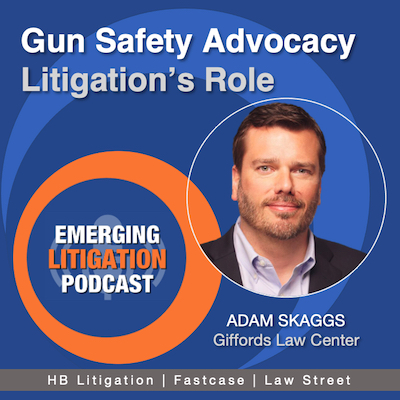
  • Litigation’s Role in Gun Safety Advocacy with Adam Skaggs

    Litigation’s Role in Gun Safety Advocacy with Adam Skaggs

    We’re closing in on 400 million guns in America, weapons that have been used to kill 1.5 million Americans between 1968 and 2017. Can litigation be an effective tool in curbing this loss of life?

    In 2020 alone there were more than 45,000 gun deaths. The beyond tragic and senseless mass shootings at schools has become all too routine. Most Americans want stricter gun laws which they believe will reduce the senseless killing in our country, which leads the world in both the number of privately owned firearms and gun-related deaths.

    The Supreme Court, of course, didn’t take public opinion into account when it struck down a more than century old New York City ban on concealed firearms. Politicians do, however, pay close attention to polls. At the federal level, President Joe Biden signed a bipartisan law designed to make Americans safer in our gun-toting nation. Hailed as a “great start” and a rare but welcome exercise in reaching across the aisle, the law will result in safer citizens, but didn’t include much of what gun advocates say is really needed to effect meaningful change. In California, Governor Gavin Newsom signed a new law that gives citizens incentives to pursue gun manufacturers and dealers who sell illegal firearms. In New York, Democratic leaders, undaunted by the Supreme Court, have pushed through new gun restrictions at vulnerable locations like schools, malls, and stadiums.

    But what can lawyers and lawsuits do about it? Plenty. What reasonable measurers can be put into place that will not infringe on Second Amendment rights?  Several. Are we seeing litigation over these issues? You bet.

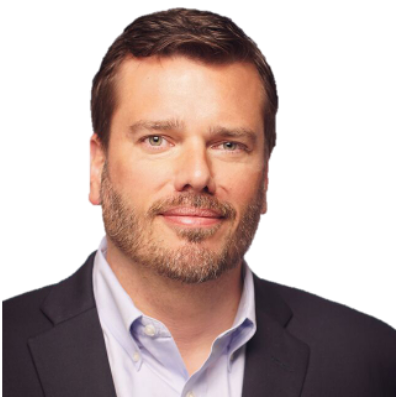
    For more specifics, listen to my interview with Adam Skaggs, chief counsel and policy director at leading gun safety advocacy group Giffords Law Center, co-founded by former Congresswoman Gabby Giffords. Prior to Giffords Law Center Adam was senior counsel at Everytown for Gun Safety and at the Brennan Center for Justice, where he worked on election law issues.  Adam’s commentary has been published in Slate, Politico, the Atlantic, and the New York Times, among other publications, and he has been widely quoted by media ranging from the Wall Street Journal and Fox News to the New York Times and MSNBC. Adam graduated summa cum laude from Brooklyn Law School, received an MS in Urban Affairs from Hunter College of the City University of New York, and holds a BA, awarded with distinction, from Swarthmore College.

    If you would like to learn more about Giffords Law Center and how you can get engaged, please reach out to to them. You may also email Adam directly. 

    This podcast is the audio companion to the Journal on Emerging Issues in Litigation. The Journal is a collaborative project between HB Litigation Conferences and the Fastcase legal research family, which includes Full Court Press, Law Street Media, and Docket Alarm. The podcast itself is a joint effort between HB and our friends at Law Street Media. If you have comments or wish to participate in one our projects please drop me a note at Editor@LitigationConferences.com.

    Gun Safety: The Role of Litigation in Advocacy

    Adam Skaggs

    Adam SkaggsChief Counsel & Policy Director

    Adam Skaggs serves as Giffords Law Center’s chief counsel and policy director. Previously, he was senior counsel at Everytown for Gun Safety and at the Brennan Center for Justice, where he worked on election law issues. Adam was also a litigation associate at Paul, Weiss, Rifkind, Wharton & Garrison and a law clerk at the Eleventh Circuit and the US District Court for the Eastern District of New York.

    Adam’s commentary has been published in Slate, Politico, the Atlantic, and the New York Times, among other publications, and he has been widely quoted by media ranging from the Wall Street Journal and Fox News to the New York Times and MSNBC.

    Adam graduated summa cum laude from Brooklyn Law School, received an MS in Urban Affairs from Hunter College of the City University of New York, and holds a BA, awarded with distinction, from Swarthmore College.

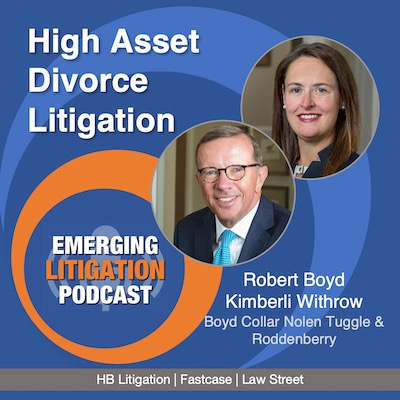
  • High-Asset Divorce Litigation with Robert D. Boyd and Kimberli C. Withrow

    High-Asset Divorce Litigation with Robert D. Boyd and Kimberli C. Withrow

    High-Asset Divorce Litigation 

    Let’s assume this is good news. The divorce rate appears to be coming down. Either people are more committed to these unions or have succumbed to lifetimes of misery. But the common belief — that “50% of all marriages end in divorce” — doesn’t enjoy statistical support. Six percent of people who divorce get back together, so that’s something, too.  

    According to Monster.com, the rate is higher among people working in fading industries, like certain machine operators. Despite frequent coverage of Hollywood breakups, they don’t mention entertainers, other than dancers and choreographers, who don’t fare well in marriage. Lawyers, in general, do not have a particularly high divorce rate.

    For insights into high-asset divorces, listen to my interview with Robert D. Boyd and Kimberli C. Withrow  of Boyd Collar Nolen Tuggle & Roddenbery.

    Bob Boyd is a widely recognized leader in the practice of high-net-worth divorce litigation and contested custody cases. He is a former prosecutor and a U.S. Army Ranger and Paratrooper.  Education: J.D., West Virginia University (Editor-in-Chief, West Virginia Law Review); B.A., United States Military Academy at West Point.

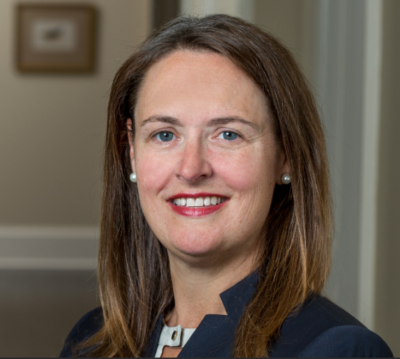
    Kimberli Withrow has 16 years’ experience representing clients in family law matters. She has served as trial counsel and hearings involving divorce, child custody, and child support matters.  Education: J.D., Emory University School of Law; B.A., Duke University.Speaking of which, this podcast is the audio companion to the Journal on Emerging Issues in Litigation. The Journal  is a collaborative project produced by HB Litigation Conferences and the Fastcase legal research family, which includes Full Court Press, Law Street Media, and Docket Alarm. The podcast itself is a joint effort between HB and our friends at Law Street Media. If you have comments or wish to participate in one our projects, or want to tell me how much you learned today – or if you’d like a copy of John’s and Jihee’s article — please drop me a note at Editor@LitigationConferences.com.

    This podcast is the audio companion to the Journal on Emerging Issues in Litigation. The Journal is a collaborative project between HB Litigation Conferences and the Fastcase legal research family, which includes Full Court Press, Law Street Media, and Docket Alarm. The podcast itself is a joint effort between HB and our friends at Law Street Media. If you have comments or wish to participate in one our projects please drop me a note at Editor@LitigationConferences.com.

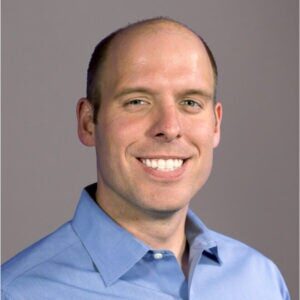
    Tom Hagy
    Litigation Enthusiast and
    Host of the Emerging Litigation Podcast

    P.S. I don’t know why, but at some point I believe I mentioned chihuahua’s as a form of currency, and then something about Bezos. I’m sure it made sense at the time. It’s more likely, however, that it didn’t.

    Our Guests

    Robert Boyd

    Robert BoydBoyd Collar Nolen Tuggle & Roddenbery

    Bob Boyd is a widely recognized leader in the practice of high-net-worth divorce litigation and contested custody cases. He is a former prosecutor and a U.S. Army Ranger and Paratrooper. Education: J.D., West Virginia University (Editor-in-Chief, West Virginia Law Review); B.A., United States Military Academy at West Point.

    For more than 15 years, he has been selected by the Best Lawyers of America in the area of family law.

    Kimberli Withrow

    Kimberli WithrowBoyd Collar Nolen Tuggle & Roddenbery

    Kimberli Withrow has 16 years’ experience representing clients in family law matters. She has served as trial counsel and hearings involving divorce, child custody, and child support matters. Education: J.D., Emory University School of Law; B.A., Duke University.

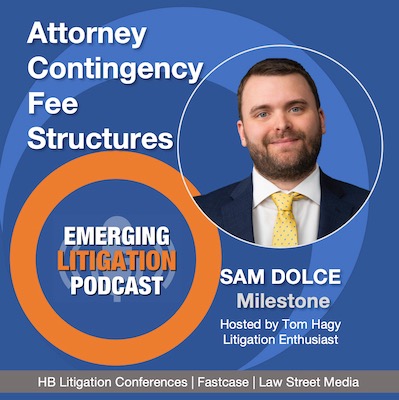
  • Attorney Fees and Settlement Funds with Sam Dolce

    Attorney Fees and Settlement Funds with Sam Dolce

    Our Guest

    Sam Dolce

    Sam DolceAttorney

    As an attorney at Milestone, Sam Dolce provides in-depth, comprehensive consultations with attorneys about qualified settlement funds, fee deferral, and settlement planning. He also oversees the establishment of QSFs.

    Sam received a Bachelor of Arts in History from Macalester College, followed by a Juris Doctor from SUNY Buffalo Law School. He served as a participant in the New York State Pro Bono Scholar Program and has received multiple acknowledgements and awards for his dedication to pro bono service and social justice. As a subject matter expert, Sam is a regular speaker and presenter at academic and legal conferences regarding post-settlement strategies.

    Attorney Fees and Settlement Funds with Sam Dolce

    Uncle Sam has created a way for you keep more of your hard-won settlement or award, but there is much to consider and new information to weigh.

    When a contingency fee case reaches a verdict or settlement, it’s a big day for a plaintiff attorney. You have worked hard and shouldered litigation costs — often for years without compensation — to achieve the best outcome for your client.

    In this episode I get to speak with a financial management professional who specializes in advising trial attorneys how they can take full advantage of attorney fee structures. The concept of fee deferral arrangements may be familiar to you, but the landscape continues to evolve.

    My guest is Sam Dolce, an attorney with Milestone, a financial firm that optimizes settlement funds for trial attorneys and plaintiffs.  Sam consults with legal professionals about about Qualified Settlement Funds, fee deferrals, and settlement planning. Sam received his B.A. from Macalester College and his J.D. from SUNY Buffalo Law School. Thanks to Sam for sharing his insights.

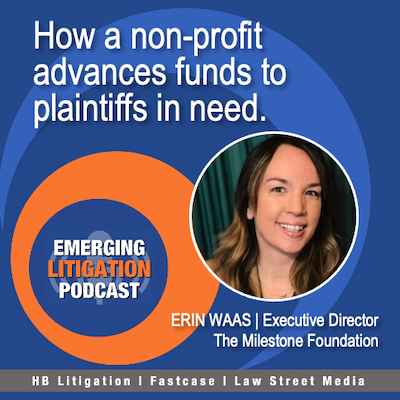
    On a previous episode you can hear Sam’s colleague, Erin Waas, who heads up the Milestone Foundation, a non-profit organization that provides low-cost funding to injured individuals in need of cash as their personal injury cases wind their way through court.

    This podcast is the audio companion to the Journal on Emerging Issues in Litigation. The Journal is a collaborative project between HB Litigation Conferences and the Fastcase legal research family, which includes Full Court Press, Law Street Media, and Docket Alarm. The podcast itself is a joint effort between HB and our friends at Law Street Media. If you have comments or wish to participate in one our projects please drop me a note at Editor@LitigationConferences.com.

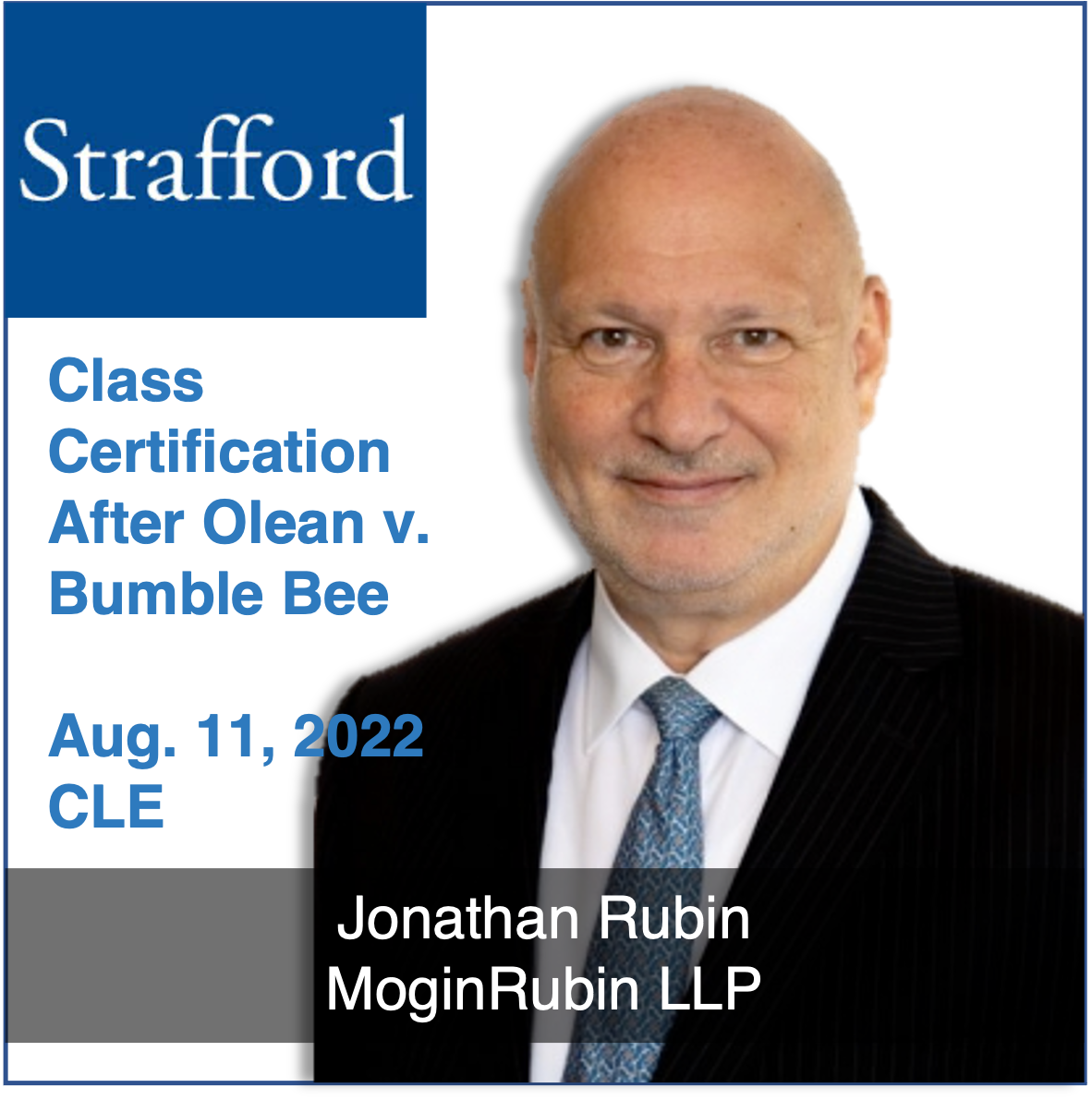
  • Class Certification After Olean v. Bumble Bee with Jonathan Rubin of MoginRubin LLP

    Class Certification After Olean v. Bumble Bee with Jonathan Rubin of MoginRubin LLP

    Featured Speaker

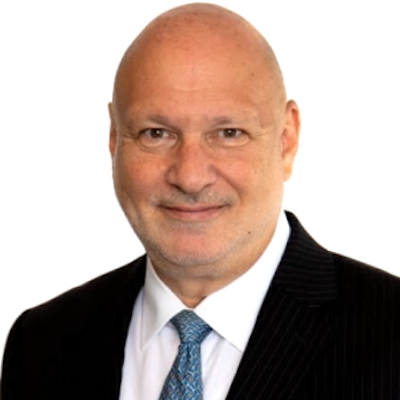
    Jonathan Rubin

    Jonathan RubinPartner

    Jonathan focuses his practice exclusively on antitrust and competition law and policy. As a litigator, he has led trial teams in major antitrust cases in courts throughout the country. As a thought-leader in competition law, he has published in influential academic journals and has spoken to numerous professional groups, including the Directorate General for Competition of the European Commission, the Antitrust Section of the American Bar Association, the University of Wisconsin, and the American Antitrust Institute. Jonathan has also made several appearances before congressional committees.

    More About Rubin

    For more information please email Tom Hagy

    Explore more from MoginRubin LLP!

    Blog: Emboldened by New Resources and Expanded Authority, Feds Continue 10-Year Look Back at Chinese Investment. By Dan Mogin, Jonathan Rubin, Jennifer Oliver, and Timothy LaComb. List

    OnDemand CLE Webinar: The Antitrust Case Against Google. Dan Mogin, Jonathan Rubin, Jennifer Oliver, Timothy LaComb, John Newman, Dr. Alan Grant

    Blog: FTC’s Case Against Facebook Will Test the Flexibility of U.S. Antitrust Law.Authors: Jonathan Rubin and Jennifer Oliver, MoginRubin LLP

    Blog: Full Ninth Circuit Removes Unwarranted Hurdles to Class Certification.

    Journal: Policy Derailed: Can U.S. Antitrust Policy Toward Standard Essential Patents Get Back on Track by Jonathan Rubin

    Webinar: Class Certification After Olean v. Bumble Bee with Jonathan Rubin, James Bogan lll, Jonathan Cohn, Bradley Hamburger.

    Journal: FTC v. Amazon: Market Definitions and Section 5 of the FTC Act

    Podcast: Algorithmic Software Facilitated Price Fixing with Jonathan Rubin

    Plus, additional insights from the MoginRubin Blog.

    Class Certification After Olean v. Bumble Bee

    Expert Testimony, Uninjured Class Members, and Article III Standing 

    This CLE course will discuss the ramifications arising from the Ninth Circuit’s en banc decision in Olean Wholesale Grocery v. Bumble Bee Foods, 31 F.4th 651 (9th Cir. 2022) (en banc), addressing numerous important class certification issues. The program will address Olean’s critical holdings regarding the evidentiary burden under Rule 23, how expert testimony should be assessed at the class certification stage, and the relevance of injury and Article III standing to assessing Rule 23’s predominance requirement and the scope of a proposed class definition. The panel will discuss the impact Olean will have for both plaintiffs and defendants, and will assess how lower courts have reacted to this important Ninth Circuit ruling.

    Description

    Olean addresses numerous key class certification issues and outlines a refined framework for class certification that may extend beyond the Ninth Circuit. The decision clarifies the burden of proof under Rule 23 and a district court’s obligation to assess both the admissibility of expert evidence and its adequacy to satisfy the prerequisites of Rule 23. Counsel will need to understand Olean’s holding regarding uninjured class members. While the Ninth Circuit rejected a categorical rule that a class cannot be certified if it includes more than a de minimis number of uninjured members, it emphasized that injury, both as an element of the underlying claim and as a requirement of Article III, is an essential issue in determining whether Rule 23(b)(3)’s predominance requirement is satisfied.

    Listen as this panel of preeminent class action lawyers discusses how Olean will affect certification and offers new strategies to consider. Get the history of the case, its key holdings and strategies for applying them, and recent decisions applying it.

    The panel will discuss these and other critical issues:

    • How will the issue of uninjured class members impact class certification after Olean?
    • How will Olean change the use of expert testimony at the class certification stage?
    • How will Olean’s guidance impact consumer and employment class actions?

    The speakers:

    Jonathan Rubin, Partner, MoginRubin LLP

    James F. Bogan, III, Partner, Kilpatrick Townsend & Stockton

    Jonathan F. Cohn, Partner, Sidley Austin

    Bradley J. Hamburger, Partner, Gibson Dunn & Crutcher

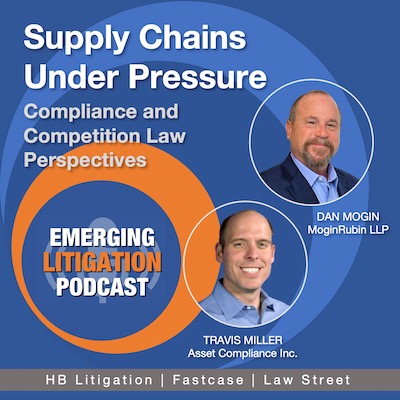
  • Under Pressure: How’s the Integrity of Your Supply Chain? — with Dan Mogin and Travis Miller

    Under Pressure: How’s the Integrity of Your Supply Chain? — with Dan Mogin and Travis Miller

    Our Guests

    Travis Miller

    Travis Miller Assent Compliance Inc.

    Travis is an international trade and compliance attorney who specializes in ITAR/EAR/sanctions, global anti-corruption and anti-slavery, codes of conduct, environmental health and safety, product stewardship, and corporate social responsibility.

    Travis manages Assent’s worldwide legal activities, advises the Board of Directors on legal matters, and oversees corporate compliance, governance initiatives, and other commercial transactions. Before coming to Assent, he served in various high-level counsel positions with companies such as Microchip Technology, Foresite Group, and St. Jude Medical.

    Dan Mogin

    Dan MoginMogin Rubin LLP

    Dan Mogin is co-founding and managing partner of MoginRubin LLP, a leading boutique law firm that focuses on antitrust law and other complex business disputes. A true thought leader in the field, Dan has served as lead counsel in numerous large antitrust cases, chaired the Antitrust Section of the California Bar, taught antitrust law, and was editor-in-chief of a leading competition law treatise.

    Under Pressure: How’s the Integrity of Your Supply Chain? — with Dan Mogin and Travis Miller

    Pressure builds when budgets are cut and fewer resources are available to maintain the necessary vigilance to remain compliant with often complex and changing regulations.

    Corporate risk can be caused by laxity, inattention, misconduct, unethical behavior, or even illegal activities by people and organizations in your supply chain. Often these things are what happen when people are under pressure. They may feel pressure to bend rules to hit sales targets, or they feel significant competitive pressure.

    Listen to my interview in two acts with Travis Miller, General Counsel at Assent Compliance Inc. and Dan Mogin is co-founding and managing partner of MoginRubin LLP, a leading boutique law firm that focuses on antitrust law and other complex business disputes. In Act 1 we discuss the conduct of a fictitious airline that is marketing itself as a green company and its competitors are crying foul, and by that I mean suing them. In Act 2 a fictitious semiconductor manufacturer that is allegedly using its considerable market power to trounce competitors. The fictitious scenarios involving these fictitious companies are as follows:

    Act 1: Greenwashing by AirGreen Corp.

    Commercial jets disproportionately spew high amounts of carbon into the atmosphere. There is no practical way to significantly reduce these harmful pollutants. Corporations are under pressure to be environmentally responsible, and demonstrate they are genuinely embracing the ESG movement. When it comes to carbon neutrality, the FTC says companies should not make “broad, unqualified” claims that they are running green businesses without “reliable scientific evidence” that their carbon offsets will have a timely impact. AirGreen, a major yet fictitious air shipping company, launched a global ad campaign called Super Green Air, dubbing itself the first commercial airline to be carbon neutral. AirGreen hasn’t actually reduced harmful emissions from its flights. Instead, it has purchased carbon offsets, which means it paid to reduce the emissions from other sources, while not actually reducing its carbon footprint. AirGreen’s competitors have filed suits and complaints with the FTC that this is false advertising that gives AirGreen a competitive edge in the air shipping market. 

    Act 2: MegaTech Monopolizing Semiconductor Chips (starts at minute 47:47)

    The global semiconductor industry makes products that run the world. They’re in PCs, large mainframes, smartphones, cable and internet equipment, electric cars, and wind turbines. The demand for silicon chips is enormous. These chips are manufactured by a dirty, environmentally unfriendly process. Their manufacture also relies on a “complex, dynamic and multidirectional global supply and services matrix” (aka supply chain). Recent clogs in that supply chain caused by the Covid pandemic and Russia’s invasion of Ukraine demonstrate that. When people think of monopolies, they think of big conglomerates that control huge markets, like AT&T and Microsoft. AT&T ruled over telephone communications without competition for years. They were “the phone company.” If you wanted assistance their number was “0.” In the case of Microsoft, it controlled more than 95% of the PC operating system market. But monopolies can also mean dominance of one specific piece of one specific product maybe even in a specific region. You could have a monopoly if you made all cell phones, or you could hold a monopoly if you make a component that makes all cellphones work. MegaTech is one such company, albeit a fictitious one. It makes the chip that makes your cable box work. In fact, they are the only maker of these chips. MegaTech has already been investigated and sued by the FTC. It has already agreed to stop anticompetitive conduct such as exclusivity arrangements with its customers. And, it has already broken that promise and is being investigated again. Some of its suppliers are considering major litigation, too.

    We discuss these scenarios from the perspectives of in-house compliance and legal professionals, outside counsel specializing in competition law, and a journalist covering the legal industry.

    This podcast is the audio companion to the Journal on Emerging Issues in Litigation. The Journal is a collaborative project between HB Litigation Conferences and the Fastcase legal research family, which includes Full Court Press, Law Street Media, and Docket Alarm. The podcast itself is a joint effort between HB and our friends at Law Street Media. If you have comments or wish to participate in one our projects please drop me a note at Editor@LitigationConferences.com.

    Tom Hagy
    Litigation Enthusiast and
    Host of the Emerging Litigation Podcast

    p.s. I add brief insights, humbly, on behalf of the Fourth Estate. In so doing, I also demonstrate why — if you’re no good at multitasking —  don’t. Especially around smart people who are really paying attention.  Also, if at some point you think you hear birds chirping, it might be time to see someone. Special thanks to our sound engineer, Jordan Forbes.

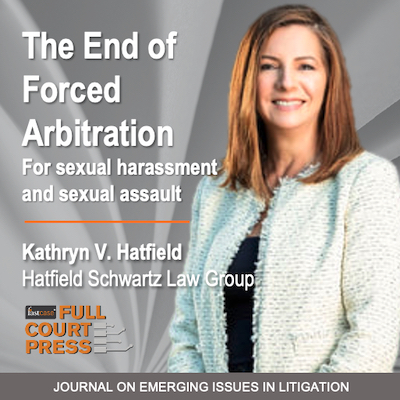
  • The “Ending Forced Arbitration of Sexual Assault and Sexual Harassment Act of 2021” Finally Levels the Playing Field by Kathryn Hatfield

    The “Ending Forced Arbitration of Sexual Assault and Sexual Harassment Act of 2021” Finally Levels the Playing Field by Kathryn Hatfield

    The Author

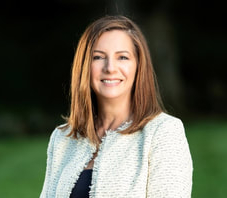
    Kathryn Hatfield

    Kathryn HatfieldHatfield | Schwartz Law Group

    Kathryn V. Hatfield (khatfield@hatfieldschwartzlaw.com) is a
    partner in the women-owned law firm of Hatfield Schwartz Law Group
    LLC where she focuses on advising and representing management in
    labor and employment law matters. Kathryn is a member of the Editorial Advisory Board for the Journal of Emerging Issues in Litigation.

    The Journal on Emerging Issues in Litigation

    Emerging Litigation Podcast

    Emerging Litigation PodcastProduced by HB Litigation and Law Street Media

    Interviews with leading attorneys and other subject matter experts on new twists in the law and how the law is responding to new twists in the world.

    The “Ending Forced Arbitration of Sexual Assault and Sexual Harassment Act of 2021” Finally Levels the Playing Field

    “While arbitration offers privacy and confidentiality, it is for exactly these reasons that the #MeToo movement developed. Moreover, other than perhaps the differences in the speed of the two processes, the advantages of arbitration can be flipped on their head and become disadvantages.”

    Abstract: The Equal Employment Opportunity Center alone receives on average approximately 7,000 sexual harassment claims a year, a figure that does not include claims filed with state and local agencies. The cost of resolving these claims logged by the EEOC averages $63 million a year based on the past four years. On average, there are nearly 464,000 victims (age 12 or older) of rape and sexual assault in the United States each year. The Centers for Disease Control and Prevention reports that nearly 1 in 5 women in America experiences a rape or attempted rape, and nearly 44 percent of women and about 25 percent of all men experience some form of sexual violence in their lifetime. A White House statement called sexual assault a “public health crisis.” But victims of sexual harassment and assault in the workplace have not had open access to the courts due to mandatory arbitration clauses in their employment agreements. In this article, an experienced labor law attorney discusses a new law that puts an end to forced arbitration, what it means to existing claims, and its impact on victims, employees, and employers. 

    Introduction

    The Act adds a new section to the Federal Arbitration Act (FAA). The FAA was passed in 1925 to ensure that courts enforce arbitration agreements contained in “a contract evidencing a transaction involving commerce.” See 9 U.S.C. § 2. Although the FAA was intended to address maritime and commercial disputes, in a series of decisions beginning in the 1980s, the United States Supreme Court “dramatically expanded the applicability of the FAA to arbitration clauses in everyday contracts.” See House Judiciary Committee Report.

    According to that Report, the Supreme Court “has upheld the enforcement of arbitration clauses even when doing so prevents an individual from vindicating a state or federal statutory right. Furthermore, by imposing arbitration on a ‘take it or leave it’ basis, large companies have largely eviscerated the congressional intent of arbitration as a voluntary process agreed to between parties of equal bargaining power.” Id. Ultimately, in 1991, the Supreme Court ruled that an employee whose employment contract contained an arbitration provision was required to arbitrate her claims, thus bringing arbitration mandates into the workplace. See Gilmer v. Interstate/ Johnson Lane, 500 U.S. 20 (1991). Twenty years later, the Supreme Court expanded its jurisprudence on forced arbitration in AT&T Mobility LLC v. Concepcion, 563 U.S. 333 (2011), and American Express Co. v. Italian Colors Restaurant, 570 U.S. 228 (2013), holding that class action waivers in mandatory arbitration agreements were broadly enforceable. The combination of this case law ensured that employers could now protect themselves from court litigation for both individual and class action claims.

    Arbitration requirements are now widespread in consumer contracts and, often, consumers are unaware that they are entering into forced arbitration agreements. Most arbitration clauses are found in application forms, employment contracts, employee handbooks, privacy policies, and even monthly billing statements. The House Judiciary Report noted that these clauses are hidden in order to prevent consumers from pursuing their claims in court and gave an example highlighting the inequity of forced arbitration. In that case, Massage Envy, the largest massage chain in the country, compelled victims of sexual assault to arbitrate their claims and refused to allow women to cancel their monthly membership unless they agreed to forced arbitration …. keep reading!

    Download the article now!

  • Alternative Financial Support for Plaintiffs During Litigation with Erin Waas

    Alternative Financial Support for Plaintiffs During Litigation with Erin Waas

    Our Guest

    Erin Waas

    Erin WaasThe Milestone Foundation

    Erin Waas is Executive Director of The Milestone Foundation, a national 501(c)(3) nonprofit that provides financial assistance to people pursuing a personal injury lawsuit. Erin brings nearly two decades of experience working in the public sector and with nonprofits in fundraising and communications, most recently at the University at Buffalo, where she served as senior advancement writer.

    Prior to relocating to Buffalo, Erin spent the bulk of her career to-date in Boston, where she worked in stewardship at Harvard University and as a consultant for nonprofits of all sizes.

    Alternative Financial Support for Plaintiffs During Litigation with Erin Waas

    For an individual, merely navigating litigation can be expensive, time consuming, and at times overwhelming. But when that individual is also unable to work, or cannot function normally  because they have been disabled by an injury, that explodes the level of stress on a person and their family.

    There are companies in the “non-recourse settlement advancement” space that will provide financial support to claimants in litigation. This helps them with their regular daily expenses – plus medical costs – until their case settles or until they receive an award. But most of these companies, as you can imagine, are for-profit entities. As such, their fees can make their support unaffordable and can leave the plaintiff with a substantially diminished payout.

    Listen to my interview with Erin Waas, Executive Director of The Milestone Foundation, a national 501(c)(3) nonprofit that provides financial assistance to people pursuing a personal injury lawsuit. Erin brings nearly two decades of experience working in the public sector and with nonprofits in fundraising and communications, most recently at the University at Buffalo, where she served as senior advancement writer. Prior to relocating to Buffalo, Erin spent the bulk of her career to-date in Boston, where she worked in stewardship at Harvard University and as a consultant for nonprofits of all sizes.  Speaking of fundraising, and if you believe in the cause, consider supporting the Foundation with a donation today.

    This podcast is the audio companion to the Journal on Emerging Issues in Litigation. The Journal is a collaborative project between HB Litigation Conferences and the Fastcase legal research family, which includes Full Court Press, Law Street Media, and Docket Alarm. The podcast itself is a joint effort between HB and our friends at Law Street Media. If you have comments or wish to participate in one our projects please drop me a note at Editor@LitigationConferences.com.

    Tom Hagy
    Host
    Emerging Litigation Podcast