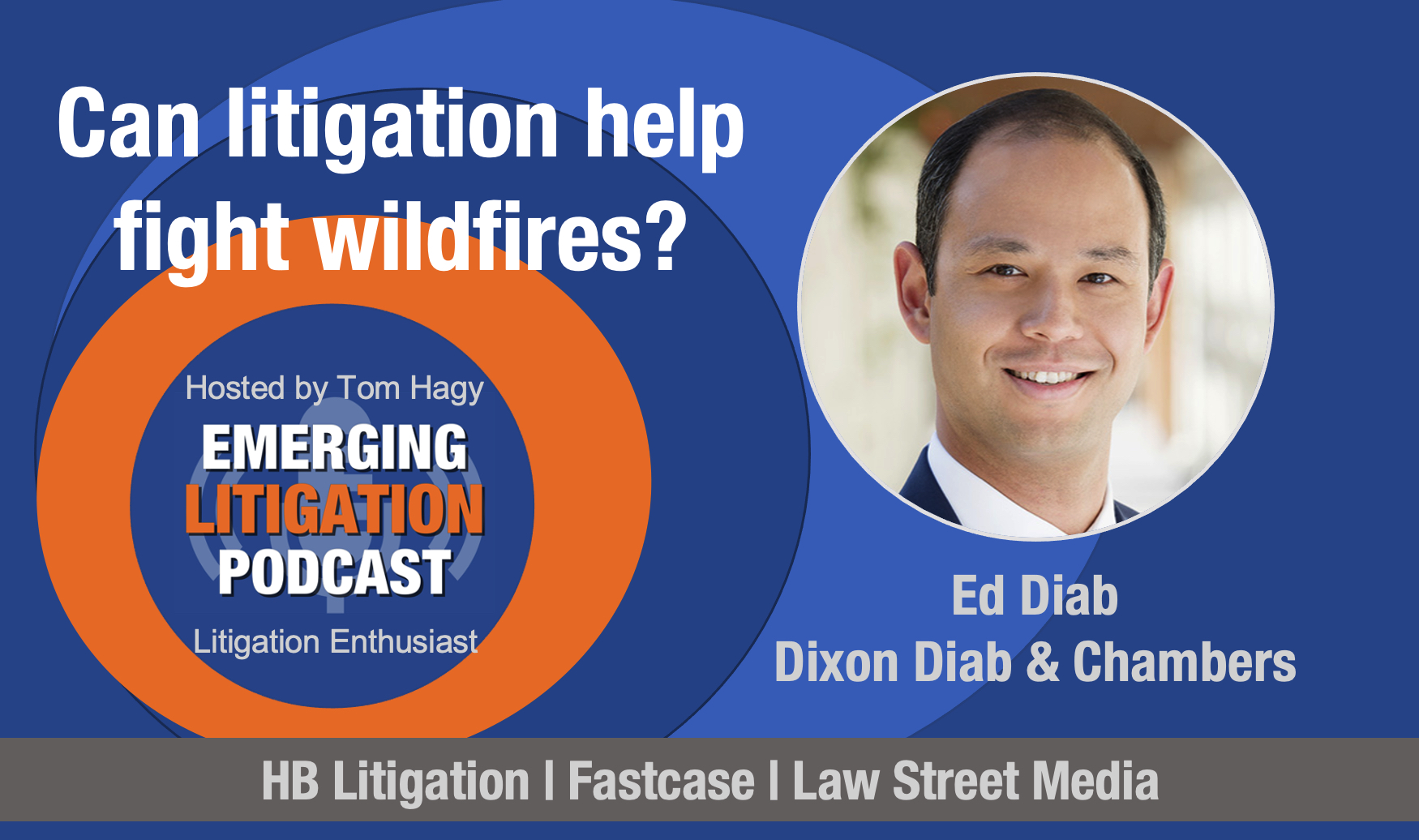
The Authors

Scott DeVriesHunton Andrews Kurth LLP
Scott P. DeVries (sdevries@huntonak.com) is a special counsel
in the Hunton Andrews Kurth LLP’s Insurance Coverage group in the
firm’s San Francisco office where he exclusively represents policyholder
clients. An experienced trial and appellate lawyer who has served as lead
counsel in landmark appeals in the field of insurance coverage in the
California Supreme Court, the Ninth Circuit, and the California Court
of Appeal, as well as high-value jury trials, Scott routinely represents
clients throughout the country seeking recovery from their insurers
on a wide range of insurance issues arising under first-party property
policies, comprehensive general liability policies, directors and officers
policies, EPLI policies, crime policies, crypto and digital asset policies,
and cyber policies.
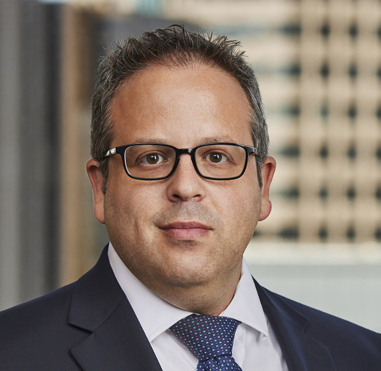
Yosef ItkinHunton Andrews Kurth LLP
Yosef Itkin is an associate in Hunton Andrews Kurth LLP’s Insurance Coverage group in the firm’s Los Angeles office. His practice focuses on representing and advising
corporate policyholders in complex insurance coverage matters.

Emerging Litigation PodcastProduced by HB Litigation and Law Street Media
Interviews with leading attorneys and other subject matter experts on new twists in the law and how the law is responding to new twists in the world.
Wildfire Claims and Coverage
“The wildfires are causing enormous losses for innumerable businesses on the West Coast. Often, you should be able to work with your adjuster to reach a satisfactory resolution. But where needed, you may wish to reach out to policyholder-side lawyers—whether to test what you may be entitled to or to help maximize recovery.”
Abstract: Wildfires destroy millions of acres a year in the United States, spewing smoke across much of the nation. The cost of damage alone over the past several years soars into the hundreds of billions. When policyholders turn to their insurers many benefit from the coverage they wisely secured. But not all policyholders get the coverage they believe they paid for. When and how they present their claims is a critical factor. In this article, the authors strive to provide a comprehensive understanding of coverage risks, the regulatory landscape, and navigating the all-important claims process.
Sparked by lightning storms, devastating wildfires claimed more than 10 million acres in 2020, releasing substantial amounts of smoke above the western United States. Accuweather founder and CEO Dr. Joel N. Myers called 2020 “the worst fire season in history,” and estimated that the total damage and economic loss would be between $130 billion and $150 billion. And 2021 was not any better. According to the Insurance Information Institute, in 2021, while the hottest temperatures on record were recorded in California, Nevada, Oregon, Washington, and Arizona, and drought conditions reached an all-time high, the number of wildfires remained approximately the same (58,900) although the number of acres destroyed reduced to 7.1 million acres from the year before. Some of the wildfires were among the largest on record with the Bootleg Fire in Oregon destroying 400,000 acres and the Marshall Fire in Colorado causing an estimated $1 billion in losses.
Fortunately, many individuals and businesses are fully insured, and most insurance companies work with policyholders to process claims and help them rebuild and get them back up and running. However, it does not always work that way for every insured. While property insurance may cover much of the losses from wildfires and other catastrophic events, not every policyholder is made whole or anything approaching this. And even for those that are fully insured, when and how to present a claim can materially affect how much they recover and when. This can be extraordinarily difficult at any time, but especially when a fire has destroyed everything.