Tag: Non-Fungible Tokens (NFTs)

  • IP Protection, Secure Transactions, and Bored Apes: NFTs with Cameron Pick

    IP Protection, Secure Transactions, and Bored Apes: NFTs with Cameron Pick

    IP Protection, Secure Transactions, and Bored Apes:

    NFTs with Cameron Pick

    Concepts: Emerging Technologies, Intellectual Property

    NFTs – or non-fungible tokens – have taken the digital world by storm – or perhaps just a downloadable picture of a storm – promising to revolutionize not only the way we perceive, protect, purchase, and own digital assets, but how we might even buy a house or other assets in the real world. 

    These unique digital certificates, recorded on a blockchain, exploded onto the scene in post-pandemic 2021 with record-breaking sales and widespread media coverage. One of the most amazing examples is “The Merge” by the anonymous artist Pak, which sold for a staggering $91.8 million.

    The Bored Ape Yacht Club is another fascinating story. This collection of 10,000 unique, cartoonish apes, each with its own distinct features, became incredibly popular in 2021. Owning a Bored Ape would become a status symbol in the NFT community.

    However, the meteoric rise of NFTs was followed by a significant downturn, leading many to question the future of NFTs. While the initial hype and astronomical prices may have subsided, the underlying technology and potential of NFTs remain promising.

    For insights into this evolving landscape, listen to my conversation with Cameron Pick of Marshall Gerstein. An experienced expert in intellectual property law with a focus on emerging technologies, Cameron advises clients on a range of legal issues related to NFTs, blockchain, and cryptocurrency. He holds a J.D. from Duke University School of Law and a B.S. with honors in electrical engineering from the University of Illinois, Urbana-Champaign.

    I hope you enjoy the conversation! If so, give us a rating!

    This podcast is the audio companion to the Journal on Emerging Issues in Litigation. The Journal is a collaborative project between HB Litigation Conferences and the vLex Fastcase legal research family, which includes Full Court Press, Law Street Media, and Docket Alarm.

    If you have comments, ideas, or wish to participate, please drop me a note at Editor@LitigationConferences.com.

    Tom Hagy
    Litigation Enthusiast and
    Host of the Emerging Litigation Podcast
    Home Page
    LinkedIn
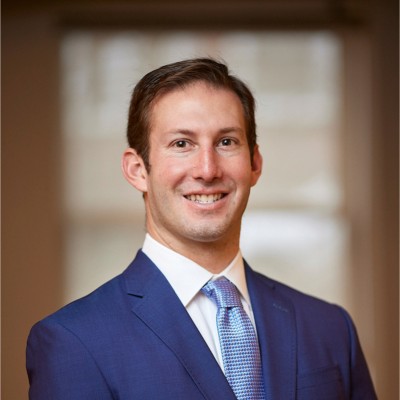
    Cameron Pick

    Cameron PickMarshall Gerstein

    Cameron prosecutes domestic and foreign patents for emerging technologies across a range of industries, with a particular focus on electrical and software engineering. He also prepares patentability, infringement, and freedom-to-operate opinions; responds to USPTO office actions; provides day-to-day intellectual property counseling; and develops sophisticated, forward-thinking patent strategies for a diverse clientele, ranging from startups to Fortune 100 companies. Cameron’s appeal briefs have delivered a number of client victories before the Patent Trial and Appeal Board.

    While earning his J.D., Cameron was a member of the Patent Law Society at Duke University School of Law. Prior to joining Marshall Gerstein, he worked as a patent extern at the United States Patent and Trademark Office.
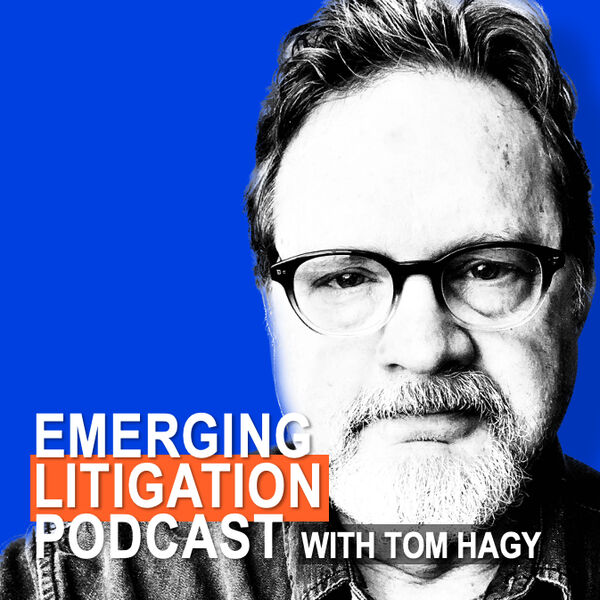
    podcast logo face


    Want to appear on the Emerging Litigation Podcast?


    Send us your idea! 

    It might even make this man smile. “But I am smiling here.”

    No. No he’s not.
  • Copyrightability of AI Generated Work

    Copyrightability of AI Generated Work

    Copyrightability of AI Generated Work

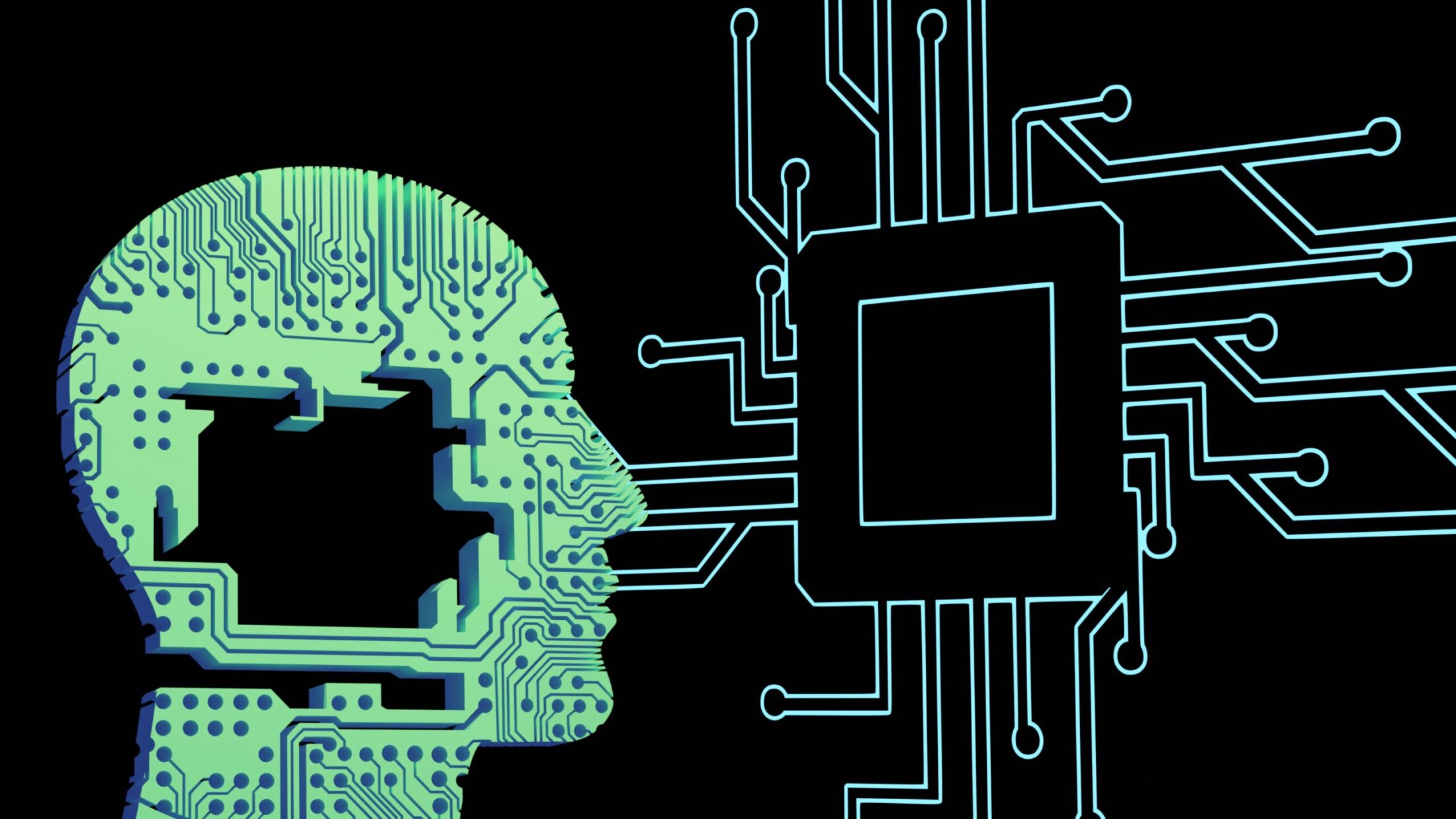
    Close-up photo of a motherboard with electrical components arranged in the shape of a human face, symbolizing the intersection of technology and human creativity.

    Gain a better understanding of the challenge of determining human authorship in AI-generated works, the guidance and disclosure rules established by the Copyright Office, the importance of addressing copyright ownership and usage rights in AI-related license agreements, and the implications of joint ownership of AI models and output.

    AI-generated works must meet the human authorship requirement to be eligible for copyright protection according to the U.S. Copyright Office, which has refused registration for AI-generated images due to the unpredictability of the output and the lack of sufficient human authorship. Different countries, however, have varying approaches to copyright protection for AI-generated works, which our speakers discuss. Take this course for insights into specific cases that illustrate the challenge of determining human authorship in AI-generated works, guidance and disclosure rules established by the Copyright Office, the importance of addressing copyright ownership and usage rights in AI-related license agreements, recent cases, and the implications of joint ownership of AI models and output.

    Learning Objectives

    Artificial Intelligence (AI). Understand artificial intelligence and its basic concepts. Be able to explain the different types of AI and their applications in creative fields.

    Human Authorship and Copyright Law. Understand the traditional concept of authorship under copyright law, and the challenges in applying copyright law to AI-generated works.

    Copyright Office Guidelines and AI-Generated Works. Understand the current stance of the U.S. Copyright Office on copyright protection for AI-generated works, and the implications of the Copyright Office’s guidelines for creators and AI developers.

    International Perspectives on AI and Copyright. Be able to compare how other countries address copyright issues related to AI-generated works and identify potential challenges and opportunities in a global context.

    Contractual Considerations for AI and Copyright. Understand the importance of addressing copyright ownership and licensing in AI-related agreements and contract clauses designed to protect intellectual property rights in the age of AI.

    TAKE IT NOW – For a limited time, use code HB20 for 20% off the webinar or HBSub20 for 20% off a full solo subscripton

    This webinar is available to subscribers of the West LegalEdcenter. If you don’t subscribe, don’t despair! Use promo code HB20 for 20% off the individual price. 

    Speakers

    Lisa T. Oratz

    Lisa T. OratzSenior Counsel, Perkins Coie LLP

    Lisa’s practice involves product counseling work for clients, with a focus on IP matters, content liability, and privacy and regulatory compliance. Lisa also routinely helps clients with drafting and negotiating complex commercial contracts (including development agreements), collaboration and strategic partnership agreements, master services agreements, and license agreements. She devotes much of her practice to emerging technologies and is known for her innovative work on legal issues involving artificial intelligence (AI). This includes extensive work in generative AI, including product counseling and developing IP protection and risk mitigation strategies. Education: UCLA School of Law, J.D., cum laude, Order of the Coif; University of California, Los Angeles, B.A., magna cum laude.

    D. Sean West

    D. Sean WestAssociate, Perkins Coie LLP

    Sean is a technology, copyright, and interactive entertainment attorney who advises clients on launching their cutting-edge products and services. He counsels his clients on intellectual property, e-commerce, artificial intelligence, consumer protection, and privacy issues. Sean has experience working on matters relating to gaming, digital media, virtual and augmented reality (AR/VR), non-fungible tokens (NFTs), Internet of Things (IoT) products, and other emerging technologies. Additionally, Sean assists clients with structuring, drafting, and negotiating commercial transactions related to IP rights, licensing, services, development, manufacturing, and supply. Prior to law school, Sean managed brand protection programs for several top global brands. Education: Seattle University School of Law, J.D., summa cum laude, Associate Editor, Seattle University Law Review, Seattle University, B.A., Political Science.