
Category: HB Risk Notes

  • Latest on Software and AI Devices from the United Kingdom’s MHRA by Jackie Mulryne and Eleri Williams

    Latest on Software and AI Devices from the United Kingdom’s MHRA by Jackie Mulryne and Eleri Williams

    Guest Writers

    Jackie Mulryne

    Jackie MulryneArnold & Porter Kaye Scholer LLP

    Jackie Mulryne is a member of the Life Sciences practice group, and provides regulatory, policy and compliance advice to clients in the pharmaceutical, medical technology, cosmetics and foods sectors. She advises on complex regulatory issues that arise throughout the product life cycle, including maximising regulatory protections and the overlap with IP rights, borderline classification, clinical research, authorisation, advertising and promotion, and market access strategy. She regularly develops strategies to help bring innovative products to market, and helps companies develop and implement cross-border regulatory compliance programmes.

    Eleri Williams

    Eleri WilliamsArnold & Porter Kaye Scholer LLP

    Eleri Williams is a litigator and a regulatory lawyer and is a member of the Life Sciences practice group. She advises a broad range of clients, including pharmaceutical and medical device companies, on UK and EU regulatory matters. She also works with clients on civil, public and administrative litigation matters.

    Latest on Software and AI Devices from the United Kingdom’s MHRA

    By Jackie Mulryne and Eleri Williams

    Photo by Marcin Nowak on Unsplash

    Abstract: The authors discuss new updates from the UK’s Medicines and Healthcare products Regulatory Agency on how software and artificial intelligence medical devices will be regulated in the United Kingdom after Brexit.

    The UK’s Medicines and Healthcare products Regulatory Agency (MHRA) is continuing to publish details on how software and artificial intelligence (AI) medical devices will be regulated in the United Kingdom after Brexit, with the aim of making the UK an attractive place to launch such products. The MHRA’s recent updates to its “Software and AI as a Medical Device Change Programme” (the Change Program) intend to “deliver bold steps to provide a regulatory framework that provides
    a high degree of protection for patients and public, but also makes sure that the UK is recognized globally as a home of responsible innovation for medical device software looking towards a global market.”

    The MHRA has also recently announced it will extend the period during which European Union Conformity Assessment (EU CE) marks on medical devices (including for software) will be accepted on the UK market, until July 2024. This article provides an overview of these updates.

    The MHRA Change Program

    On October 17, 2022, the MHRA published an updated version of its Change Program, setting out a roadmap for the next steps in the reform of the UK regime. The Change Program was first announced in 2021, and builds on wider reforms, including the government’s response to the consultation on the future regulation of medical devices in June 2022 (the Consultation). The recent update sets out further information on each work package under the Change Program, including how it will be implemented. There are 11 work packages across two work streams: one relating to software as a medical device (SaMD) and reforms across the life cycle of such devices, and another relating to AI as a medical device (AIaMD) considering the additional challenges  this may pose.
    The update to the Change Program provides the following key points:
    • Secondary legislation will form part of the reforms, building on the Consultation; however, much of the reform under the Change Program will be through the publication of guidance, which is notably easier to implement and update, allowing more flexibility to the regulation of SaMD and AIaMD as these areas continue to develop.
    • Much of the Change Program has been, and will continue to be, developed in collaboration between the MHRA and other organizations, including the National Institute for Health and Care Excellence (NICE), the Care Quality Commission (CQC), and the Health Research Authority (HRA), ensuring that key principles and approaches align with other areas of regulation.
    • The MHRA will work with other organizations in relation to key elements that the MHRA does not directly regulate, such as the Information Commissioner’s Office on data protection issues.
    • The implementation of the Change Program will include further engagement with patients, the public, and industry, and build on the MHRA’s existing Patient and the Public Engagement Strategy.
    • Further work will be undertaken to examine health inequalities in medical device regulation, specifically relating to SaMD and AIaMD, presumably due, in part, to the higher risk of population and social bias arising from the use of AIaMD in particular.
    • There will be an effort to drive harmonization and minimize burden on industry, by working internationally, and through contributions to the International Medical Device Regulators Forum (IMDRF).
    • The MHRA intends to work with British Standards Institute (BSI), a leading UK national standards body, to formalize a wide set of standards, mapped against the work packages, to assist manufacturers meet regulatory requirements.

    Work Packages

    A brief overview of the work packages and the key deliverables is provided below. Some work packages are standalone, while others are included within or spread over multiple work packages, and so do not have discrete deliverables assigned to them and are not set out separately.
    The MHRA has stated that the deliverables will be published in a “stepped manner.” It first planned to publish certain work packages (WP1-02, WP4-01, WP9-05, and WP11-01, highlighted with * below), with further deliverables following in tranches.

    Qualification

    There is currently a lack of clarity on what qualifies as SaMD. This work package will aim to capture a sufficient breadth of software, provide clarity yet flexibility on qualification, and improve the wider regulation of digital health. The following deliverables will be published:
    • WP1-01—Regulatory guidance on what qualifies as SaMD, including the distinction between SaMD and other device/ product types;
    • WP1-02*—Regulatory guidance on crafting an intended purpose in the context of SaMD, including in relation to “hydra devices”; and
    • WP1-03—Regulatory guidance on clarifying the concept of “manufacturer” for SaMD, including in the context of open-source code.

    Classification

    Current UK law on medical devices does not classify software proportionately to the risk it may pose (and notably the EU Medical Devices Regulation (EU) 2017/745 and In Vitro Diagnostic Medical Devices Regulation (EU) 2017/746 implement additional provisions on the classification of software, with similar provisions having not (yet) been implemented into UK law following Brexit). As such, the aim is to provide classification rules that impose safety and performance requirements on software, while providing flexibility to ensure the innovation of novel devices in not restricted.

    The following deliverables will be published:

    • WP2-01—Secondary legislation to reform the classification rules for SaMD. This will implement rules that more closely align to the IMDRF Software as a Medical Device: Possible Framework for Risk Categorization and Corresponding Considerations, as previously described in the Consultation;
    • WP02-02—Secondary legalization and process on exploration of an “airlock process” for SaMD, allowing for earlier UK market access with heightened monitoring of a device where sufficient evidence in the pre-market phase cannot be generated, but the device meets a critical unmet clinical need; and
    • WP02-03—Regulatory guidance on classification rules for SaMD, to ensure sensible and consistent interpretation of the new rules.

    Pre-Market Requirements

    Clearer pre-market requirements will aim to provide a smoother path to market for manufacturers and afford greater protection for users. This will include providing clarity on how pre-market requirements, including on clinical evidence and clinical investigation, apply to SaMD, and ensuring that adequate data on safety, effectiveness, and quality is generated prior to a market launch, taking into account the risk factors associated with the particular device. The following deliverables will be published:
    • WP3-01—Secondary legislation on essential requirements for software. The current essential requirements have already been reviewed and considered as part of the Consultation;
    • WP3-02—Best practice guidance on SaMD developments and deployment. The MHRA will work with the BSI, to highlight areas where current best practice may not meet regulatory requirements or regulatory definition of the “state of the art”;
    • WP3-03—Regulatory guidance on the position of retrospective non-interventional studies, to indicate when these studies qualify as clinical investigations or an in vitro diagnostic medical device (IVD) undergoing performance evaluations;
    • WP3-04—The MHRA will work with the HRA on the development of Joint Regulatory Guidance on data-driven SaMD;
    • WP3-05—Regulatory guidance on human-centered SaMD, clarifying the importance of human factors, usability, ergonomic, or behavioral science evidence; and
    • WP3-06—Regulatory guidance on registration and nomenclature for SaMD, with the aim to better enable signal detection and post-market trending.

    Post-Market

    This will focus on a stronger safety signal for SaMD, and the development of a strengthened surveillance system adapted to receive signals, to help mitigate the risk of patient safety incidents. The use of real-world evidence to provide further assurances in relation to SaMD, including functionality and performance, will be considered. Change management requirements will also be reviewed. The following deliverables will be published:
    • WP4-01*—Review of adverse incident signal detection for SaMD, with the aim to identify safety signals sooner, distinguish between signal versus noise, and act swiftly in response to signals of concern, improving patient and public safety;
    • WP4-02—Regulatory guidance on adverse incidents in the context of use of SaMD, including details on reportable adverse incidents and emphasizing the importance of recognizing “indirect harm” in the context of SaMD;
    • WP4-03—Regulatory guidance on changes management for SaMD, including ensuring devices maintain performance over time and how this relates to other factors, such as QMSs and risk management;
    • WP4-04—The MHRA will work with Approved Bodies to develop predetermined change control plans and change protocols; and
    • WP4-05—Regulatory guidance on expansion of intended purposes of SaMD, including how this should be supported by appropriate evidence, such as clinical, and
    proper processes.

    Cyber Secure Medical Devices

    This concept is not considered under current regulation, and the aim is to explain how cybersecurity issues arise in relation to SaMD and to ensure it is reflected in relevant requirements, including post-market surveillance. The MHRA will work with other bodies, including the Connected Medical Device Security Steering
    Group. The following deliverables will be published:
    • WP5-01—Secondary legislation on cybersecurity requirements for medical devices and IVDs, to impose cybersecurity and IT requirements as outlined in the Consultation;
    • WP5-02—Regulatory guidance on elucidating cybersecurity requirements for medical device and IVDs;
    • WP5-03—Best Practice Guidance on management of unsupported software devices, including in the context of unsupported devices still in service but that are no longer maintained by their manufacturer; and
    • WP5-04—Processes: report of relevant cybersecurity vulnerabilities.

    AI Rigor

    This aims to provide clarification on how devices that use AI can meet medical device requirements, ensuring that AIaMD placed on the UK market is supported by robust evidence that it is safe and effective. The existing regulatory framework, as well as supplementary guidance, will be utilized and developed accordingly. The following deliverables will be published:
    • WP9-01—Guiding principles on good machine learning practice (GMLP) for medical device development. The basic guidelines on GMLP were published in October 2021 and are intended to lay the foundation for developing this area;
    • WP9-02—Regulatory guidance on GMLP for medical device development mapping, linking GMLP with existing legal requirements;
    • WP9-03—GMLP for medical device development standards mapping, which will be developed with BSI and other international partners, to provide a snapshot of the standards landscape as it relates to meeting the internationally agreed GMLP principles;
    • WP9-04—Best practice guidance on AIaMD development and deployment, outlining best practice on assessing the performance of AIaMD across its life cycle;
    • WP09-05*—Best practice guidance on AIaMD for all, with a focus on addressing and mitigating bias in AlaMD;
    • WP09-06—Standards development, to assist in developing standards, frameworks, and tools to assist with the identification and measurement of bias; and
    • WP09-07—Experimental work on bias detection and mitigation, to detect, measure, and correct for bias in datasets. The new approach will identify under- represented features in data and then use synthetic data to oversample the under-represented features, to achieve a better overall distribution of features.

    AI Interpretability (Known as Project Glass Box)

    The effects of human interpretability on the safety and effectiveness of AIaMD are not covered by current UK regulation, and this work package aims to develop guidance to ensure (1) AI models are sufficiently transparent to be reproducible and testable, and (2) that the relationship of interpretability to usability is made plain and emphasized in relation to safety and effectiveness. The following deliverables will be published:
    • WP10-01—Best practice guidance on human-centered AIaMD, and the further challenges that AI can pose, including human uninterpretable AI; and
    • WP10-02—Standards development on trustworthy AIaMD.

    AI Adaptivity (Known as Project Ship of Theseus)

    Existing requirements and processes surrounding the notification and management of change need to fit and be streamlined for AIaMD, including clarification of how adaptive AIaMD might fit in existing change management processes, or the crafting of new guidance for adaptive AIaMD when appropriate.

    The following deliverables will be published:
    • WP11-01*—Guiding principles on adaptivity and change management in AIaMD;
    • WP11-02—Experimental work on concept drift and significant/substantial change in performance. This will focus specifically on methods to detect change, including change outside of the manufacturer’s control, with an aim of developing a methodology to determining significant changes in AIaMD; and
    • WP11-03—Pre-determined changes control plans for AIaMD.

    The UK government is also continuing to consider the future regulation of AI. In July, the UK government published a policy paper on regulating AI, including when the AI is classed as a medical device. In October, the House of Commons Science and Technology Committee launched an inquiry on the regulation of AI and will also consider the government’s expected White Paper on AI. These various work streams will need to be coordinated to ensure the framework for AIaMD is clear and not overly burdensome.

    Extension of UKCA Application Date

    In other medical device related news, the MHRA has confirmed in a letter dated October 21, 2022, that it intends to extend the period during which EU CE marking on medical devices will continue to be accepted on the UK market by an additional year, until July 2024. We understand that the applicable transitional periods
    will commence from the coming into force of the new UK regulations, also extended to July 2024.

    This step is undoubtedly, at least in part, in response to the growing pressures facing the UK medical device industry, including that only a handful of UK Approved Bodies have been accredited to undertake conformity assessments, and the fast-approaching current deadline of July 2023. Further, the new UK legislation, which
    was supposed to come into force in July 2023, has not yet been published, even in draft form, meaning it was increasingly unlikely companies, or authorities, would be able to meet the deadline.

    This development will be welcome news to the UK medical device industry, though whether the timeframe for implementation of the regulatory reforms is realistic will have to be monitored.

  • Does the European Union Commission’s Proposal on AI Liability Act as a Game Changer for Fault-Based Liability Regimes in the EU?

    Does the European Union Commission’s Proposal on AI Liability Act as a Game Changer for Fault-Based Liability Regimes in the EU?

    Guest Writer

    Nils Lölfing

    Nils LölfingBird & Bird LLP

    Does the European Union Commission’s Proposal on AI Liability Act as a Game Changer for Fault-Based Liability Regimes in the EU?

    By Nils Lölfing

    Photo by Christian Lue on Unsplash

    Abstract: In this article, the author discusses increasing risks that artificial intelligence system providers, developers, and users will face from a liability directive proposed by the European Union Commission.

    The AI Liability Directive proposed by the European Union Commission puts additional liability risks on providers, developers and users of specifically high-risk artificial intelligence (AI)  systems. If enacted, it could become a game changer for fault-based liability regimes in the European Union, as it introduces a presumption of causality to prove fault and a right of access to evidence from companies and suppliers regarding high-risk AI systems. This will help victims enforce non-contractual civil law claims for damages caused by an AI system.

    What this is about and how it increases the liability risk exposure of actors in the AI systems supply chain will be discussed in this article.

    Background

    On September 28, 2022, the EU Commission published its  proposal for a Directive to establish new fault-based liability  rules for AI systems (AI Liability Directive), along with a reform for the existing rules on the strict liability of manufacturers for defective products. The current article focuses on the draft AI Liability Directive, which complements the AI Act by facilitating fault-based civil liability claims for damages, which the AI Act as specific product safety Regulation does not offer.

    On June 30, 2021, the EU Commission published an inception impact assessment road map on adapting civil liability rules to the digital age, in particular considering AI (based on the EU Commission’s White Paper on AI of February 19, 2020). With respect to AI in particular, the AI liability proposal is part of the approach by the EU Commission to develop an ecosystem of trust for AI (together with the proposed AI Act and the revised Product Safety and Machinery Directive).

    The proposal addresses the peculiarities tied to AI such as autonomous behavior and limited predictability, when applying fault-based liability rules. According to the EU Commission, the peculiarities of AI create legal uncertainties for businesses and make it difficult for consumers and other injured parties to receive compensation. In fact, in a representative survey of 2021, liability ranked among the top three barriers to the use of AI by European companies that are planning to but have not yet adopted AI.

    These new requirements, such as a presumption of the burden of proof, have the potential to fundamentally change the EU’s liability regime and will increase the exposure to liability risks for businesses who are involved in manufacturing, distributing, or using AI.

    What Is It All About and Why Is It a Potential Game Changer?

    The AI Liability Directive proposal intends to enable consumers and businesses injured by AI-based products like robots, drones, or smart-home systems to claim compensation more easily by way of non-contractual civil law claims for damages caused by such AI systems. The proposal generally covers any type of AI system (although, like the AI Act, it seems to predominantly intend to cover highrisk AI) and obliges providers, developers, and users of AI systems to compensate any type of damage covered by national law (life, health, property, privacy, discrimination, etc.) and for any type of victim (individuals, companies, organizations, etc.). This requires errors made by someone from within the supply chain, such as a provider, developer, or user of an AI system who caused the damages. Because of the peculiarities mentioned in AI systems, it will typically be difficult to prove a wrongful action or omission by a provider, developer, or user of an AI system.

    Therefore, the AI Liability Directive proposal recommends two groundbreaking changes, which will modify common liability rules, as we currently know them across most of the European Union:

    • Presumption of causality to prove fault. The proposed AI Liability Directive establishes a rebuttable presumption of causality, to enable claimants to be able to demonstrate a  causal link between a failure of an AI system (e.g., in the form of flawed output) and any damage caused to the claimant as the individual or business using the AI system. For example, where certain obligations under the AI Act are not complied with, fault of the relevant person that developed, provided, or used the AI system will be presumed. The presumed fault occurs only if it is reasonably likely, from the circumstances in which the damage occurred, that such fault has influenced the output produced by the AI system or the failure of the AI system to produce an output that gave rise to the damage. Such a fault can also be presumed
    by a court of law, on the basis of non-compliance, which would lead to a court order for disclosure or preservation of evidence (detailed in the next point). The presumption of causality generally applies to all AI systems, but in the case of non-high-risk AI systems it only applies where a court determines that it is excessively difficult for the claimant to prove the causal link. If the presumption is triggered, the burden is on the defendant to show that its system is not the cause of the harm suffered.
    • Right to access evidence from companies and suppliers regarding high-risk AI. When claiming damages from a high-risk AI system provider, developer, or user, claimants have disclosure powers and may ask the court to order the disclosure of relevant evidence about specific high-risk AI systems that are suspected of having caused damage. For this to happen, the claimant must make its claim plausible and show to a court that the damages were potentially caused by a high-risk AI system. The right to access evidence will ease the proving of claims and identify non-responsible actors in the supply chain much faster. However, commercially sensitive information (like trade secrets) is still protected. The access right does not pertain to AI systems that are not considered high-risk under the AI Act.

    What Are the Resulting Risks for Providers, Developers, and Users of AI Systems and How to Protect Against Them?

    The proposed AI Liability Directive significantly helps victims that suffered damages through AI systems with the presumption of causality and the right to access evidence, specifically with regard to high-risk AI systems.

    Risks for providers, developers, and users of (specifically highrisk) AI systems are not negligible in this regard. Claims brought by the AI Liability Directive can be very broad and far-reaching, as they include any type of damage covered by national law, and therefore typically also include non-material damages, such as for discrimination or potentially even privacy harms resulting from, for example, ad targeting. With the prospect of mass claims, providers, developers, and users of AI systems may see big obstacles in the future.

    If the proposed AI Liability Directive is enacted, it will be much more difficult for providers, developers, and users of AI to adequately protect themselves against damage claims due to acts or omissions of their AI systems. Nevertheless, providers, developers, and users of AI systems should find strategies to protect themselves
    against the presumption of causality by showing that a fault of their specific AI system could not have caused the damage. Additionally, strategies on how their information can be protected from being disclosed to claimants are sensible to mitigate disproportionate liability risk exposure.

    Outlook

    Specifically, developers of high-risk AI systems will face additional burden going forward. They not only have to comply with the complementary future AI Act, which is likely to put in place a couple of onerous obligations before their AI systems can be brought on the EU market. Under the AI Liability Directive, developers will also have to find strategies to defend themselves against potential claims as another layer of AI-related legal burdens on top of the AI Act.

    However, there is still enough time for providers, developers, and users of AI systems to influence the AI Liability Directive proposal. The European Parliament and the Council will soon start discussing and negotiating the Commission’s proposal. This may still not be the end of the road, at all. For now, the EU Commission has refrained from proposing strict liability regimes for AI systems, although the public consultations have highlighted a preference for such a regime among its respondents (whether with or without insurance).

    However, the EU Commission also highlighted that if AI systems could affect the public at large, namely putting a risk to important legal rights, such as the right to life, health, and property, then such strict liability regime will be reconsidered. To monitor developments, the EU Commission put in place a program to obtain information of incidents involving AI systems.

    With this information the EU Commission intends to assess whether additional measures would be needed, such as introducing a strict liability regime and/or mandatory insurance. This space must be closely watched!

  • “Years of Deception” Behind Consumer Privacy Violations Alleged

    “Years of Deception” Behind Consumer Privacy Violations Alleged

    Mental Health Platform’s Data Sharing Practices Challenged.

    • BetterHelp allegedly shared personal identifiable info with third parties. 
    • FTC files administrative complaint asserting “years of deception.”
    • Days later, two class actions were filed in the Northern District of California.  

    Photo by Nik Shuliahin 💛💙 on Unsplash

    Online mental health company BetterHelp, Inc. is facing allegations on two fronts for allegedly sharing personal identifiable information with third parties and breaching consumer privacy.

    The Federal Trade Commission (“FTC”) initiated an administrative complaint against the California-based online mental health company on March 2, 2023, after what they call years of deceptive practices and blatant denial of a media report published by Jezebel in February 2020. The article cited evidence that BetterHelp shares sensitive patient information and email account information with third parties such as Facebook, Snapchat, Criteo, and Pinterest.

    Days after the FTC filed its complaint, consumers filed two class actions in the Northern District of California’s San Jose Division (C.M. v. BetterHelp, Inc., March 7, 2023, 5:23-cv-01033 and Jane Doe v. BetterHelp, Inc., March 11, 2023, 5:23-cv-01096). Both consumer privacy lawsuits state that their facts are largely supported by experts in the field of data privacy.

    BetterHelp is a Delaware corporation with its principal office or place of business in Mountain View, Calif. On its website the company claims it is the “world’s largest therapy platform” with more than 25,000 licensed therapists available. BetterHelp operates generalized mental health therapy services and operates specialized therapy services for members of the LGBTQ community, members of the Christian Faith, Spanish-speaking clients, and teen counseling with parental consent. BetterHelp founder Alon Matas stated in a Medium article published Oct. 8, 2018, that, “One of our core missions is to destigmatize mental health. We firmly believe that nobody should ever feel ashamed or embarrassed to reach out for help.”

    Explosive Growth

    The FTC complaint states that BetterHelp’s website and app “has seen explosive growth over the last few years,” adding more than 118,000 U.S. users in 2018, 158,000 in 2019, and 641,000 in 2020. BetterHelp required new users between August 2017 to December 2020 to fill out mandatory questionnaires. These intake questionnaires reportedly ask a user’s age, marital status, whether they’ve been in therapy before, how they rate their sleeping and eating habits, employment status, and whether they are experiencing overwhelming emotions such as sadness, grief, and depression, and whether they have suicidal ideation.

    BetterHelp repeatedly assured users filling out these questionnaires that their email addresses and information would be “kept strictly private” and “never shared, sold or disclosed to anyone.” However, FTC said its investigation revealed that the company used clandestine tactics to share health information of more than 7 million users with Facebook, Snapchat, Criteo, and Pinterest.

    The FTC has filed a proposed order that would require BetterHelp to pay $7.8 million as compensation to users who signed up for BetterHelp’s services between Aug. 1, 2017 and Dec. 31, 2020. The compensation is intended to recoup costs patients paid to BetterHelp. The average patient paid an average $60 – $90 per week for these counseling services. The proposed order would also prohibit BetterHelp from sharing consumers’ health data for advertising, sharing their personal information for re-targeting, or serving ads to consumers who had visited the company’s website or app. The FTC is pushing for BetterHelp to accept a settlement where the company agrees to limit their data sharing in the future and the company would be directed to contact affected consumers about the case and must also direct third parties such as Facebook or Pinterest to delete consumers’ health and other personal data shared with them.

    Consumer Privacy Investigative Report

    During the Covid-19 pandemic, Jezebel gathered information on how BetterHelp handles its users’ data by having Jezebel employees sign up for therapeutic services and monitoring the kinds of information BetterHelp was collecting and sending to third parties. When presented with the findings, BetterHelp said their methods were “standard and that they far exceed all applicable, regulatory, ethical and legal requirements.” Jezebel reported that BetterHelp slipped data to dozens of third parties, monitored their behavior online, and signaled to companies like Facebook, Google, Snapchat, and Pinterest that the applicants were considering BetterHelp services.

    The FTC’s investigation followed the investigative report. The Commission states that in December 2020 BetterHelp changed its privacy statement to say, “Rest assured – your health information will stay private between you and your counselor” which was in use until September 2021. Upon notice of the FTC’s investigation and public pressure from consumers, the company changed its privacy statement again in October 2021 to say that it does disclose visitors’ IP addresses and other personal identifiers for advertising, and offered visitors an opportunity to out of these disclosures. Users did not have the option to opt out prior to October 2021.

    The FTC describes two methods that BetterHelp used to send information to Facebook.

    • In the first, the company compiled visitors’ and users’ email addresses which they then uploaded to Facebook to match the individuals with their Facebook user accounts for the purposes of targeting them and others like them with advertisements.
    • Secondly, between 2013 and December 2020, Better Help shared visitors’ and users’ email address, their IP address, and records known as “events” to Facebook. These events automatically tracked when each visitor or user on the main website or affiliate websites answered certain questions on the intake questionnaire or when they enrolled in a certain service. BetterHelp automatically disclosed these events to Facebook through what are known as web beacons that were placed on every website they operated.

    With two consumer privacy class actions looming and the FTC’s administrative complaint, BetterHelp faces significant pressure to make serious changes.

    By Hunter Schmitz

    By Hunter SchmitzGuest Writer

    Hunter Schmitz is a freelance legal writer and paralegal with Focus on Property Law and Civil Litigation.

  • Litigation Funding Battle Over Litigation Control

    Litigation Funding Battle Over Litigation Control

    Sysco and Burford Capital Butting Heads Over Litigation Control.

    • Food giant claims funder is interfering with antitrust litigation.
    • Funder says its client is settling for too little. 
    • Public dustups over litigation funding are rare.

    bison fighting

    Photo by Richard Lee on Unsplash

    Leading litigation funder Burford Capital LLC and food distribution giant Sysco Corp. are locking horns over the control and use of litigation funds. Burford says Sysco is settling Burford-funded antitrust litigation for amounts that deny the financial company optimal return on its investment. Sysco says the funder has overstepped its bounds and interfered with Sysco’s litigation oversight.

    Sysco received $140 million from Burford in part to fund price-fixing lawsuits against poultry, pork and beef producers – complex multidistrict litigation involving hundreds of plaintiffs, dozens of defendants, and related criminal suits brought by the Department of Justice (DOJ). So far, settlements of private antitrust litigation have reached into the hundreds of millions, and DOJ has levied more than $100 million in fines.

    Burford, which gets a share of any settlements in the antitrust litigation, says Sysco is settling for too little.

    Sysco has sued companies associated with Burford – Glaz LLC, Posen Investments LP, and Kenosha Investments LP – claiming they are meddling in Sysco’s settlement efforts. Glaz, Posen, and Kenosha are all companies which have Burford Capital Limited as the only direct or indirect partner. All three are controlled by Burford and Burford operates as the sole funder of their respective litigation efforts.

    Sysco also criticized its attorneys at Boies Schiller Flexner, whom, they say, allegedly spoke with Burford representatives without Sysco’s knowledge.

    Sysco says the firm gave into Burford’s demands, an accusation the firm vehemently denies. Meanwhile, Burford has obtained an arbitration ruling blocking Sysco from finalizing any of the price-fixing settlements against the meat producers. Sysco has moved to overturn that order, saying it “violates several of the most fundamental public policies underlying our judicial system, including party control over litigation.” Burford claims Sysco gave it veto power over settlements, but only after the food distributor violated the terms of the investment deal.

    This high-stakes kerfuffle raises issues around the role litigation funders play in the cases they fund – a subject critics have hammered on since the inception of the industry. While ethics rules forbid interference by lenders, Sysco and Burford clearly disagree on whether the funder veered out of its lane. Whatever the result, it’s unusual to see disputes between funders, litigants, and counsel fought in broad daylight like this.

    According to Custom Market Insights, the global litigation funding market was $12.2 billion in 2021 and is expected to reach $25.8 billion by 2030. In addition to London-based Burford, it lists key market players as Parabellum Capital, Bentham Capital, Juridica Investments, Woodsford Litigation Funding Ltd., and others.

    Legal News

    Email the Editor

    How AI Is Transforming the Practice of Law with Cristin Traylor

    Artificial intelligence is rapidly changing legal practice, but where does it deliver real value—and where is human judgment still essential? Cristin Traylor of Relativity joins Tom Hagy to discuss generative AI in legal workflows, discovery, defensibility, validation, and what lawyers should consider before relying on AI-generated results.

    The Texas Two-Step: Testing Bankruptcy Law and Jury Rights with Adam Silverstein

    Can financially healthy companies use bankruptcy to resolve billions of dollars in mass tort claims? Plaintiff lawyer Adam Silverstein of Otterbourg examines the Texas two-step, Johnson & Johnson’s unsuccessful talc bankruptcy attempts, the impact of the Supreme Court’s Purdue decision, and the tension between Chapter 11 and plaintiffs’ jury trial rights.

    The Hidden Danger of Carbon Monoxide: Proving Exposure, Brain Injury & Liability with Sam Cannon

    Carbon monoxide poisoning can cause devastating injuries while leaving victims and attorneys with difficult questions about exposure, causation, and liability. Attorney Sam Cannon of Cannon Law discusses how carbon monoxide cases are investigated, how brain injuries are proven, and why deferred maintenance, expert testimony, and multiple responsible parties can become critical to the litigation.

    War Risk Insurance and Exclusion | Webinar for CLE Credit

    War risk exclusions can determine whether a multimillion-dollar loss is covered or excluded. This CLE webinar examines the legal principles governing war risk insurance, political risk coverage, terrorism exclusions, cyber war claims, and the landmark cases that continue to shape insurance recovery. Featuring Robert M. Horkovich of Anderson Kill and Rich Boone of Wilson Elser, the program provides practical guidance for evaluating policy language, analyzing exclusion defenses, and developing effective recovery strategies in an evolving geopolitical and cyber risk environment.

    AI and the Law: A Year-End Retrospective 2025 and Beyond | Webinar for CLE Credit

    Artificial intelligence continues to reshape the legal landscape, bringing new litigation risks, evolving regulatory obligations, and complex governance challenges. In this CLE webinar, Abigail Damsky, Jamie O’Neill, and Seán McCabe of Anderson Kill examine the legal developments that continue to influence AI-related litigation and compliance, including privacy and biometric claims, copyright disputes, AI washing, algorithmic discrimination, product liability, antitrust concerns, and the expanding global regulatory framework. Gain practical insights into the cases, trends, and governance considerations that remain highly relevant for legal professionals advising clients on AI risk.

  • Pixel Litigation the Latest Craze in Privacy Law

    Pixel Litigation the Latest Craze in Privacy Law

    Meta, Google Face Barrage of Pixel Lawsuits in Digital Privacy War

    Photo by Amal S on Unsplash

    META PLATFORMS INC. AND GOOGLE  are currently facing nearly 70 lawsuits involving large companies and some hospital systems or individual health care providers utilizing Pixel tracking tools embedded on their websites and applications. Sensitive private data such as financial information gathered from filing tax returns online or patient healthcare information stored on patient portals is being actively tracked and sent to Meta and Google for both analytical and advertising purposes.

    Tracking pixels are a 1×1 Pixel graphic that serves as a snippet of code used for tracking user behavior, site conversions, web traffic, and other metrics generated from a site’s server. In 2018, Meta told Congress that there were more than 2 million Pixels across the web, which at the time, was one of the largest data-harvesting operations most internet users had ever seen. Meta makes their Pixel code freely available to anyone and any business – thus the amount of Pixel tracking has exponentially grown since Meta testified before Congress. The analytical information that companies gleam from Pixel tracking is paying off and is featured on everything from fast food companies such as Chick-Fil-A, media companies like iHeart Radio, and even tax-filing websites such as Tax Slayer or TaxAct.

    Pixel Tax Data

    On November 22, 2022, theverge.com co-published a report with The Markup, revealing that Pixel tracking tools located on several renown American tax-filing websites were sending individual tax filers’ contact and financial information to Meta and Google. From January to July 2022, The Markup tracked websites’ use of the Pixel as part of the Pixel Hunt in partnership with Mozilla Rally. Participants of the Pixel Hunt installed a browser extension that provided The Markup with a copy of all data shared with Meta through the Pixel. H&R Block, Tax Slayer, and Tax Act utilized Pixels on their websites and applications that sent financial data to Meta according to the data-driven report.

    TaxAct’s Pixel sent some of their users’ tax data to Facebook, including their filing status, adjusted gross income, and the amount of their tax return, if applicable. TaxAct says it has about “three million consumer and professional users”. The Pixel Hunt also revealed that TaxAct’s embedded Pixels were sending data to Google Analytics as well. The Pixel Hunt also revealed that Tax Slayer, H&R Block, and Intuit were also sending specific types of data to Meta and Google.

    The audit on Tax Slayer revealed that their embedded Pixel was gathering and sharing information such as phone numbers, the name of the user filling out the tax forms, and names of any dependent added to the return.

    An audit on Intuit, America’s largest online filing software, revealed that the company did employ a Pixel but did not send financial information to Meta, but instead sent usernames and information about the last time a device signed into the Intuit account. Whereas the audit into H&R Block revealed that information was being gathered and shared on filers’ health savings account usage as well as dependents’ college tuition grants and expenses.

    Tax filing is estimated to be an $11 billion industry in the United States with nearly 150 million individual returns filed electronically in 2021 according to this article. Free tax filing preparation and filing options do exist, but it’s limited to people making $73,000 or less and tends to be difficult to use.

    Utilizing the Pixel during their tracking, The Markup found that the Internal Revenue Service directs taxpayers attempting to file for free to some of these tax filing websites with embedded Pixels. TaxAct and Tax Slayer are part of an agreement known as the Free File Alliance. TurboTax (“Intuit”) and H&R Block had participated in this program in the past. Several days after this report was published, a class action lawsuit was filed against Meta in the Northern District of California, John Doe and Jane Doe v. Meta Platforms Inc., et al., 3:22-cv-07557.

    Pixel Healthcare and Patient Data

    Pixels are also utilized by some healthcare systems and individual medical providers in the United States. In another lawsuit regarding Pixel litigation against Meta in the Northern District of California, Jane Doe v. Meta Platforms Inc., et al., 3:22-cv-04293-AGT, the plaintiff alleges that at least 664 hospital systems or medical provider websites have sent data to Meta via its Pixel tracking tools. The plaintiff argues that this tracking of her private health information is in violation of the Health Insurance Portability and Accountability Act (“HIPAA”)

    HIPAA protects the privacy of individually identifiable health information by allowing only certain uses and disclosures of health data, such as for research purposes – but only if this data can’t be linked back to a particular patient. Currently under HIPAA, releasing data that is not properly de-identified could be considered a breach of HIPAA.

    Recently on January 30, 2023, a class-action lawsuit was filed in the Tenth Judicial District of Louisiana regarding a local health care provider, Willis-Knighton Medical Center using Pixel tracking tools to send sensitive patient health data to Meta. The plaintiff in Jacqueline Horton, individually and on behalf of others similarly situated v. Willis-Knighton Medical Center, 93767-B, brought action against Willis-Knighton Medical Center for ‘exposing highly sensitive personal information to third parties without their knowledge or consent.’ The Louisiana case differs from California’s because California is one of the handful of states that has passed a statute related to video privacy and consumer protection.

    In Jane Doe v. Meta Platforms Inc., the website allegedly shared information related to scheduling appointments with a doctor and reviewing test results. The California suit is seeking damages paid to consumers under the Video Privacy Protection Act (“VPPA”) 18 U.S.C. § 2710. This case was also brought under the California Confidentiality of Medical Information Act, that allows for damages of $1,000.00 per violation. In addition, the California court could potentially force hospital systems named in the suit to clearly disclose that their website uses Pixels to share data with Meta. The Plaintiff is also asking the judge to order that Meta delete sensitive health information that could be used to generate specific ads. This case will highlight misunderstandings of how HIPAA protects health information that’s in the hands of health care providers, insurers or any other entity currently subject to existing HIPAA provisions.

    Origins of Pixel Litigation Lawsuits

    The VPPA regulates the disclosure of information about consumers’ consumption of video content and imposes prescriptive requirements to obtain consumers’ consent to such disclosure(s). The law was originally enacted in 1988, a year after a journalist published Supreme Court Justice Robert H. Bork’s video rental history during his nominee process in 1987. The rental history contained no salacious details however and Congress quickly acted to pass the VPPA. The act reads:

    The VPPA prohibits a person or business that rents, sells, or delivers prerecorded “video cassette tapes or similar audio visual materials” from “knowingly disclos[ing], to any person, personally identifiable information concerning any consumer of such provider . . . .,” absent informed, written consent as defined by the VPPA. 18 U.S.C. § 2710(a)(3). If liability is found, the VPPA allows consumers to seek the following remedies – (1) statutory damages in the amount of $2,500 per violation, (2) punitive damages, and (3) recovery of attorneys’ fees. 18 U.S.C. § 2710(c).

    The VPPA was originally enacted to address the concept of a video tape service provider (“VTSP”). This was associated with traditional video rental stories and was rarely invoked as of lately. As online video services became more prevalent, the VPPA began to create legal barriers to major businesses and marketing opportunities for them. Prior to Congress amending the VPPA in 2013, the law created a strange legal paradigm: An organization’s business model involving the provisions to consumers, either on a standalone basis or as part of its broader online platform of online video content (such as a social media company), makes the organization qualify as a VTSP.

    Congress amended the VPPA in 2013 to provide that disclosure of consumer data to third parties is not wrongful if the consumer elects to give ‘informed, written consent in a form that is distinct and separate from any form setting forth other legal or financial obligations of the consumer at the time the disclosure is sought, or in advance for set period of up to two years.

    Under the amendment, the VPPA does provide a number exceptions that permit information being disclosed to third parties. Remarkably, one of those exceptions allows the sharing of information about the user ‘to any person if the disclosure is solely of the names and addresses of consumers and if: (i) the VTSP has provided the consumer with the opportunity, in a clear and conspicuous manner, to prohibit such disclosure; and (ii) the disclosure does not identify the title, description, or subject matter of any videos or other audio-visual material; however, the subject matter of such materials may be disclosed if the disclosure is for the exclusive use of marketing goods and services directly to the consumer.’

    These exceptions allow the VPPA to permit the disclosure of the name and address of the user together with the identify of the VTSP and subject matter of the video content so long as the intended purpose is for direct marketing. The VPPA has since been challenged in several distinguishable cases decided in 2015 primarily on the grounds of violation of privacy.

    Recent Developments in Pixel Litigation

    The VPPA has come under consumer and legal scrutiny in recent years. Several important legal rulings have largely curtailed individual and collective efforts to declare violations under the VPPA. In Ellis v. Cartoon Network Inc., 803 F.3d 1251 (11th Cir. 2015), it was opinioned that, Consumers who use free mobile applications do not quality as ‘subscribers’ under the VPPA. The Ninth Circuit Court also opinioned two cases in 2015 regarding exceptions to the VPPA.

    In Rodriguez v. Sony Computer Entm’t Am., LLC, 801 F.3d 1049 (9th Cir. 2015), an intra-corporate disclosure of personal information does not violate the VPPA. Then it was also decided by the 9th Circuit Court in another 2015 opinion Mollett v. Netflix Inc. 795 F.3d 1062 (9th Cir. 2015) that VTSPs cannot be held liable under the VPPA for circumstances where subscribers’ personal information was displayed on devices, such as televisions, that could potentially be viewed by third parties. This Court said that ‘viewing of such devices was beyond the companies’ control.’

    These recent rulings narrowed the scope of the VPPA and helped provide definitions for the outdated video-store era law. Civil lawsuits across the nation related to Pixel litigation continues to barrage the integrity of the VPPA.

    IHEARTMEDIA, Inc. is facing a lawsuit for allegations of violations of the VPPA in the Middle District of Florida Gloria Talley, individually and on behalf of herself and all others similarly situated v. IHEARTMEDIA, Inc., 8:32-cv-00215. Similarly the popular chicken chain, Chick-Fil-A is facing a similar class action lawsuit in the Northern District of California in Keith Carroll, individually and on behalf of all others similarly situated v. Chick-Fil-A, Inc., 3:23-cv-00314.

    As lawsuits continue to mount against Meta and Google, the integrity of the VPPA is thrown into question. It is likely that one of the pending actions across the nation will eventually land the law itself into further judicial review, or if Congress acts, could create an entirely new blanket law altogether to help address the rapid interference and sharing of consumer data.

    By Hunter Schmitz

    By Hunter SchmitzGuest Writer

    Hunter Schmitz is a freelance writer and paralegal with Focus on Property Law and Civil Litigation.

  • Toxic Train Wreck Sparks Litigation

    Toxic Train Wreck Sparks Litigation

    Legal News: Ohio AG Sues Norfolk Southern Over East Palestine Train Spill.

    legal news toxic train wreck

    Photo by Raymond Eichelberger on Unsplash

    Legal News

    On March 14, 2023, Ohio filed a lawsuit against Norfolk Southern Railway Company, a multi-billion dollar entity, in the U.S. District Court for the Northern District of Ohio. The lawsuit stems from the East Palestine train derailment (the “Derailment”), which took place on February 3, 2023. The lawsuit seeks to “recover response costs, redress damages to natural resources, and receive an order for injunctive relief, civil penalties, and damages.” 

    The Derailment 

    The Derailment of train 32N occurred at approximately 9 PM in East Palestine, Ohio—roughly fifty miles northwest of Pittsburgh, Pennsylvania. The accident is believed to have been caused by the overheating and failure of at least one wheel bearing. Twenty of the derailed cars contained hazardous materials, including vinyl chloride, butyl acrylate, ethylhexyl, acrylate, and ethylene glycol monobutyl ether. 

    Chief among the substance concerns was vinyl chloride, which emits toxic substances when it burns. The Environmental Protection Agency (EPA) states that it was notified of the Derailment about two hours after it occurred, and personnel were on site five hours after the accident. The surrounding downwind area was evacuated. Reports were made of health and safety hazards to people and animals in the affected region. Three days after the crash, emergency responders intitiated a controlled release and burn of the remaining vinyl chloride. All the while, the EPA was overseeing air monitoring, water sampling, and other safety controls.  

    On February 10, 2023, EPA Region Five sent a notice of potential liability to Norfolk Southern’s Deputy General Counsel, Matt Gernand. The letter conveyed that the company was a potentially responsible party that might be responsible for cleaning up the Derailment site, or reimbursing the EPA for the cleanup costs incurred by the Agency, under Sections 106(a) and 107 the Comprehensive Environmental Response, Compensation, and Liability Act (CERCLA), colloquially known as the “Superfund Act.”

    Ohio’s Lawsuit  

    About a month and a half after the Derailment, Dave Yost, the Attorney General (AG) of Ohio, filed a 106-paged complaint in federal court against Norfolk Southern. The complaint consists of 58 counts alleging violations of Ohio state laws, the federal CERCLA, and common law. In an announcement released the day of the filing, AG Yost stated, “Ohio shouldn’t have to bear the tremendous financial burden of Norfolk Southern’s glaring negligence.” 

    Ohio’s lawsuit points out that this Derailment is only the latest in a series of recent Norfolk Southern accidents. In fact, the company’s “accident rate has nearly doubled in the past 10 years, and at least 20 of those derailments since 2015 have involved chemical releases.” Ohio alleges that the entity’s increasingly common incidents are a result of putting its bottom line above health and safety. The instant filing details how this particular disaster was “foreseeable and preventable.” Prior to the Derailment, Norfolk Southern received real-time warnings and reports of malfunctions occurring with the train’s wheel bearings. 

    Ohio seeks to hold the transporter accountable for its “release of over one million gallons of hazardous materials, hazardous substances, hazardous wastes, and/or other harmful pollutants into Ohio’s air, streams, rivers, soil, and groundwater, killing tens of thousands of fish and other animals, and recklessly endangering the health of Ohioans throughout the region.” Sought-after compensatory and punitive relief for the harm caused by the Derailment includes the cost of emergency response and cleanup efforts, as well as compensation for the physical and economic harm suffered by local residents. The complaint also requests that the court issue a series of injunctions and declarations that would prohibit Norfolk Southern from further violating the law and negligently injuring. 

    What To Watch For

    Ohio’s lawsuit is just one of many that Norfolk Southern is facing in the aftermath of the Derailment. Norfolk Southern has yet to answer the Ohio complaint. However, the company has previously stated that it is committed to safety and has invested in new technologies and training programs to prevent incidents like the East Palestine train derailment from occurring. 

    The Derailment suits against Norfolk Southern are expected to be closely watched by other transportation companies and industry experts, as they could set a precedent for future cases involving train derailments and hazardous materials. The outcome of this particular lawsuit could have a significant impact on the federal and state safety standards and regulations governing the transportation of hazardous materials by rail in the United States.

    Victoria Kline

    Victoria KlineGuest Writer

    Victoria is a third-year student at the University of Miami School of Law, Juris Doctorate Candidate 2023, Law Review Staff Editor, and soon-to-be associate at Jones Day.

  • European Court of Human Rights to Hear Case on Climate Change by Victoria Kline

    European Court of Human Rights to Hear Case on Climate Change by Victoria Kline

    Guest Writer

    Victoria Kline

    Victoria Kline

    Victoria is a third-year student at the University of Miami School of Law, Juris Doctorate Candidate 2023, Law Review Staff Editor, and soon-to-be associate at Jones Day.

    European Court of Human Rights to Hear Case on Climate Change

    By Victoria Kline

    https://en.wikipedia.org/wiki/User:CherryX

    The European Court of Human Rights (ECHR) is hearing a landmark case brought forward by the Senior Women for Climate Protection Switzerland, who are suing the Swiss government (the “State”) for human rights violations related to climate change. Verein KlimaSeniorinnen Schweiz and others v. Switzerland (“KlimaSeniorinnen”) is one of the first climate change matters the court has taken up. On Wednesday, March 29, 2023, the ECHR held a public hearing.

    History of the Case

    KlimaSeniorinnen began back in 2016, ignited by a group of women called KlimaSeniorinnen Schweiz, the Senior Women for Climate Protection Switzerland. The group filed suit in Swiss court against a variety of Swiss federal government bodies alleging violations of obligations set forth in the Swiss Constitution and the European Convention on Human Rights (the “Convention”). 

    The heart of the suit is the State’s shortcomings in progress being made towards the adopted Paris Agreement’s goal to keep “the increase in the global average temperature to well below 2°C above pre-industrial levels.” The elderly plaintiffs purport that their demographic is especially vulnerable to the “temperature-related morbidity and mortality” caused by “climate change-induced excessive heat.” 

    On April 25, 2017, the suit was dismissed by the Federal Department of the Environment Transport, Energy and Communications for lack of standing on the prongs of injury and remedy. Over a year later, the Swiss Federal Administrative Court rejected the plaintiffs’ appeal. Subsequently, on May 20, 2020, the Swiss Supreme Court also rejected the plaintiffs’ filed appeal, holding that plaintiffs should seek their desired government greenhouse gas reduction politically instead of judicially. 

    After exhausting their judicial remedies at their national level, the instant plaintiffs then applied for their case to be heard by the ECHR on November 26, 2020. 

    International Appeal 

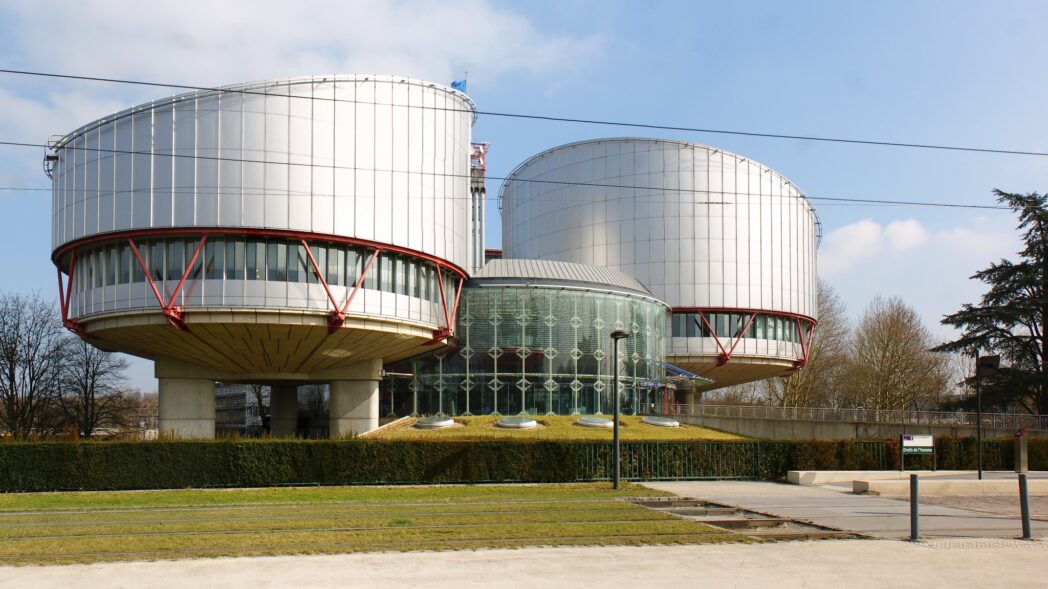
    Plaintiff’s application to the ECHR, No. 53600/20, was granted to be heard with priority pursuant to Rule 41 of the Rules of Court. The ECHR, which is based in Strasbourg, France, is a court of last resort for individuals who claim that their rights under the Convention have been violated by a member state. Because Switzerland has ratified the Convention, it will be bound to the holding of the ECHR. 

    The hearing for the case, which was held on March 29, 2023, was the first climate change matter taken up by the ECHR. Parties argued in front of a 17-member Grand Chamber led by Síofra O’Leary of Ireland. A webcast of the proceeding was published online by the ECHR and can be found here. 

    The hearing, which lasted less than three hours, opened with arguments from both the State and plaintiffs, before two third parties spoke, and the panel of judges asked questions. Then, both the plaintiffs and the State were given the opportunity to reply before the close of the hearing. 

    During the hearing, the senior plaintiffs argued that Switzerland’s failure to take adequate measures to reduce greenhouse gas emissions was a violation of their right to life and their right to respect for private and family life, as guaranteed by Articles 2 and 8 of the Convention. Their arguments are backed by scientific research showing the increasingly dire health and safety effects that global warming is having on European senior citizens. 

    In contrast, the Swiss government argued that it is taking steps to address climate change, such as implementing a carbon tax and increasing the share of renewable energy in the country’s energy mix. However, it can only do so much as one state amongst many that are contributing to the emitted greenhouse gasses that are exacerbating climate change.

    What to Watch For

    Now that the hearing of the case is complete, the Grand Chamber has begun private deliberations on the matter. It is unknown exactly when the ECHR will issue its ruling. 

    The ECHR’s decision could provide insight on how to establish standing for particularized injuries suffered as a result of climate change, which by nature affect the world’s population. Further, while the court’s holding will not be legally binding on non-member states, if the ECHR finds in favor of the seniors, it could set a precedent for other climate change lawsuits in Europe and beyond. 

    Two other climate change cases are also being heard by the Grand Chamber—Carême v. France (no. 7189/21), and Duarte Agostinho and Others v. Portugal and Others (no. 39371/20). The ECHR’s handling of all three cases is expected to be closely watched by policymakers, industry members, and activists alike.

  • Greenhouse Gases Cited in Suit to Invalidate Drilling Leases

    Greenhouse Gases Cited in Suit to Invalidate Drilling Leases

    Environmentalists Argue Federal Government Failed to Analyze Social Costs of Fossil Fuel Emissions from Drilling Leases

    Photo by Marcin Jozwiak on Unsplash

    “Federal public lands used for fossil fuel extraction contribute 24% of the United States’ Greenhouse Emissions,” according to 10 environmental groups in their ongoing lawsuit against the U.S. Department of the Interior, Secretary of the Interior Debra Haaland, the Bureau of Land Management (BoLM), and BoLM Director Tracy Stone-Manning (Dakota Resource or Council, et al, v. U.S. Department of the Interior, et al., D. D.C., No. 1:22-cv-1853 ).

    Their lawsuit seeks to invalidate 173 oil and gas leases approved in June 2022 across eight states:  Colorado, Montana, Nevada, New Mexico, North Dakota, Oklahoma, and Utah, and Wyoming. 

    Plaintiffs include: Dakota Resource Center, Center for Biological Diversity, Citizens for a Healthy Community, Living Rivers & Colorado Riverkeeper, Montana Environmental Information Center, Rio Grande Waterkeeper, Sierra Club, Waterkeeper Alliance, Western Waterheads Project, and WildEarth Guardians.

    The environmental groups argue the BoLM is in violation of the National Environmental Policy Act (NEPA) 42 U.S.C. § 4321, for failing to make efforts to prevent or eliminate damage to the environment and biosphere. The groups also argue that Secretary Haaland failed to follow the instructions of the Federal Land Policy and Management Act (FLPMA) 43 U.S.C. § 1701, which requires her office to “take any action necessary to prevent unnecessary or undue degradations of the land.”

    Five states have intervened for the defendants: Montana, North Dakota, Oklahoma, Utah, and Wyoming. Defendants, through Montana Attorney General Austin Knudsen, argued in their answer filed Oct. 21, 2022, the complaint failed to state a claim upon which relief could be granted, the plaintiffs lacked standing, that plaintiffs failed to exhaust their administrative remedies, and that the intervening states reserve the right to further amend pleadings throughout the course of litigation.

    In January 2021 the newly-transitioned Biden Administration issued Executive Order 14008 requiring the Interior Department to place a “pause” on all new oil and gas leases and required the BoLM produce a report containing a review and reconsiderations of Interior’s leasing program. Louisiana challenged the order’s “pause” in Louisiana v. Biden, 543 F. Suppl. 3d 388, 410 (W.D. La. 2021) and won, reversing the order’s policy on oil and gas leases but kept the order’s requirement for the Interior Department to produce its report on leasing practices.

    Interior published a 14-page report on Nov. 27, 2021, that highlighted recommendations for fiscal reforms but contained no analysis of the leasing program’s climate impacts. This report failed to acknowledge the BoLM’s recent acknowledgments of collaborative scientific research conducted by the federal multiagency Council of Environmental Quality in 2012, 2015, and in 2020, that revealed significant social costs incurred by greenhouse gas emissions. The BoLM acknowledged that lands under their management contained 96,100 actively producing oil or gas wells. This makes the BoLM responsible for managing lands producing as much as 7% of the country’s oil needs and 8% of its gas needs.

    The coalition filed a motion for summary judgment on March 9, 2023, asking the judge to conclude the matter before greenhouse gas emissions from these lease sites curtail efforts by the United States to reduce greenhouse gas emissions by 2030. The coalition also addressed the defendants’ affirmative defense that plaintiffs lacked standing to allege injury for damage to aesthetic and recreational values of the land. The groups argued that “actual environmental harm from complained-of activity need not be shown,” citing Friends of the Earth v. Laidlaw, 528 U.S. 167, 180-81 (2000).

    The environmental groups argued that the BoLM failed to follow NEPA by filing six separate Environmental Assessments that did not take into account the project’s at-large social costs. The BoLM failed to produce an impact report to the public about estimated greenhouse gas emissions generated throughout various stages of managing land containing active gas and oil production. Under Conner v. Burford, 848 F.2d 1441, 1451 (9th Cir. 1998), the groups argue the BoLM failed to comply with NEPA by streamlining the sale process and not properly conducting an environmental impact study for the 162 lease sites as an entire project rather than on a state-by-state basis. Under Conner, “[a] sale of an oil and gas lease represents an irreversible and irretrievable commitment of resources.” The environmental groups also point blame at Secretary Haaland for failing to follow instructions provided by the FLPMA regarding the management of federal lands.

    FLPMA instructs the Secretary of the Interior to consider multiple federal land management principles, including: the combination of balanced and diverse resources; needs of future generations for renewable and nonrenewable resources, recreation, range, timber, minerals, watershed, wildlife and fish; and the mutual, scientific, and historical value of the lands. The environmentalists insinuate that Haaland should have directed Interior to invalidate the lease sales and ordered the BoLM to restart the oil and gas lease assessment process in order to be NEPA compliant. The defendants’ answer to this motion is expected in the coming days.

    Hunter Schmitz

    Hunter SchmitzGuest Writer

    Hunter Schmitz is a freelance legal writer and paralegal with Focus on Property Law and Civil Litigation.

    The Texas Two-Step: Testing Bankruptcy Law and Jury Rights with Adam Silverstein

    September 7th, 2026|Comments Off on The Texas Two-Step: Testing Bankruptcy Law and Jury Rights with Adam Silverstein

    The Hidden Danger of Carbon Monoxide: Proving Exposure, Brain Injury & Liability with Sam Cannon

    August 30th, 2026|Comments Off on The Hidden Danger of Carbon Monoxide: Proving Exposure, Brain Injury & Liability with Sam Cannon

    War Risk Insurance and Exclusion | Webinar for CLE Credit

    August 2nd, 2026|Comments Off on War Risk Insurance and Exclusion | Webinar for CLE Credit

    AI and the Law: A Year-End Retrospective 2025 and Beyond | Webinar for CLE Credit

    July 26th, 2026|Comments Off on AI and the Law: A Year-End Retrospective 2025 and Beyond | Webinar for CLE Credit

    HIPAA Meets Social Media Marketing with Liz Heddleston and Leah Stiegler

    June 22nd, 2026|Comments Off on HIPAA Meets Social Media Marketing with Liz Heddleston and Leah Stiegler

  • Conservationists Try Again to Block Drilling in Alaska’s Western Arctic

    Conservationists Try Again to Block Drilling in Alaska’s Western Arctic

    Willow II:
    Conservation Groups Sue Again to Stop Oil Project in Alaska’s Western Arctic

    mountains clouds water

    Photo by Yuval Zukerman on Unsplash

    Several conservation groups filed a lawsuit in the U.S. District Court for the District of Alaska against the federal government in another effort to halt the Willow Master Development Plan (Willow Oil Project), a proposed oil and gas development in Alaska’s Western Arctic. Spearheading the development is ConocoPhillips Alaska Incorporated. The project was approved for a second time by the Biden Administration only a day before the filing of the plaintiffs’ complaint.

    The Willow Oil Project

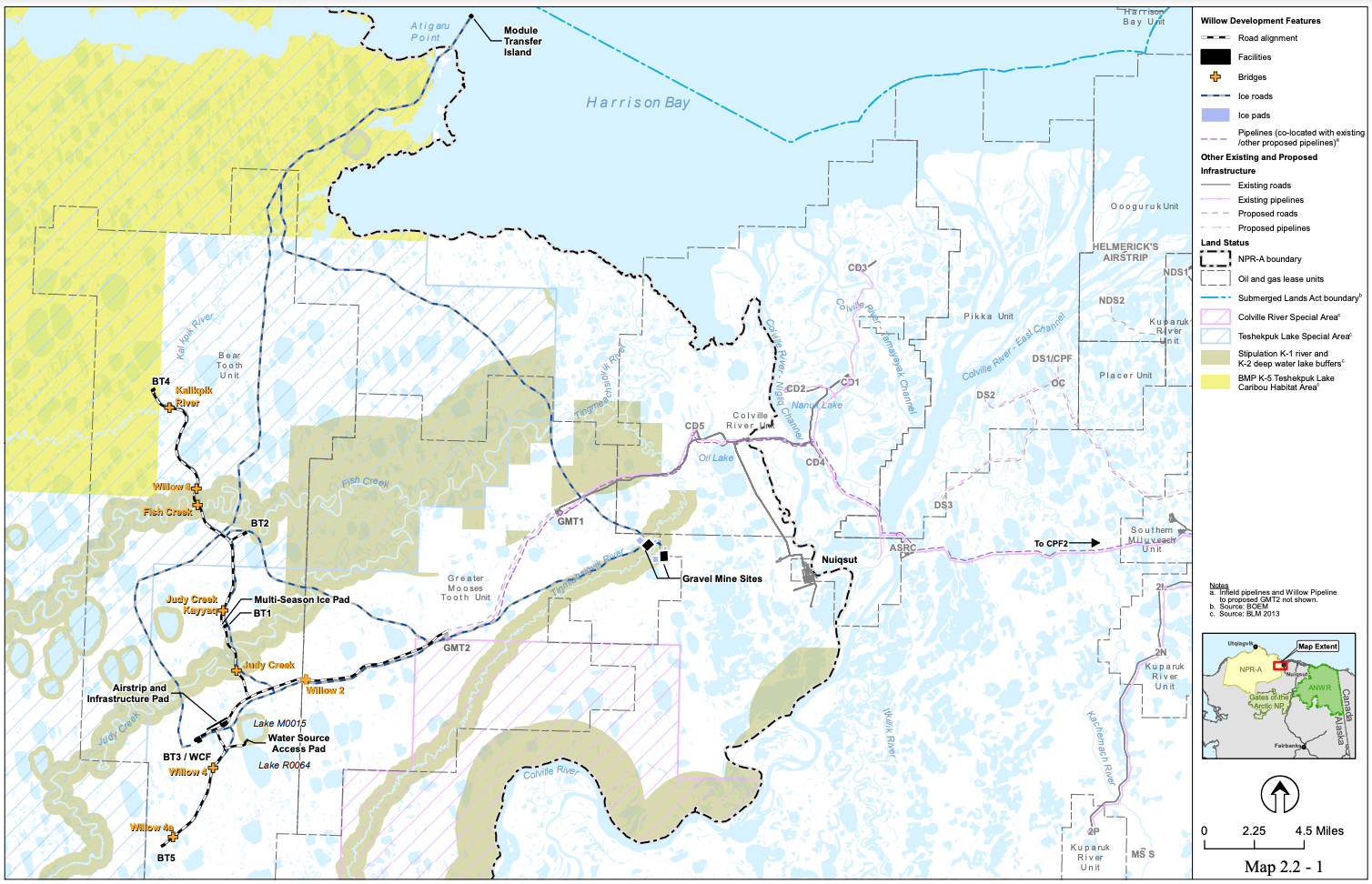
    The Willow Oil Project is a multi-billion dollar project that would involve the construction of drilling pads, pipelines, and other infrastructure in the National Petroleum Reserve-Alaska (Reserve). The project involves drilling up to 250 wells for the purpose of generating 586 million barrels of oil within its 30-year lifespan. As a direct result of the activity, roughly 258 million metric tons of greenhouse gas emissions would be released into the atmosphere. The project has been controversial due to concerns over its potential impacts on the environment and wildlife in the area.

    Willow II Case History

    ConocoPhillips first proposed the Willow Oil Project to the Bureau of Land Management (BoLM) in May of 2018. After determining that the project was a major federally-involved action that would significantly affect the quality of the human environment, the BoLM knew it had to prepare an Environmental Impact Statement (EIS) pursuant to the National Environmental Policy Act (NEPA).

    After studying the Willow Oil Project and comparing it to three action-alternatives and one no-action alternative, as well as seeking public comment, the BLM published a final EIS for the Willow Oil Project on Aug. 14, 2020. The BLM’s approval was immediately contested in the Alaskan District Court by conservation and Alaska-native groups.

    About a year later, on August 18, 2021, the plaintiffs were successful in obtaining a court order vacating the first project approval due to NEPA and Endangered Species Act (ESA) violations. Regarding the NEPA, the BLM “fail[ed] to adequately disclose and analyze the project’s downstream greenhouse gas emissions and by restricting the project alternatives it considered based on the mistaken view that ConocoPhillips had a right to extract all of the oil and gas on its leases.” And, the U.S. Fish and Wildlife Service (FWS) “violated the ESA by relying on unspecified Marine Mammal Protection Act . . . mitigation measures to support the no jeopardy and adverse modification determinations in its biological opinion for the polar bear, and by issuing an arbitrary and capricious incidental take statement for the bear.” The court then remanded to the BoLM for actions not inconsistent with its ruling.

    On remand, the BoLM prepared a draft Supplemental EIS (SEIS) in July of 2022. The draft SEIS contained the same three alternative actions and one non-action alternative from the initial EIS, plus a new action alternative. After receiving public comment, including from the instant plaintiffs, the BoLM published its final SEIS for the Willow Oil Project on Feb. 3, 2023. Subsequently, the BoLM published a record of decision approving the Willow Project on March 13, 2023.

    image1

    Plaintiffs’ Complaint

    On March 14, 2023, Earthjustice, a non-profit environmental law organization, filed a complaint on behalf of several plaintiffs. Included in the group of plaintiffs are the Natural Resources Defense Council, Center for Biological Diversity, Defenders of Wildlife, Friends of the Earth, and Greenpeace, Inc.

    In their complaint, the plaintiffs allege that the BoLM failed to adequately assess the Willow Oil Project’s impacts on the region’s wildlife and its contributions to climate change before issuing its ROD, allowing the project to move forward, thus violating the NEPA, ESA, and Administrative Procedure Act (APA). The complaint consists of five claims for relief.

    Count I: NEPA

    In the first count, plaintiffs assert that the BoLM’s final SEIS violated the NEPA by failing to consider any project-alternative “that would meaningfully reduce the climate impacts of the Willow Project by reducing total downstream greenhouse gas emissions, or any alternative that would prohibit infrastructure in the Teshekpuk Lake Special Area and the Colville River Special Area.” Plaintiffs take issue with the fact that although BLM considered action alternatives as required by NEPA, all of the alternatives were based on BoLM fully developing the entirety of its oil and gas leases. Plaintiffs disagree with the BLM’s assertion that this was proper and necessary to avoid “strand[ing] an economically viable quantity of recoverable oil.”

    Count II: NEPA

    Plaintiffs’ second count alleges that the BLM committed another violation of NEPA by failing to take a “hard look” at the reasonably foreseeable risk of oil spills and potential discoveries of oil production prospects resulting from the project. Thus, the agency fell short of its NEPA duties to disclose and analyze the indirect and cumulative impacts of the Willow Oil Project.

    Count III: Reserves Act (APA)

    The third count in the plaintiffs’ complaint alleges that the BoLM violated the APA’s arbitrary and capricious decision-making standard by failing to act in accordance with the Reserves Act. The Reserves Act requires that the Secretary of the Department of the Interior “protect[] the ‘environmental, fish and wildlife, and historical or scenic values’ within the Reserve.” Plaintiffs believe that the BoLM’s evaluation of only “full lease development” project alternatives contradicts its protection duties under the Reserves Act “to condition, restrict, or prohibit activity as it determines necessary to protect surface resources.”

    Count IV: ESA – Unlawful NMFS Letter of Concurrence

    Plaintiffs’ fourth claim is that the BoLM biological assessment to the National Marine Fisheries Service (NMFS) and the NMFS Willow Letter of Concurrence failed to analyze the possible taking of ringed and bearded seals, along with other listed species. Plaintiffs fear that the taking of these ESA-listed seals would occur as a result of the project’s greenhouse gas emissions affecting their critical habitats. The complaint is silent on the nexus between the emissions and the habitat effects. Still, it asserts that the NMFS conclusions failed to properly engage in ESA Section 7 formal consultation to determine the project’s effects on the listed seals and prepare the necessary incidental take statements. Thus, the letter’s analysis of the affected threatened species and their critical habitats was arbitrary and capricious.

    Count V: ESA – Unlawful FWS Biological Opinion

    The fifth and final claim in the complaint argues that the FWS’s biological opinion was arbitrary and capricious due to its failure to properly consider in view of the best available science the threats to polar bears brought on by climate change exacerbated by the Willow Oil Project’s greenhouse gas emissions. Polar bears, like the seals above, are a listed species under the ESA. Plaintiffs allege that the potential greenhouse gas emissions would increase sea ice melting, which will decrease the availability of ice seal prey in the polar bear’s critical hunting habitat. The agency did not prepare the necessary incidental take statement for polar bears either.

    Requested Remedy

    To remedy the violations asserted, plaintiffs request that the court vacate the BoLM’s project approval and supporting documents on the ground that the approval decision was arbitrary and capricious. Plaintiffs also seek a reward of costs and attorneys fees related to the action.

    Defendants have not yet responded to the federal complaint, filed March 14, 2023. 

    Victoria Kline

    Victoria KlineGuest Writer

    Victoria is a third-year student at the University of Miami School of Law, Juris Doctorate Candidate 2023, Law Review Staff Editor, and soon-to-be associate at Jones Day.

  • Safeguarding Against Financial Exploitation

    Safeguarding Against Financial Exploitation

    An on-demand CLE-eligible webinar

    Safeguarding Against Financial Exploitation  

    America’s senior population is growing. Nearly one in five U.S. residents will be 65 or older in 2030. Which means the average age of U.S. investors is climbing too. With that comes the risk that they will be exploited by people with access – or gain access through nefarious methods – to their investment portfolio. Seniors and vulnerable persons lose billions of dollars each year. Remarkably, 90% of the people to take advantage of senior investors are members of their own family. Attorneys who represent senior clients need to know the signs of vulnerability, red flags that their clients are being exploited, what laws apply, and rules lawyers must follow in these matters.  

    Questions our speakers answer:

    • What is senior / vulnerable investor exploitation?  
    • Who is protected by state and federal laws?  
    • How prevalent is senior financial exploitation? What do the numbers tell us? 
    • What is the pace of financial abuse SAR filings by securities firms? 
    • What are the most popular scams?  
    • What is diminished capacity? 
    • What are the red flags indicating possible exploitation? 
    • What are the laws, rules, and regulations governing law firms? 
    • What are some best practices for law firms? 
    • How can firms best protect their senior clients?  

    Blue image of money.

    On Demand CLE Webinar

    What You Get

    • PowerPoint and supplemental materials.
    • Complete recording for later review.
    • Answers to your questions via email.
    • Invitation to contact speakers.
    • 1.5 CLE credits (for licensed attorneys).
    • CLE assistance.*

    *Subject to state bar rules. For licensed attorneys. 

    Register

    Meet the Speakers

    Joseph Calabrese
    Bressler, Amery & Ross, P.C.

    A 1991 Graduate of St. John’s University Law School, Mr. Calabrese brings 30 years of practice and 18 years of Securities Litigation/Regulatory experience to his role as principal in the New York office of  Bressler, Amery & Ross’s Financial Institutions Group. He began his career as a Wall Street litigator as an associate general counsel for Citigroup’s Smith Barney and later served as an executive director and senior member of the Wealth Management Client Litigation Group at Morgan Stanley, where he ran the Early Dispute Resolution Group for seven years.

    He spent the first 13 years of his career as a prosecutor with the Kings County D.A.’s Office in Brooklyn, NY, the majority of that time, as a senior assistant district attorney in the Homicide Bureau. His areas of practice include financial institutions, financial institutions advisory practice, financial institutions enforcement defense, financial institutions litigation and arbitration. He is the co-head of the Pro Bono Committee and a member of the firm’s Senior & Vulnerable Investor Group. 

    More about Joseph

    Logan S. Fisher
    Bressler, Amery & Ross, P.C. 

    Logan Fisher is a Principal of Bressler, Amery and Ross. His practice is primarily devoted to representing and advising financial services professionals including broker-dealers, financial advisors, registered investment advisors, private equity, crowdfunding and other financial services professionals. Logan frequently represents broker-dealers and registered representatives in securities litigation, including customer-initiated complaints with self-regulatory organizations such as the Financial Industry Regulatory Authority (FINRA).

    He has successfully handled numerous arbitrations involving a variety of claims, including fraud, misrepresentation, unsuitability, unauthorized trading and churning. Logan also has experience counseling individual financial advisors regarding Form U4 and U5 disclosures. In his securities regulatory practice, Logan has represented broker-dealer and registered investment advisor clients in a variety of state, SEC and FINRA investigations. He has also counseled registered investment advisor clients concerning required disclosures under Form ADV. 

    More about Logan

    Angela Turiano
    Bressler, Amery & Ross, P.C.

    Angela Turiano represents brokerage firms and individual registered representatives in customer and employment arbitrations and litigation, as well as regulatory matters. Angela has worked as in-house counsel for two major securities firms, and thus understands, from an internal perspective, the highly specific needs of her clients. Highly respected throughout the financial services industry, Angela is an active speaker in the securities community, including speaking engagements at the SIFMA Annual Compliance and Legal Seminar, the New York State Bar Association, the American Conference Institute, and the renowned NYU Stern School of Business, all of where she has lectured on the latest trends in securities litigation.

    Angela is also an active member of Bressler’s Senior and Vulnerable Investor Group, where, in addition to advising and defending her clients with regard to senior issues, designs and conducts training and supervisory education programs on how to avoid regulatory and litigation risk in this space.

    More about Angela