Category: CLE OnDemand

  • Assessing Risk in Medical Malpractice Mediation

    Assessing Risk in Medical Malpractice Mediation

    HB Litigation Conferences presents

    Assessing Risk in
    Medical Malpractice Mediation

    CLE-eligible on demand webinar | Recorded 2021

    Lawyers and claims professionals assess litigation outcomes all the time. The parties do not. You can help.
    Understandably, parties in medical malpractice disputes do not fully appreciate the risks inherent in litigation and are not aware of how continued litigation affects their underlying interests in the dispute. For example, some parties see the outcome as a reflection of their personal character. These challenges can hamper the parties’ ability to make good decisions in litigated medical malpractice cases. Even organizations that are experienced in assessing litigation risk can make more decisions in these cases with adverse outcomes.

    Hear our panel of medical malpractice and insurance attorneys and litigation experts as they share their insights on successfully guiding individuals and organizations through these disputes.

    Registration Includes

    • Nearly 90 minutes of insights from experienced professionals.
    • CLE credit: 1+ (subject to bar rules).
    • For CLE questions: CLE@LitigationConference.com
    • The complete Power Point presentation.
    • Continued access to the complete recording for later use.
    • Answers to your questions via email to the presenters or write to HB and we will be sure to contact the speakers.

    REGISTRATION

    Key Points

    • What are the intangible costs of medical malpractice litigation for individuals and institutions?
    • How can advocates, claims professionals, and parties make better decisions in these cases?
    • How are medical malpractice claims mediated?
    • How can advocates use risk assessments in settlement negotiations?
    • What do participants want from mediators?

    Meet the speakers.
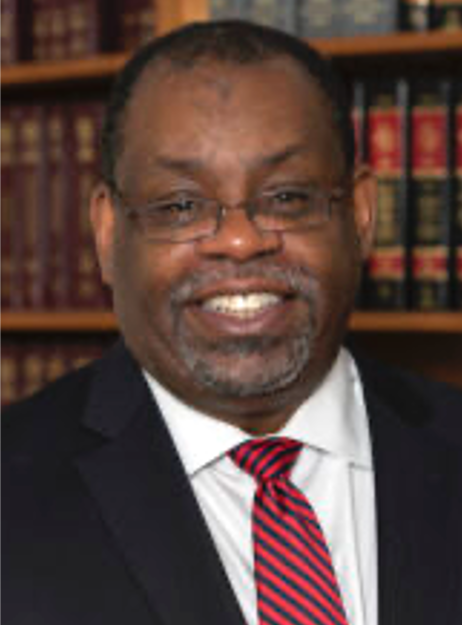
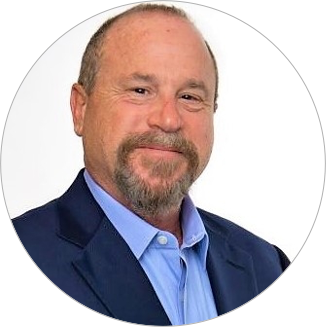
    Gregory K. Wells

    Gregory K. Wells is a Maryland-based personal injury lawyer and partner with Shadoan, Michael & Wells LLP. His practice focuses on Plaintiff’s medical malpractice, serious personal injury and wrongful death cases, as well as commercial and business litigation. Greg is a Fellow of the International Academy of Trial Lawyers and the American College of Trial Lawyers. He has been listed in Best Lawyers in America in the specialties of Medical Malpractice, Personal Injury, Product Liability and Professional Malpractice Law, and in both the “Maryland Lawyers” published by Baltimore Magazine, and “Washington, D.C. Super Lawyers” published by Law & Politics since 2007. He has also been listed in Washingtonian Magazine’s “Washington D.C.’s Top Lawyers” (in every list since 2011.) Best Lawyers in America named Greg as “Lawyer of the Year” for 2013, 2018 and 2019 in the area of Professional Malpractice.
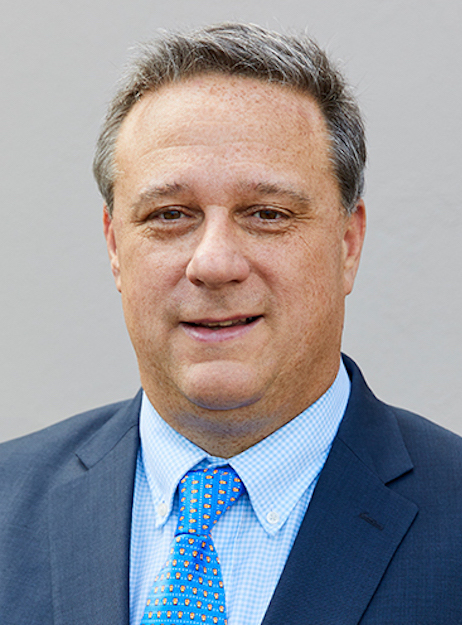
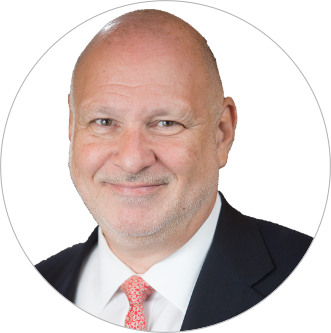
    Mike Coffey

    Michael Coffey is a Partner and member of the national Complex Trial team in Tyson & Mendes’ New York and Connecticut offices. He has handled many of the largest insurance related claims and litigated matters in New York State over the past 25 years.  The world’s largest companies routinely parachute in Mr. Coffey to handle complex high exposure liability and damages matters.  He is also an ABOTA attorney who has personally tried over 125 jury trials for companies and syndicates in state and federal courts throughout the U.S. in cases involving all types of high-stakes insurance related and commercial matters. Mr. Coffey and his bespoke litigation team deliver legal services that ensure excellent results in mitigating exposure and containing litigation costs, either through ADR or trial by jury, if necessary.
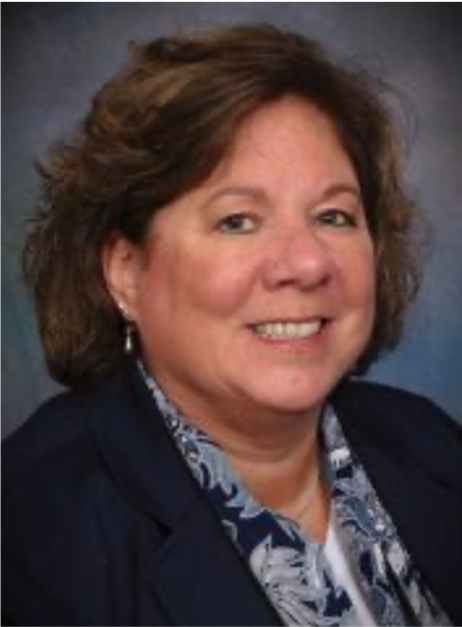
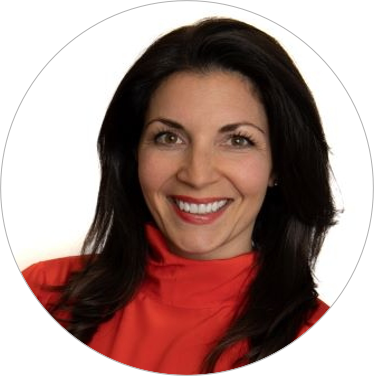
    Michele Newman

    Michele Newman

    Michele Newman is Litigation Manager at Hamlin & Burton Liability Management. She began her claims career with Aetna Life & Casualty in 1985. Thereafter, Michele joined Connecticut Medical Insurance Company where she handled bodily injury and medical professional liability claims for 28 years. She graduated from Southern Connecticut State University with a Bachelor of Science degree in Political Science and also holds Certifications in Claims Litigation Management, Mediation, and Negotiation. Michele is a past President for the Connecticut CLM Chapter and currently serves as a Dean for the School of Mediation at CLM’s Claims College.

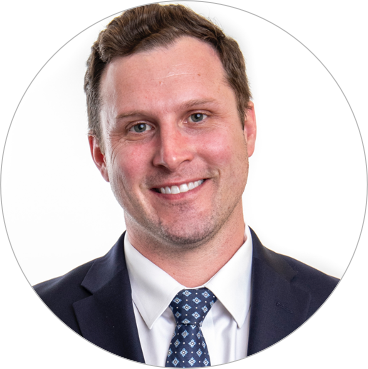
    Prof. John Lande

    John Lande is the Isidor Loeb Professor Emeritus at the University of Missouri and former director of the LLM Program in Dispute Resolution. His scholarship focuses on various aspects of dispute systems design, including publications analyzing how lawyering and mediation practices transform each other, business lawyers’ and executives’ opinions about litigation and ADR, designing court-connected mediation programs, improving the quality of mediation practice, the “vanishing trial,” and planned early dispute resolution. Among his many books and articles, John co-authored “Litigation Interest and Risk Assessment: Help Your Clients Make Good Decisions,” with Michaela Keet and Heather Heavin, published by the American Bar Association in 2020.

    Jeff Trueman

    Jeff Trueman is a full-time mediator and arbitrator who handles a wide variety of disputes, including medical malpractice, wrongful death, nursing home, and catastrophic injury cases. Before starting his own private mediation practice, Jeff was the Director of Civil ADR for the Circuit Court for Baltimore City and an attorney in private practice in Baltimore City. Jeff is a Distinguished Fellow of the International Academy of Mediators and a Community Advisory Member of Safe Streets Baltimore (an anti-gun violence initiative). He also is an LL.M Candidate at the Straus Institute for Dispute Resolution, Pepperdine School of Law.
  • The Antitrust Case Against Google

    The Antitrust Case Against Google

    The Antitrust Case Against Google

    Perspectives from highly regarded competition law attorneys, litigators, and economists.

    This overview and Q&A has been developed for advertisers, mobile device makers, app developers,
    corporate counsel, business writers, and search market participants.

    The U.S. Department of Justice and 11 states have filed a sweeping antitrust suit against Google alleging the tech giant  abuses its position as “monopoly gatekeeper for the internet” to block competitors. The complaint says Google has used anticompetitive tactics to maintain and extend its monopolies in the markets for general search services, search advertising, and general search text advertising.

    The federal and state governments charge Google uses “exclusionary agreements, including tying arrangements” to “lock up distribution channels and block rivals.” Google’s considerable wealth helps make this happen. Google pays billions of dollars a year to distributors to secure their position as the default search engine, and prohibits these companies from dealing with Google competitors. Google’s exclusionary strategy is being applied more harshly in newer technologies, such as voice assistants, and in its goal of dominating other platforms in the IoT category, such as smart speakers, home appliances, and autonomous cars.

    Without a court order, the government plaintiffs say, “Google will continue executing its anticompetitive strategy, crippling the competitive process, reducing consumer choice, and stifling competition.”

    What does all of this mean to actual or potential rivals, ad buyers, consumer, developers, and device makers in three markets Search Service, Search Advertising, and Search Text Advertising? What type of defense might Google mount? What might the ultimate resolution look like?

    Join our panel, led by competition law thought leaders, as they address the potential impact of the litigation and answer your questions via live chat.

    • Setting the stage: What constitutes an illegal monopoly?
    • Lessons from United States v. Microsoft?
    • How does the government define the three markets?
    • What is in the alleged exclusionary agreements and tying arrangements?
    • What does the government allege is improper about Google default settings?
    • Why is requiring app bundles on devices considered improper in this case?
    • Which companies is Google allegedly harming and how?
    • What does Google’s immediate response tell us?
    • Will private antitrust actions follow the government’s suit?

    Interested in this topic? Contact Tom Hagy for more information.

    Meet the Speakers

    Dan Mogin
    Managing Partner
    MoginRubin LLP

    Read more about Dan Mogin or email him at DMogin@MoginRubin.com.

    Jonathan Rubin
    Partner
    MoginRubin LLP

    Read more about Jonathan Rubin or email him at JRubin@MoginRubin.com.

    Jennifer M. Oliver
    Partner
    MoginRubin LLP

    Read more about Jennifer Oliver or email her at JOliver@MoginRubin.com.

    Timothy Z. LaComb
    Associate
    MoginRubin LLP

    Read more about Tim LaComb or email him at TLaComb@MoginRubin.com.

    John M. Newman
    Associate Professor
    Miami Univ. School of Law

    Read more about Professor Newman.

    Dr. Alan Grant
    Associate Director
    NERA Economic Consulting

    Read more about Dr. Grant or email him at Alan.Grant@NERA.com.
    Interested in this program? Click here to send us a note.
    Interested in More CLE OnDemand? Click Here. 

    Explore more from MoginRubin LLP!

    Plus, additional insights from the MoginRubin Blog.

    Blog: Emboldened by New Resources and Expanded Authority, Feds Continue 10-Year Look Back at Chinese Investment. By Dan Mogin, Jonathan Rubin, Jennifer Oliver, and Timothy LaComb. needs tags. List completed 7/17/24

    OnDemand CLE Webinar: The Antitrust Case Against Google. Dan Mogin, Jonathan Rubin, Jennifer Oliver, Timothy LaComb, John Newman, Dr. Alan Grant

    Blog: FTC’s Case Against Facebook Will Test the Flexibility of U.S. Antitrust Law.Authors: Jonathan Rubin and Jennifer Oliver, MoginRubin LLP

    Blog: Full Ninth Circuit Removes Unwarranted Hurdles to Class Certification.

    Journal: Policy Derailed: Can U.S. Antitrust Policy Toward Standard Essential Patents Get Back on Track by Jonathan Rubin

    Webinar: Class Certification After Olean v. Bumble Bee with Jonathan Rubin, James Bogan lll, Jonathan Cohn, Bradley Hamburger.

    Journal: FTC v. Amazon: Market Definitions and Section 5 of the FTC Act

    Podcast: Algorithmic Software Facilitated Price Fixing with Jonathan Rubin

    Interested in this program? Click here to send us a note.

    A few words about antitrust law.
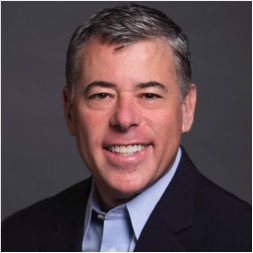
    Jennifer Oliver, an antitrust attorney and a certified privacy professional, kicked off the webinar with some background for those of you less familiar with antitrust. Here is a recap of what she had to say. 

    Section 7 of the Clayton Act prohibits mergers whose effect may be to substantially lessen competition or to tend to create a monopoly. Most Section 7 suits are filed by the government or private plaintiffs seeking to prevent damage to competition before the damage happens. While there is no allegation of violation of Section 7 in U.S. v. Google, many would argue that Google’s earlier acquisitions have harmed competition or quashed nascent competitors and should have been examined more closely.

    The Sherman Act, part of which is implicated in the Google case, is more familiar to attorneys and businesspeople.

    Section 2 of the Sherman Act, which is most relevant to U.S. v. Google, says you cannot monopolize or attempt to monopolize a line of interstate commerce through anti-competitive conduct. Contrary to a common misconception, monopolies are not per se illegal which, if you think about it, makes sense: If you invent a new product, you have 100% of the market for that product. Competitors will follow. But the fact of monopolizing a market is not in itself illegal. What is illegal is acquiring or maintaining that monopoly in a defined “relevant market” through anti-competitive conduct. Monopoly power is often measured in terms of the ability to control prices in the relevant market, or to exclude competitors in that market, which often means that smaller rivals can’t reach scale or can’t exercise any sort of price discipline over the monopolist.

    How do we define the relevant market? That is an art onto itself in antitrust law, but you must define both product and geographic markets to successfully allege a monopoly exists. The concept of “product substitutes” is very important here, e.g., Would consumers be able to switch to another product if the alleged monopolist raised its prices or otherwise harmed consumers, for example through diminished quality or privacy?

    Next we ask whether anticompetitive conduct was used to obtain a monopoly, and/or whether anticompetitive conduct is ongoing to maintain a monopoly. A monopolist may achieve its dominance illegally, while not maintaining its status through anticompetitive conduct, or vice versa. The relevant statutes are very broad and are open to judicial interpretation. Much of the conduct in modern monopolization cases occurs in new markets that didn’t exist when the laws were written. Internet search engines and digital advertising are perfect examples.

    While anticompetitive conduct is not explicitly defined by Section 2 of the Sherman Act, caselaw offers examples, including exercising the power to engage in conduct that raises a rival’s costs and pricing below cost to drive rivals out of business.

    These are key questions in U.S. v. Google. Does Google have monopoly power, has the relevant market been defined, and has it engaged in anticompetitive conduct? The panel discusses these issues and more.

  • Organizational Values & Business Risks: Properly Balancing Stakeholder Concerns

    Organizational Values & Business Risks: Properly Balancing Stakeholder Concerns

    Topics Covered

    Accommodations. Appropriate accommodation for high-risk employees or employees with family members who are at a heightened risk.

    Mitigation. Attention to means of mitigating transmission and infection.

    Tracing. Contact tracing and management of data collected, including health data, as well as responses to employees who refuse to report.

    Patient Sensitivity. Duty to avoid discrimination and stigmatization.

    Preparedness. Developing plans to address possibility of re-occurrence in the fall and managing possible outbreaks in company’s offices.

    Take it now

    On-demand on the Thomson Reuters West LegalEdcenter as part of the HB catalog.

    Register now!

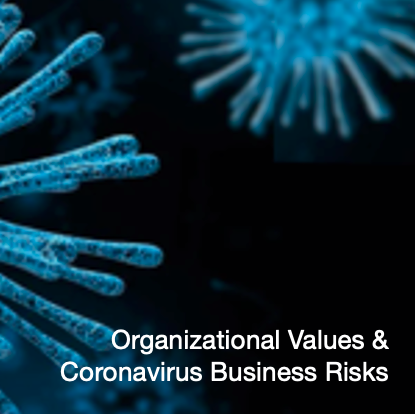
    Organizational Values & Coronavirus Business Risks:
    Properly Balancing Stakeholder Concerns

    Produced for Emory University Center for Ethics by HB Litigation Conferences

    The current pandemic confronts businesses, nonprofit organizations, governments, and the legal profession with innumerable ethical challenges.  Management issues and liability concerns, stakeholder demands and legal duties become even more complex in an environment of uncertainty and one where the consequences could result in serious illness or even death.  This program seeks to engage the participants in thinking through these challenges and developing processes of ethical response to them.  Managers must acknowledge and address the framework of fear associated with the pandemic, ranging from fear of contagion and death to fears of unemployment, childcare, and the duties of home-schooling.  Additionally, as the economy reopens there must be serious attention to the processes of doing so.

    Join Professor Edward L. Queen from Emory University for invaluable insights. Emory’s medical team was on the frontline of the 2014-2016 Ebola epidemic, which began in December 2013 when an 18-month-old Guinean boy contracted the disease. According to the CDC, the outbreak ended with more than 28,600 cases and 11,325 deaths. Eleven people were treated for Ebola in the United States.

    Edward L. Queen
    Director of Ethics and Servant Leadership
    Emory University

    Professor Queen Coronavirus-Ethical-Issues-Litigation Conferences-June-19-2020-

    Professor Edward L. Queen

    Edward L. Queen is director of the D. Abbott Turner Program in Ethics and Servant Leadership and Coordinator of Undergraduate Studies at Emory University’s Center for Ethics.  At Emory he also serves as Director of Research for the Institute of Human Rights and co-convener of the Initiative on Religion, Conflict, and Peacebuilding.  Queen received his B.A. from Birmingham-Southern College, his M.A. and Ph.D. degrees from the Divinity School of the University of Chicago, and his J.D. from the Indiana University School of Law-Indianapolis. Queen’s previously served as founding director of the Religion and Philanthropy Project at the Indiana University Center on Philanthropy and of the Islamic Society of North America’s Fellowship Program in Nonprofit Management and Governance.  A former program officer at Lilly Endowment, Inc. with a major responsibility for grants in nonprofit governance and leadership, Queen has consulted with numerous nonprofit, governmental, and educational organizations on management issues and ethics policies.  These organizations have included the Helsinki Committee for Human Rights, the Pew Charitable Trusts, Independent Sector, USAID, NAFSA: The Association of International Educators, the Southeastern Council of Foundations, and the Corporation for National and Community Service.

    A specialist in issues related to professional and social ethics, religious and ethnic conflict, and civil society, Queen has written, coauthored, or edited numerous books, including Serving Those In Need: A Handbook for Managing Faith-Based Human Services Organizations (2000), Philanthropy in the World’s Traditions (1998), and The Encyclopedia of American Religious History (1992, rev. ed. 2002, 3rd rev. ed. 2009).

  • Contract Drafting Fundamentals

    Contract Drafting Fundamentals

    Contract Drafting Fundamentals with Will Marshall

    Register Now

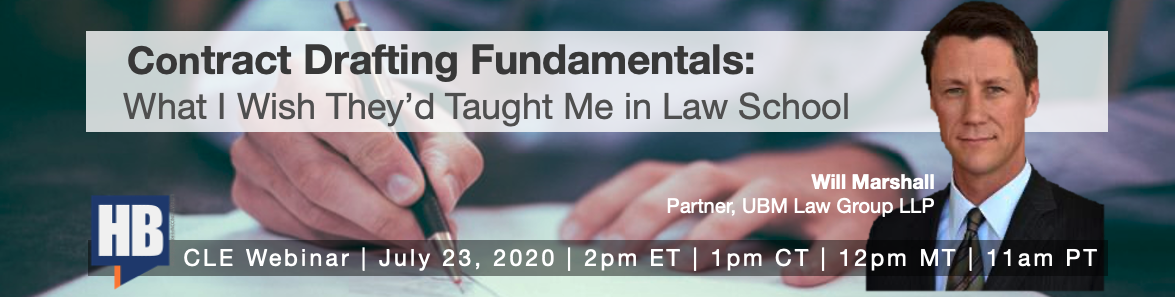
    Contract Drafting Fundamentals:
    What I Wish They Taught Me in Law School

    Speaker:

    Will Marshall | Partner
    UBM Law LLP

    Date:
    Thursday | July 23, 2020

    Time:
    2pm ET
    1pm CT
    12pm MT
    11am PT

    Duration:
    75 minutes

    Price:
    Early Bird Registration: $75
    After July 14: $95

    Special:
    Complimentary with discount code!

    What you get:

    • CLE credit

    • Course materials

    • Webinar recording

    • Answers to your questions!

    Contact CLE Manager

    Get practical insights on contract drafting.

    For new and seasoned attorneys alike, this 75-minute program will cover core, practical aspects of contract drafting, including a broad range of fundamental concepts, skills, and tips.  The program is designed to make you a more deliberate drafter and improve your ability to assess the purpose and effectiveness of each provision in your contract.  We will discuss not only what is on the page, but external dynamics that affect drafting and negotiation. Finally, we will reserve time to answer your questions.

    I am offering this program for free to my network to help you develop these foundational skills. If you haven’t received it, please contact me directly for the complimentary pass code.  — Will Marshall,  Partner, UBM Law Group LLP

    Key topics: 

    • The goals and challenges of good drafting.

    • The anatomy and building blocks of a contract.

    • Categories of contract language.

    • Typical sources of ambiguity.

    • Tips on everything from file naming conventions to how to draft a nested signature block and what a tipping basket is.

    • Your questions via live chat or by email before or and after the event.

    Send Will a Question

    Meet our panelist.

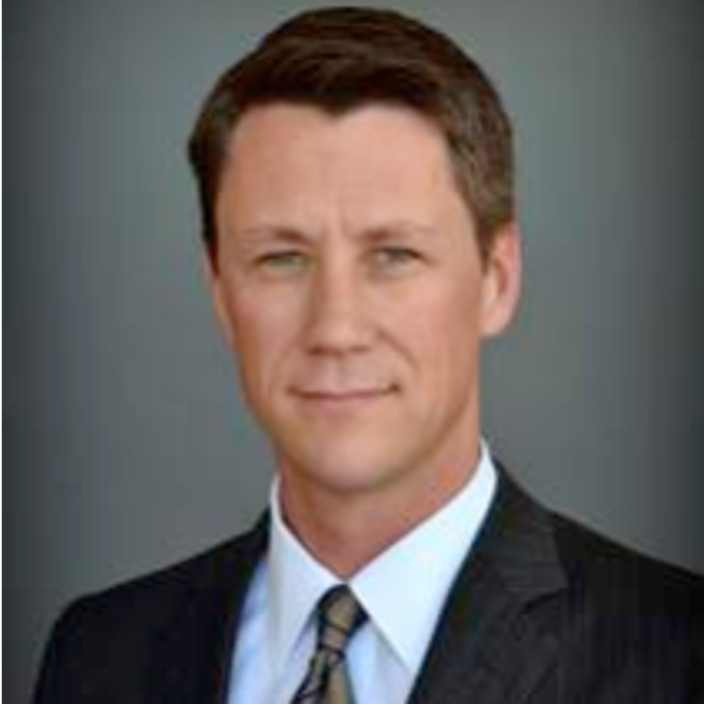
    Will Marshall

    Will Marshall | Partner
    UBM Law Group, LLC

    UBM Law Group

    Will is a co-founder of UBM Law Group. He has substantial experience in drafting and negotiating a wide range of commercial contracts, including SaaS and traditional software licensing agreements, supply, distribution, and professional services agreements, and confidentiality agreements.

    Prior to co-founding UBM Law Group, Mr. Marshall served as General Counsel and SEVP of Operations of Javo Beverage Company, a publicly traded manufacturing company in Vista, California. As one of the founding executives of Javo, he was integral in leading the ground-up capitalization and commercialization of the company over the course of a decade and he uses his in-house and executive experience to help his clients negotiate clear, effective contracts.

    Read more about Will Marshall here …

  • The Intersection of Antitrust & Privacy | A MoginRubin Webinar | 10.31.2019

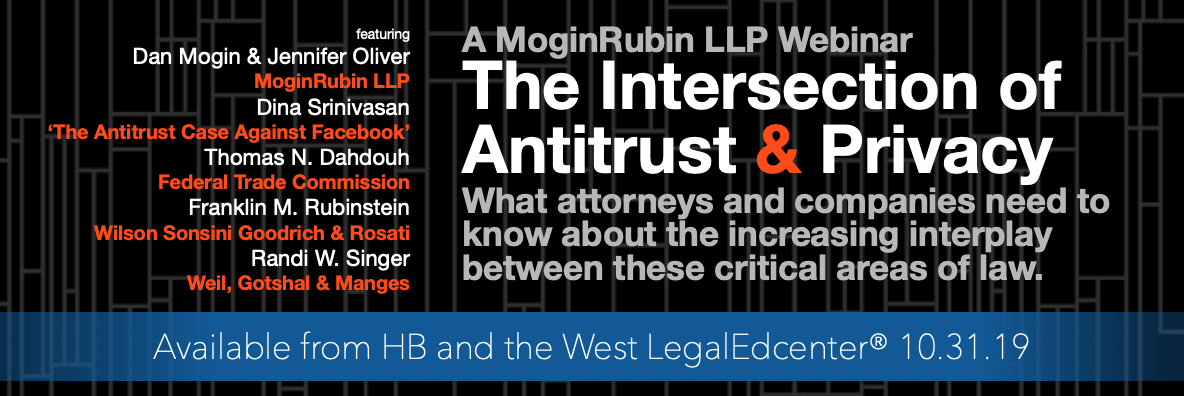
    The Intersection of Antitrust & Privacy Law


    [two-fifths-first] Recorded: Oct. 31, 2019
    Duration: 100 minutes
    Presented by:  MoginRubin LLP
    Produced by: HB Litigation Conferences

    The Panel

    Moderator
    Daniel J.  Mogin | Managing Partner, MoginRubin LLP

    Speakers
    Jennifer M. Oliver, CIPP/US | Partner, MoginRubin LLP
    Thomas N. Dahdouh | Director, Western Region, Federal Trade Commission
    Franklin M. Rubinstein | Partner, Wilson Sonsini Goodrich & Rosati
    Randi W. Singer, CIPP/US, CIPT | Partner, Weil, Gotshal & Manges

    Contributor
    Dina Srinivasan |
    Independent Researcher & Author of The Antitrust Case Against Facebook
    Dina was unable to present but we thank her for her content contributions. 

    What you will get:

    • At least 1 hour of CLE credit.
    • Answers to your questions via email.
    • The opportunity to share with others on your team.
    • The complete Powerpoint.
    • The Antitrust Case Against Facebook
    • Dina Srinivasan’s statement to the House Committee on the Judiciary, Subcommittee on Antitrust, Commercial, and Administrative Law
    • The Chicago Booth School Stigler Center Committee on Digital Platforms Final Report

    Write to us at CLE@LitigationConferences.com to:

    • Ask about CLE
    • Request the materials
    • Send a question for the speakers

    [/two-fifths-first][three-fifths]

    Market Behavior and Data-Driven Market Power

    Highly publicized cases and investigations in the U.S. and Europe of big technology, e-commerce, and social media companies demonstrate how anti-competition laws are being used to scrutinize and challenge not only how these corporations conduct themselves in the marketplace, but the very core of their colossal success: the mass collection and utilization of user data.

    Are the privacy and antitrust worlds beginning to cross over?

    Or do they simply run parallel while addressing entirely different types of conduct? Whatever the answer, data is the raw material that drives the likes of Google, Facebook, Apple and Amazon, so how it is handled is a critical question when counseling clients on mergers and acquisitions.


    Meanwhile, there is increasing pressure on antitrust enforcers to consider privacy issues when conducting merger reviews.

    Antitrust laws allow and require consideration of data collection, handling, and use if there is a risk to fair competition. But are the agencies equipped to analyze the effect of post-merger datasets? Should they examine the privacy ramifications of proposed deals?

    Viewpoints on the overlap between the regimes are wide-ranging and nuanced. In a June speech, DOJ Antitrust Division chief Makan Delrahim said that “by protecting competition we can have an impact on privacy and data protection.” During a 2018 interview, though, FTC commissioner Noah Phillips argued that “privacy law and antitrust law each addresses different harms and vindicates different rights.”

    What does all of this mean to the practitioner or in-house counsel?

    Take this 100-minute webinar now to gain insights from leading experts on these issues, with a balance of perspectives from both the plaintiff and defense bars, academia, and regulatory enforcement.

    Get answers to questions like these:

    • Who should regulate privacy violations in the U.S.?
    • Which antitrust issues implicate privacy concerns?
    • What role does machine learning play on the competitive landscape?
    • What is big data really? How is it different from “data”?
    • What are the elements of effective merger reviews?
    • What are the appropriate remedies?
    • What are “notice-and-choice” versus “harms-based” approaches?
    • And more!

    [/three-fifths]


    Moderator & Speaker

    Daniel J.  Mogin, Managing Partner, MoginRubin LLP. Dan concentrates on antitrust, unfair competition and complex and business litigation. He has been selected as lead or liaison counsel in numerous cases and has also frequently served on Steering and Executive committees charged with overall responsibility for direction of complex Multi-District Litigation and Judicial Council Coordination Proceedings. He has participated in some of the largest antitrust class actions in the United States. Dan is frequently invited to participate in these cases by other law firms and often consults with law firms engaged in antitrust cases. He has also provided expert testimony in cases and before the California State Senate Judiciary Committee. Dan received his B.A. in Economics from Indiana University and his J.D. from the University of San Diego.

    Speakers

    Jennifer M. Oliver, CIPP/US, Partner, MoginRubin LLP.  Jennifer joined MoginRubin LLP in 2017 after nearly ten years as a complex business litigator in New York City. She focuses on antitrust, as well as complex business and investment litigation.  Jennifer is a member of the California Lawyer’s Association’s Privacy subcommittee and of the International Association of Privacy Professionals (IAPP), and is an IAPP Certified Information Privacy Professional. Jennifer has played active roles in high-profile jury trials, served as lead counsel in complex mediations, and argued before both trial and appellate courts. In addition to her merger and cartel work, Jennifer has also advised on antitrust issues in mergers and acquisitions and litigated cases involving trade secrets, RICO conspiracies, securities fraud, unfair trade practices, breaches of contract and privacy cases. She earned her B.S. in Business Administration, M.B.A., and J.D. from the University at Buffalo, each with honors.

    Thomas N. Dahdouh, Director, Western Region, Federal Trade Commission.  Prior to his current position Tom served as Assistant Regional Director for the Western Region.  He worked for 14 years as a staff attorney in the San Francisco office of the FTC, handling consumer protection and antitrust matters.  Previously, he worked at the FTC’s Washington, D.C., headquarters for two commissioners.  He has also served on the Executive Committee of the California State Bar’s Antitrust, UCL and Privacy Section since 2009, most recently serving as its Chair from 2014-2015.  He received his J.D. from Harvard Law School and his B.A. from Yale University.

    Franklin M. Rubinstein, Partner, Wilson Sonsini Goodrich & Rosati. Franklin is an antitrust partner in the Washington, D.C., office. His practice encompasses a wide variety of antitrust matters, including mergers and acquisitions, investigations by the United States Department of Justice and the Federal Trade Commission, litigation, criminal investigations, and counseling on issues such as distribution, monopolization, tying, exclusive dealing, price-fixing, and antitrust compliance. Franklin has represented a diverse set of clients in the software, computer hardware, pharmaceutical, medical device, gaming, automobile, natural resource, Internet, and media industries. Education: J.D., University of Chicago Law School; B.A., Swarthmore College.

    Randi W. Singer, CIPP/US, CIPT, Partner, Weil, Gotshal & Manges. Randi has earned the Certified Information Privacy Professional (CIPP/US) and Certified Information Privacy Technologist (CIPT) credentials and regularly advises clients in connection with privacy, cybersecurity, and social media issues in a wide variety of matters, including hundreds of transactions ranging from high-profile deals such as Facebook’s acquisition of Whatsapp, Inc. to large public company mergers and small talent acquisitions. In 2015, The National Law Journal recognized Randi as one of its inaugural “Trailblazers” nationwide for her cutting-edge work in the cybersecurity and data privacy area. 

    Contributor

    Dina Srinivasan, Independent Researcher & Author of The Antitrust Case Against Facebook. Dina currently advises on the economics of digital advertising markets and continues to write about tech and antitrust. She is the author of “The Antitrust Case Against Facebook“, an academic paper published in the Berkeley Business Law Journal (February 2019)  that explains Facebook’s monopoly power under U.S. antitrust law. Her research and commentary on tech and antitrust have been covered or cited by U.S. Congress, The New York Times, Bloomberg, Business Insider, NBC News, the Today Show, and other publications and radio stations, domestically and globally. She was an executive with WPP, the world’s largest advertising holding company. She founded Effidia, an advertising technology company whose technology was acquired by a division of WPP. Dina also created one of the first applications to bridge text messaging across CDMA, TDMA, and GSM spectrum networks in the U.S.  She holds a J.D. from Yale Law School, where she studied law & economics and was an Olin Fellow with the Kauffman Program in Law, Economics and Entrepreneurship.


    Privacy Matters

    Take a look at the Apple privacy commercial. This comes up during the webinar. If it raises any questions for you, please let the speaker know. Write to us at Questions@LitigationConferences.com. What do you think?


    Check out the MoginRubin Blog for insights on anticompetition, privacy, mergers and more.

  • Settlement Psychology: Who is in Control? Homer Simpson or Mr. Spock?  | Complimentary Webinar

    Settlement Psychology: Who is in Control? Homer Simpson or Mr. Spock? | Complimentary Webinar

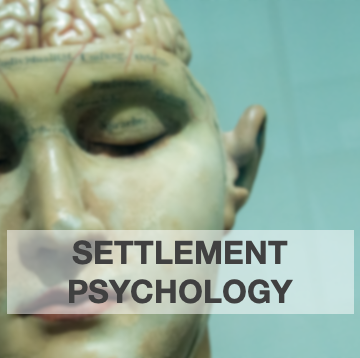
    Settlement Psychology

    Who’s in charge? Homer Simpson or Mr. Spock?

    Cognitive obstacles to finding common ground.

    [two-fifths-first]

    Complimentary On-Demand Webinar From HB!

    1 CLE credit

    CLE questions?
    CLE@LitigationConferences.com

    Questions for speakers?
    Questions@LitigationConferences.com

    SPEAKERS

    Jeff Trueman
    Mediator / Negotiator

    John Philip Miller
    Baltimore City Circuit Judge (ret.)

    This course is also available via the
    West LegalEdcenter.

    [/two-fifths-first] [three-fifths]

    Improve your negotiation strategy and outcomes.

    Mediator, arbitrator and settlement conference neutral Jeff Trueman says the lawyer’s mind can sometimes play tricks on them when it comes time to settle a claim. “The central question on the minds of counsel, their clients, and insurance professionals in civil litigation is, of course, ‘What’s the case worth?’ For mature torts there is enough historical settlement and verdict data exist for counsel to argue why a particular case should or should not fit within a certain settlement range. In the midst of these discussions, the human brain plays tricks on us. For example, litigators sometimes assume that their trial experience can determine how jurors will negotiate with one another and resolve factual discrepancies after closing arguments. This assumption is a ‘heuristic’ – a cognitive shortcut called attributional error or illusion of control.” Backed by his decades of psychological and economic sciences research, Trueman says there is a lot of room for attorneys to change their mindset when moving into settlement mode.

    Litigation Chicken

    “When differences over case value intensify, litigators return to threats of relinquishing control: ‘Maybe we have to try this case;’ or ‘We feel good about our chances in front of a jury.’ Underneath the games of litigation chicken that are the hallmark of settlement negotiation, heuristics lead to erroneous valuations and assessments of risk.”

    He says attorney would be well served, and would serve their clients well, if they make adjustments depending on their role at a given point in the process. “Many lawyers default to their role as advocates for legal rights without considering the quality of counsel they give to clients regarding risk management. This plays right into the endowment bias that potential clients carry, valuing property or experiences merely because they have them. When thinking about future risk, many lawyers exhibit an overconfidence and self-serving bias in favor of past success. Unfortunately, competitive bargainers are disinclined to compromise even when it would benefit their bottom lines. Of course, it goes without saying that clients are often better served by lawyers who have some experience in a courtroom. But prior success does not guarantee future results.”

    Learn what else Jeff has to say on the subject. He was joined by Judge John Philip Miller, now retired from the Circuit Court of Baltimore City. Judge Miller spent 16 years on the bench after a career in private practice.

    What they over: 

    + What are the cognitive barriers to assessing case value?
    + How can you use this information to your advantage?
    + How can you help your clients with this information?
    + What is the impact of unrealistic expectations — yours and your client’s?
    + Answers to your questions. Send them by email to Questions@LitigationConferences.com.


    Speaker Bios

    Jeff Trueman | Mediator / Negotiator

    Jeff is a private mediator of litigated civil disputes, including personal injury, premises liability, toxic and environmental torts, wrongful death, professional malpractice, partnership dissolution, employment, domestic, and guardianship petitions. He is a public speaker and presenter of mediation and negotiation-related dynamics at law schools, law firms, and litigation conferences. Jeff is author of an ADR column that appears semi-regularly in the Maryland Daily Record.

    Judge John Philip Miller (ret.) | Baltimore City Circuit Court 

    Judge Miller served on the bench for more than 16 years both in District and Circuit Court. Prior to his appointment to the bench, Judge Miller was a partner with Kaplan, Heyman, Greenberg, Engleman & Belgrad, P.A., and with Wright, Constable & Skeen, LLP. Judge Miller received a Juris Doctorate from Washington and Lee University School of Law and a Bachelor of Arts Degree from Gettysburg College. He was an adjunct professor with the Villa Julie College, an instructor with the Maryland Institute for Continuing Professional Education of Lawyers, and a lecturer at the Maryland Judicial institute. His honors include the Daily Record’s Leadership in Law Award.

    [/three-fifths]

  • PFOA: Science & Litigation | 11/15/2018

    [one-third-first]

    DATE: Nov. 15, 2018

    TIME: 2 p.m. EDT; 1 p.m. CDT; 12 p.m. MDT; 11 a.m. PDT

    PLACE: Your computer or mobile device

    PRICE: $197* per dial-in site
    *Price is good through Oct. 31. After that it’s $247.

    GROUPS ARE GOOD: Registering qualifies you to multiple attendees at your location.

    CLE: 1 credit
    Please send CLE questions to
    CLE@LitigationConferences.com

    speakers

    Michael Dourson, Ph.D., DABT, FATS, FSRA
    Director of Science
    Toxicology Excellence for Risk Assessment (TERA)

    Register now and get:

    • Access for multiple colleagues at your location.

    • Practical insights from a board-certified toxicologist.

    • A through and informative PowerPoint presentation for later reference.

    • Answers to your questions via live chat.

    • CLE credit.

    And more!

    [/one-third-first] [two-thirds]

    PFOA Toxicology: What’s a Safe Level for the Environment?

    What toxic tort and environmental attorneys need to know about this ubiquitous compound. 

    Perfluorooctanoic acid (PFOA) has been described as more toxic than methyl mercury. Yet not all organizations tasked with developing safe-dose levels agree on the best approach for PFOA, resulting in recommended levels that are more than 100-times apart.

    Differences in these recommended safe-dose levels result in cleanup costs that vary by billions of dollars.

    Background

    Environmental contamination with PFOA has been known for some time. In the early 2000s safe doses in drinking water were considered to be in the range of 30-to-50 parts per billion.  Recent safe-dose assessments by EPA, ATSDR and several states have significantly lowered these safe doses to parts-per-trillion measurements.

    PFOA, also known as C8, is used to make Teflon® and similar chemicals known as fluorotelomers. According to the American Cancer Society, PFOA is “burned off during the [manufacturing] process and is not present in significant amounts in the final products.”

    However, the American Cancer Society says, “PFOA has the potential to be a health concern because it can stay in the environment and in the human body for long periods of time. Studies have found that it is present worldwide at very low levels in just about everyone’s blood. Higher blood levels have been found in community residents where local water supplies have been contaminated by PFOA. People exposed to PFOA in the workplace can have levels many times higher.

    “PFOA and some similar compounds can be found at low levels in some foods, drinking water, and in household dust. Although PFOA levels in drinking water are usually low, they can be higher in certain areas, such as near chemical plants that use PFOA.

    “People can also be exposed to PFOA from ski wax or from fabrics and carpeting that have been treated to be stain resistant. Non-stick cookware is not a significant source of PFOA exposure.”

    The underlying toxicity data has not changed that much. What differs is our understanding of the differences between experiments on animals and humans in how PFOA is excreted from the body. Recently it has been suggested that the federal approach to this safe dose assessment has not followed its own risk assessment guidelines. If true, this lack of adherence to guidelines calls into question whether the significantly lower safe doses are appropriate. If these much lower levels are not appropriate, then clean up standards to these levels may be overly costly.

    Earlier this year, the Agency for Toxic Substances and Disease Registry (ATSDR), within the Department of Health and Human Services (HHS) announced the availability of the Draft Toxicological Profile for Perfluoroalkyls for review and comment. All toxicological profiles issued as “Drafts for Public Comment” represent ATSDR’s best efforts to provide important toxicological information on priority hazardous substances. You can see the many comments received at the ATSDR website. 

    Is PFOA really more toxic than methyl mercury?

    Do we really need to spend billions of dollars in its clean up?

    How can it be that these safe doses vary so widely?

    Attendees of this webinar will learn the nuances of safe dose assessment from a board-certified toxicologist, including:

    — A thorough background on the toxicology of PFOA.

    — A practical overview of animal vs human studies.

    — An understanding of the latest federal approach to estimating the safe dose of PFOA.

    — A review of the underlying risk assessment guidelines.

    — An explanation of how more typical approaches likely yield higher safe-dose levels and less costly cleanups.

    And more!


    speaker

    Dr. Michael Dourson is a board-certified toxicologist serving as the Director of Science. Most recently, he was Senior Advisor in the Office of the Administrator at the U.S. Environmental Protection Agency. Prior to this position, Dr. Dourson was a Professor in the Risk Science Center at the University of Cincinnati, College of Medicine and worked at TERA and EPA. He was awarded the Arnold J. Lehman award from the Society of Toxicology, the International Achievement Award by the International Society of Regulatory Toxicology and Pharmacology, and 4 bronze medals from the EPA. He has been elected as a Fellow of the Academy of Toxicological Sciences and as a Fellow for the Society for Risk Analysis. He has co-published more than 150 papers on risk assessment methods or chemical-specific analyses, and co-authored well over 100 government risk assessment documents, many of them risk assessment guidance texts. He has made over 150 invited presentations to a variety of organizations, and has chaired over 150 sessions at scientific meetings and independent peer reviews. He has been elected to multiple officer positions in the American Board of Toxicology (including its President), the Society of Toxicology (including the President of 3 specialty sections), the Society for Risk Analysis (including its Secretary), and is currently the President of the Toxicology Education Foundation, a nonprofit organization with a vision to help the public understand the essentials of toxicology. In addition to numerous appointments on government panels, such as EPA’s Science Advisory Board, he is a current member on the editorial board of Regulatory Toxicology and Pharmacology and Human and Experimental Toxicology.

    REGISTER NOW

    [/two-thirds]

  • Complex Post-Settlement Liens | CLE Course | Recorded July 26, 2018


    [two-fifths-first]

    Two ways to access this session.

    Get it direct from HB for just $197 for the video — audio synced with slides.

    Or, it’s included in your West LegalEdcenter (Thomson Reuters) subscription.

    ____________________


    Speakers

    Franklin Solomon
    Solomon Law Firm

    Brett Newman
    Lien Resolution Group

    [/two-fifths-first] [three-fifths]

    Complex Post-Settlement Liens:

    Beyond Traditional Medicare and Medicaid Issues

    Take this highly practical course with two deeply experienced practitioners who share insights on issues that impact the cases on your desk today.

    Learn about the newest case law, agency positions and litigation tactics affecting health and disability plan reimbursement claims, including how to protect your clients and your practice in this rapidly developing area.

    Our speakers discuss:

    Medicare Advantage Plans

    Federal Employees Health Benefits Act (FEHBA) Plans

    Employee Retirement Income Security Act (ERISA) Claims

    Medicare set-asides

    TRICARE

    Veterans Administration Claims


    Speaker Bios

    Franklin P. Solomon | Solomon Law Firm

    Franklin Solomon has a nationwide practice focused on evaluation, litigation and resolution of healthcare lien/reimbursement claims. He represents personal injury victims and their attorneys in defending against claims by health plans and government benefits programs seeking payment out of tort recoveries. Most recently, he was plaintiffs’ counsel in two federal appellate court cases decided last summer: Wurtz v. The Rawlings Company, ___ F.3d ___, (2d Cir. 2014), a class action challenging New York insurers’ reimbursement claims against their insureds, and Taransky v. Sec. U.S. Dept. of Health & Human Svcs., ___ F.3d ___ (3d Cir. 2014), a class action challenging Medicare’s claims for reimbursement out of New Jersey tort recoveries.

    Brett Newman | The Lien Resolution Group

    Brett Newman is known nationally by plaintiff attorneys for his expertise on claims avoidance and reduction. Recognizing the ever-growing nature of lien resolution and the ever-increasing associated liability, Brett established The Lien Resolution Group and The Newman Structured Settlement Group to assist both individual claimants of personal injury lawsuits and mass tort claimants in the protection of their proceeds and government benefits.

    [/three-fifths]